-
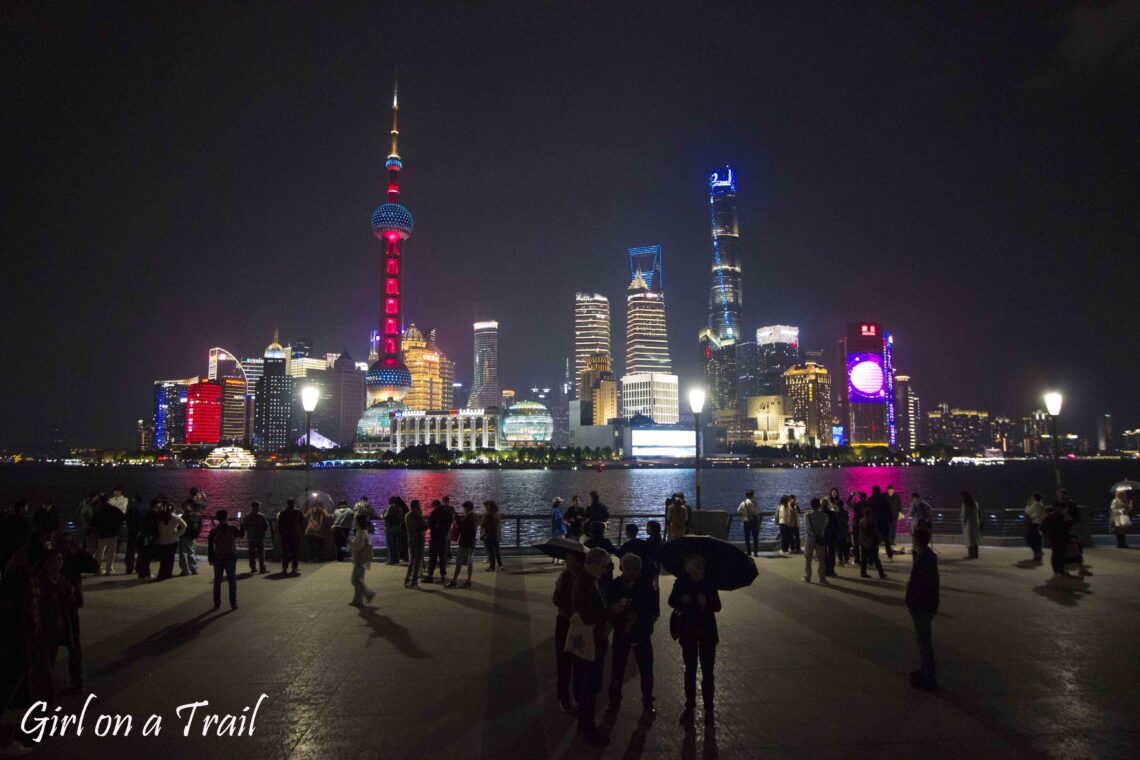
Shanghai – Garden of Pleasure and the Analog Tinder
Shanghai is a city of many names – the “Pearl of Asia”, the “Paris of the East”, the “New York of Asia” and a place that seemingly never sleeps. There’s always something going on here, and its energy can be felt on every street, in every pub, and on the riverbank. What really surprised me was its incredible diversity: ancient temples coexist with modern skyscrapers, elegant European-style buildings pop up here and there, and yet the streets are surprisingly orderly… and clean. If you’re thinking of a typical Chinatown, forget it, it’s a bit luxurious here. I had only two days to explore – one on the way to New…
-
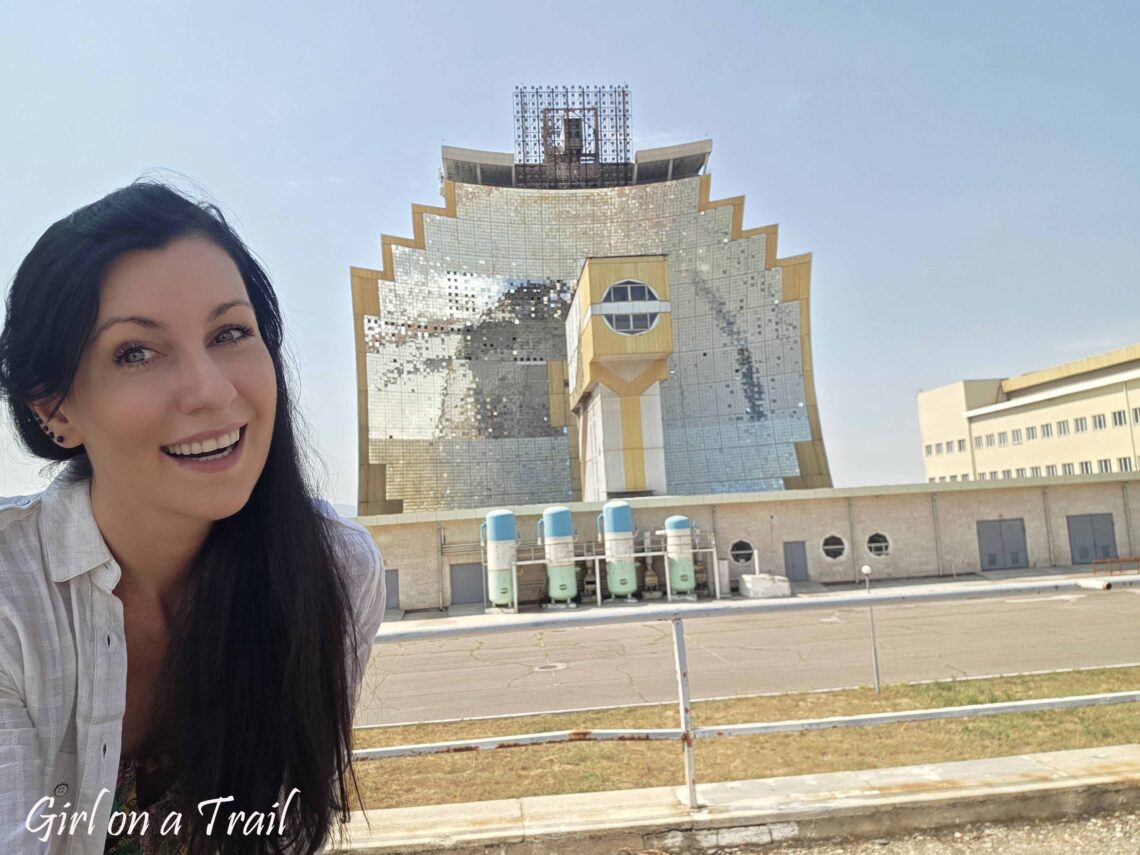
The Institute of the Sun – Soviet science fiction in the mountains of Uzbekistan
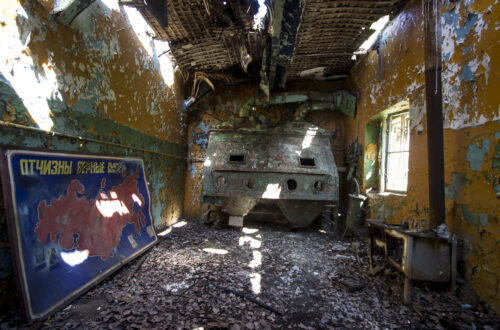
The Institute of the Sun, also known as the Big Solar Furnace or the Solar Furnace Complex, is located just 50 kilometres or so from Tashkent, in the unassuming town of Parkent, which at first glance doesn’t really seem to stand out in any particular way. Just an ordinary Uzbek town at the foot of the mountains. And yet, all you have to do is look up at the hill towering above it to see something that definitely doesn’t belong in this landscape. On the mountainside stands a huge, futuristic structure covered in thousands of mirrors, looking like a bizarre cross between an abandoned industrial complex, an urbex site and…
-
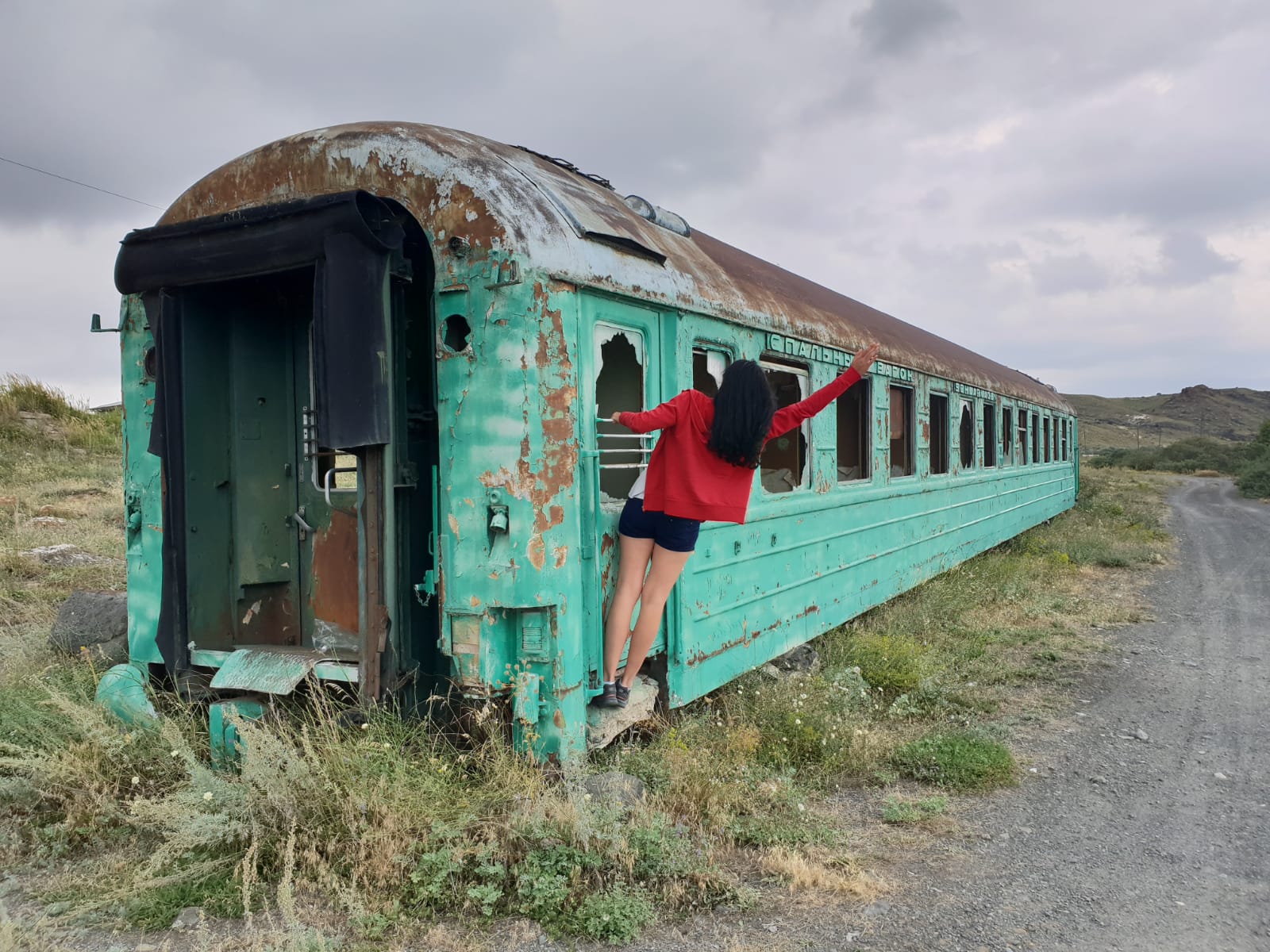
Shahrisabz – the city of Timur
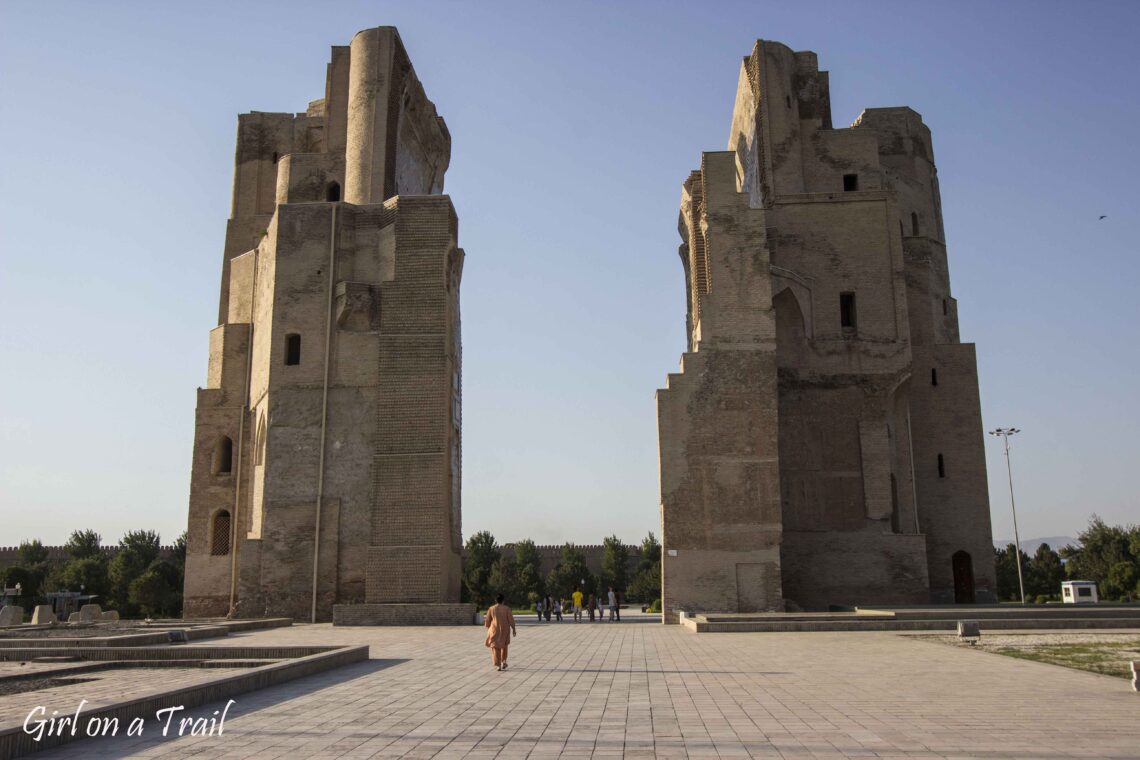
Shahrisabz is a city associated above all with one man. It was here that Timur the Lame, widely known as Tamerlane, was born – one of the most powerful and, at the same time, ruthless rulers in the history of Central Asia. Timur is a figure it is difficult to remain indifferent to. For Uzbeks, he is now regarded as one of their greatest national heroes. Throughout his homeland, you will find monuments, museums and entire historical complexes commemorating his power. But once you start reading about his conquests, the picture becomes considerably less heroic. Timur was a brilliant strategist and an extraordinarily effective ruler, but also a ruthless conqueror.…
-
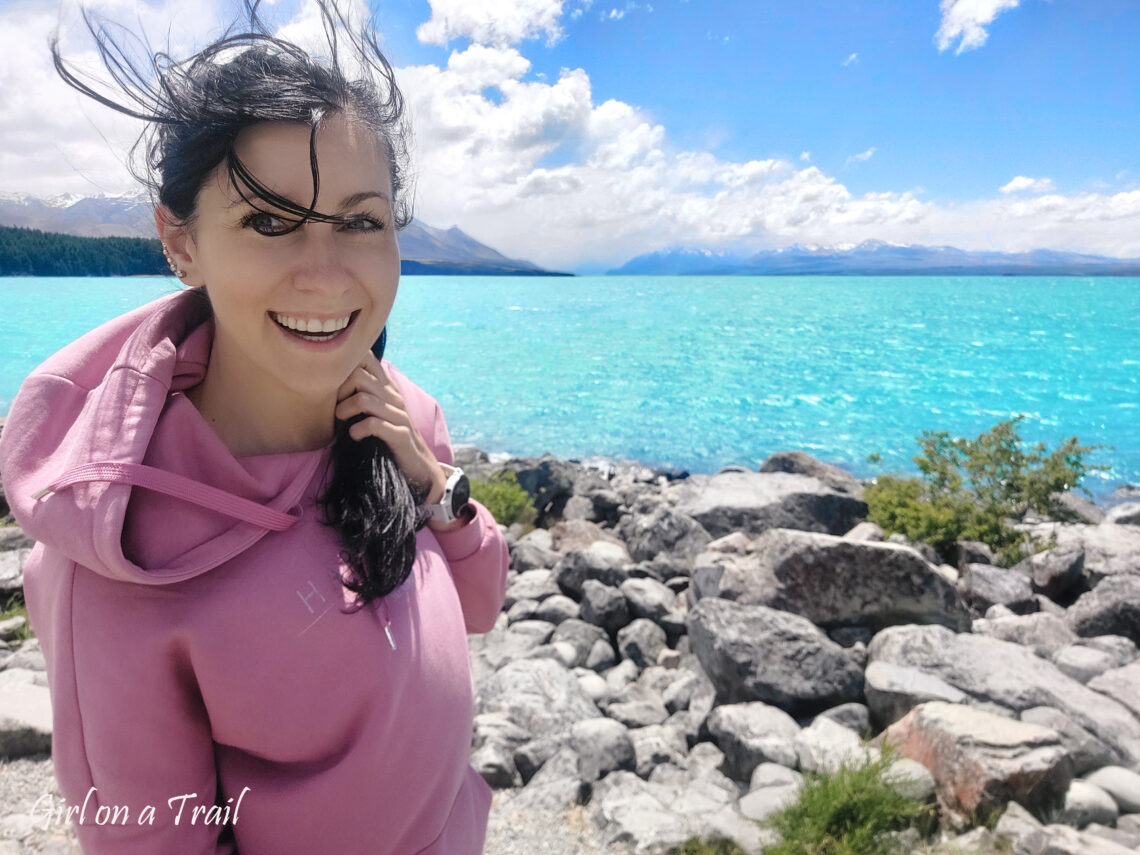
Mount Cook, Clay Cliffs – behind a closed gate
That day I was excited like a kid before a school trip. I had a few short walks planned in Aoraki / Mount Cook National Park. The weather in the morning was perfect: sunshine, clear sky, and me—naively convinced it would stay that way. My first stop was the Clay Cliffs, a place that’s completely unassuming and very cleverly hidden away from the main road. To get there, you have to turn off State Highway 8 onto a gravel track that absolutely does not look like an access road to a tourist attraction. Just after the turn, you reach a gate that feels very much like the boundary of private…
-
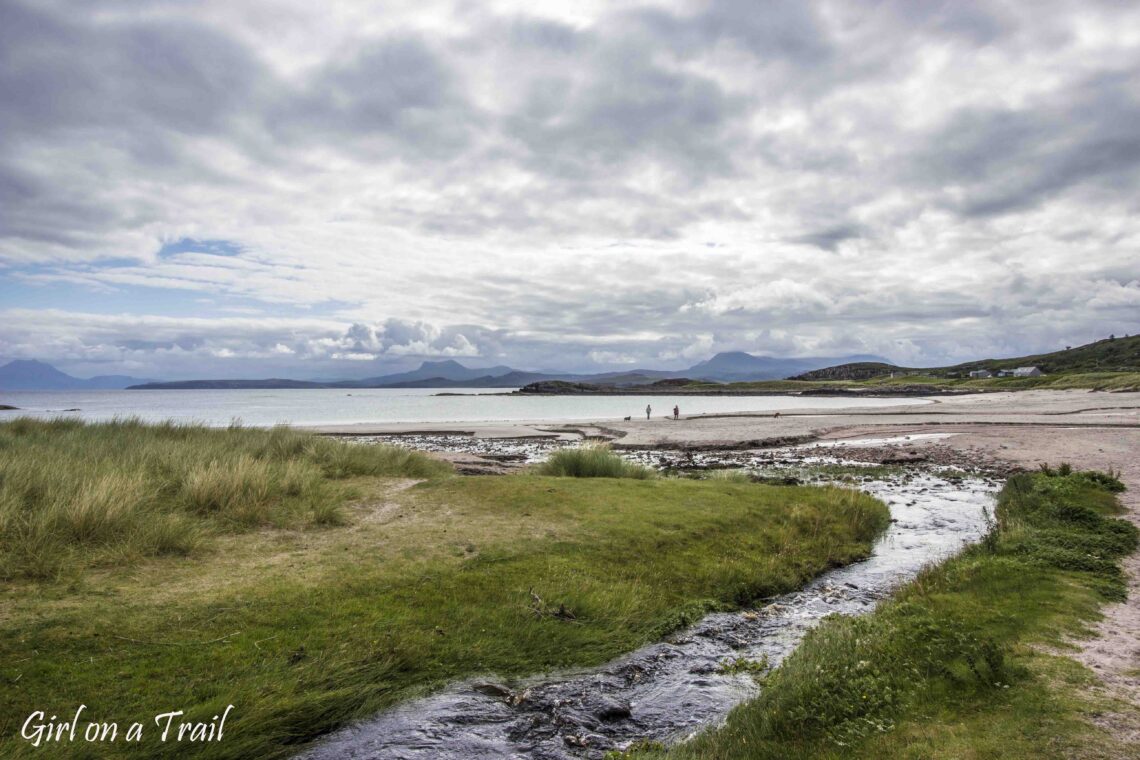
The North Coast 500 – through the Highlands on four wheels
The North Coast 500 is a route I’m sure I’ll remember for a long time. And this time, not just because of the scenery. Driving the NC500 can be quite an experience in itself. In many places, the road becomes really narrow and turns into a single-track road, meaning there’s only one lane for cars travelling in both directions. Every so often, you’ll find small passing places, where you have to pull in to let an oncoming car through. Sometimes you have to get a bit creative, and if you miss the passing place at the wrong moment, there’s nothing for it but to reverse. On top of that, there…
-
Belgrade – from a Roman fortress to Yugoslavia’s vision of the future
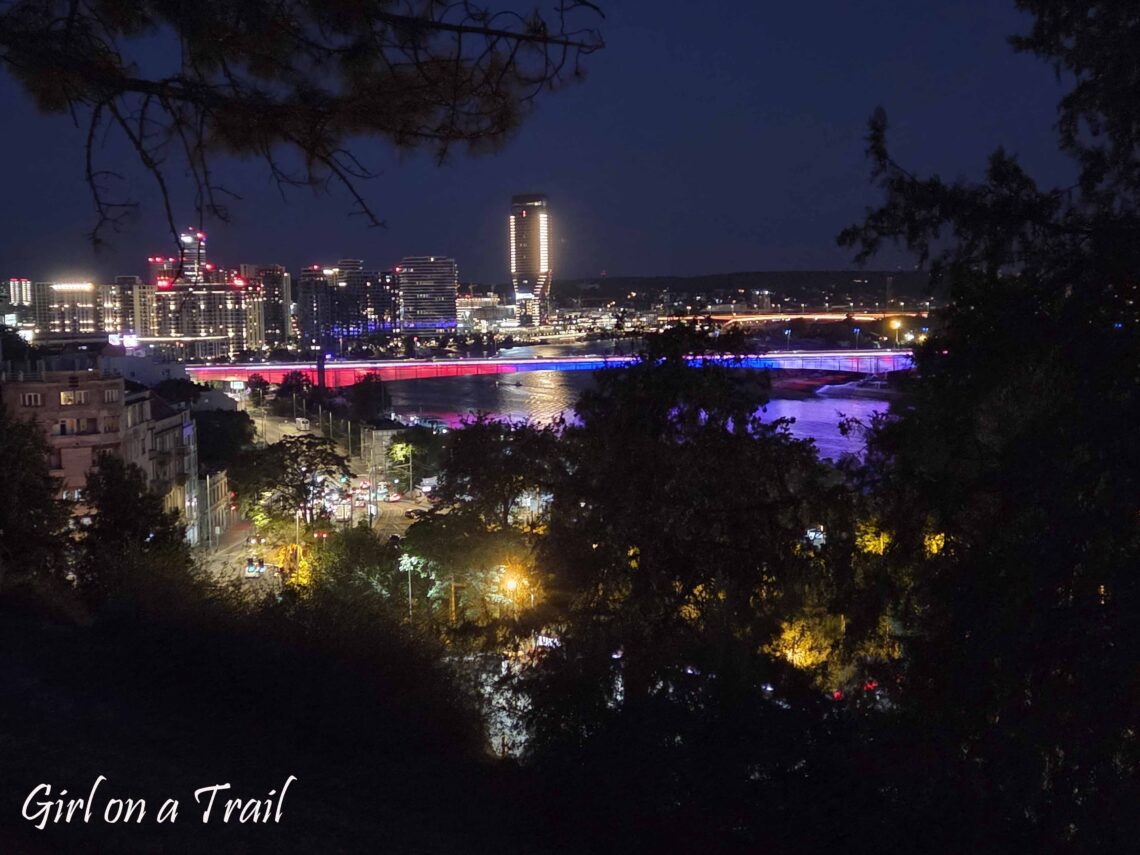
After my first day of sightseeing and a hefty dose of history, which was genuinely quite heavy at times, it was time to move on and see a different side of Belgrade. This time, I headed straight for Kalemegdan – the place that probably more than anywhere else is associated with the city. And this is definitely a place where you can pause for a moment, because the history here is seriously something else. The first fortifications appeared here as far back as Celtic times, and the Romans later left their mark on the site. Over the centuries, the fortress was rebuilt and reshaped by one empire after another, so…
-
Belgrade – a city of contrasts, history and Balkan chaos
Belgrade was the second stop on my longer holiday trip this year. I spent the first part in Scotland, where I covered more than 3,200 km in nine days. And, to be completely honest, by then I’d had enough of driving, sightseeing, packing, unpacking and constantly being on the move. After such a marathon, the thought of clocking up even more kilometres in Serbia wasn’t exactly something I was looking forward to. But hey, it was part of the holiday plan, so there was nothing for it but to keep going. I flew to Belgrade in the late afternoon, picked up the car, drove to my accommodation and… promptly went…
-
NC500 – far North Scotland
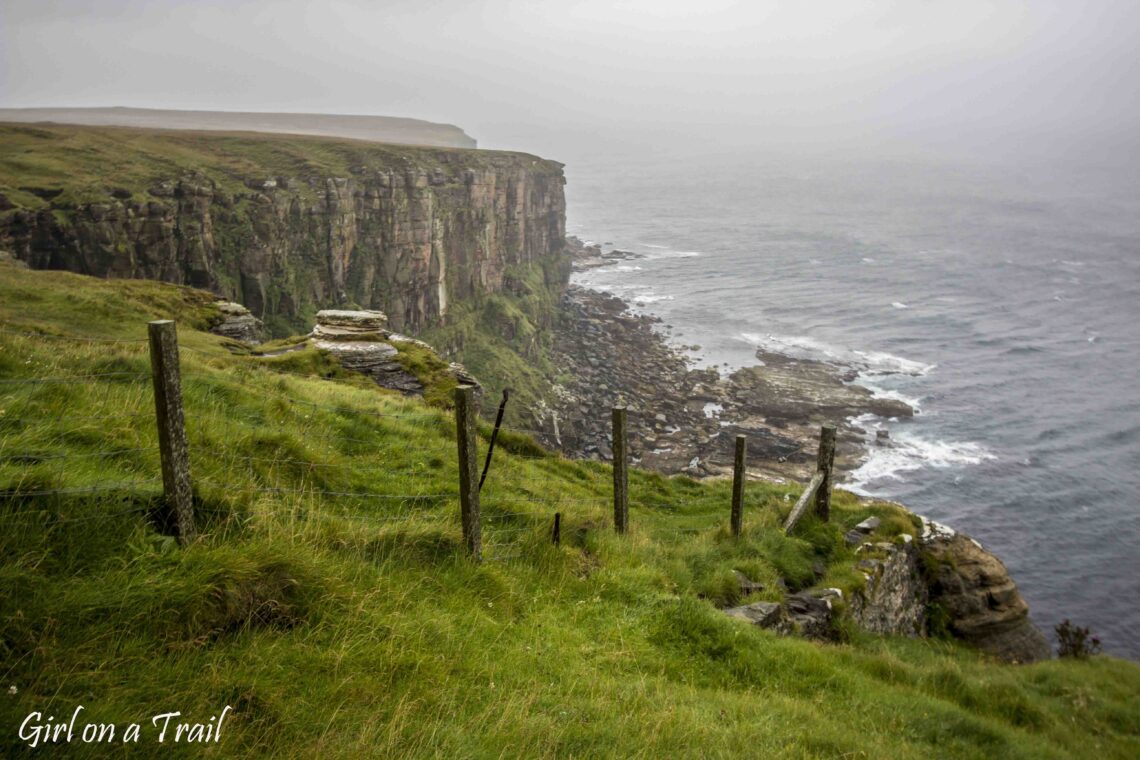
The NC500, or The North Coast 500, is one of Scotland’s most famous road trips – around 830 kilometres through the northern Highlands, following the coastline and winding through mountains, small villages, beaches, cliffs and places where it’s sometimes hard to believe you’re still in the UK. The more miles I covered along this road, the more I felt as though Scotland was slowly disconnecting from the rest of the world. The landscape became increasingly rugged, wild and empty. Larger towns disappeared, the roads grew narrower, and instead of more buildings, there were cliffs, heather-covered moorland, mountains and sea. And that was when the part of the route I had…
You May Also Like
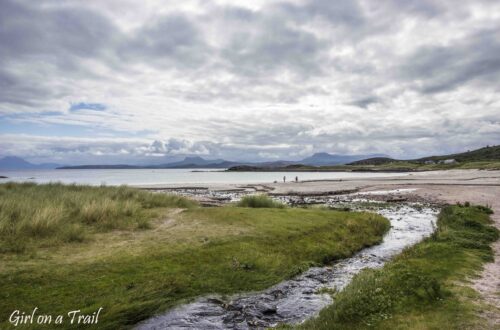
The North Coast 500 – through the Highlands on four wheels
-
New Zealand – rainy Cape Reinga, the Sahara, and the World’s Prettiest Toilet
Cape Reinga is the place where, according to Māori tradition, spirits begin their journey to the afterlife. Route 1 takes you here, ending at the northernmost lighthouse in New Zealand. It’s also the spot where the Tasman Sea meets the Pacific Ocean. And yes, the road here really felt like it led straight to edge of the world —accompanied by sheets of rain and gusty wind. There was nothing happening on the road, zero civilisation around, and out of boredom, I found myself dancing to the rhythm of the windshield wipers. The track seemed endless, twisting along a narrow strip of land like a miniature peninsula—kind of like the Hel…