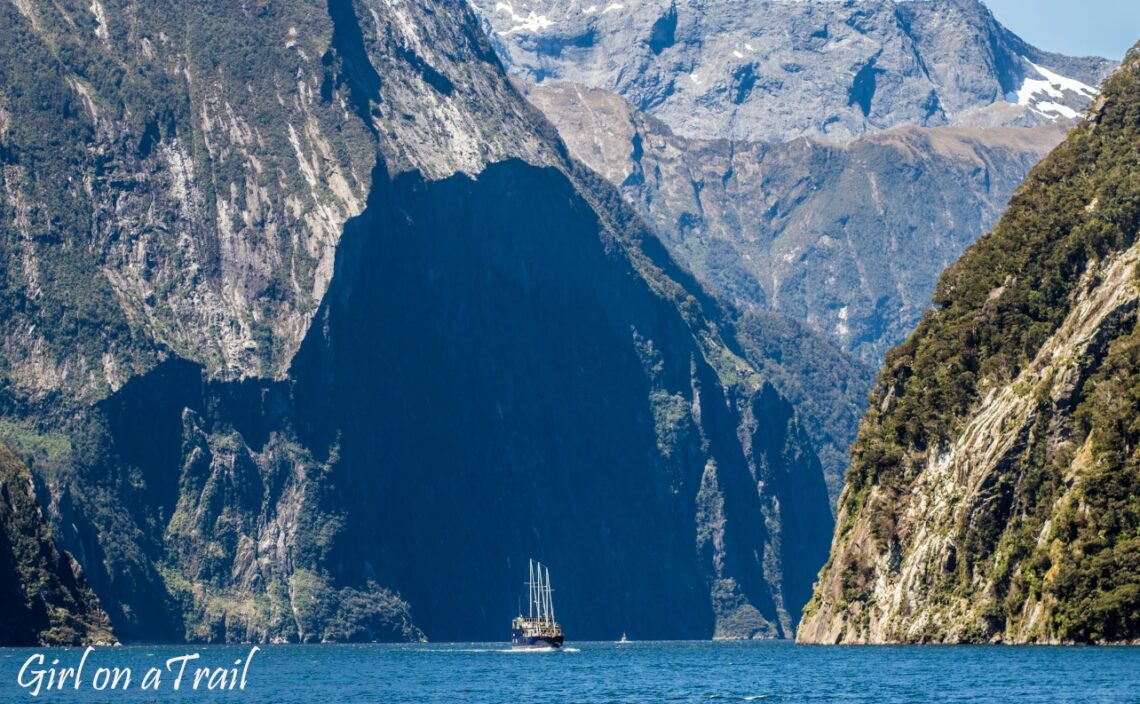
Milford Sound, New Zealand – the sound that turned out to be a fjord
Milford Sound is a pretty peculiar place. It can get so wet here that the direction of the rain seems to defy the laws of gravity – the water quite literally flies upwards. And as if that wasn’t enough, the area is patrolled by a gang of parrots specialising in… breaking into cars. It sounds like a disaster zone, yet it’s the most popular attraction in New Zealand.
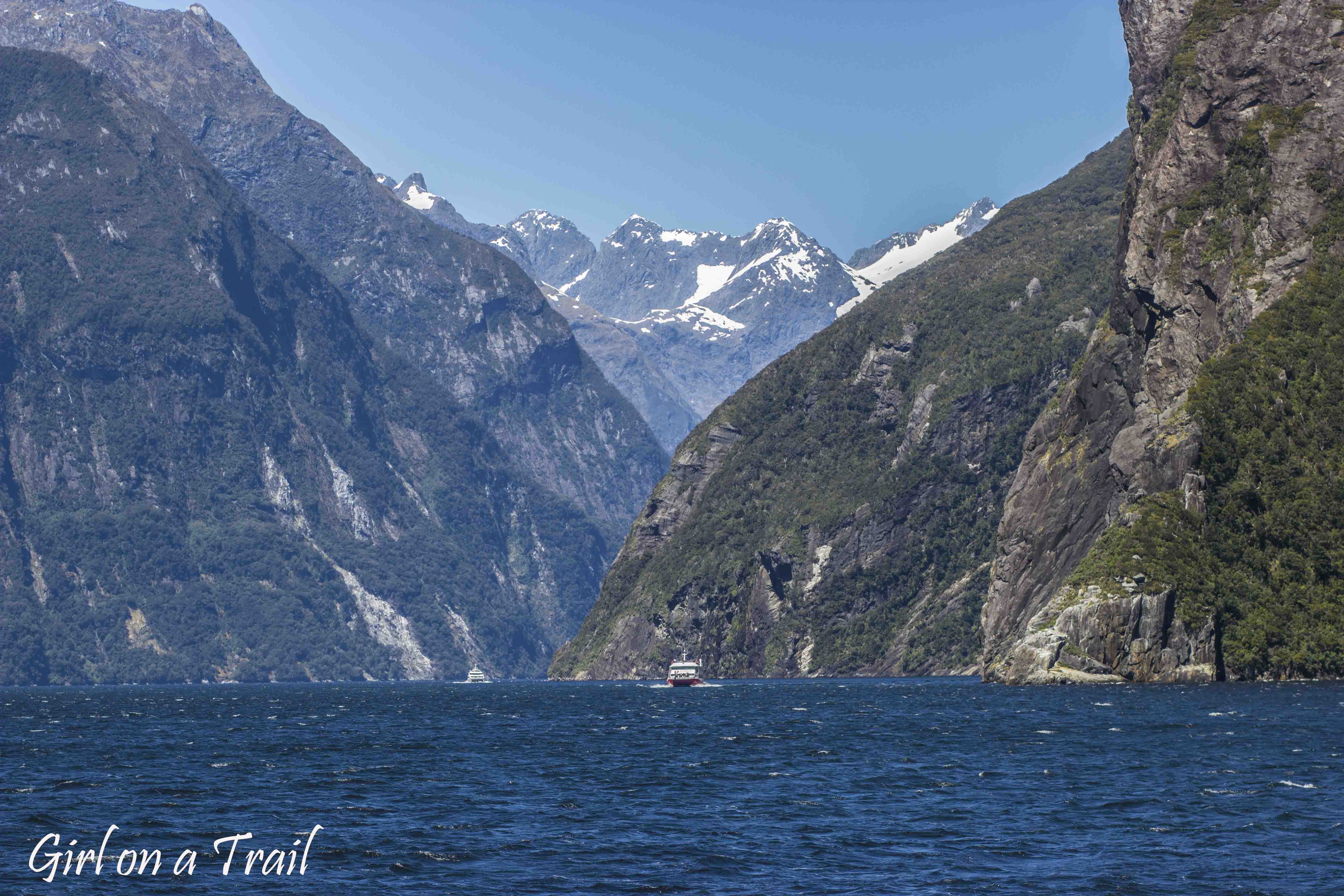
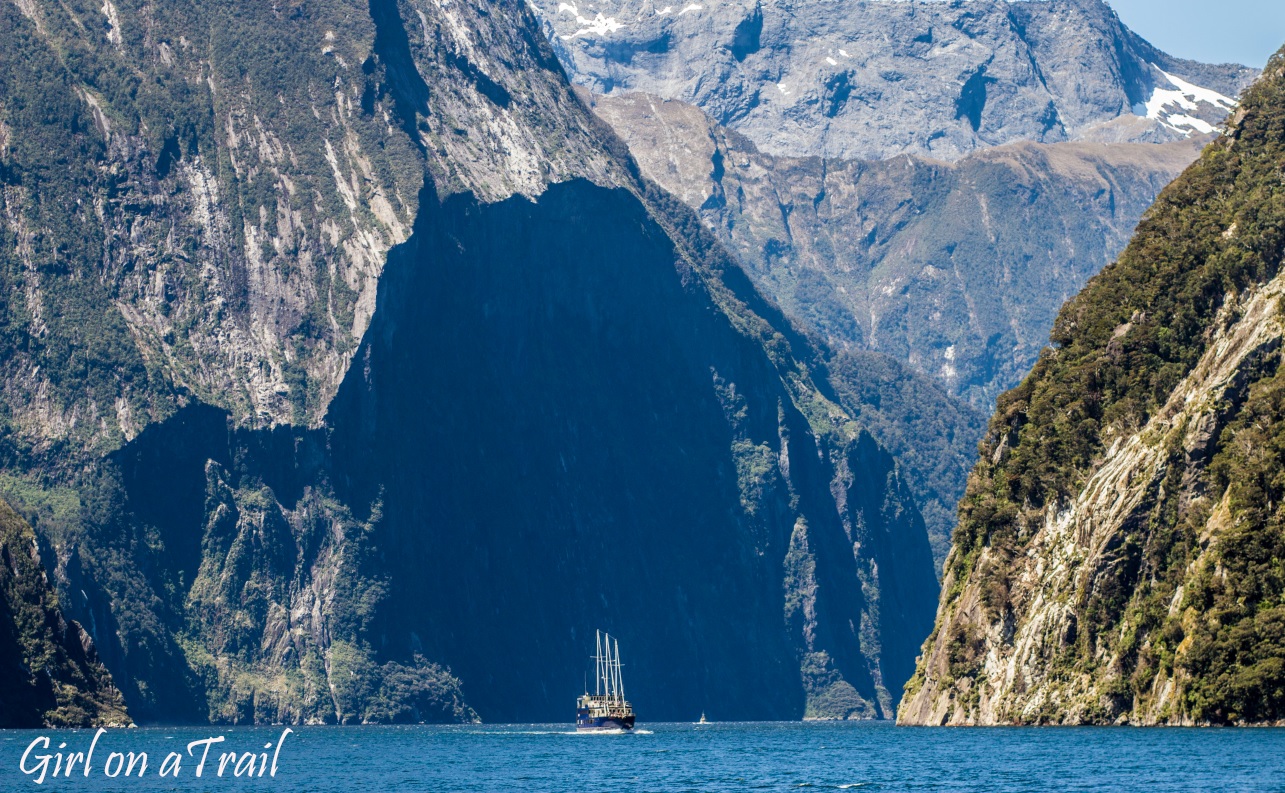
The name, however, does its best to mislead visitors. Milford Sound isn’t really a “sound” at all, but a fjord – and one of the most spectacular in the world. How is that possible? Let’s go back to geography class for a moment. A “sound” is simply a flooded river valley in a V-shape. A fjord, on the other hand, is carved out by glaciers and has those characteristic steep, rocky walls. Milford Sound was sculpted by a glacier during the last Ice Age. When the ice retreated, the Tasman Sea simply poured in and filled the valley.
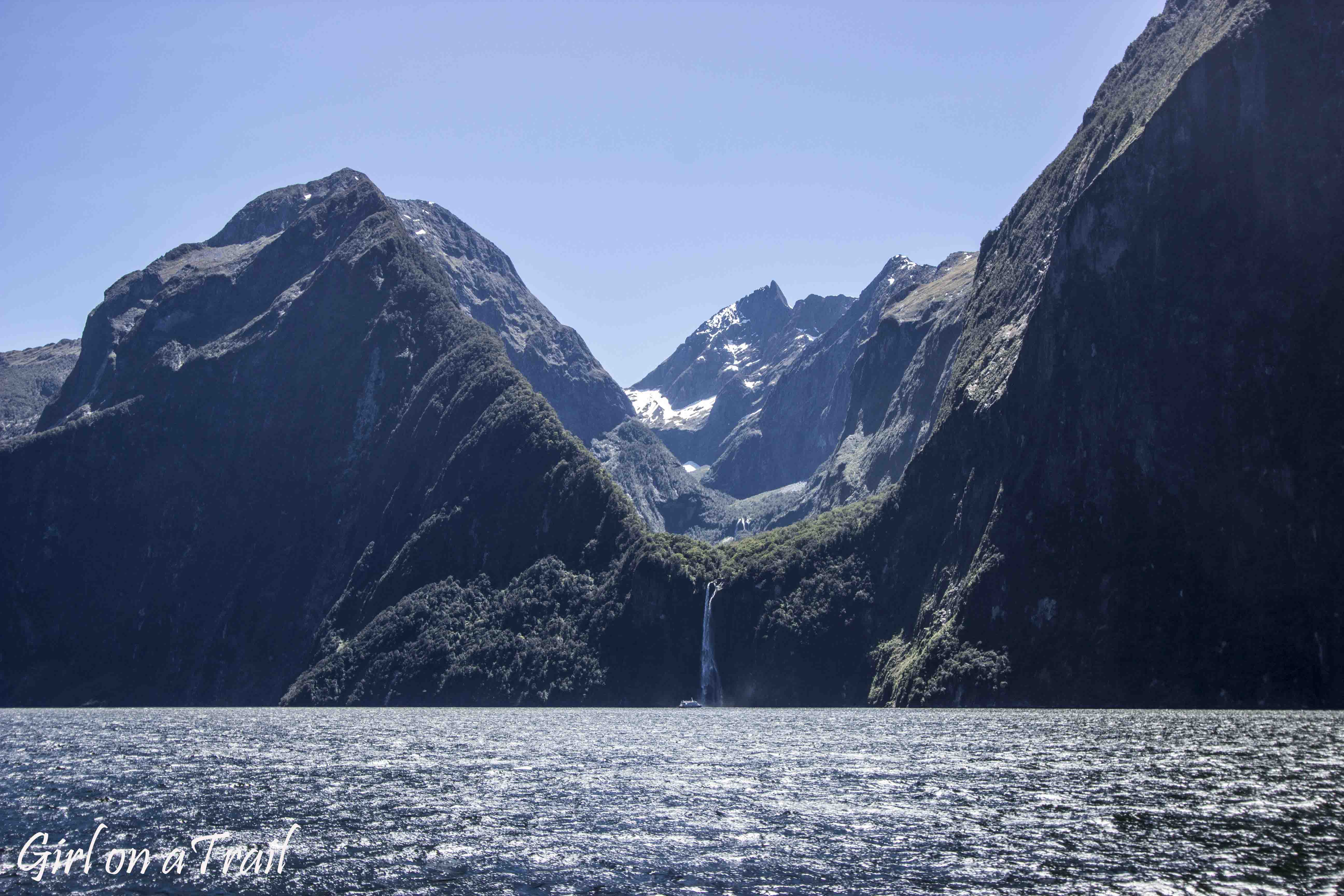
The result?
Fifteen kilometres in length, almost 300 metres deep, with rock walls rising 1,200–1,700 metres straight out of the water. So yes, “sound” and “fjord” might rhyme, but something is definitely off. So where did the confusion come from? Naturally, from Europeans. It wasn’t enough for them to nearly wipe out the kiwi population, they also had to mix up a fjord with a sound. In fact, Milford Sound was initially bypassed by European explorers. Its narrow entrance didn’t look promising, and ship captains, including the famous James Cook, were afraid to sail too close to the steep mountains. The fjord remained unnoticed until 1812, when Captain John Grono discovered it and named it Milford Haven after his home region in Wales. Later, John Lort Stokes renamed it Milford Sound – and that name stuck.
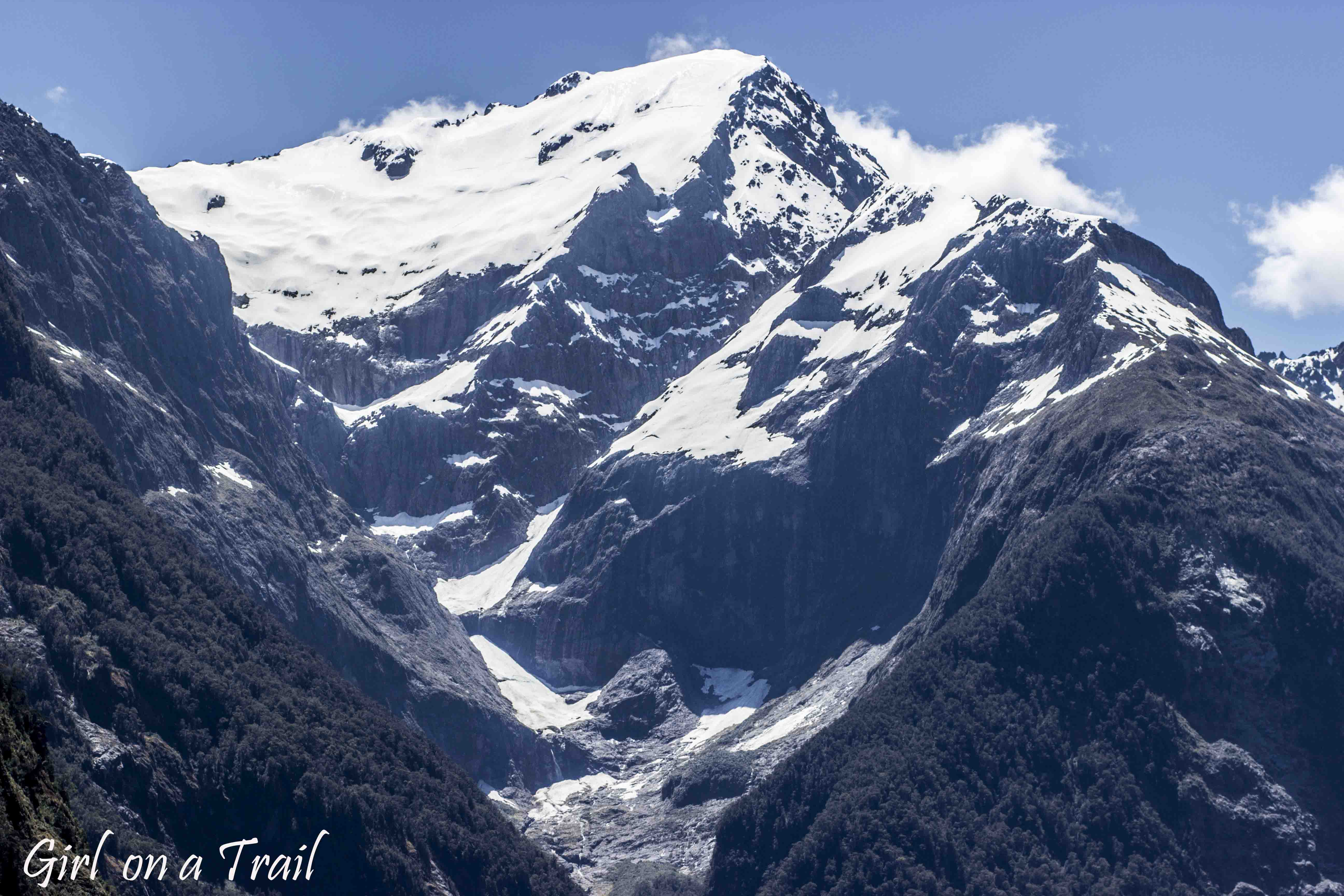
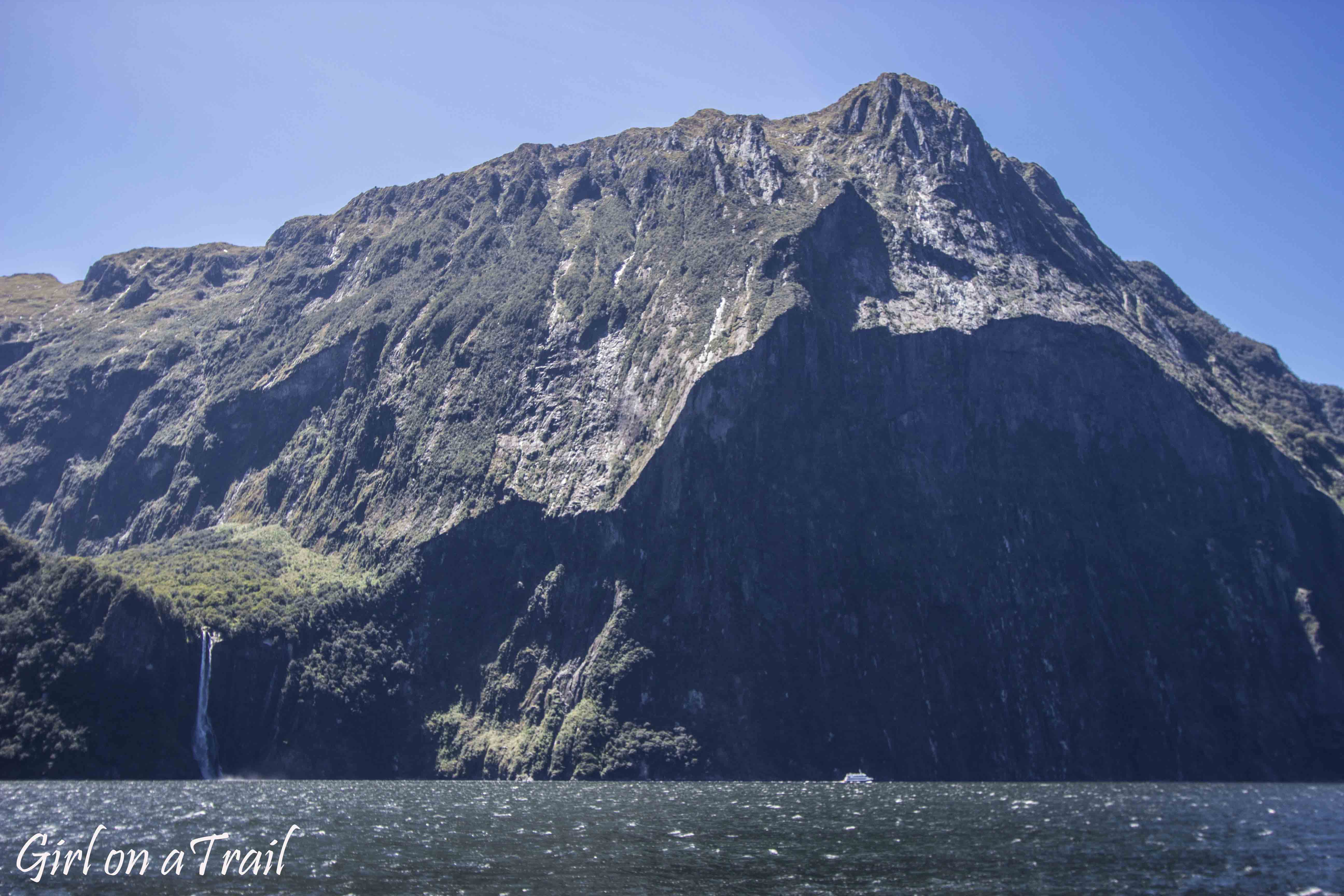
Towering mountains aren’t the only challenge in Milford Sound. The second one is the weather, or rather the chronic lack of good weather. Milford Sound is a place where it rains on average around 183 days a year, with annual rainfall exceeding six metres. So as I set off towards Milford Sound, I had zero expectations when it came to sunshine. Murphy’s Law works flawlessly for me: if it can rain somewhere, it will definitely rain when I’m there. And yet, to my surprise, when I arrived the sky was completely clear.
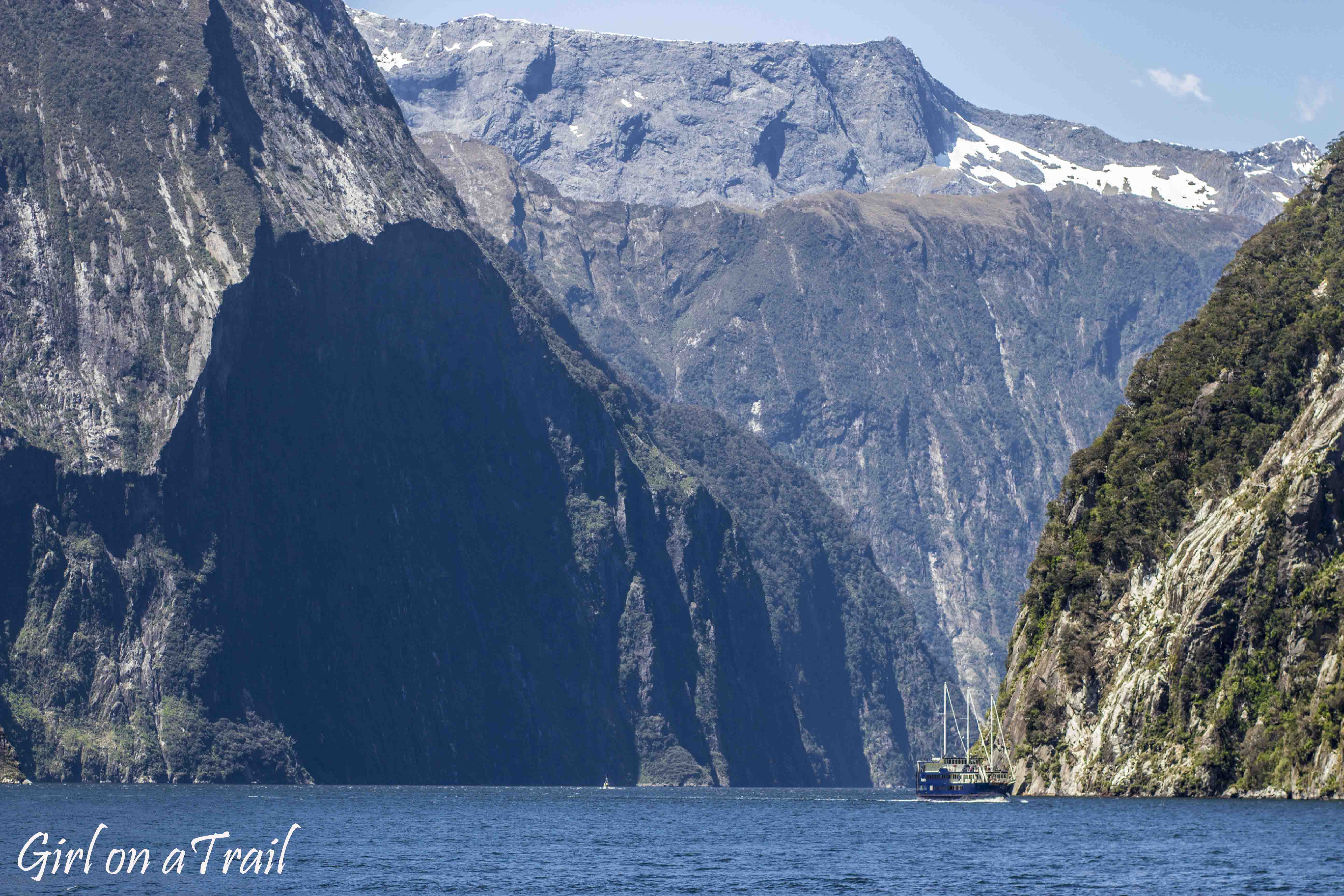
Even though all that rain sounds like a very effective tourist repellent, it’s actually the main driving force behind the entire spectacle. Without it, there wouldn’t be hundreds of waterfalls. Two of them are particularly special: Lady Bowen Falls, 162 metres high, and Stirling Falls, “only” slightly shorter at 151 metres.
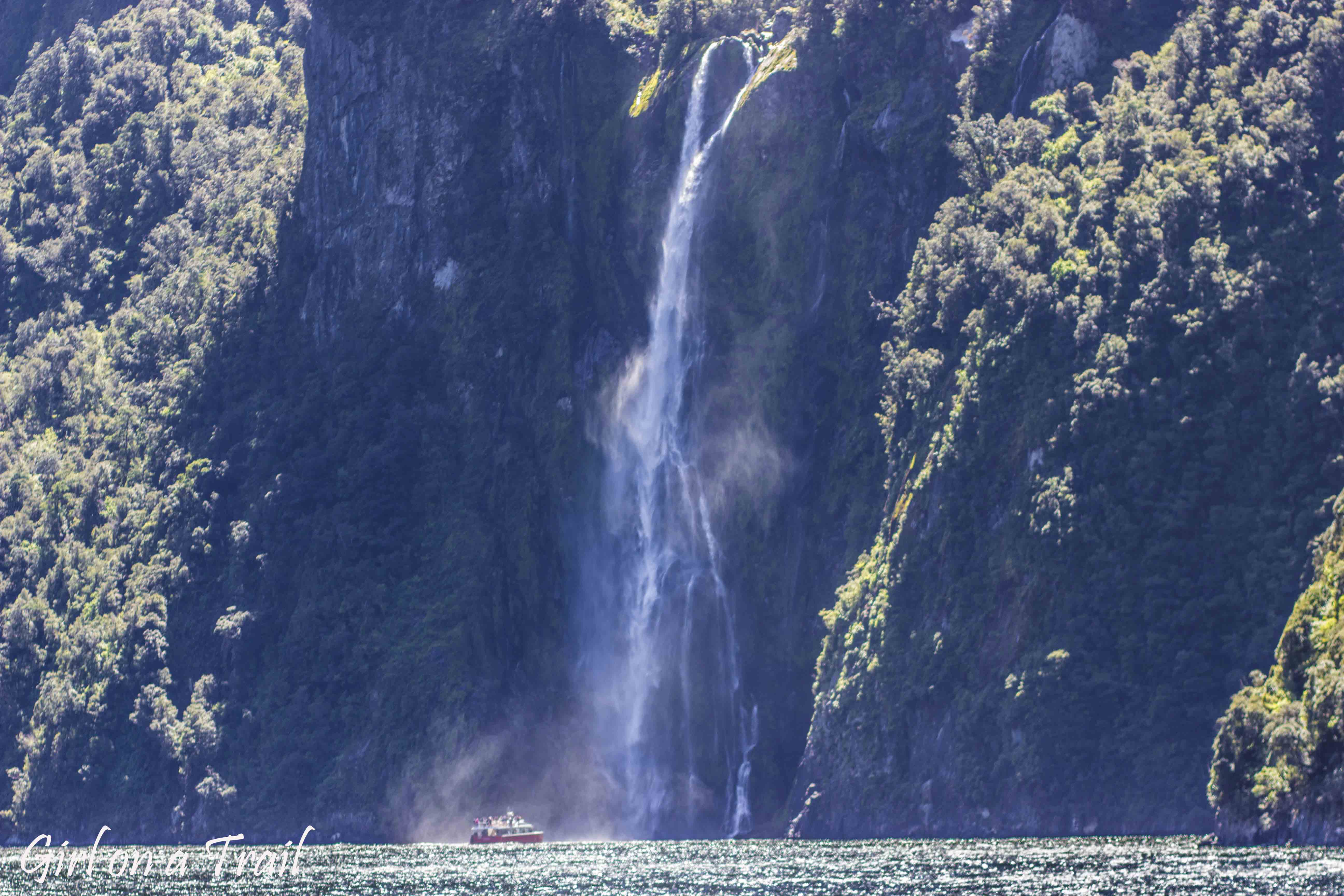
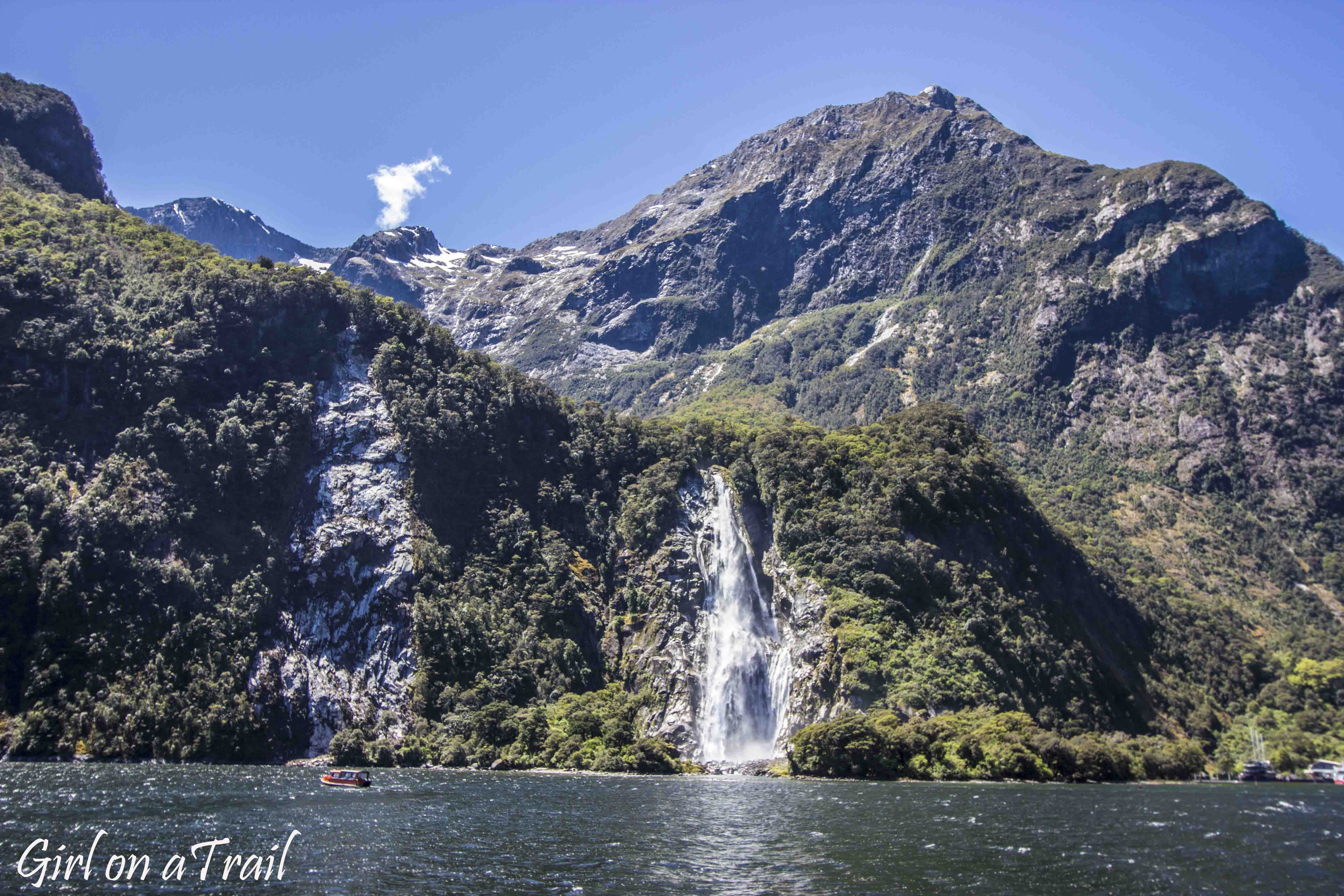
The rest are seasonal waterfalls that appear after heavy rain, streaming down almost vertical rock faces. And as if that wasn’t enough, the rain and wind sometimes team up in ways that are frankly at odds with physics. Under the right conditions, the waterfalls can be blown upwards. Strong gusts of wind, the shape of the fjord and the sheer volume of water mean the streams get pushed back into the air.
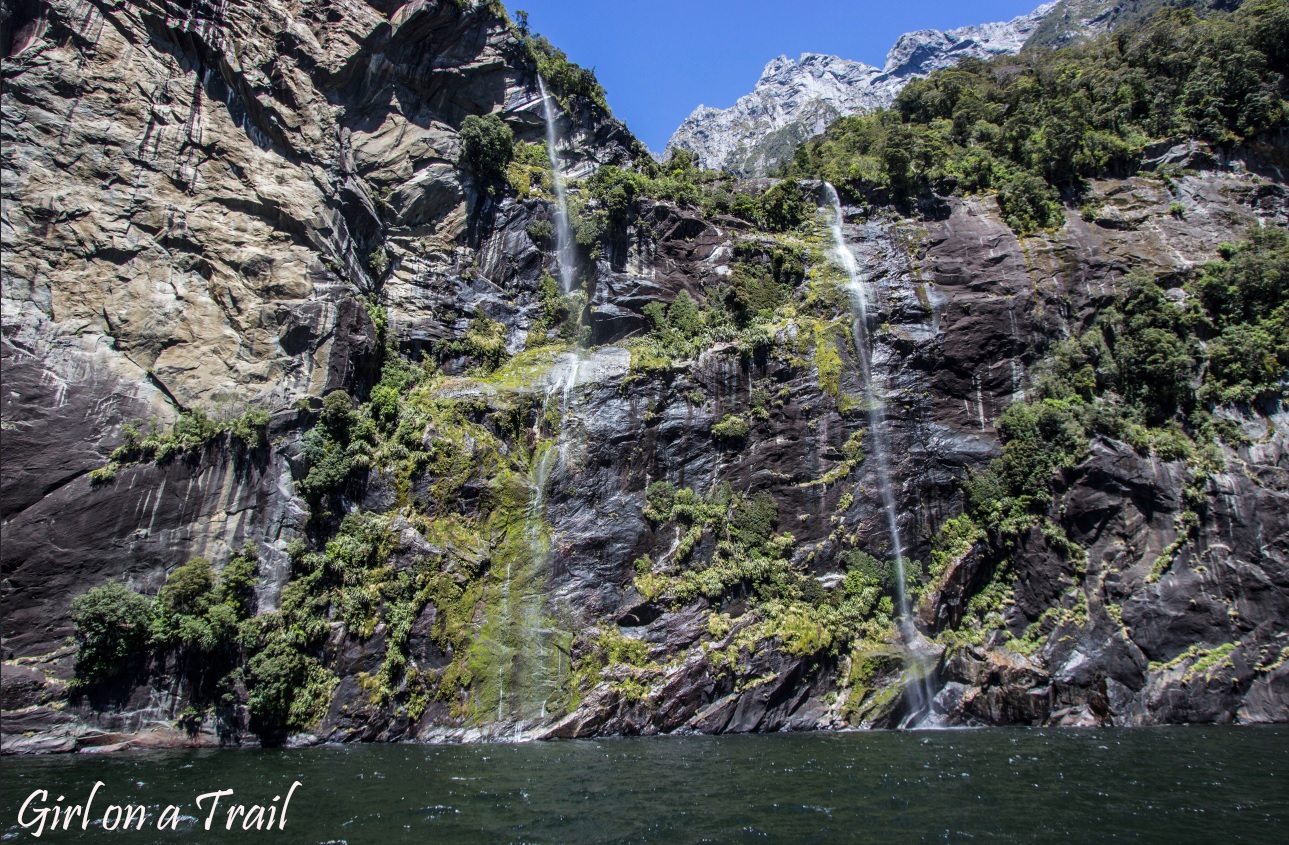
That’s not the only distinctive feature of Milford Sound. Huge amounts of fresh water flowing down from the mountains form a thin layer on the surface, which floats above the salty waters of the Tasman Sea. The result is the fjord’s characteristic dark, almost inky colour and conditions where just 10 metres below the surface it is as dark as at much greater depths in the open ocean. Perfect conditions for marine life – less so for photographers.
The true star of the show, though, is Mitre Peak – a mountain rising almost vertically from the water’s surface to 1,692 metres. It’s one of the most photogenic mountains in New Zealand and one of the highest in the world to rise directly out of the sea.
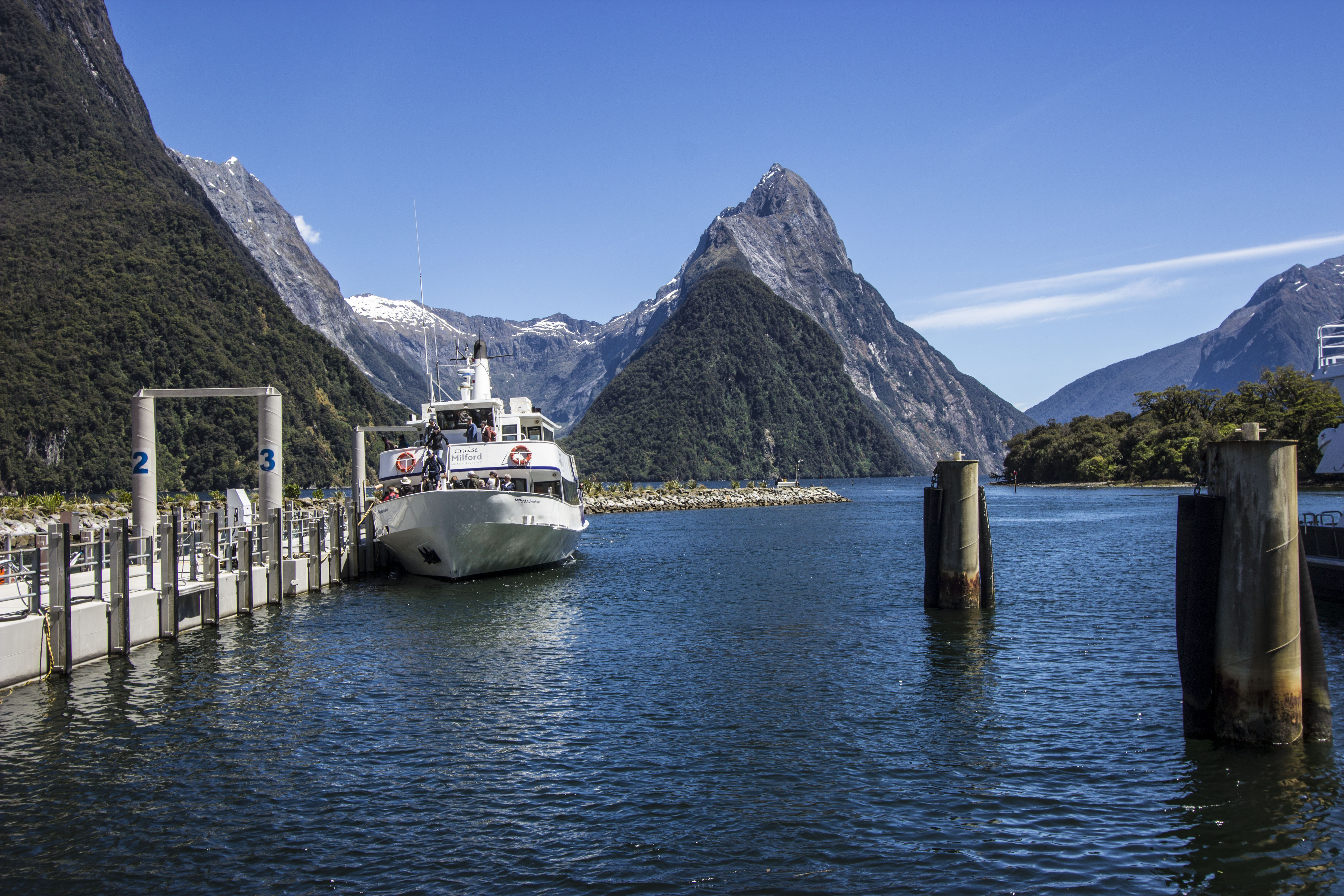
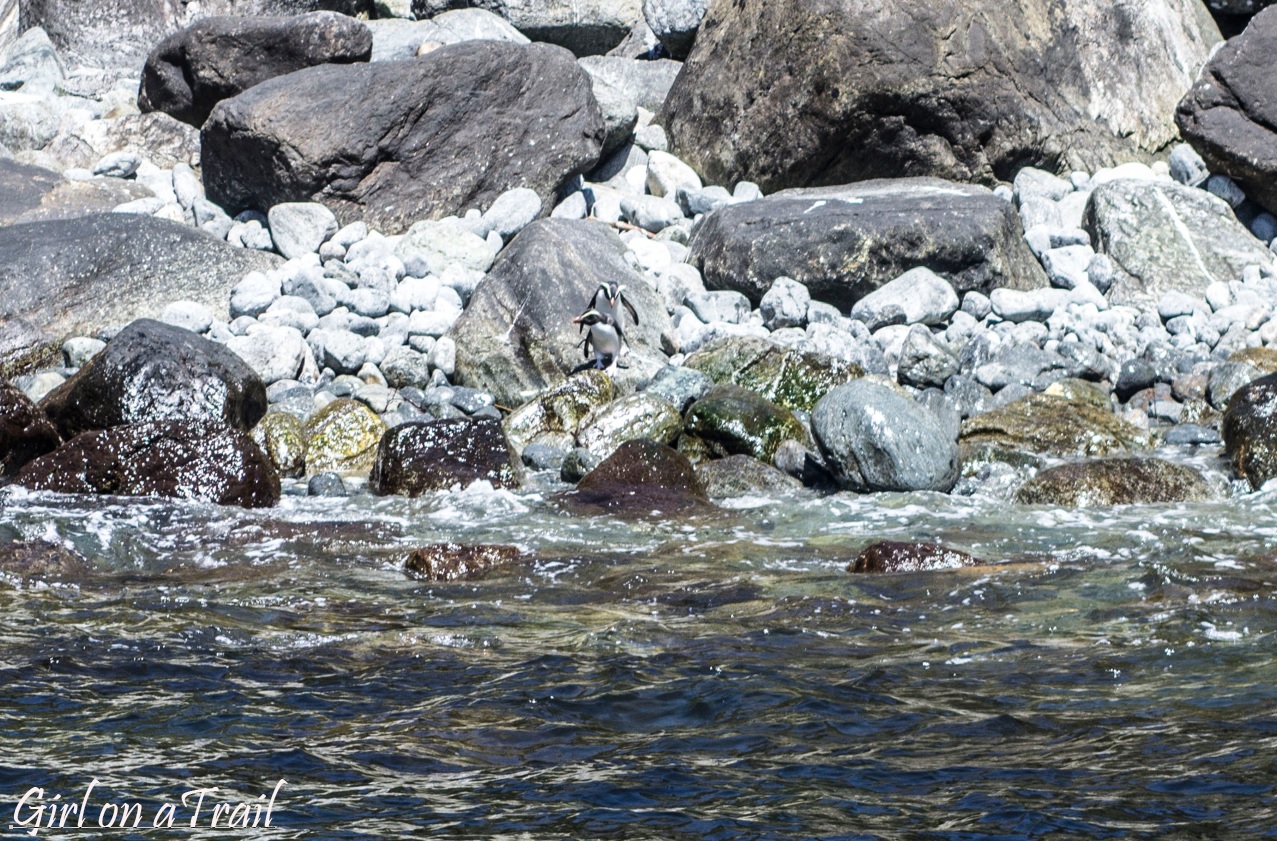
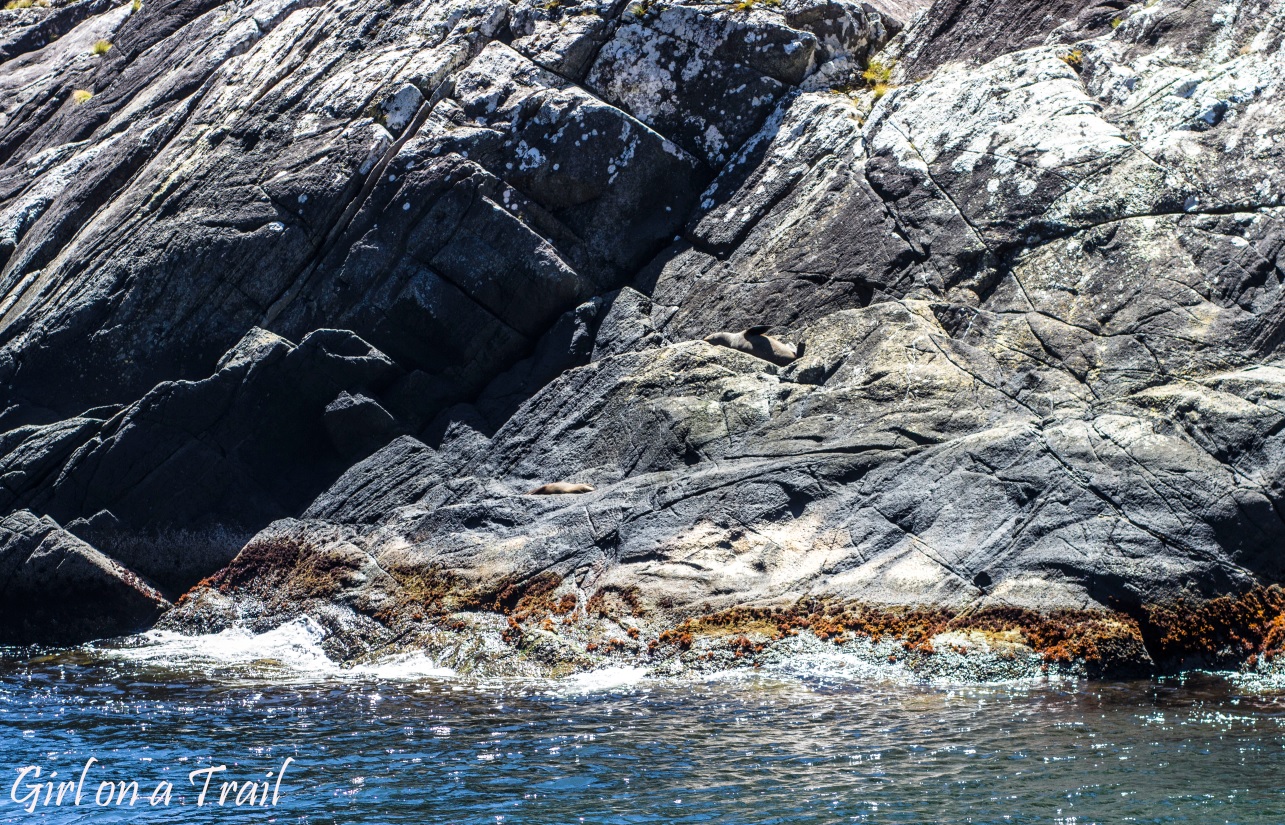
The best way to see Milford Sound up close is to take a cruise along the fjord. It lasts around two hours and delivers the full package of experiences. On top of the otherworldly landscapes, you can spot numerous seals lounging on Seal Rock, dolphins, and with a bit of luck even Fiordland crested penguins.
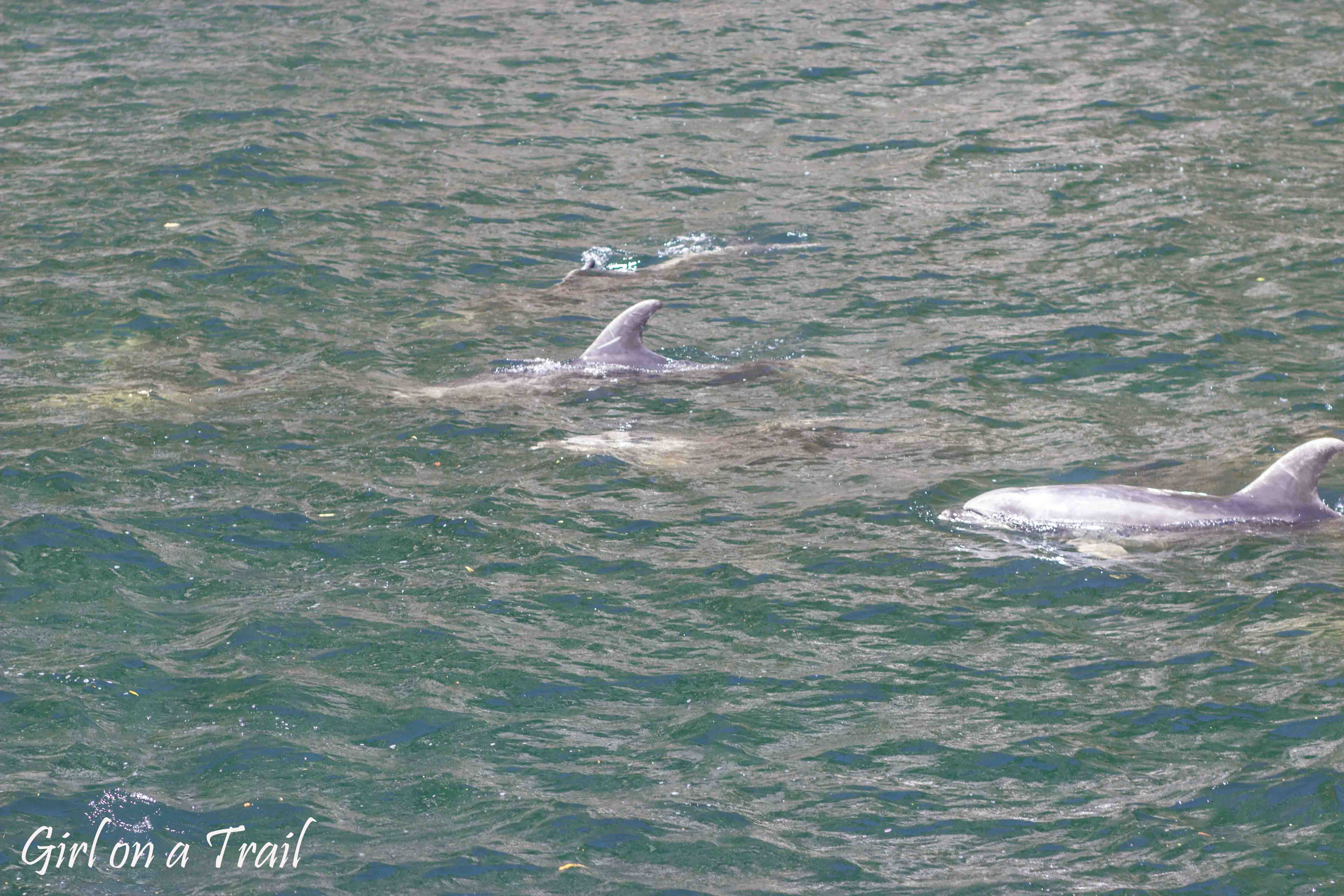
No wonder Rudyard Kipling called this place the eighth wonder of the world.


You May Also Like
New Zealand, Kaikoura – a post about dreams coming true
Hawaii – paradise lost?
