Auckland, Devonport – the fort that never fired… and the fake news that built it
It takes barely a few minutes to ride a ferry from central Auckland to Devonport – a place that seems to exist in a completely different reality. Devonport lies between two extinct volcanoes that not only shaped its history but also perfectly symbolise it.
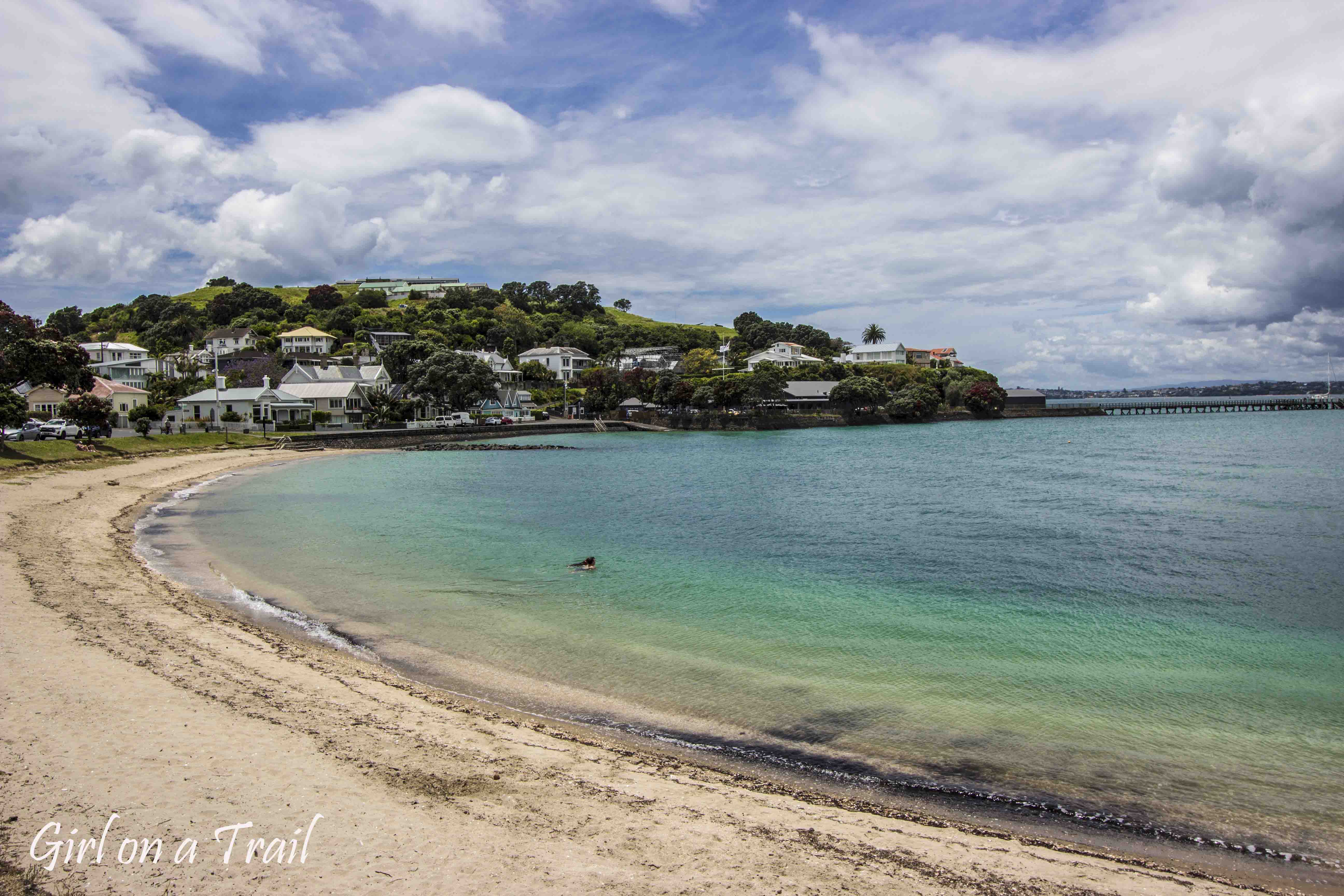
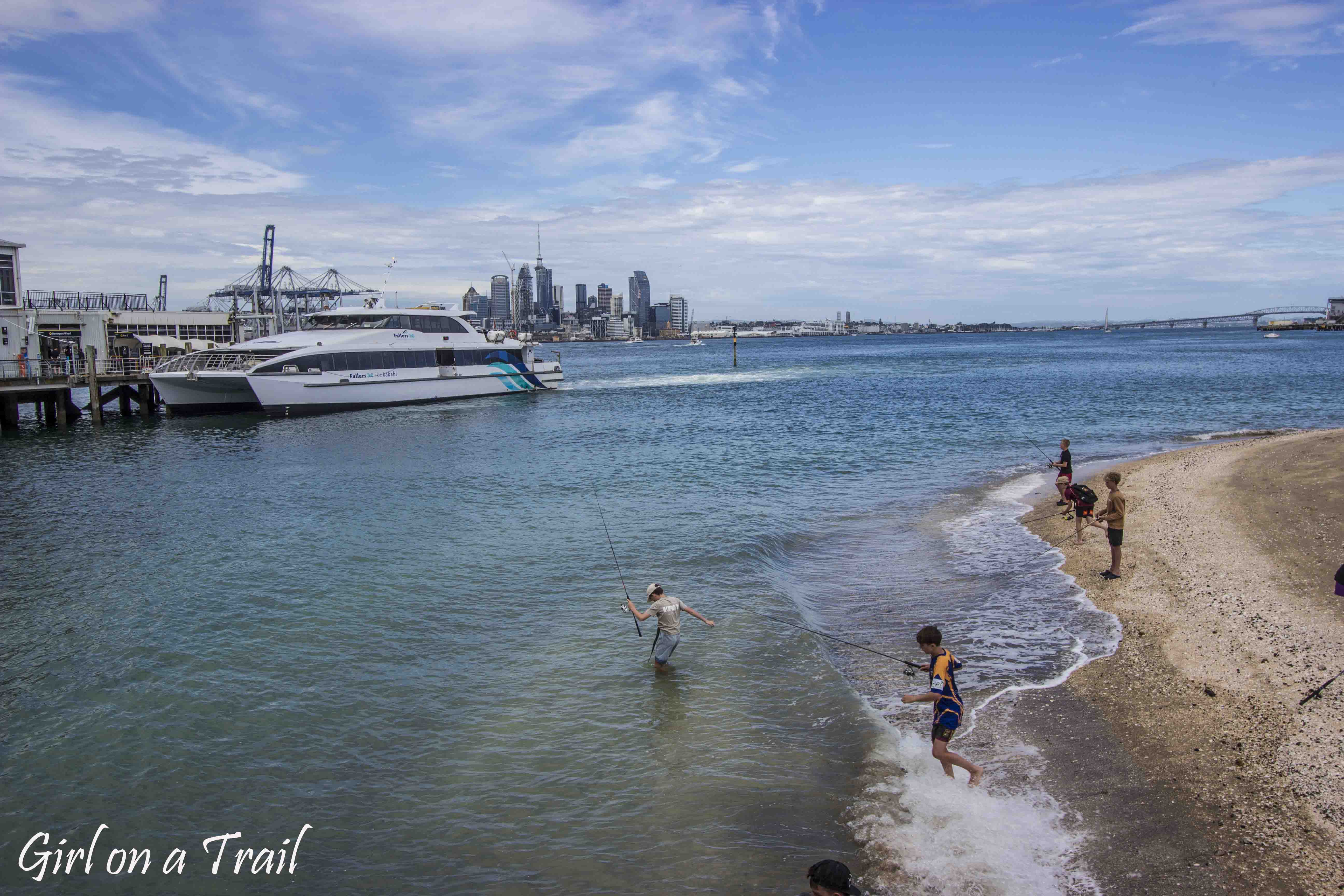
At first glance, it looks like a calm, almost sleepy Auckland suburb: wooden houses, cafés, restaurants, kids fishing in the bay with Auckland’s skyscrapers in the background… but that’s just the surface. Beneath it lies a turbulent past that once made Devonport one of the most strategic locations in the region.
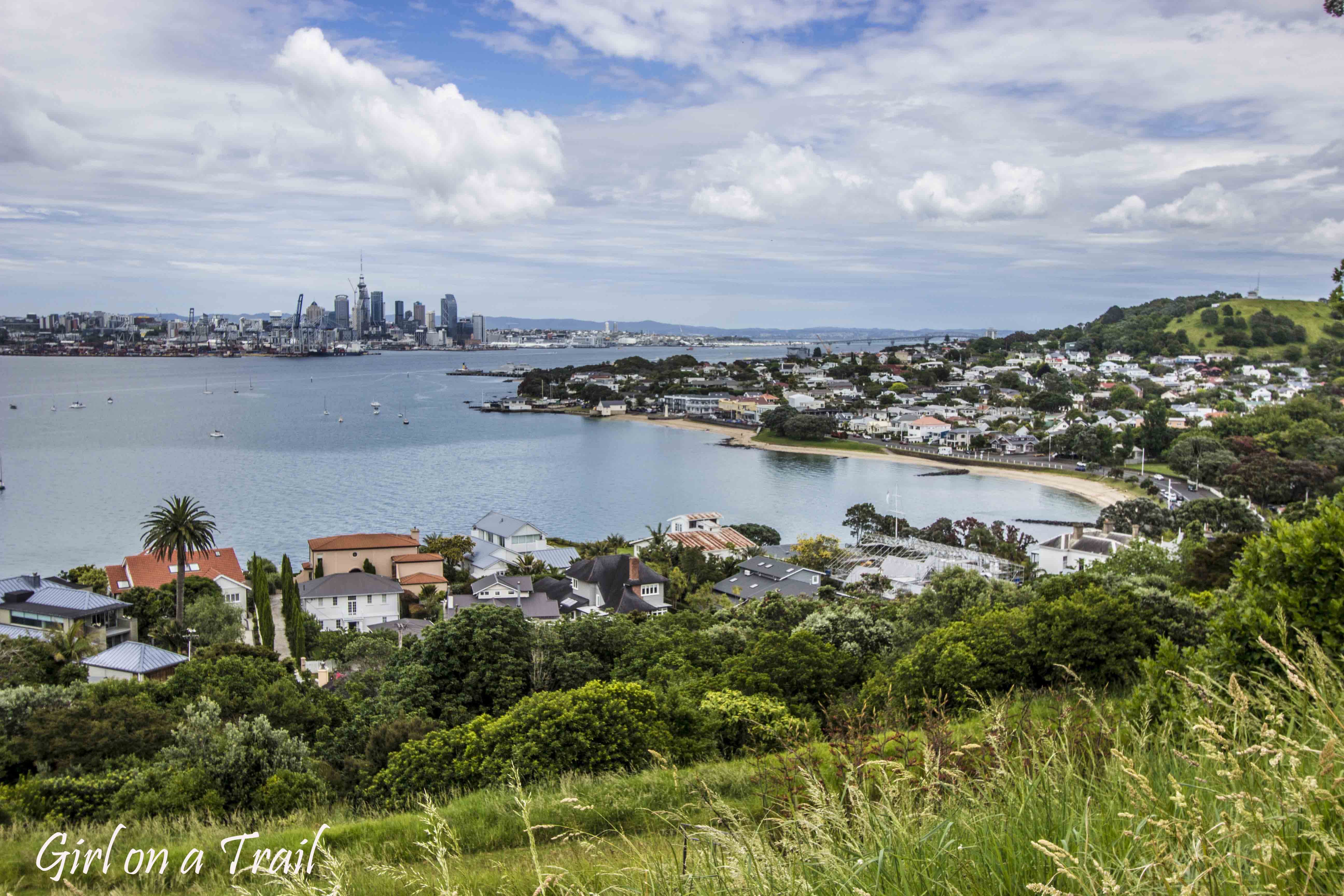
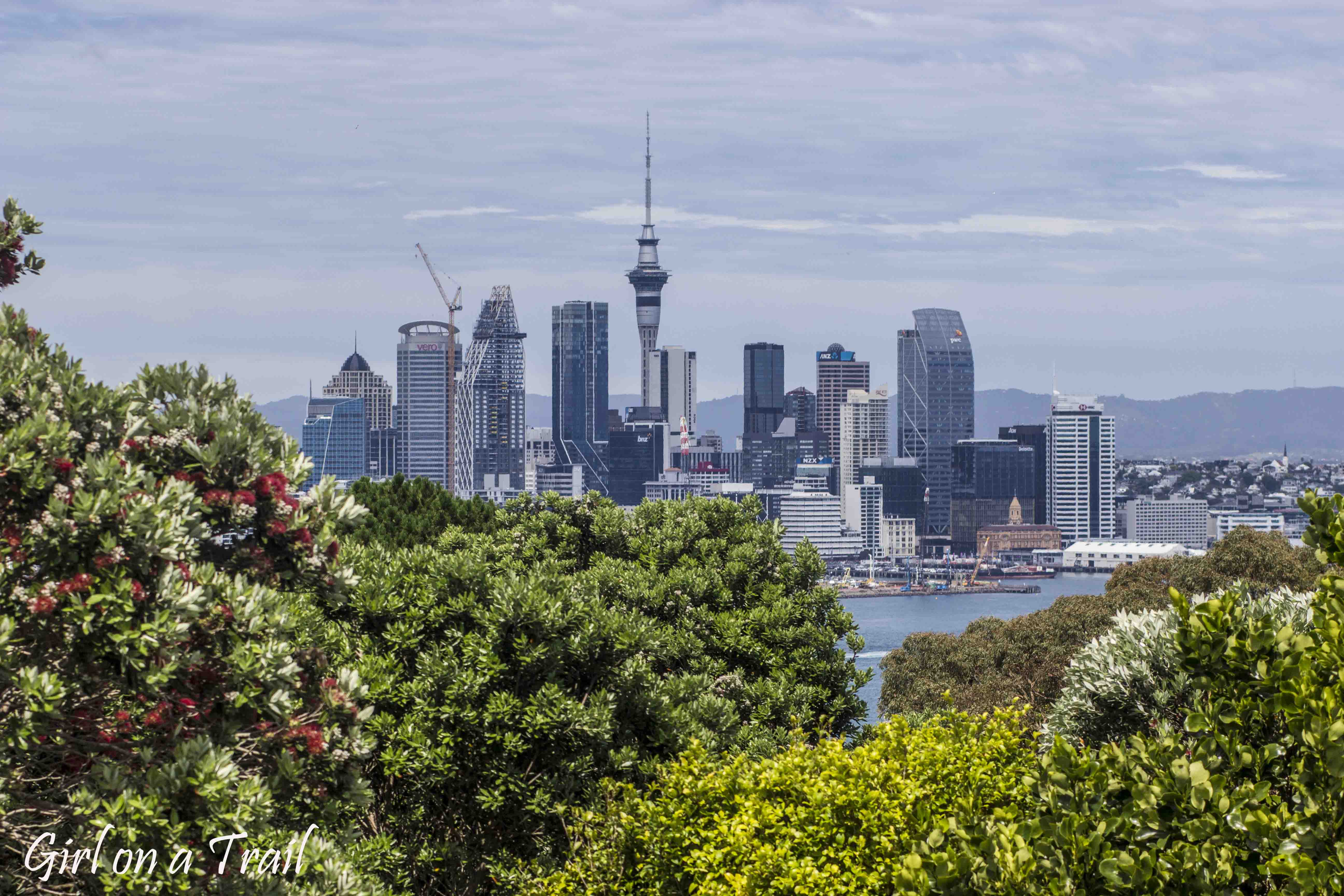
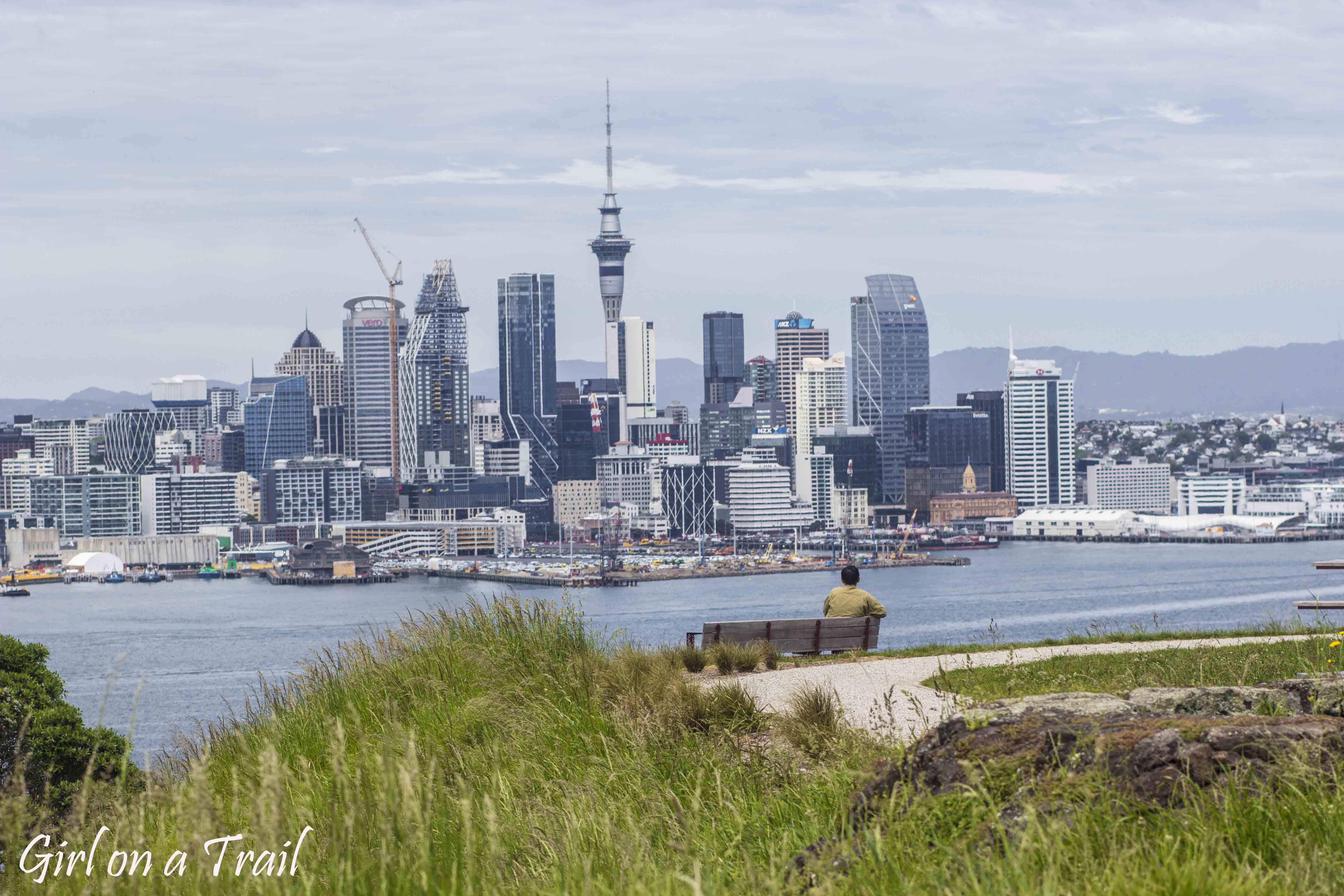
Right next to the ferry terminal rises Mount Victoria, an 87-metre volcanic cone. It may not sound impressive in terms of height, but the view from the top certainly is.
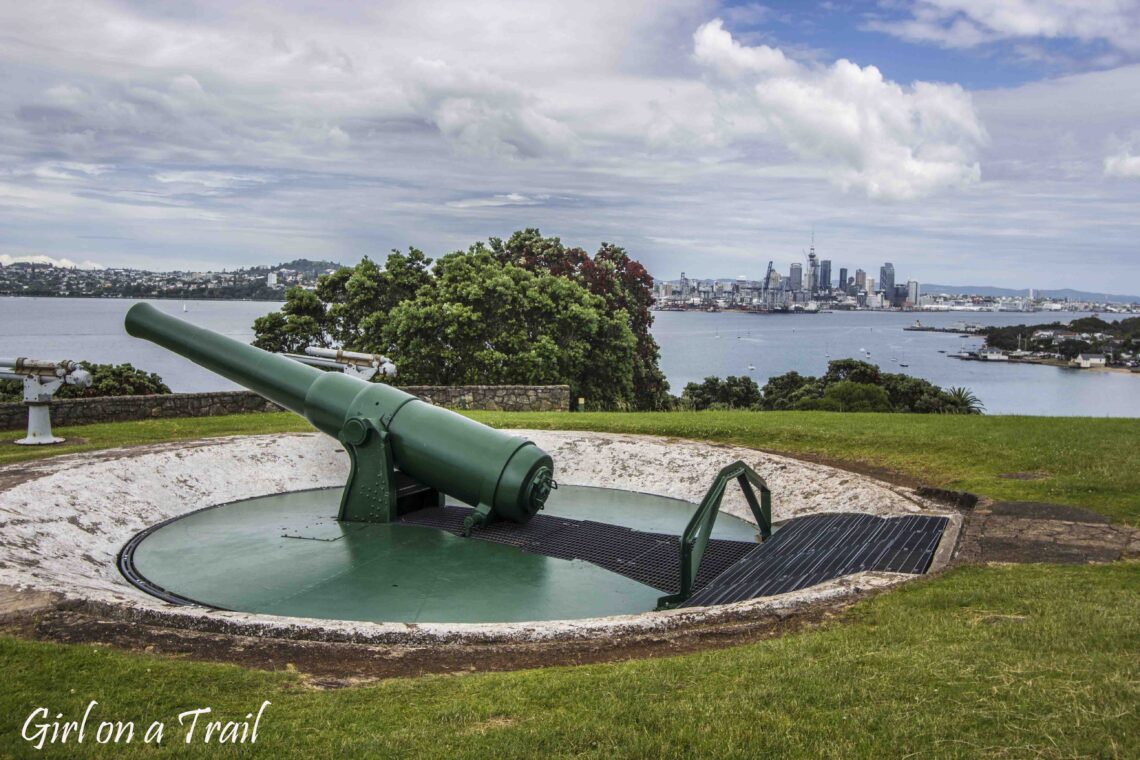
The strategic importance of this spot was recognised long ago. First, Māori built their pā (fortifications) here to control access to the harbour. Later, the British followed suit. In 1885, four three-ton guns were installed, and in 1898 a massive 8-inch Armstrong Elswick gun was placed on the summit on a so-called disappearing carriage.
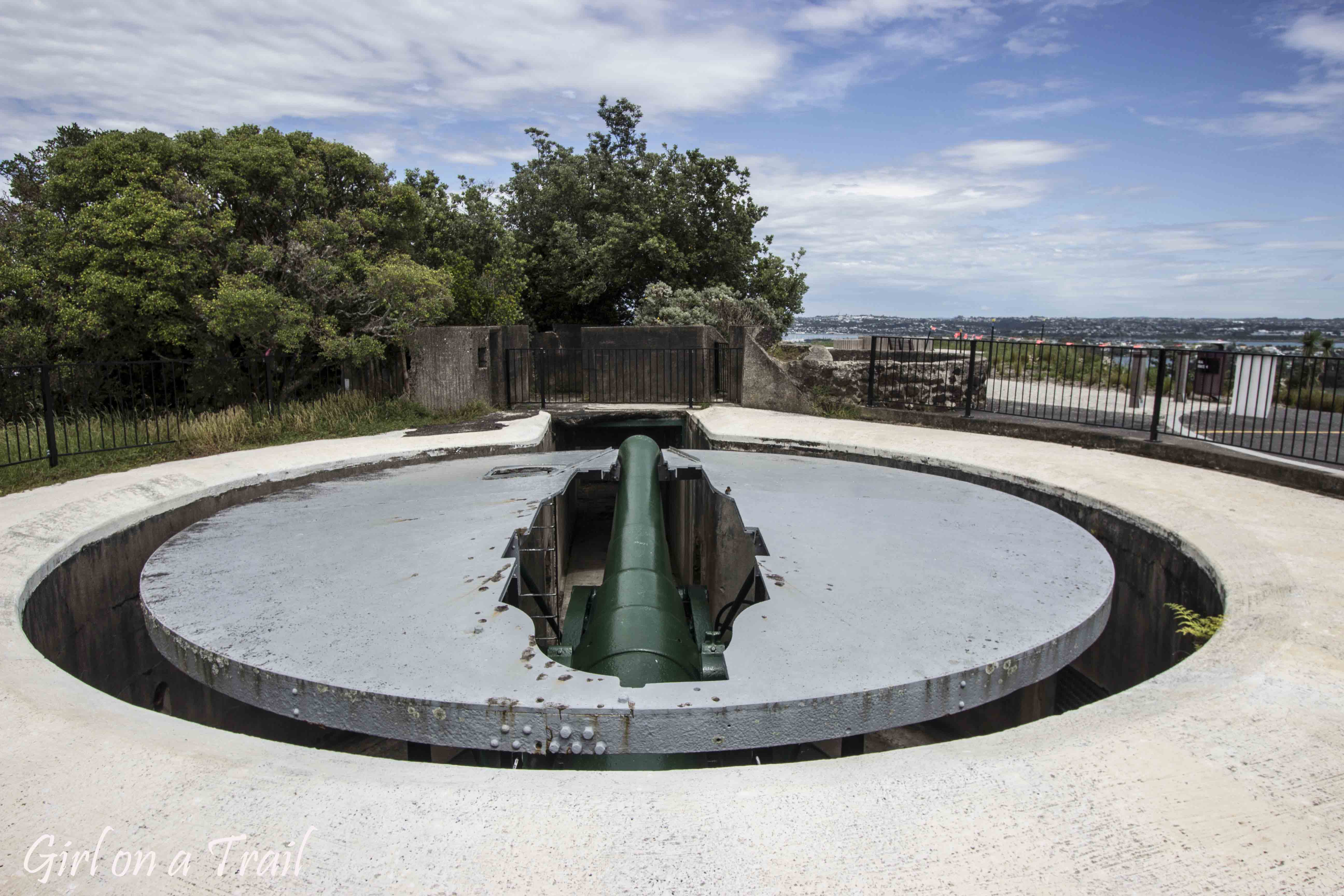
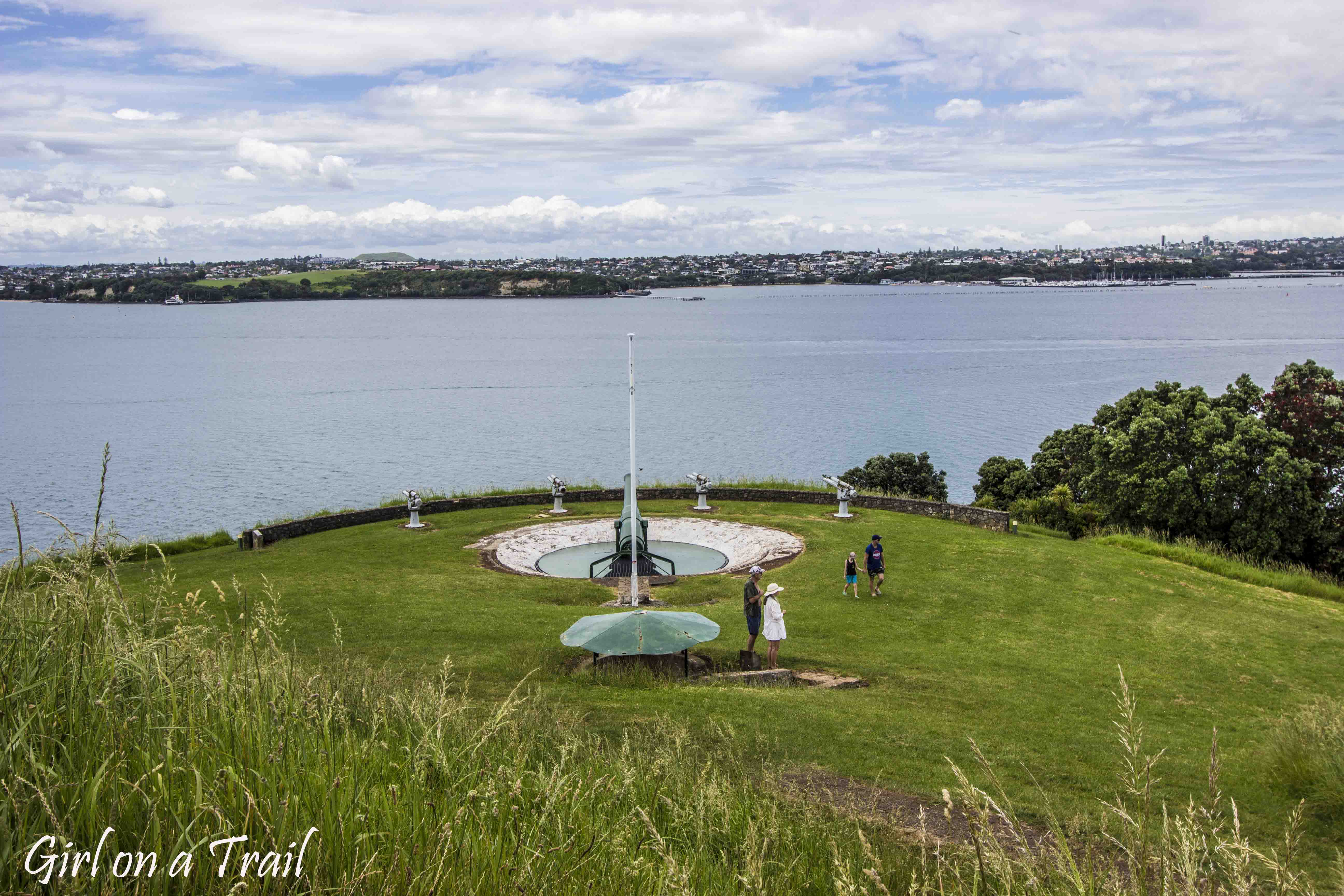
Thanks to a hydraulic platform, the barrel could retract into a concrete pit after each shot, protecting the crew from counterfire. The gun was fired only once – launching a shell weighing around 95 kg over a distance of 8 km. The reason it was never used again? Shattered windows and a very effective local residents’ protest. Today, the gun can still be seen on Mount Victoria in its original condition.
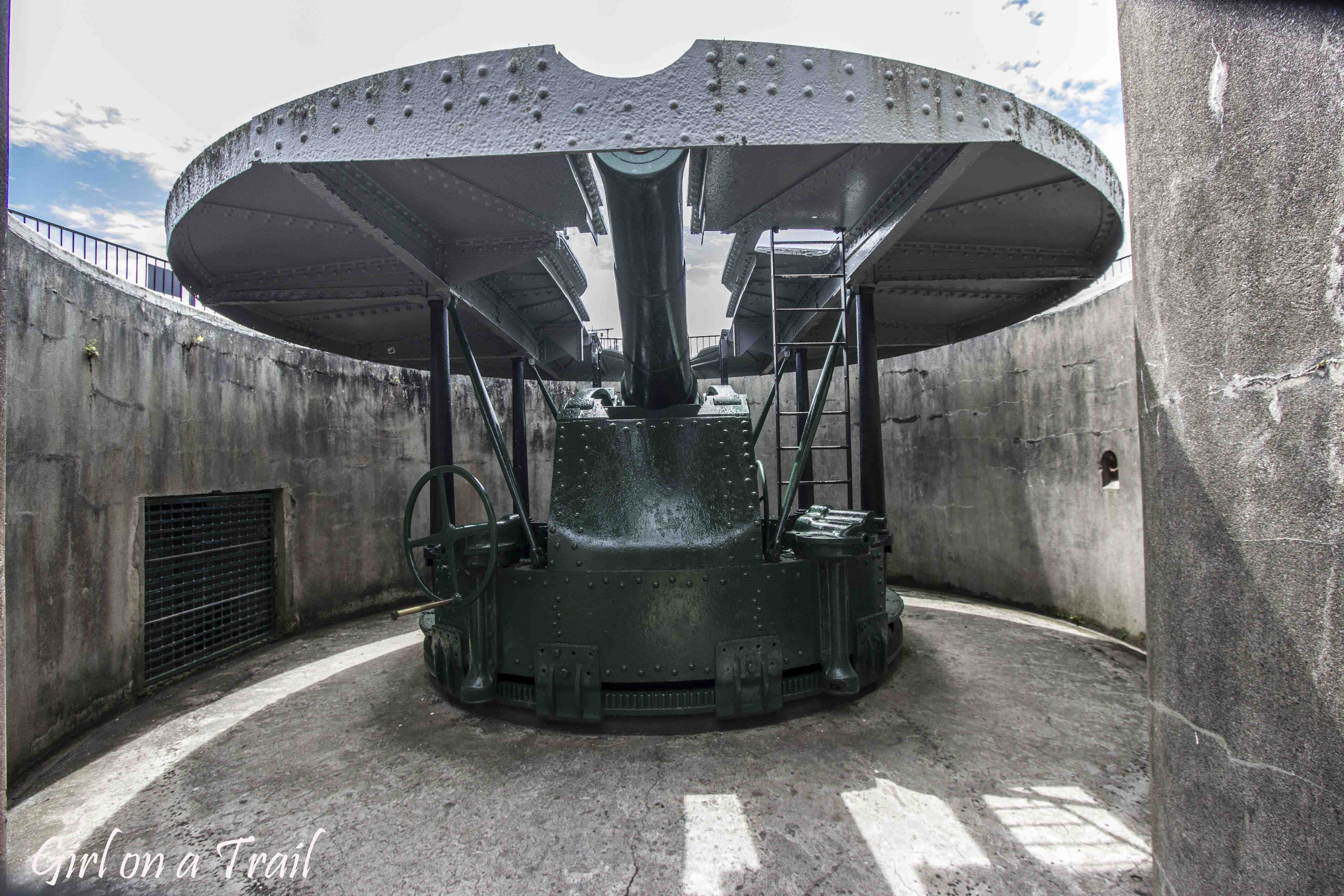
Nearby stood Fort Victoria, complete with a magazine, shelter and observation post, connected by telephone to other coastal defence fortifications. One of the bunkers now serves as a concert venue for a local band.
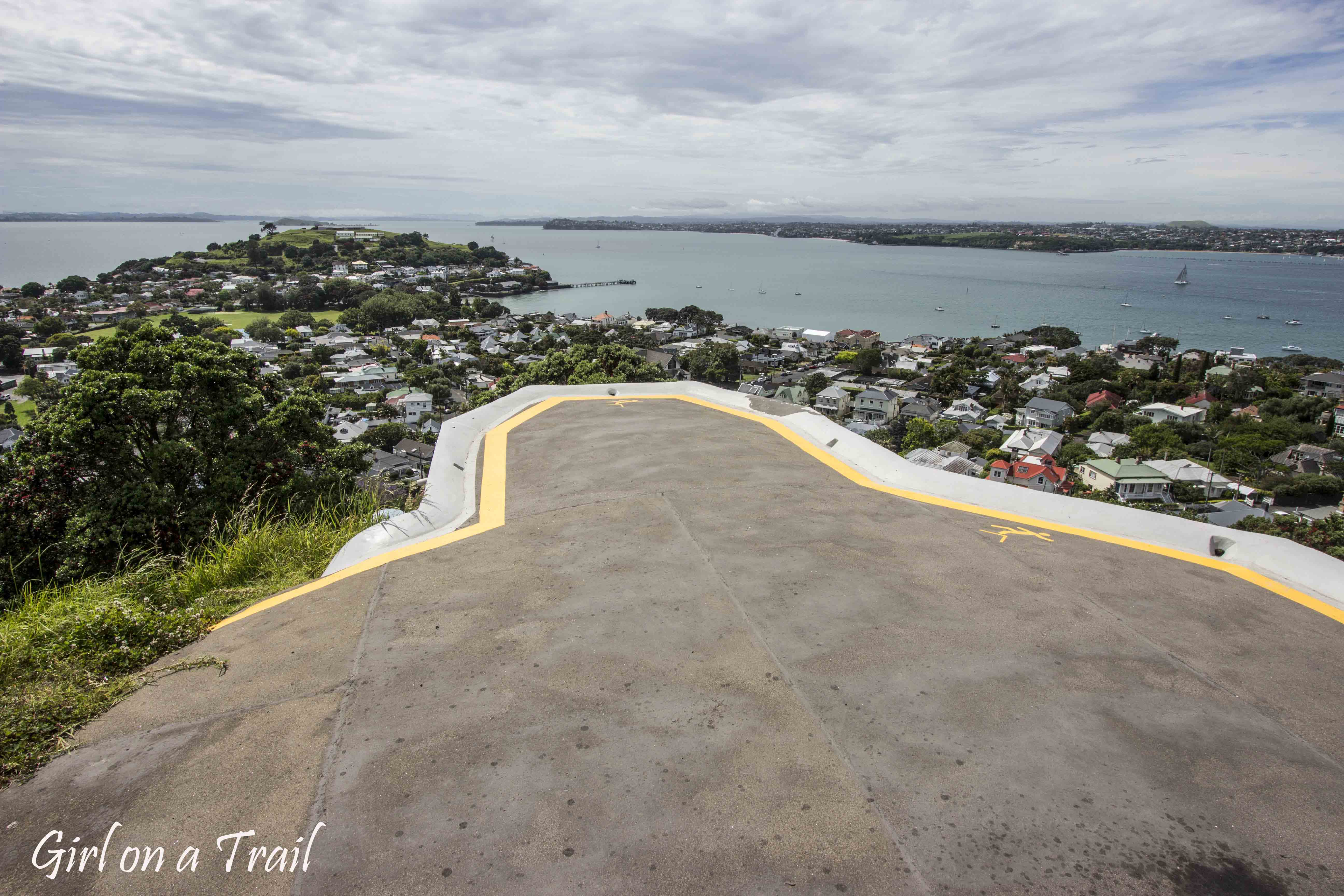
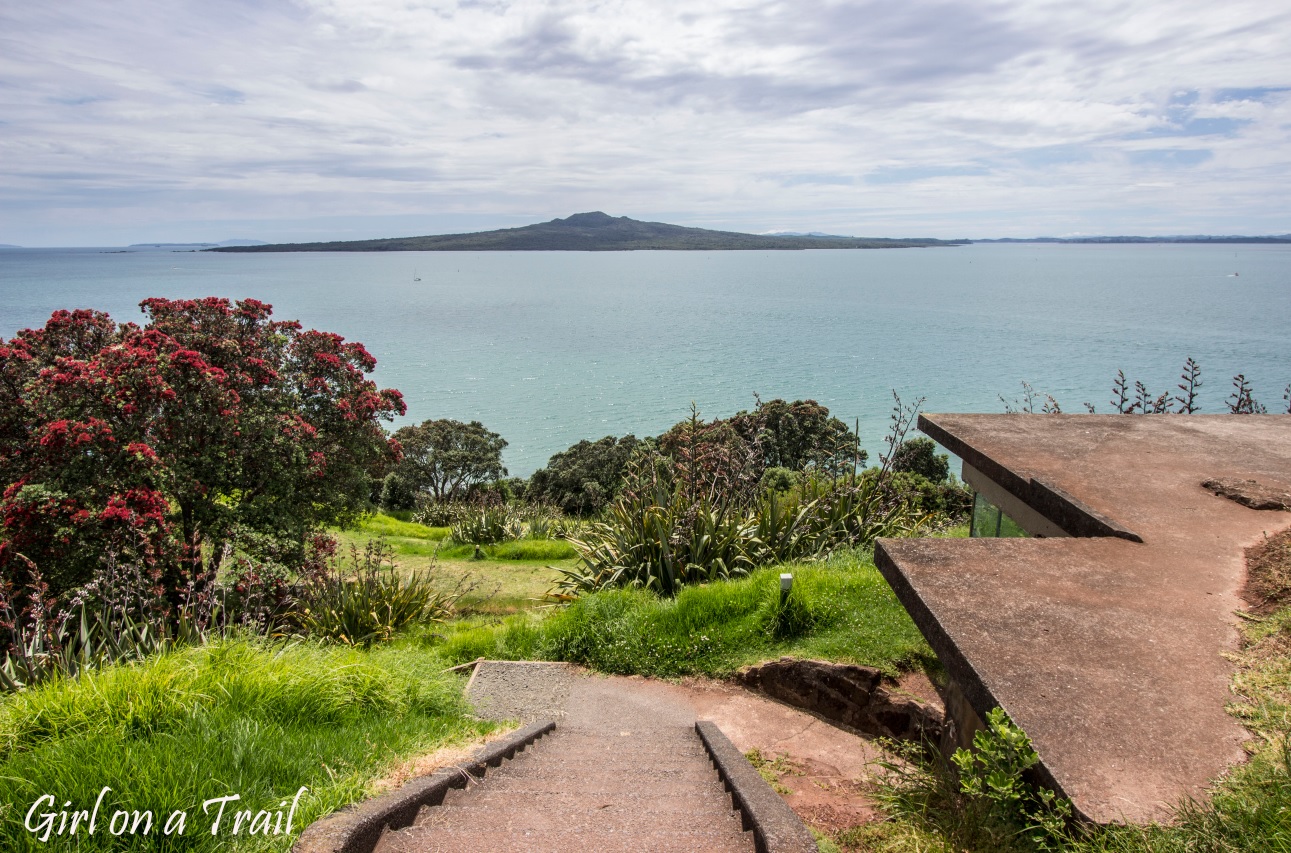
Mount Victoria is just the beginning. The real heavy artillery of Devonport can be found on the second extinct volcano, North Head (Maungauika). The climb alone explains why this spot was chosen for defence – the 360-degree views are spectacular.
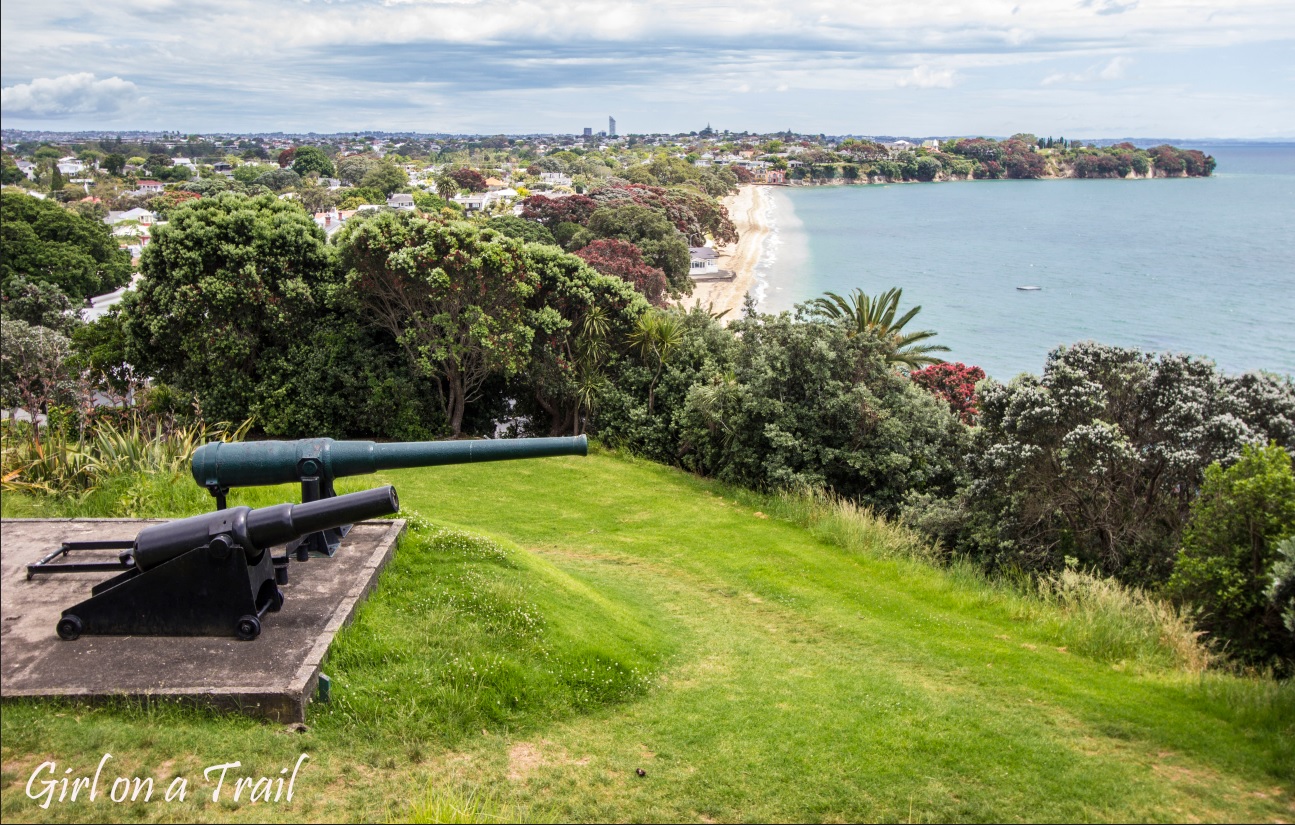
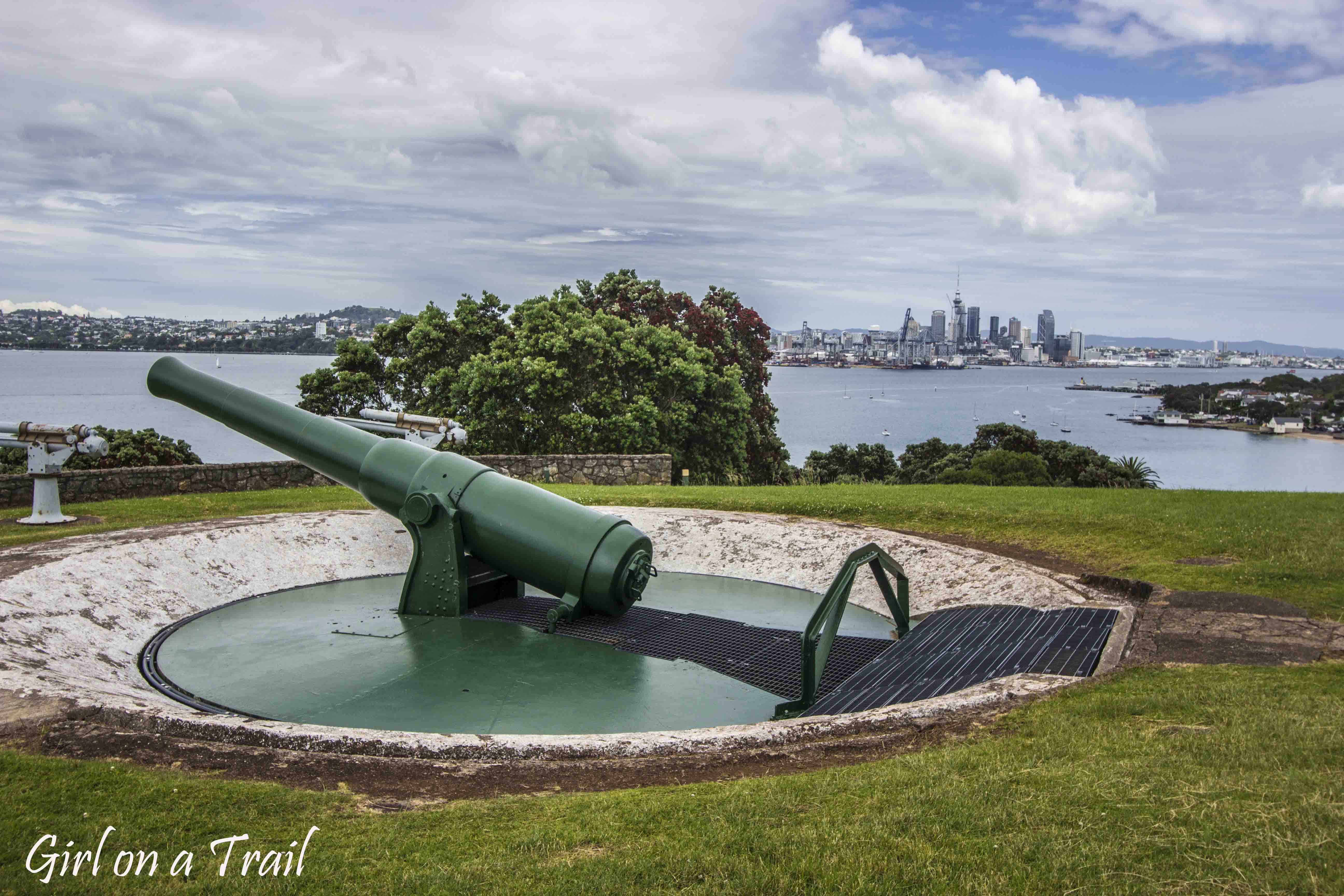
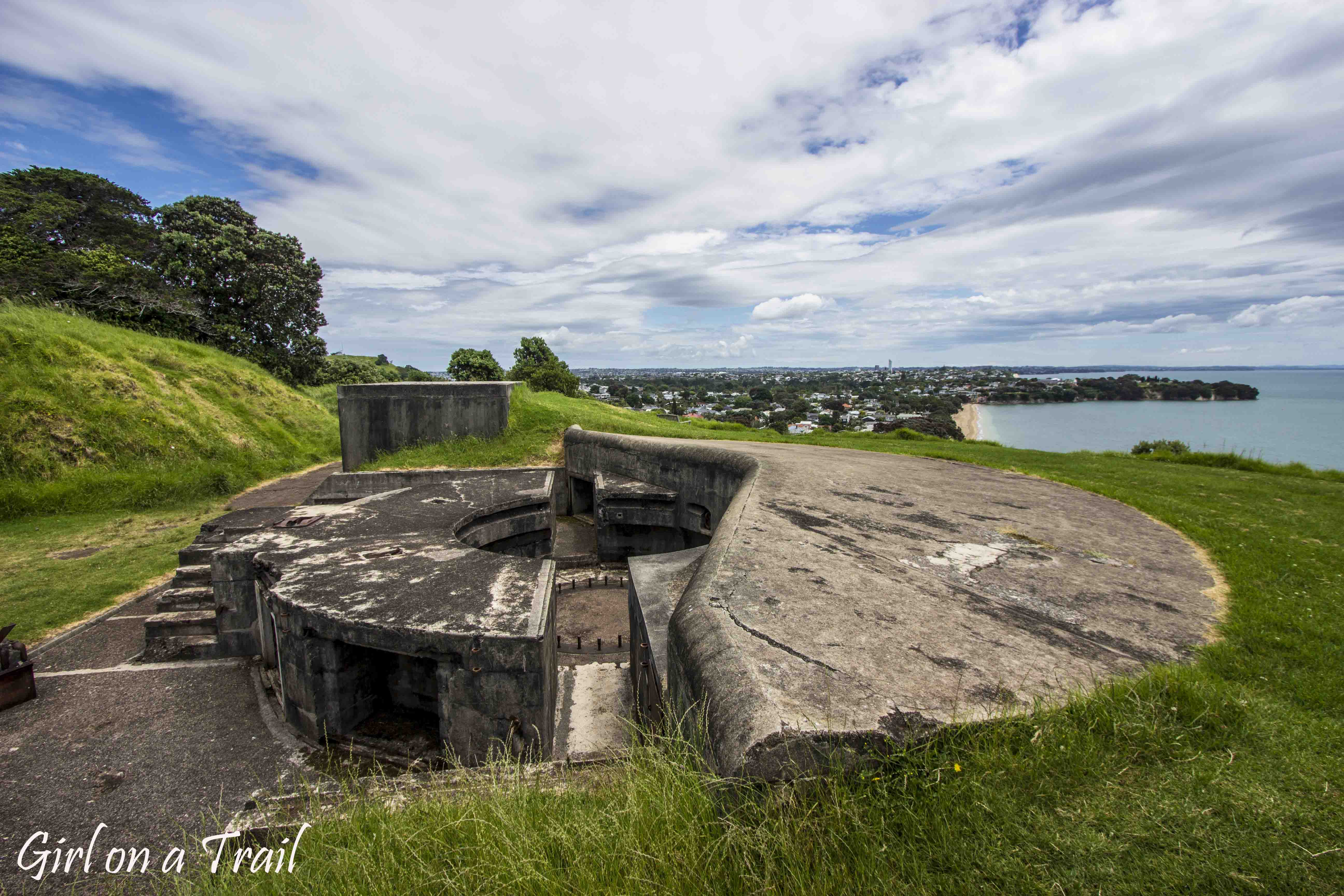
The fort on North Head, built in the late 19th century, was never used in combat. It was constructed as a result of… a fake news story from 1873. Reports of a Russian warship, the Kaskowiski, allegedly landing hundreds of soldiers in Waitematā Harbour caused widespread panic and exposed serious weaknesses in New Zealand’s coastal defences. The response was a new fort, complete with disappearing guns, tunnels and bunkers.
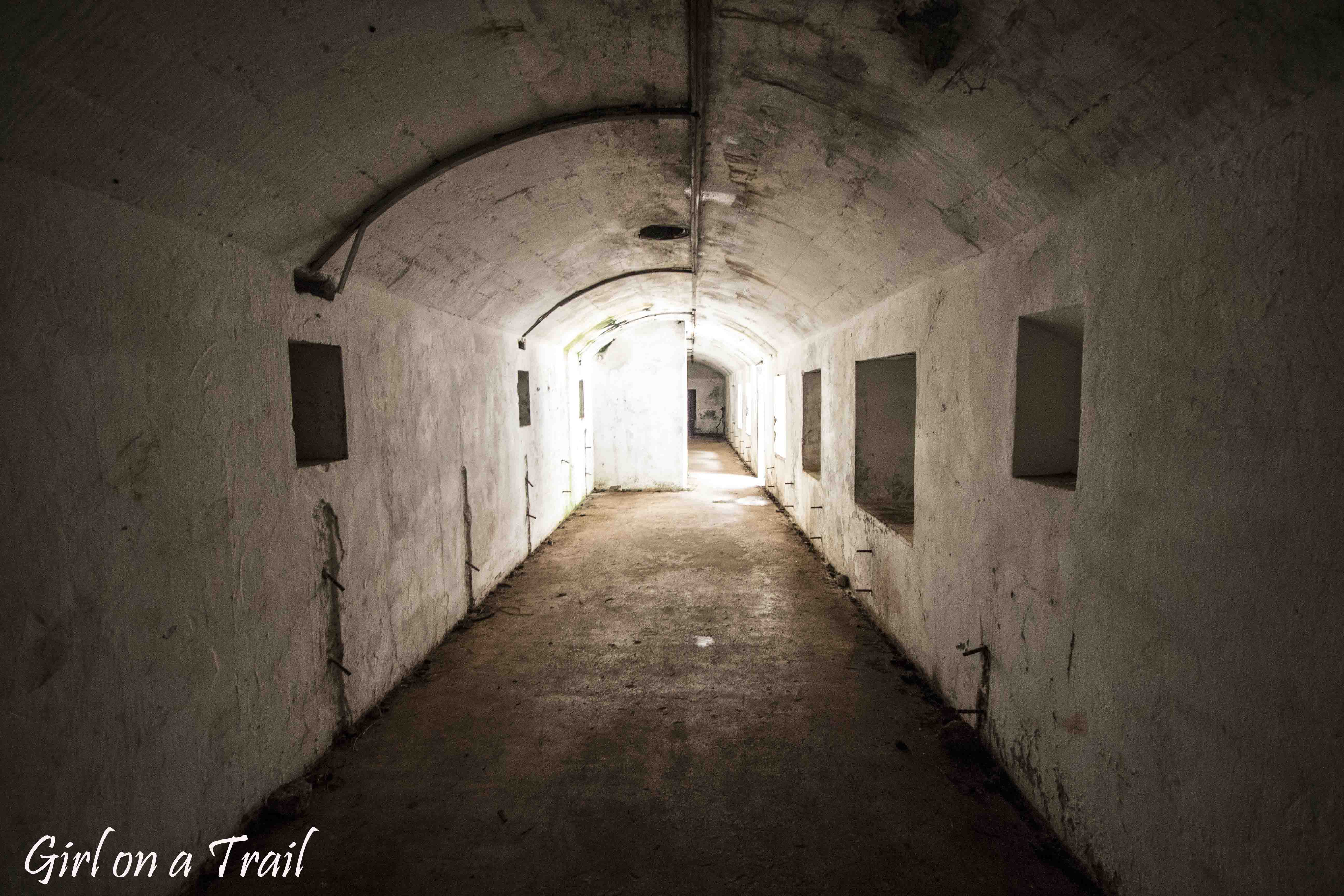
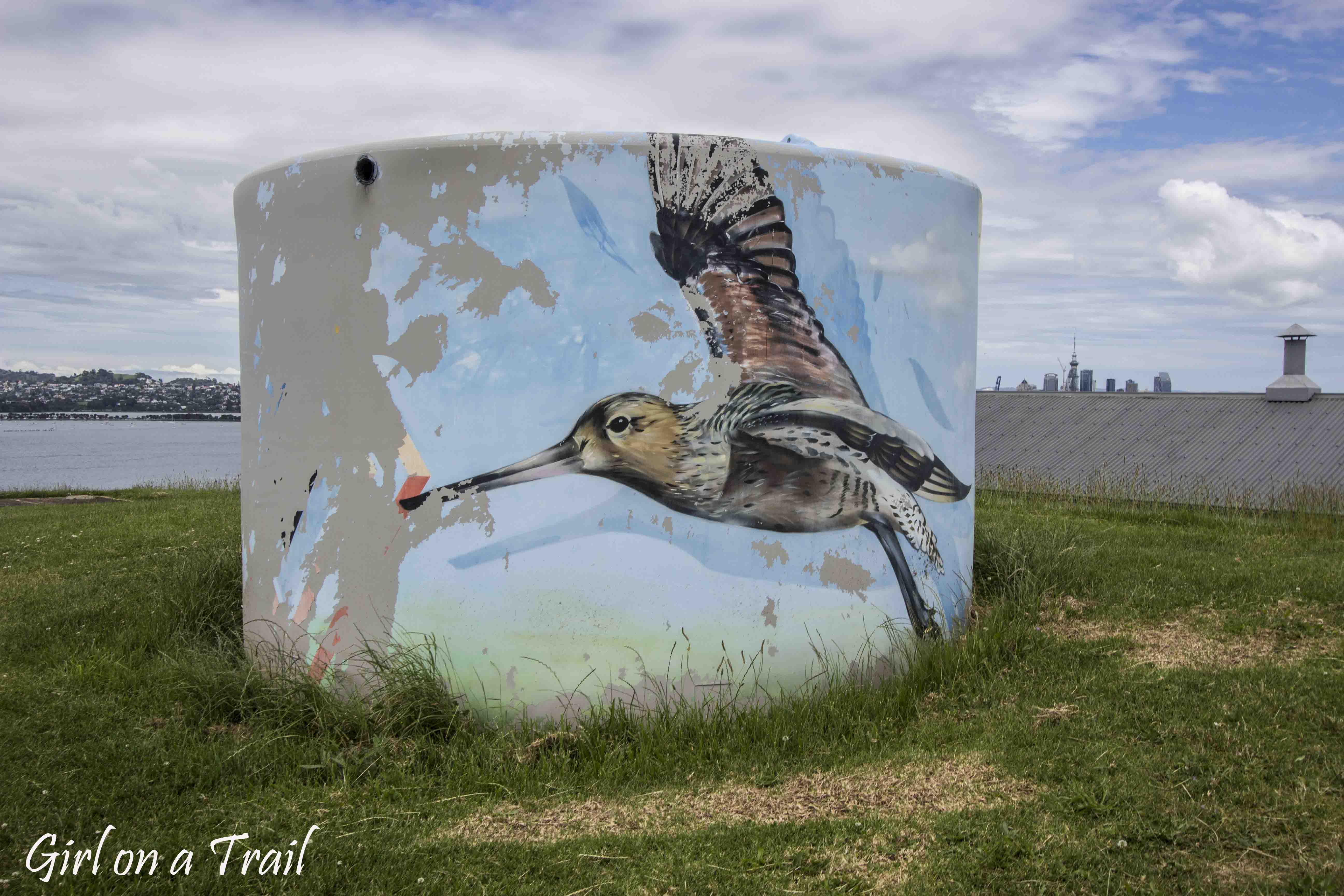
The defence system consisted of three artillery batteries: North Battery, aimed at the Rangitoto Channel; South Battery, guarding the inner harbour; and Summit (Cautley) Battery on the top of the hill. Walking around North Head, you can still see gun emplacements, observation posts with mural-covered walls, and wooden barracks from 1885, connected by tunnels to the Summit Battery.
Nearby, it’s worth visiting the Torpedo Bay Naval Museum, which explores the history of the Royal New Zealand Navy. The location itself is historically significant, as the site once formed part of Auckland’s defence system. The museum boasts one of the largest naval history collections in New Zealand. Admission details and current prices can be found on the museum’s website.
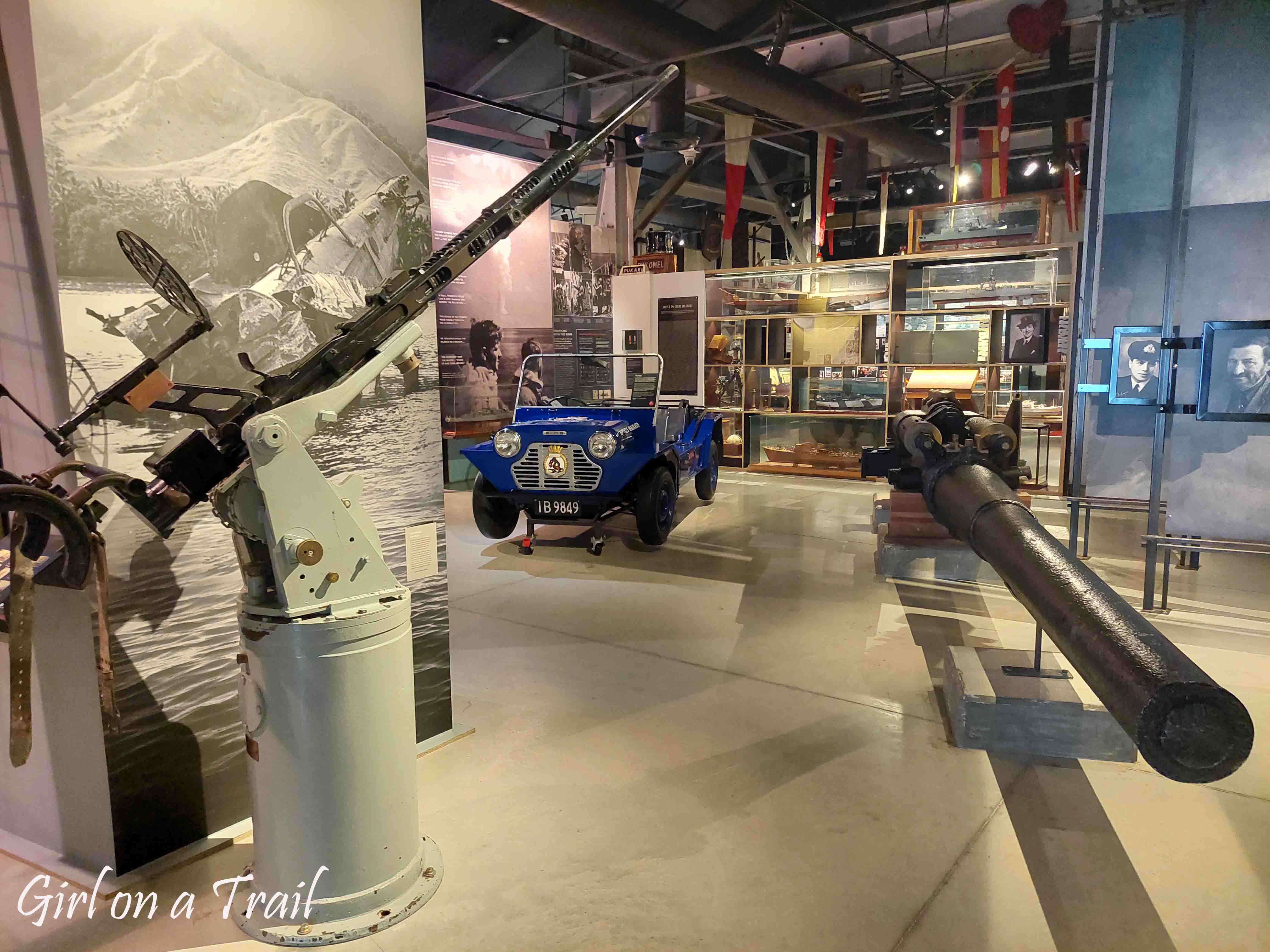
Devonport – practical information
Ferries between Auckland and Devonport run regularly, with a crossing time of around 10 minutes. Services depart from Pier 1, Ferry Terminal at 99 Quay St, with roughly 30 sailings throughout the day.
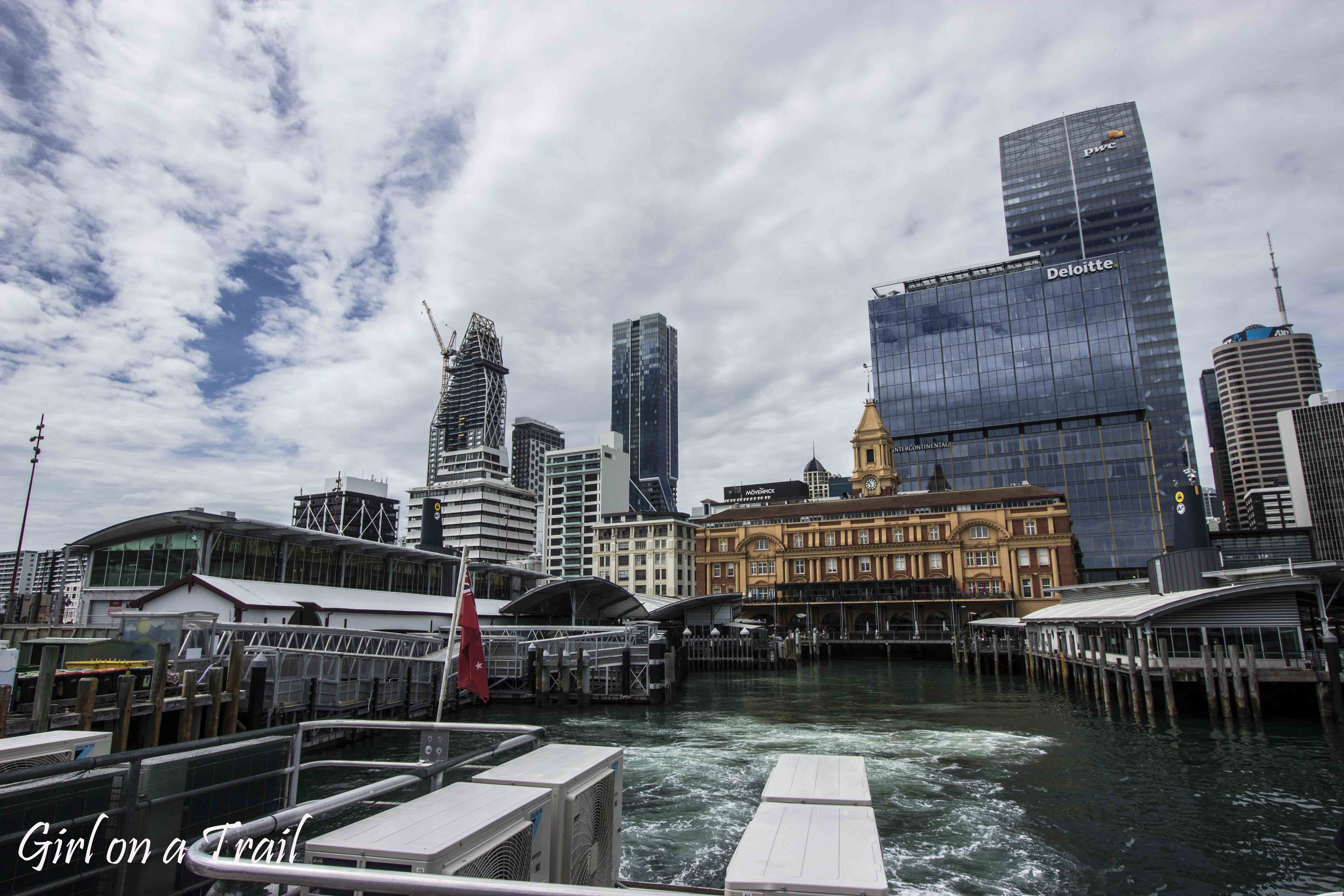
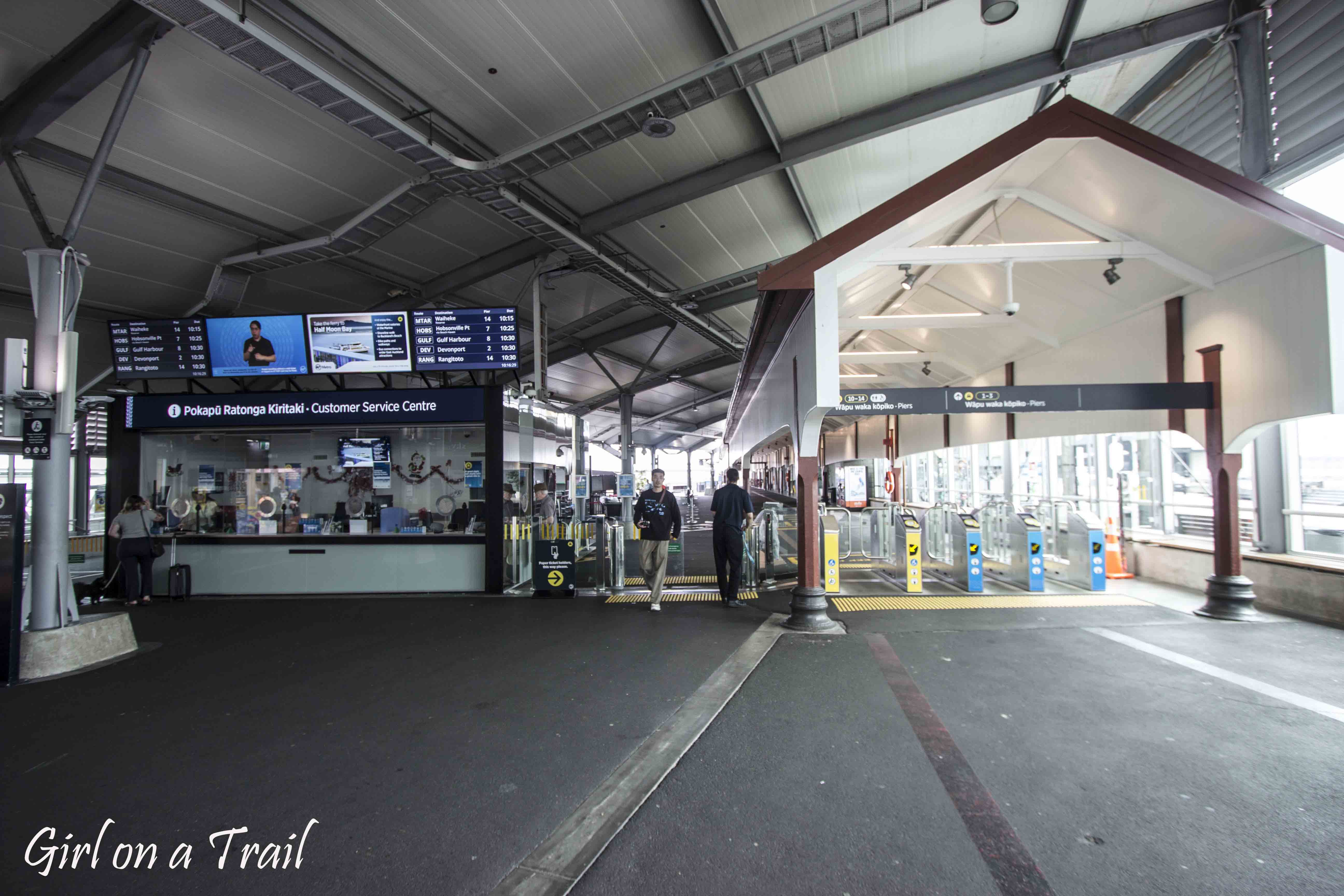
The easiest way to pay is with an AT HOP card or contactless payment (credit or debit card, Apple Pay, Google Pay or Samsung Pay). When boarding and exiting, remember to “tag on” and “tag off” using the same card or device. Paper tickets can also be purchased from ticket machines or at the customer service centre. Up-to-date fares and timetables are available on the Auckland Transport (Ferry Terminal – Downtown ↔ Devonport).


You May Also Like

Arthur’s Pass National Park: The Most Beautiful Route in New Zealand?
Auckland – a metropolis on a volcanic minefield
