Auckland – a metropolis on a volcanic minefield
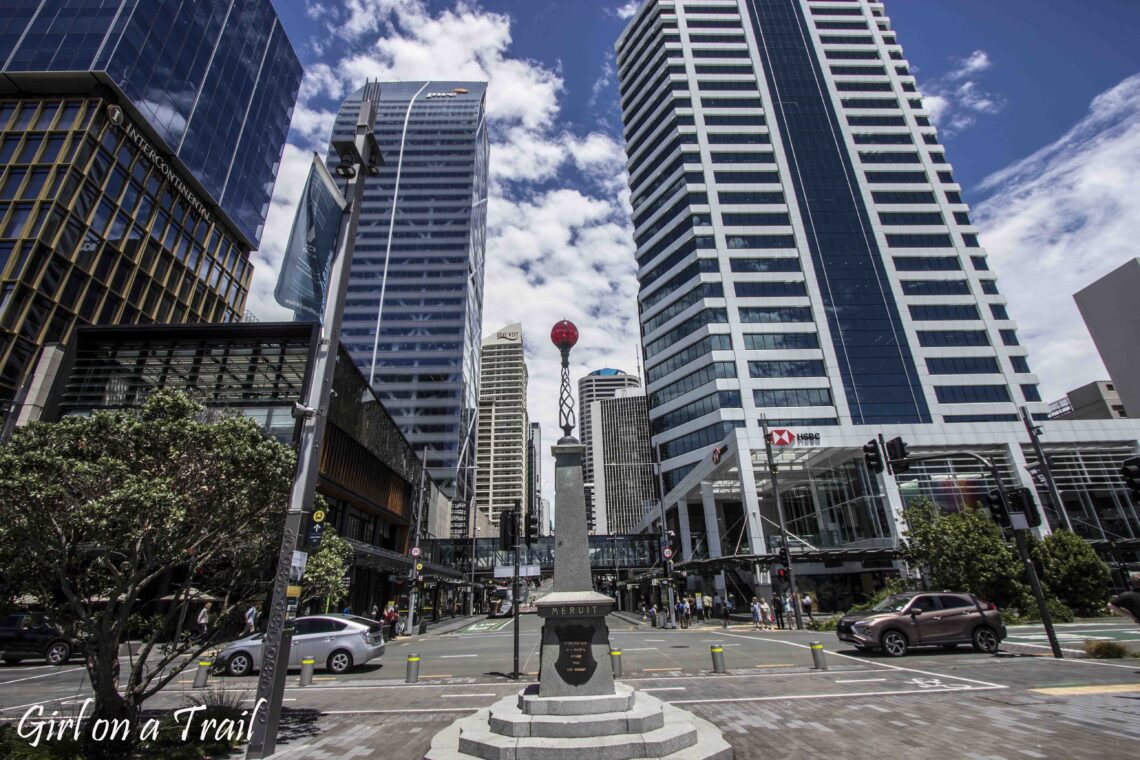
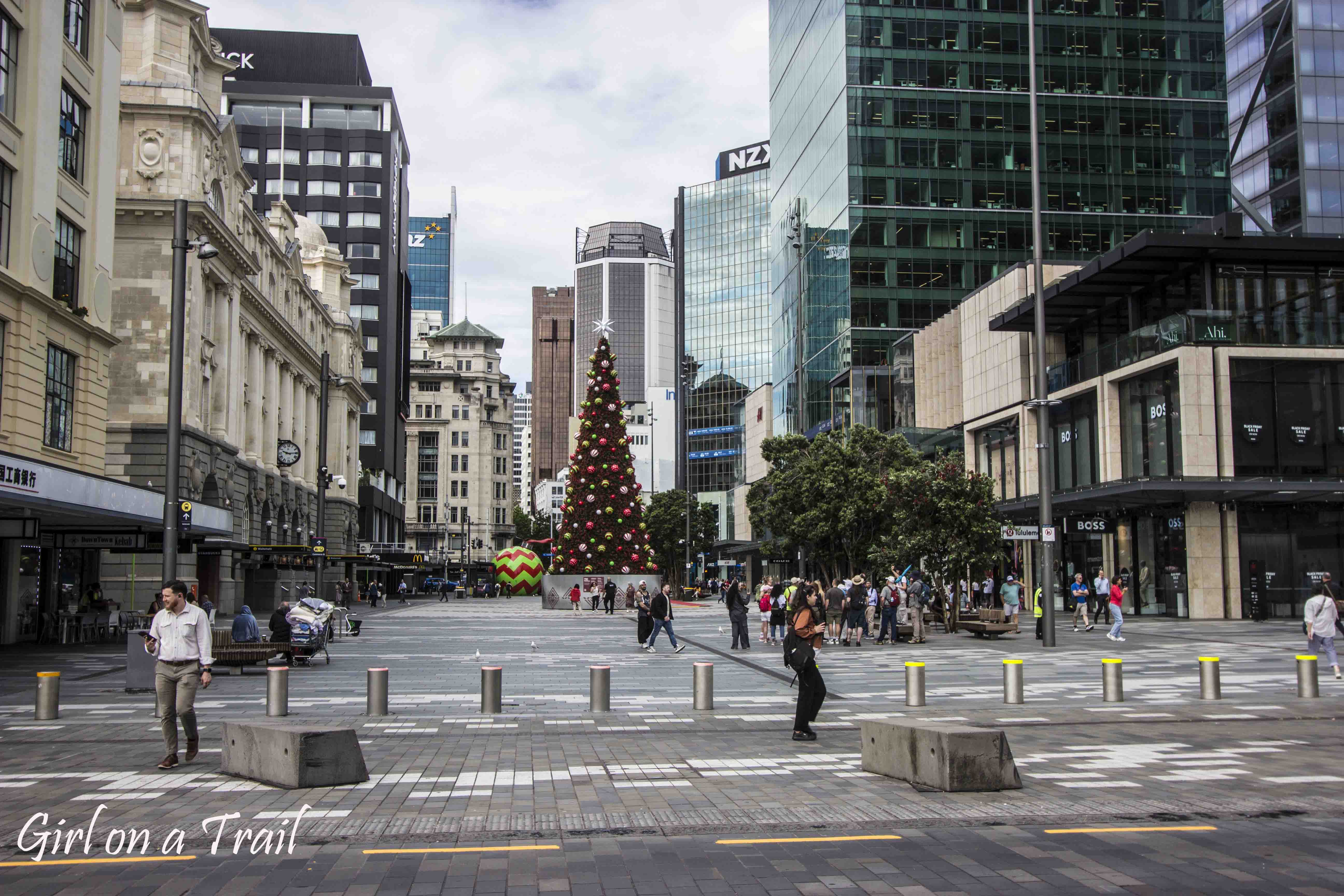
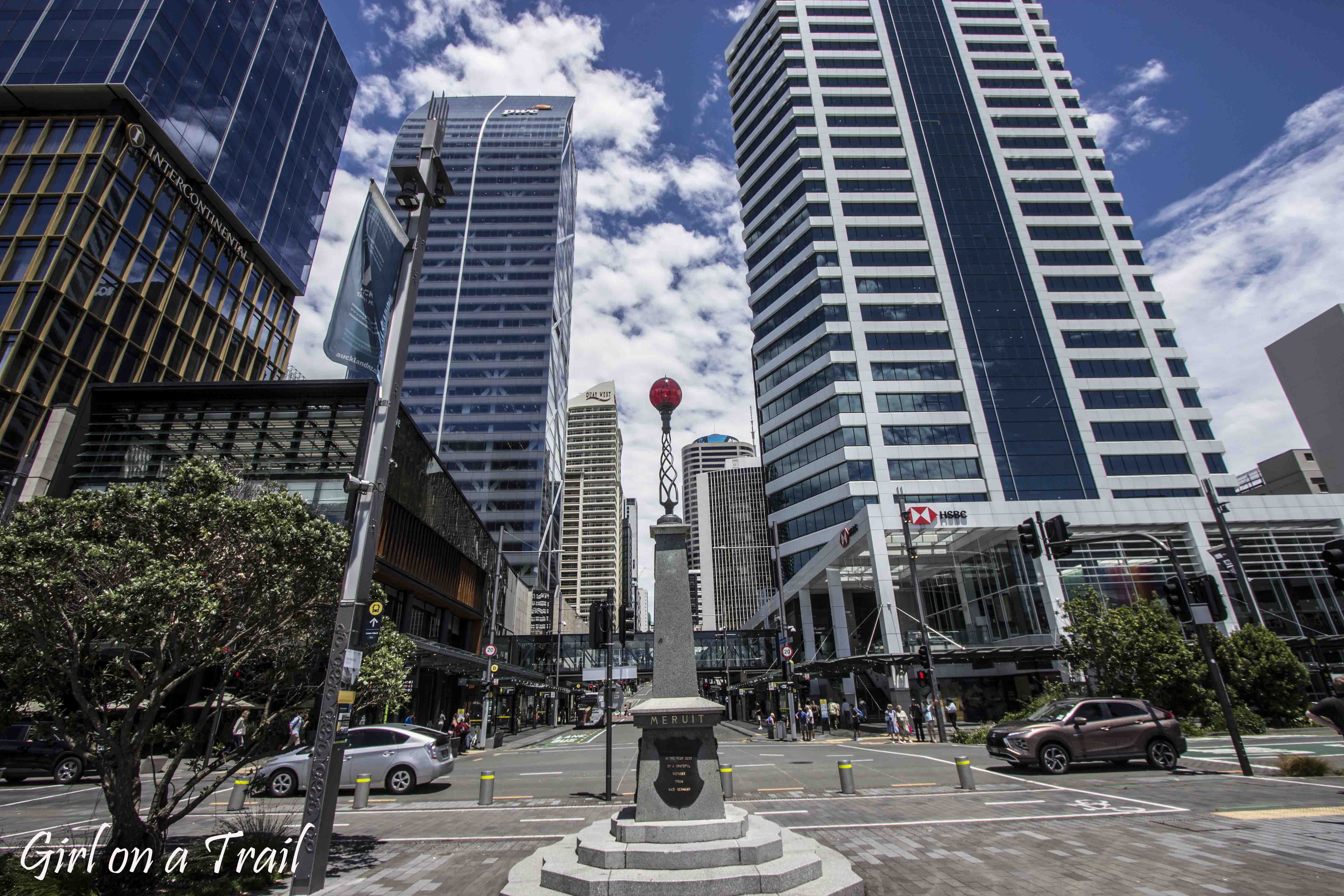
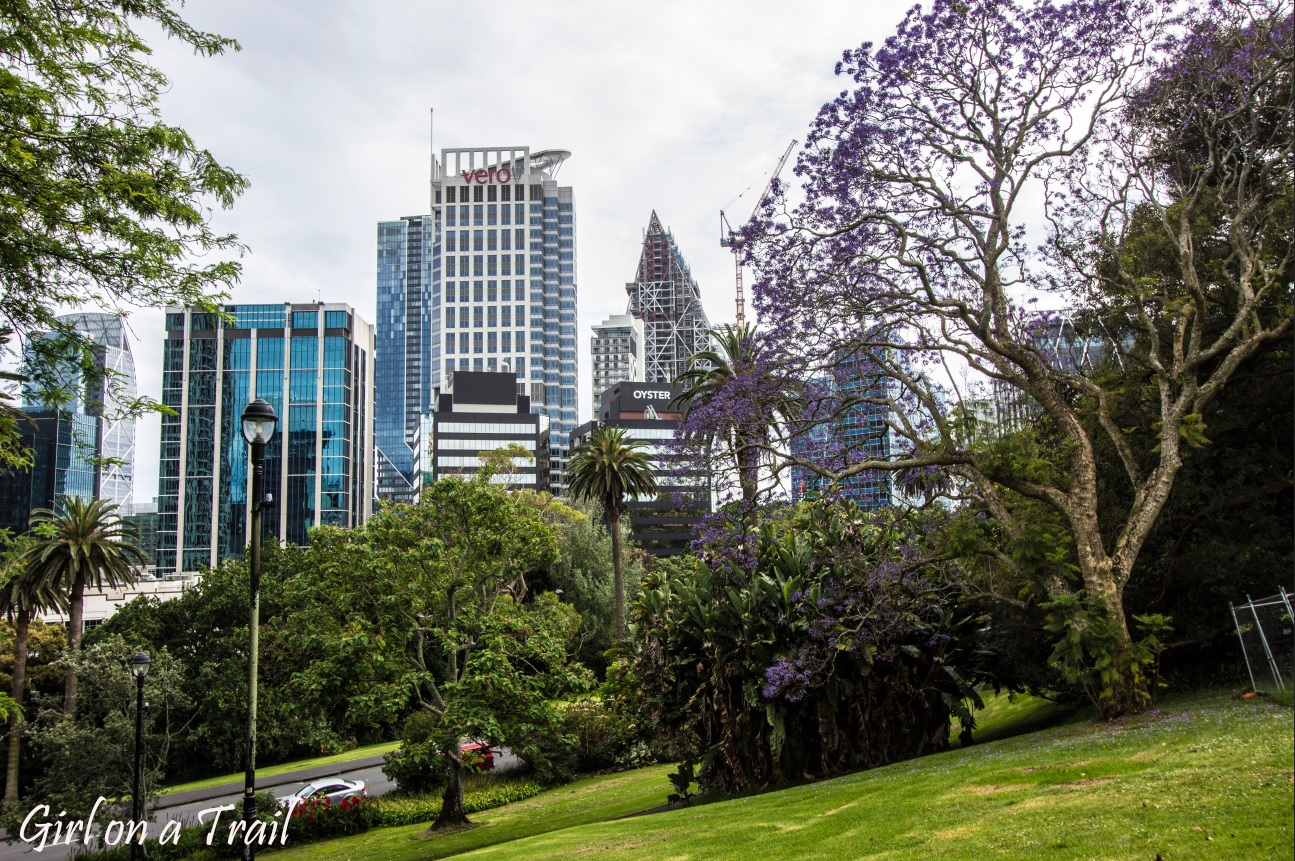
Auckland isn’t actually the capital of New Zealand, though it tries very hard to look like it is. Historically, it did hold that title between 1841 and 1865. Today, its modern business district, with towering skyscrapers and cosmopolitan cafés, still feels like the country’s command centre. The city regularly ranks high in quality-of-life surveys, because life here is simply good. Sure, it’s more expensive than other parts of New Zealand, but that clearly doesn’t put anyone off, least of all tourists.
Auckland can boast a pretty unique setting. It sits on the Auckland Volcanic Field, a volcanic area made up of roughly 50–53 volcanoes. They’re all dormant now, but the field as a whole is still considered active. What could have been a drawback, the city has turned into a feature. Many of these volcanoes have been converted into parks and viewpoints. The locals have a wonderfully pragmatic approach, if you’re going to live on a volcanic minefield, at least make sure it comes with a nice view.
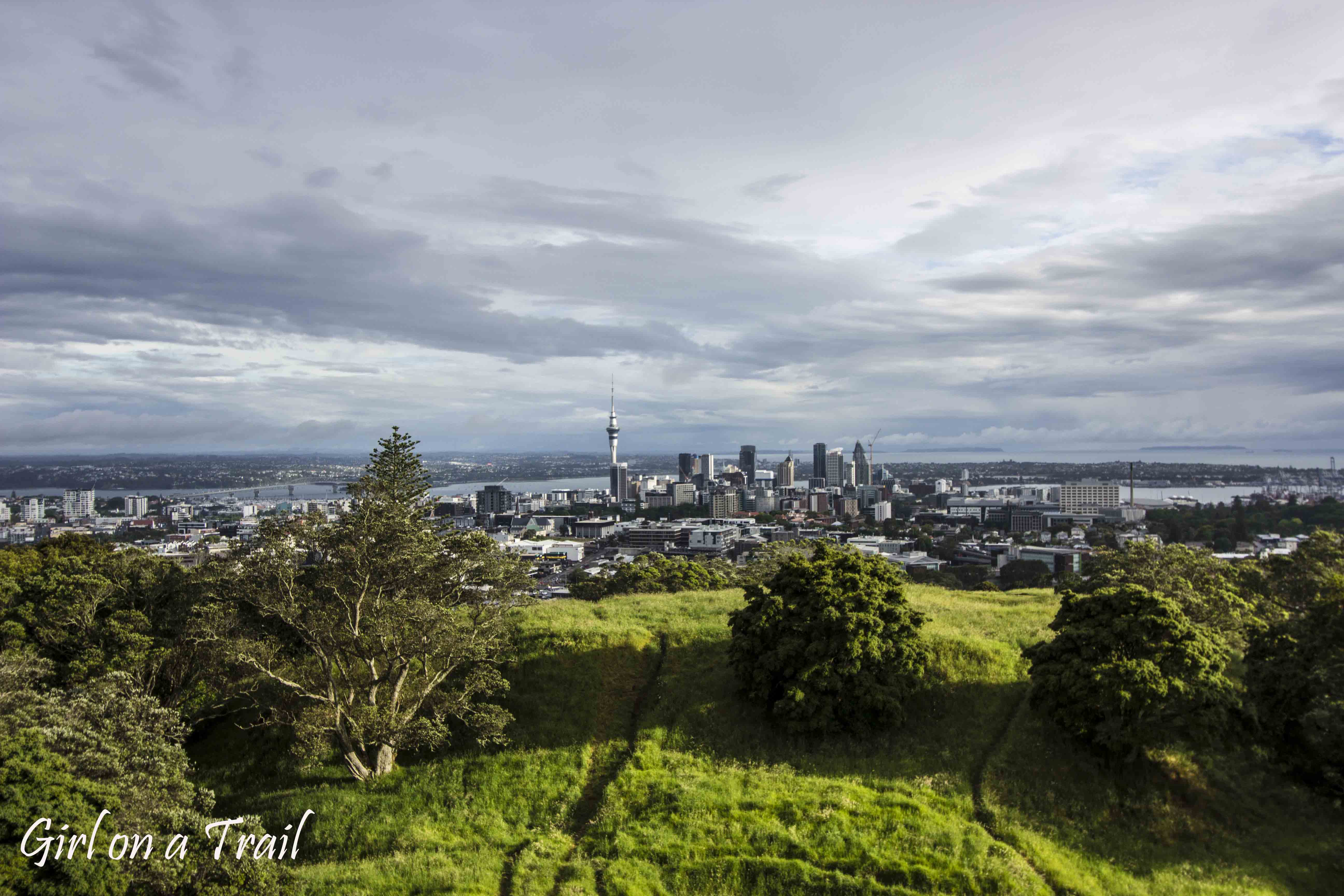
I started my day at Mt Eden, or Maungawhau – the highest point in the city and one of the most photogenic spots in Auckland. It’s a dormant volcano, 196 metres tall, whose last eruption was around 28,000 years ago. At the top sits a massive bowl-shaped crater, about 50 metres deep. A short walk up is rewarded with panoramic views of the entire city, its ports, bays, and other volcanoes. It’s worth remembering that the crater is a sacred site for Māori, so you shouldn’t stray from the marked paths.
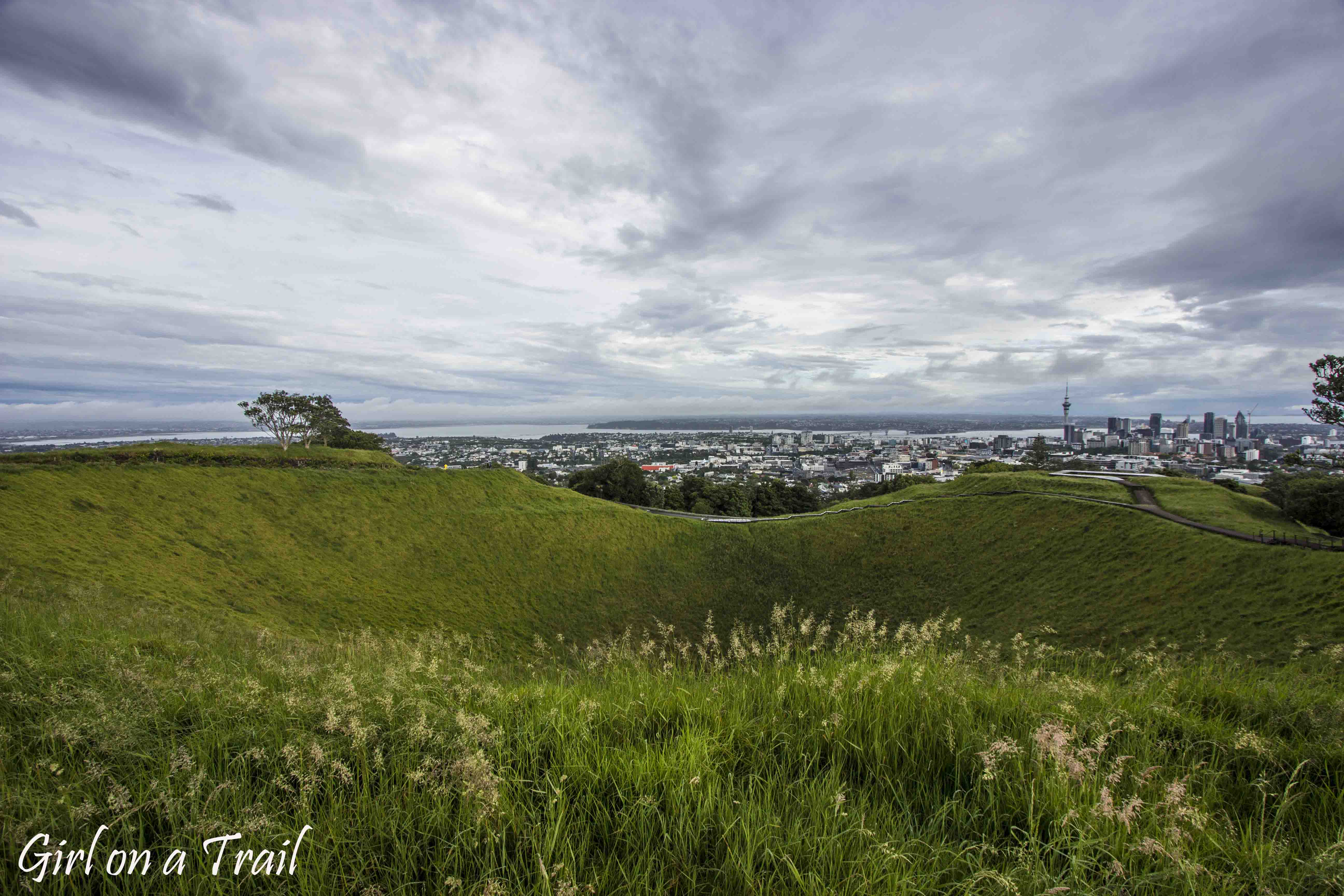
Mt Eden’s history has another, rather unexpected twist. The stone viewing platform at the summit was built in the 19th century with the help of… an elephant. At the time, the volcano’s slopes were heavily quarried, and the basalt extracted was used to build houses, Mt Eden Prison, and the platform itself. Māori workers and prisoners laboured here but one of the workers was also an elephant called Tom. Tom came to New Zealand as a gift for Prince Alfred, Queen Victoria’s son because, back in the 19th century, if you couldn’t think of a present for an aristocrat, you just gave them an elephant (and this one wasn’t a white elephant). During the sea voyage, he carried tonnes of coal, and upon arriving in Auckland, his strength was put to work hauling heavy blocks of stone up the slopes of Mt Eden. For his efforts, he was paid in sweets and beer, because health and safety, animal welfare, and common sense were treated rather loosely back then. Tom didn’t stay in New Zealand permanently; he ended up in Europe, and his remains can now be seen at Trinity College Museum in Dublin. The platform, meanwhile, still stands and continues to offer one of the best views in the city.
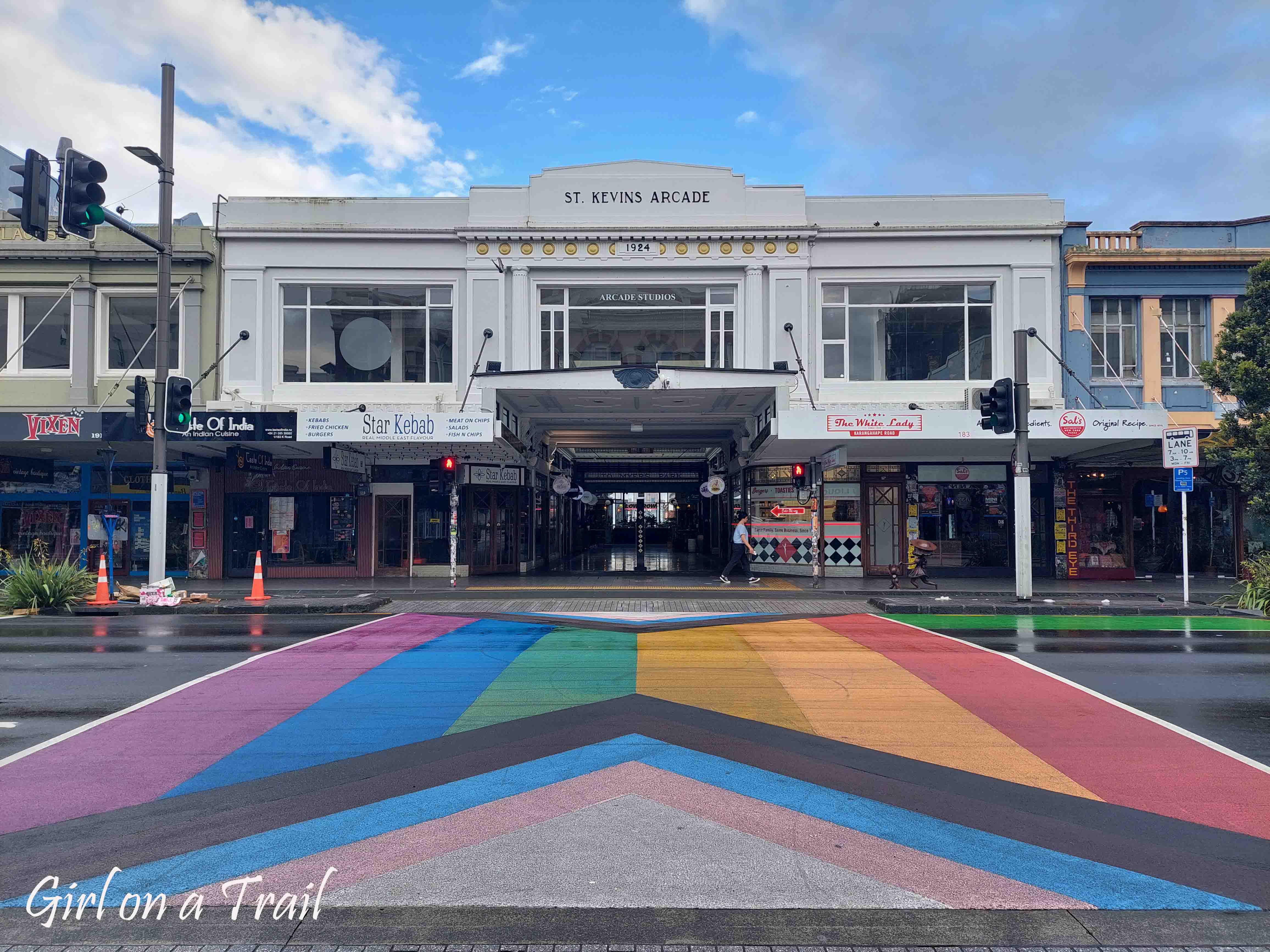
From Mt Eden, I headed towards Karangahape Road, known to everyone as K’ Road. It’s one of those streets that doesn’t pretend to be all metropolitan chic. It’s packed with cafés that definitely don’t shut when the bedtime story ends. K’ Road is famous for simply being alive loud, diverse, and without pretence. It’s a bit arty, a bit rebellious, but never boring.
Next up was Albert Park, one of the oldest parks in Auckland, established in the 19th century. It sits on a volcanic hill right in the heart of the city, and you can still see the massive trees that remember the park’s early days. The grounds include gardens and the Auckland Art Gallery, but what you can’t see at first glance lies underground. Beneath the park is a network of World War II-era tunnels, built as air-raid shelters. They’re closed today, but knowing they exist gives a whole new perspective on the place.
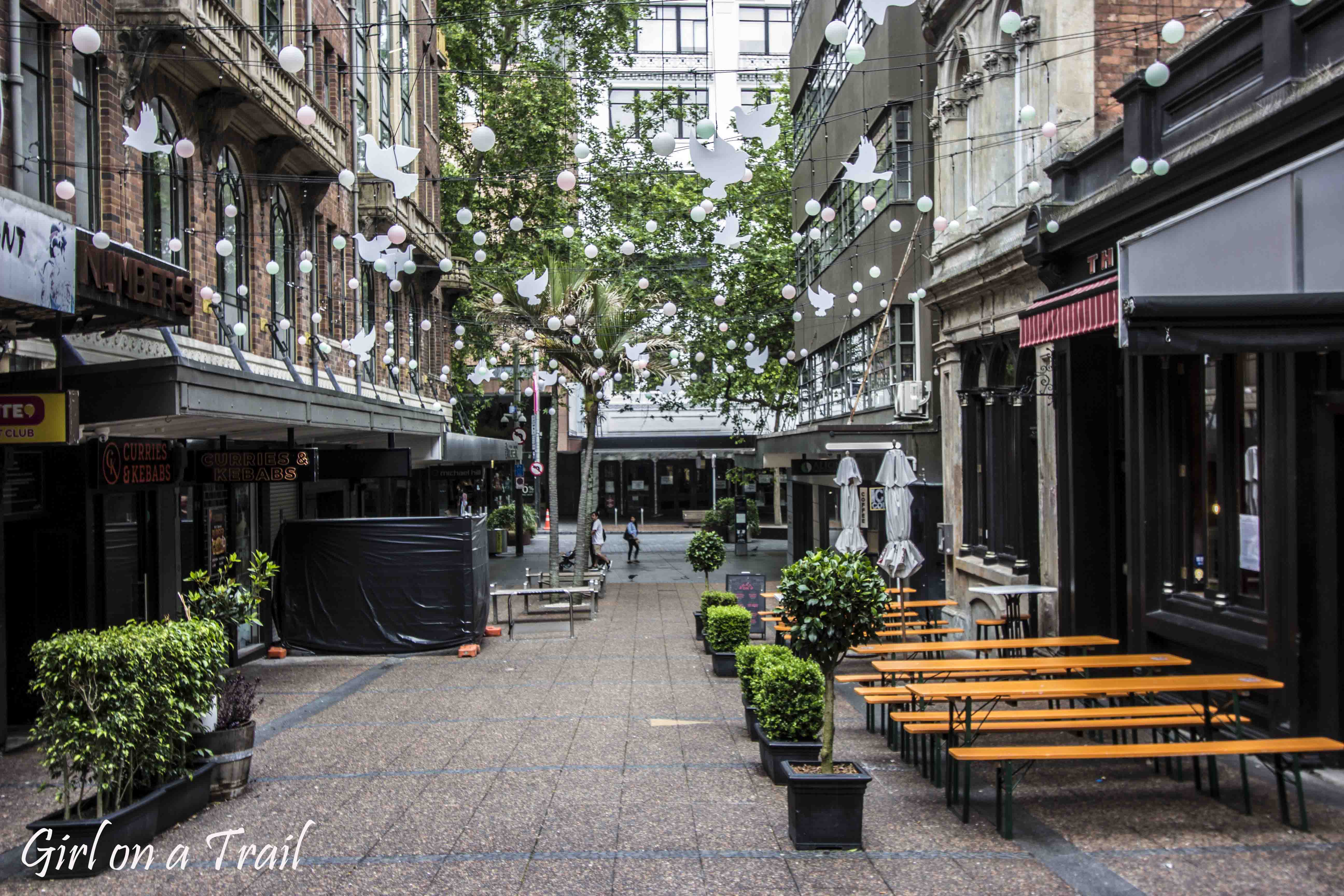
From there, I walked to High Street. It’s the sort of place where you can shop, grab a good coffee, have dinner, or just sit with a glass of wine. Vulcan Lane, a narrow alley between the main streets lined with cafés, is particularly charming.
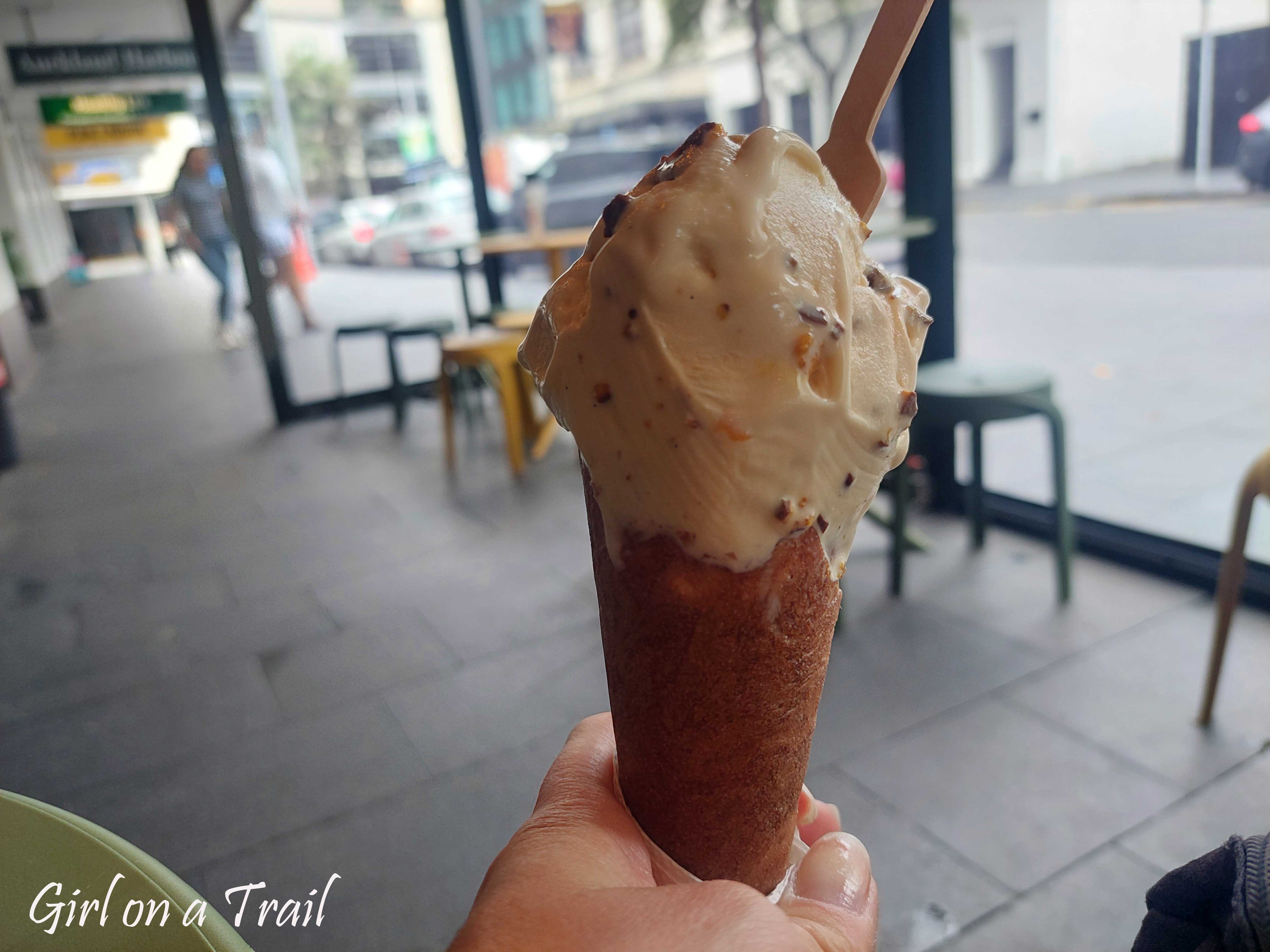
While in the area, it’s worth popping into Giapo – the cult ice cream shop. They serve a Kiwi classic: Hokey Pokey, vanilla ice cream studded with chunks of toffee.
Just nearby is Viaduct Harbour, a waterfront district full of restaurants, bars, and cafés overlooking the marina. Auckland is often called the “City of Sails”, with over 135,000 registered yachts and boats, and the Waitematā Harbour and Hauraki Gulf sometimes look like a giant parking lot for people who don’t entirely trust life on land.
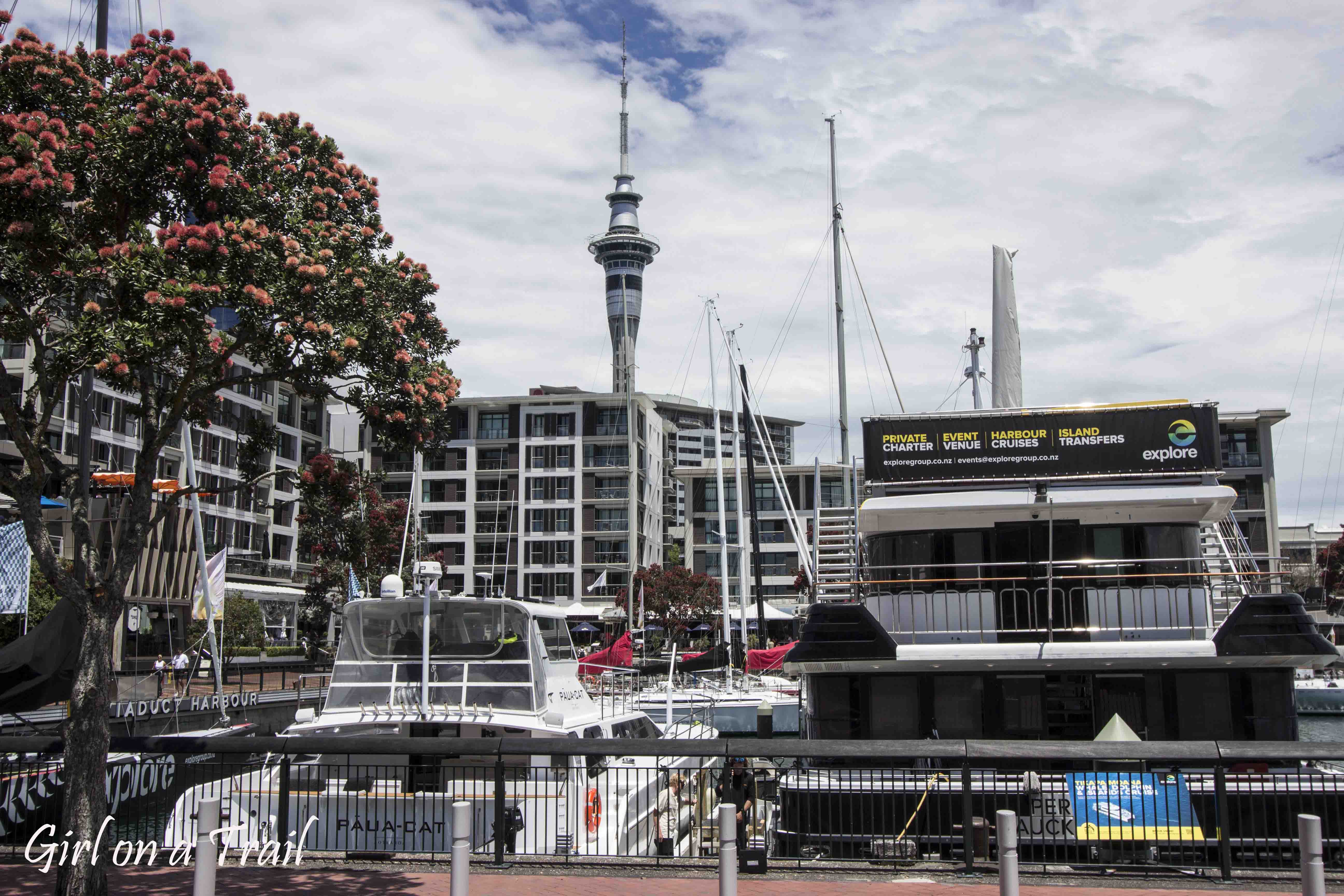
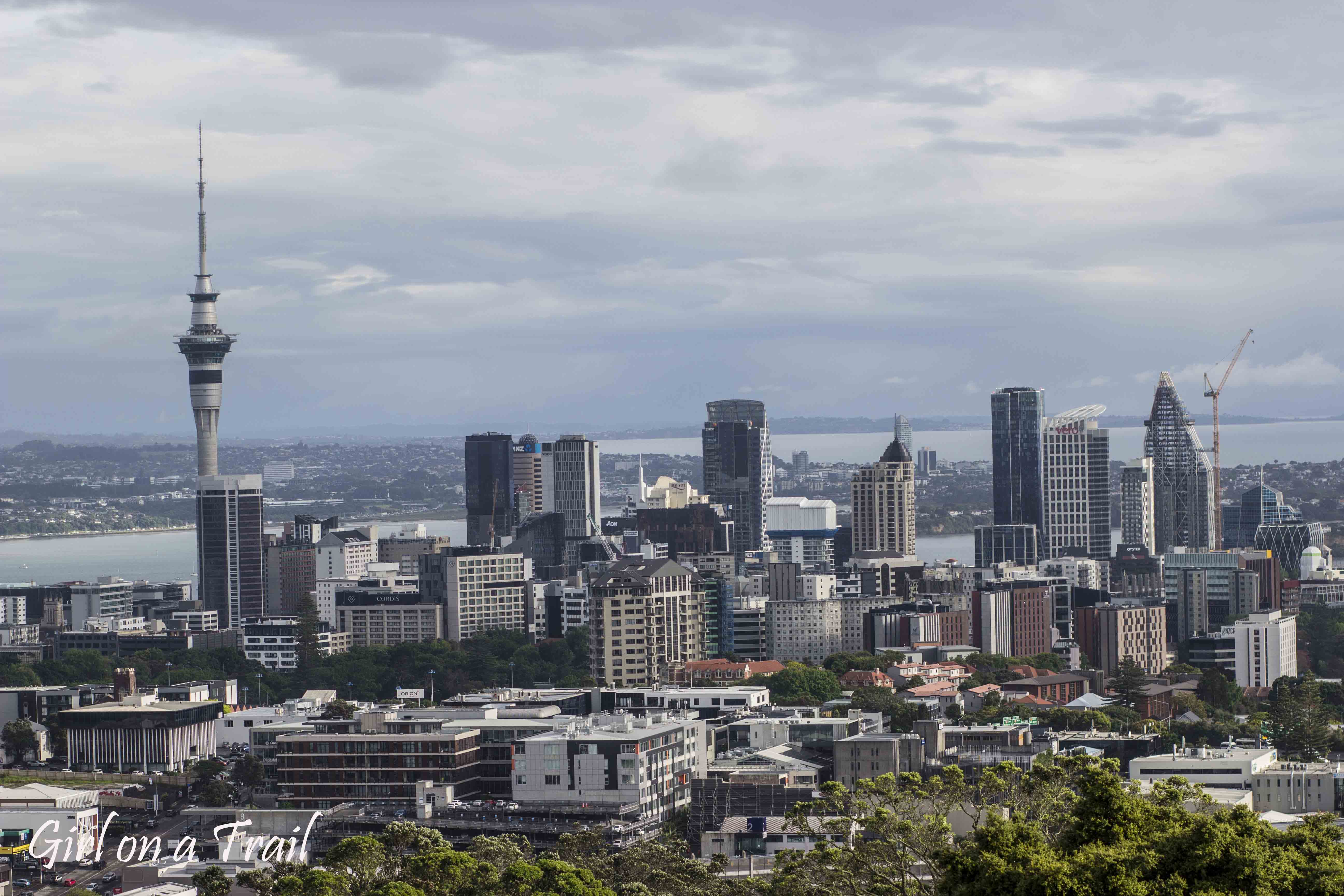
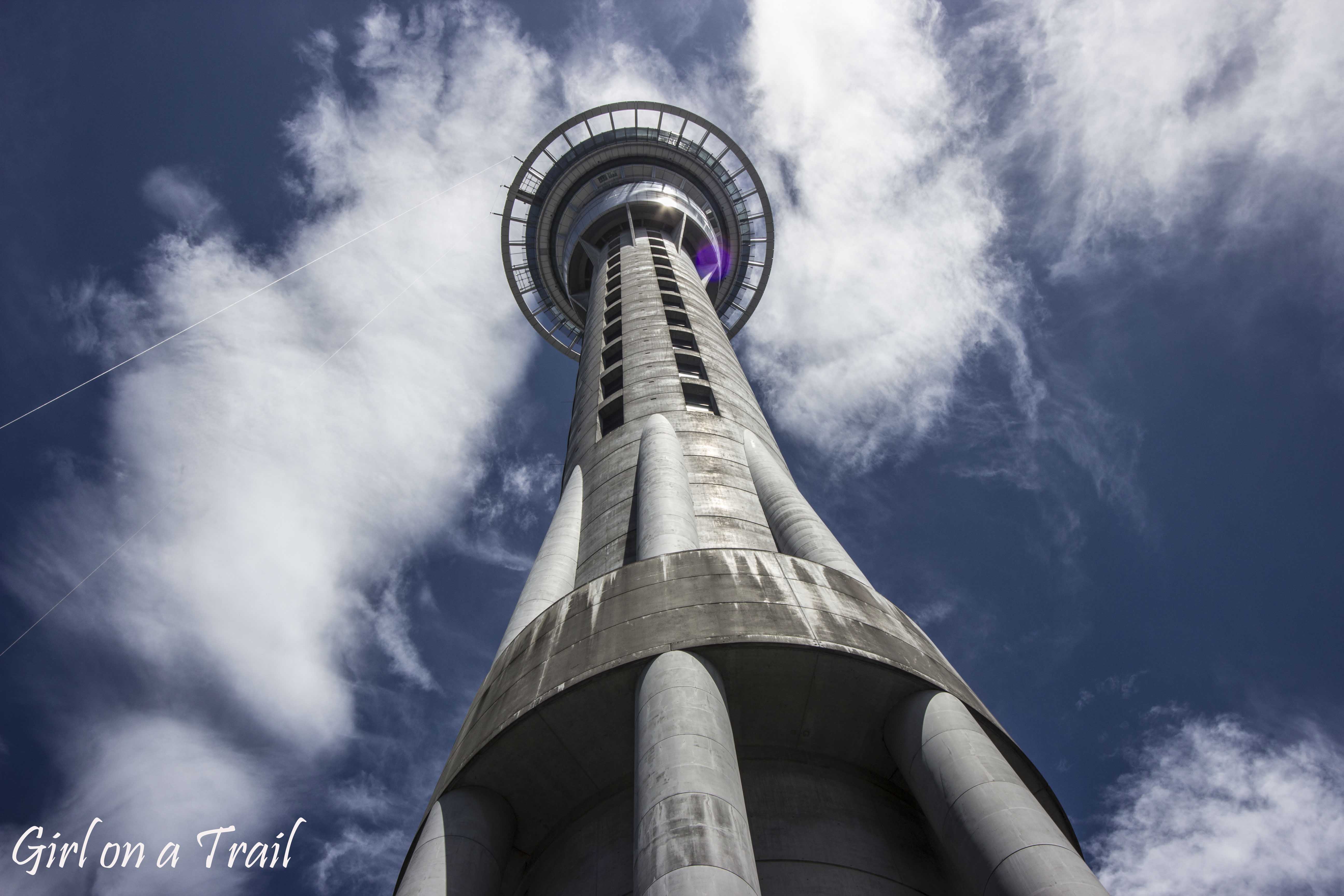
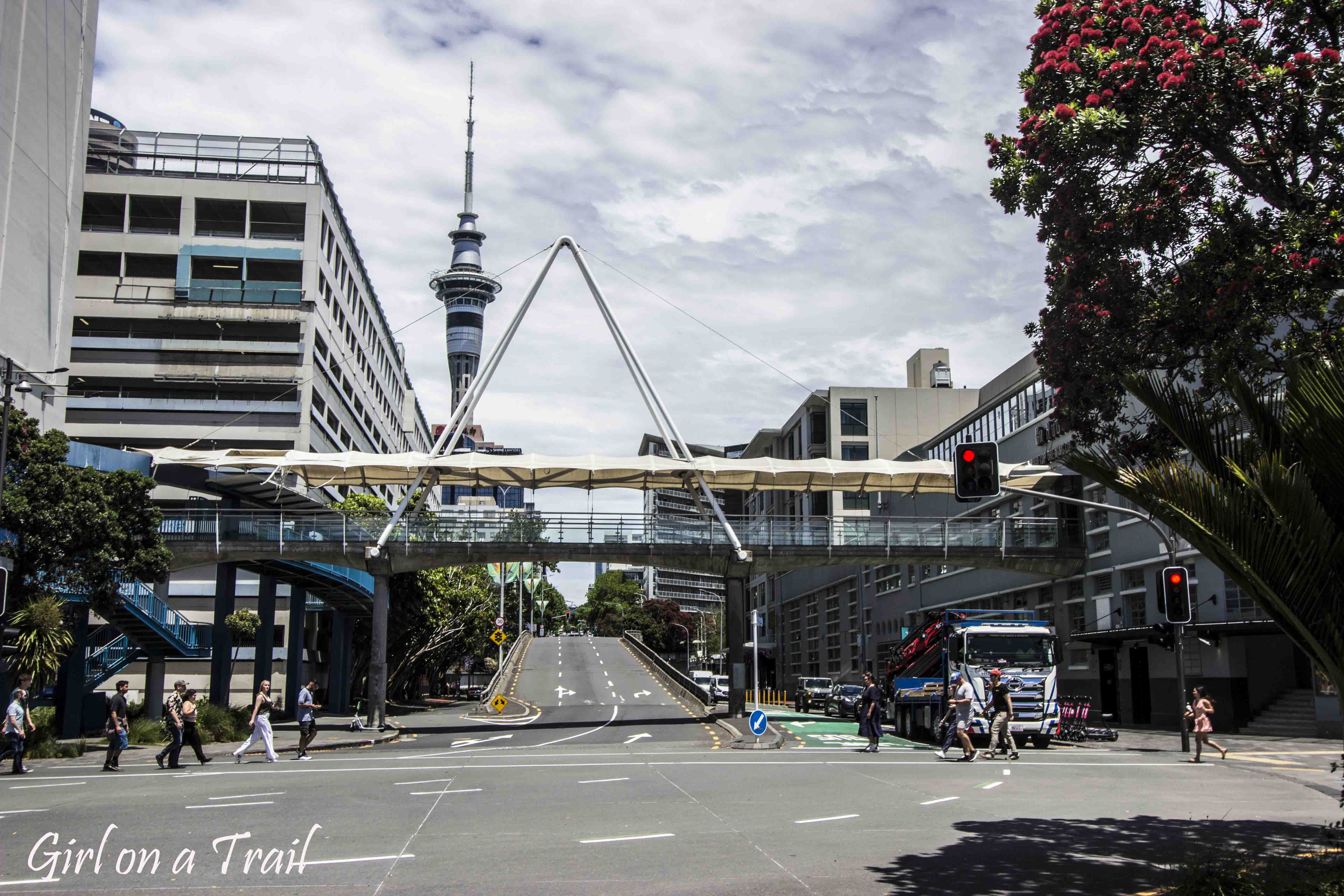
From almost anywhere in the city, you can spot Auckland’s icon – the Sky Tower. At 328 metres, it dominates the skyline and is the tallest structure in the Southern Hemisphere.
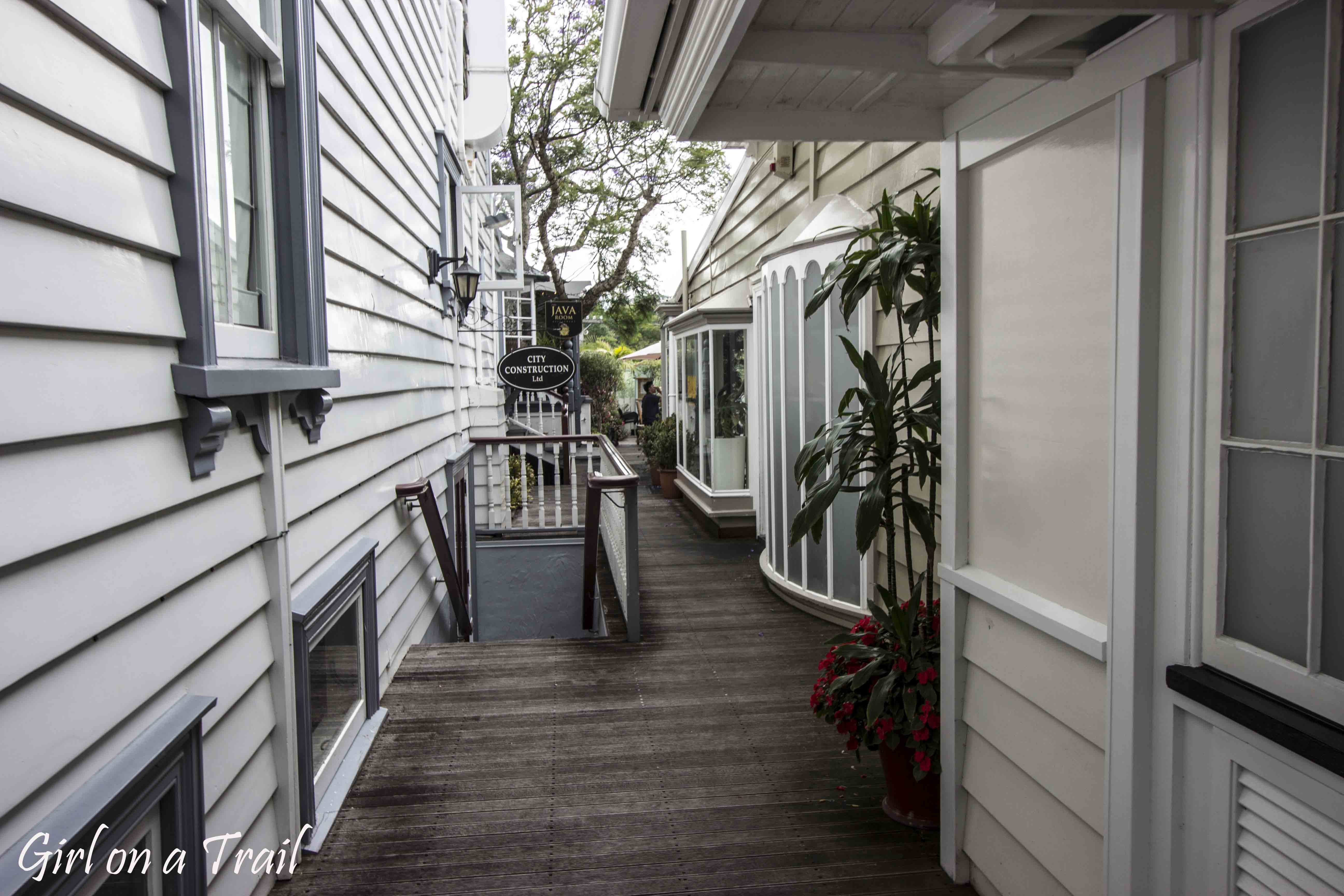
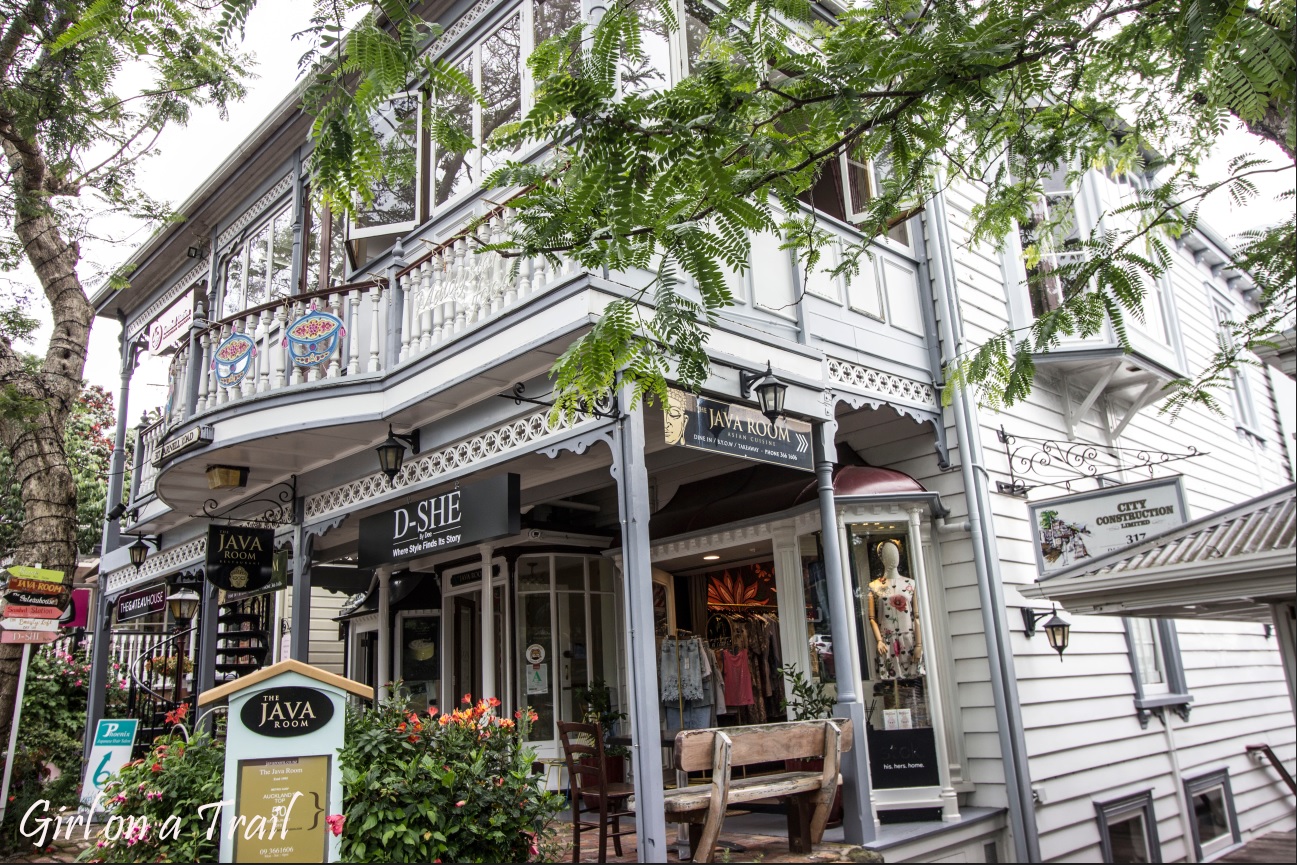
If you prefer something a bit quieter, head to Parnell, Auckland’s oldest and one of its most stylish suburbs. Charming architecture and plenty of restaurants and cafés make it a welcome escape from the hustle and bustle of the city centre.
Auckland was the last place I visited in New Zealand. And I’m glad I saved it for last — it perfectly summed up the country’s diversity. Ending a trip in a place like this is a bit like closing an adventure book, knowing full well you’ll want to open it again sometime.


You May Also Like

Mt Taranaki in New Zealand: an intelligence test and practical info

New Zealand – rainy Cape Reinga, the Sahara, and the World’s Prettiest Toilet