The Paeroa and Waihi area – a giant bottle, murals, gold and tunnels
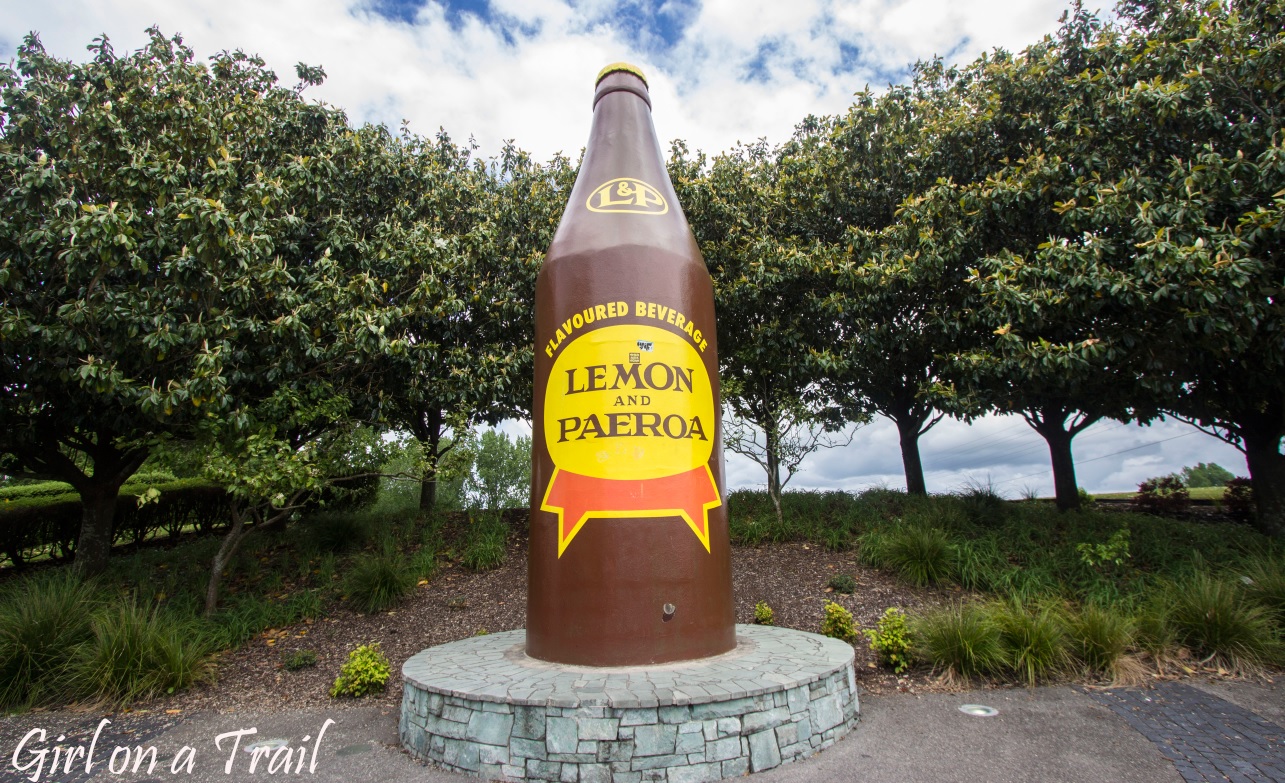
Can anything be more abstractive than starting sightseeing with a giant bottle? In New Zealand: absolutely. Especially in the town of Paeroa, home of the iconic Lemon & Paeroa drink. It has a sweet, citrusy taste and feels like something halfway between Sprite and some solid childhood chemistry experiment. The drink was created right here in 1907, using local mineral water. The L&P logo is everywhere, and the enormous brown bottle is a source of genuine local pride.
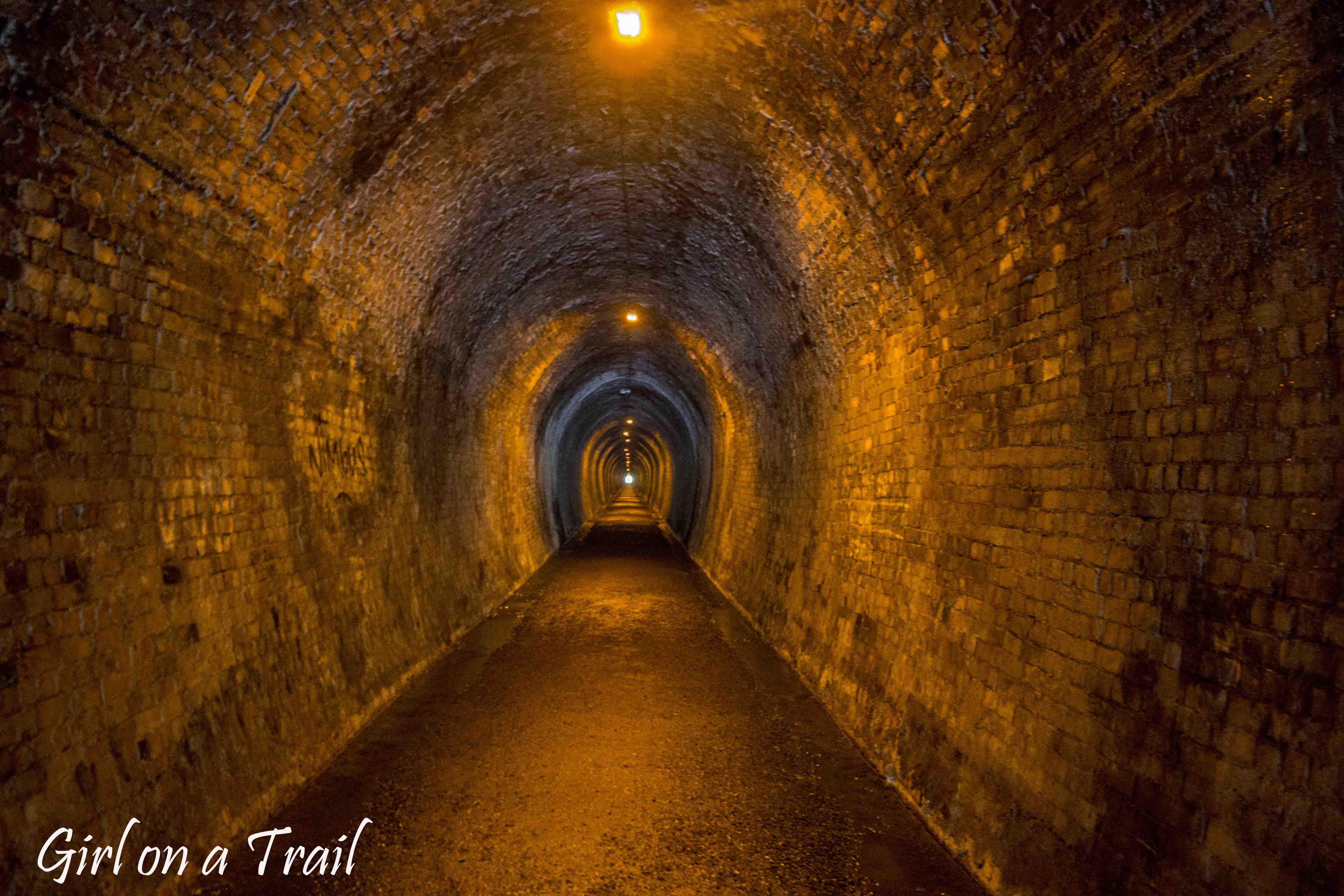
From Paeroa I headed to the Karangahake Gorge – a former gold-mining hub. There are two walking tracks here, each about 2.5 kilometres long. The first, Windows Walk, winds through forest and short mining tunnels. The second, the Rail Tunnel Loop, follows the river and cuts through a one-kilometre-long former railway tunnel. That tunnel is pure gold – a urbex classic. Dark, long, cold, and seemingly endless.
Right next door is Waihi – a town literally built on a gold vein. The first deposits were discovered here in 1878, but the real gold rush kicked off in 1894, when gold extraction using cyanide finally became effective.
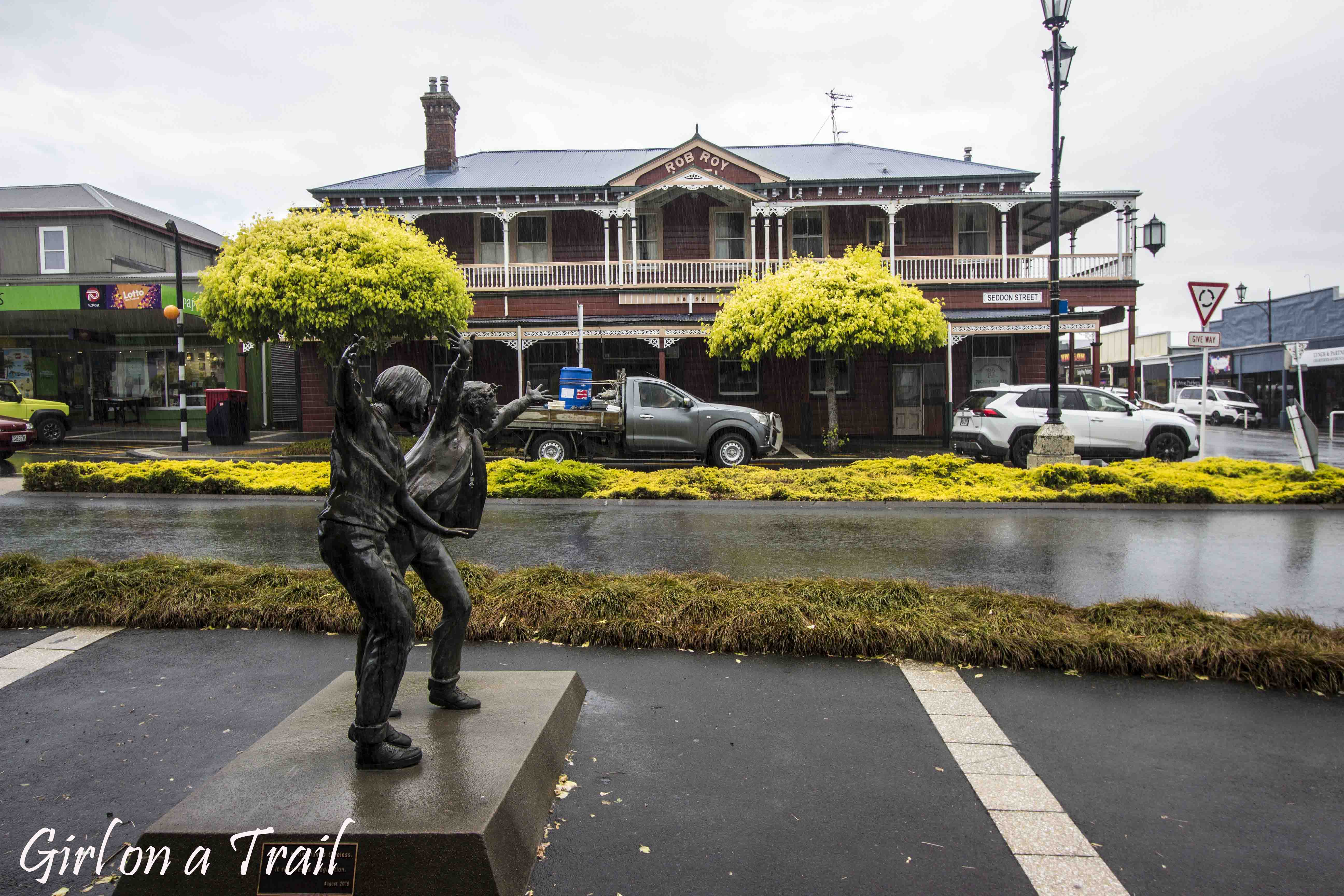
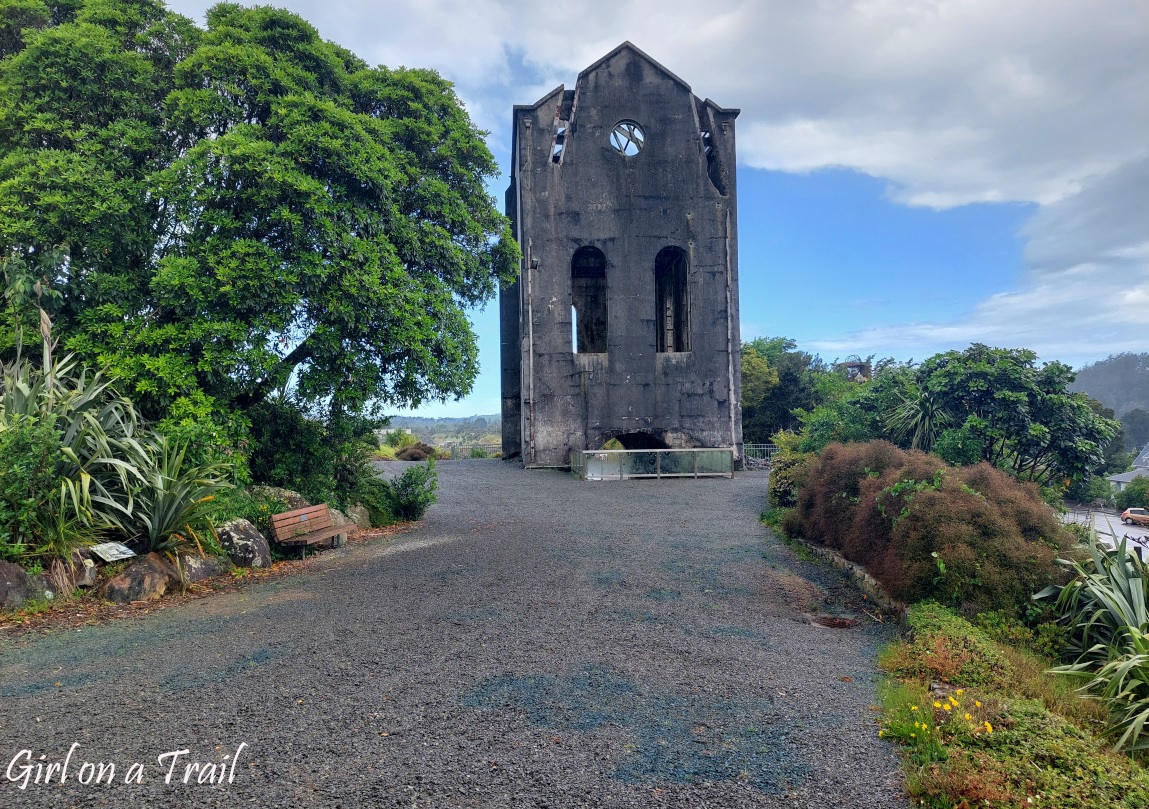
Underground mining ended in 1952, but in the 1980s the mine was reopened as an open-pit operation. That’s how Martha Mine was born – a massive hole that looks like someone dropped a giant meteorite on this patch of land. Waihi’s icon is the Cornish Pumphouse: a three-storey concrete structure from 1904 that once pumped 300 tonnes of water per hour to stop the mine turning into a swimming pool. As the mine expanded, the building found itself teetering on the edge of the abyss. There was only one way to save it: move it. The operation took place in 2006. Over three months, the building was shifted nearly 300 metres.
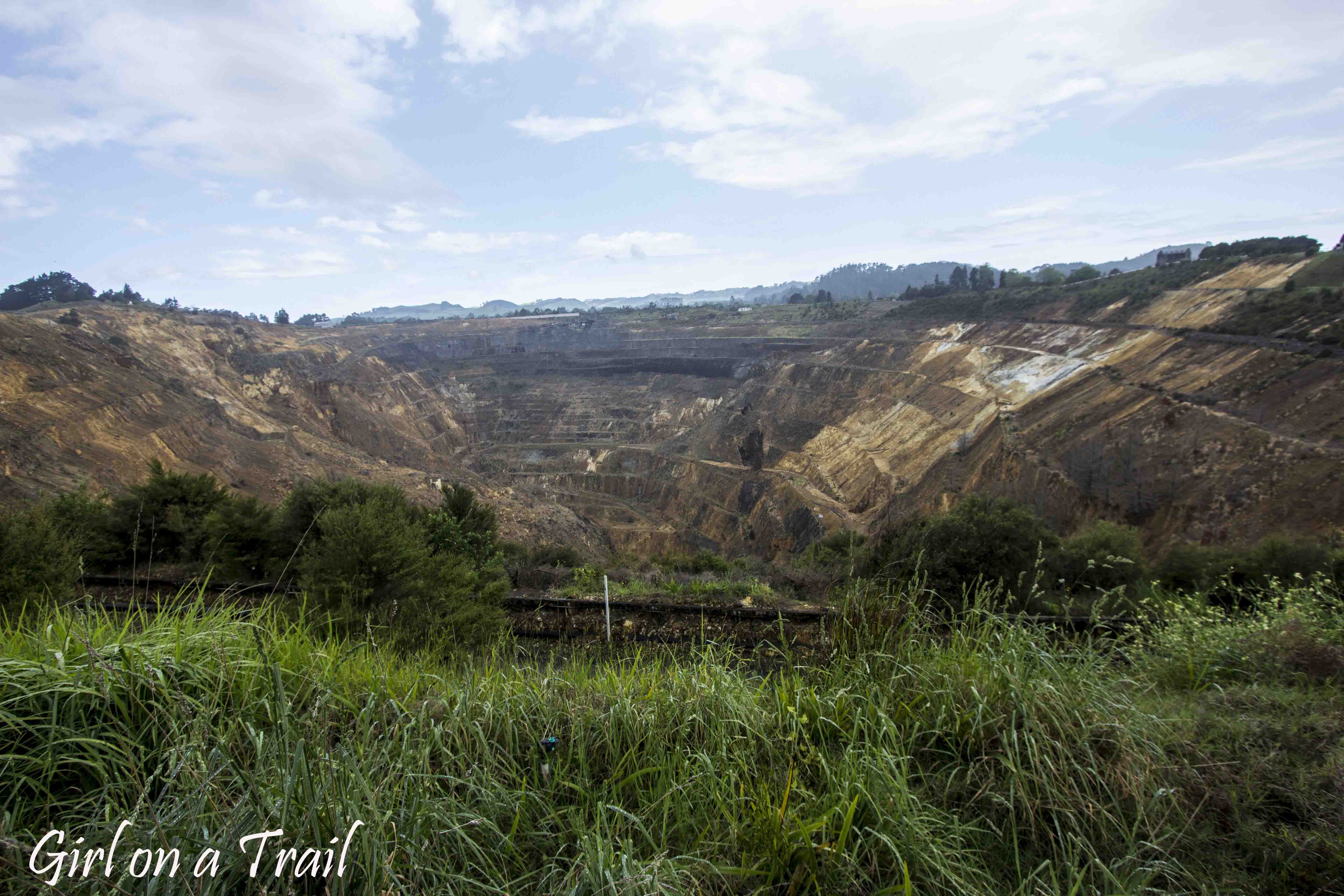
Just behind the pumphouse is a viewpoint overlooking Martha Mine. For over 60 years, it was one of the most important gold mines in the world, producing gold and silver worth more than 50 million dollars. The mine was closed after a landslide in 2015, but the landscape is still lunar. A 4-kilometre path runs around the site, allowing you to admire this 600-metre-deep crater from every possible angle.
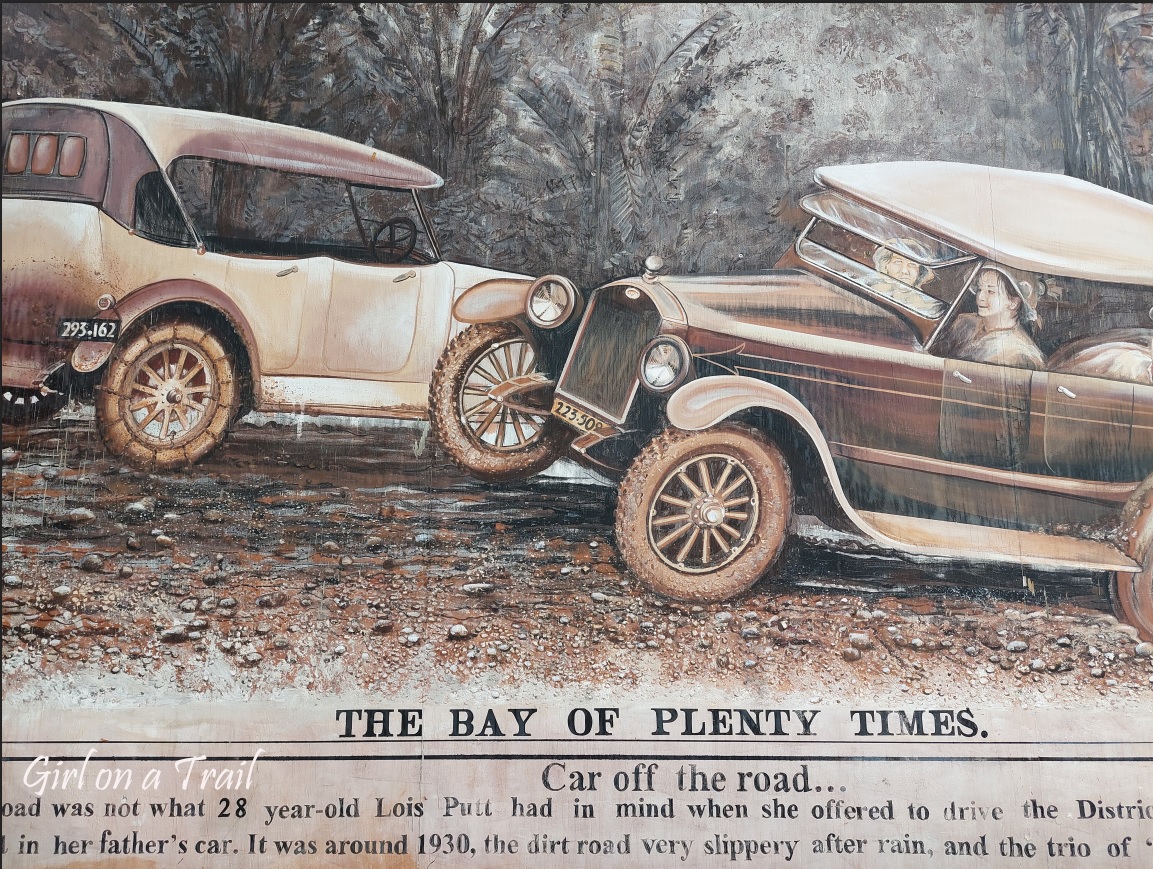
To finish off, I visited the town of Katikati, known as The Mural Town. Since the 1990s, its walls have been steadily covered with murals telling the story of the region and its first settlers. In 1996 they even organised a festival to celebrate… the twentieth mural. Today there are many more, and walking through the town feels like strolling through an open-air art gallery.
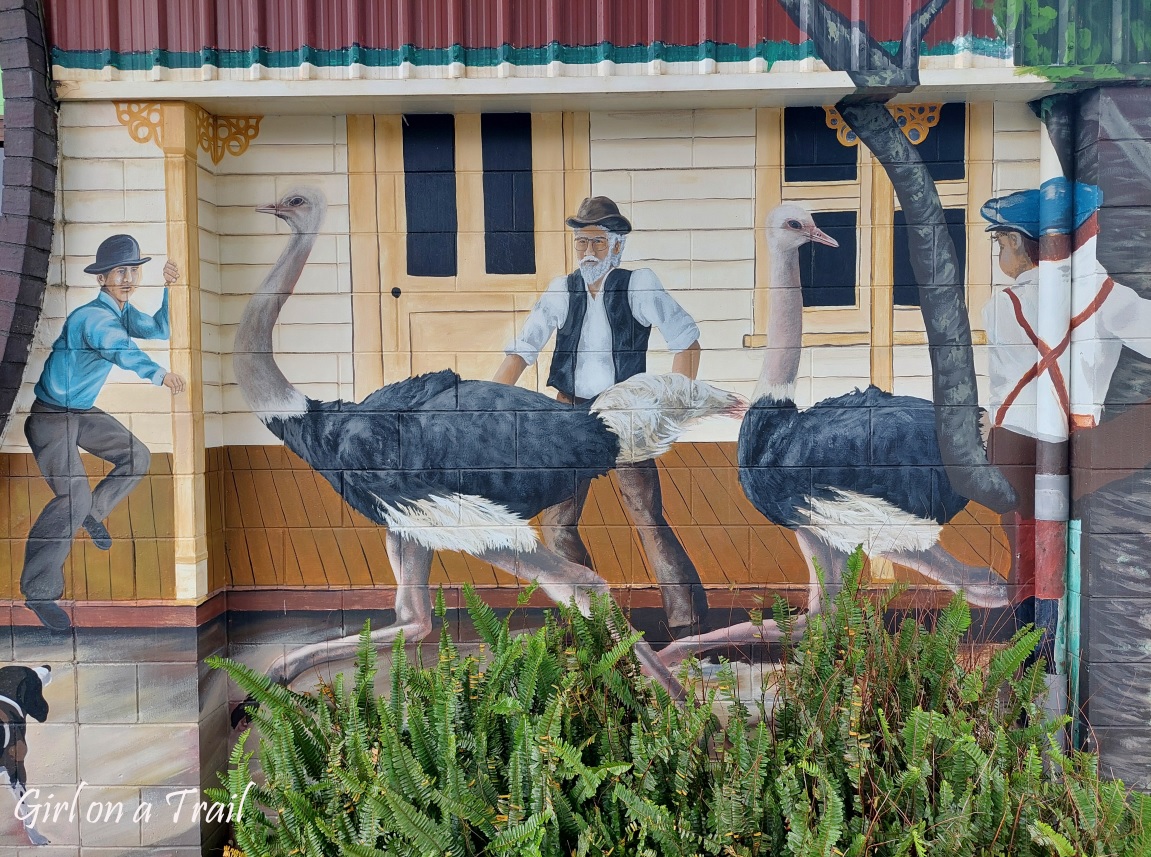
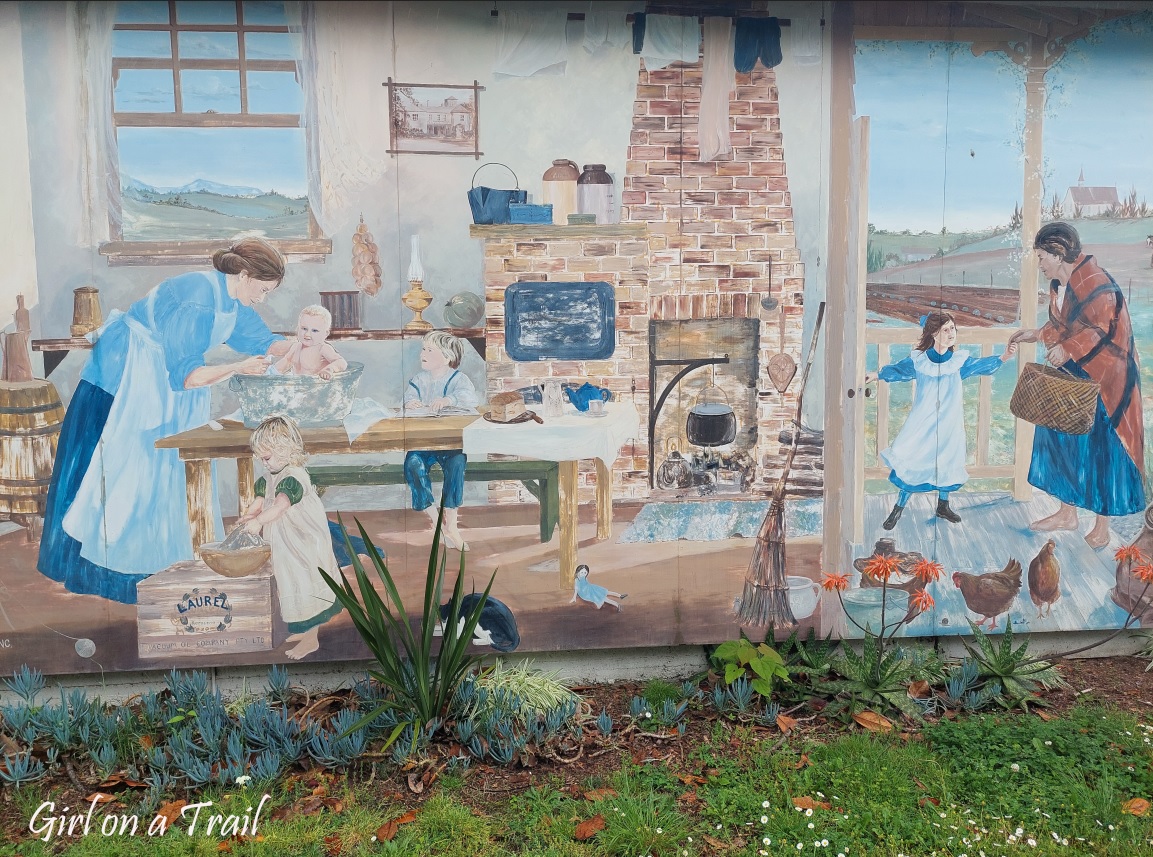
It’s also worth mentioning that nearby are the Wairere Falls – the highest waterfall on the North Island. Apparently, they’re spectacular. Sadly, I couldn’t confirm this personally, because for reasons known only to the universe, the road was closed.
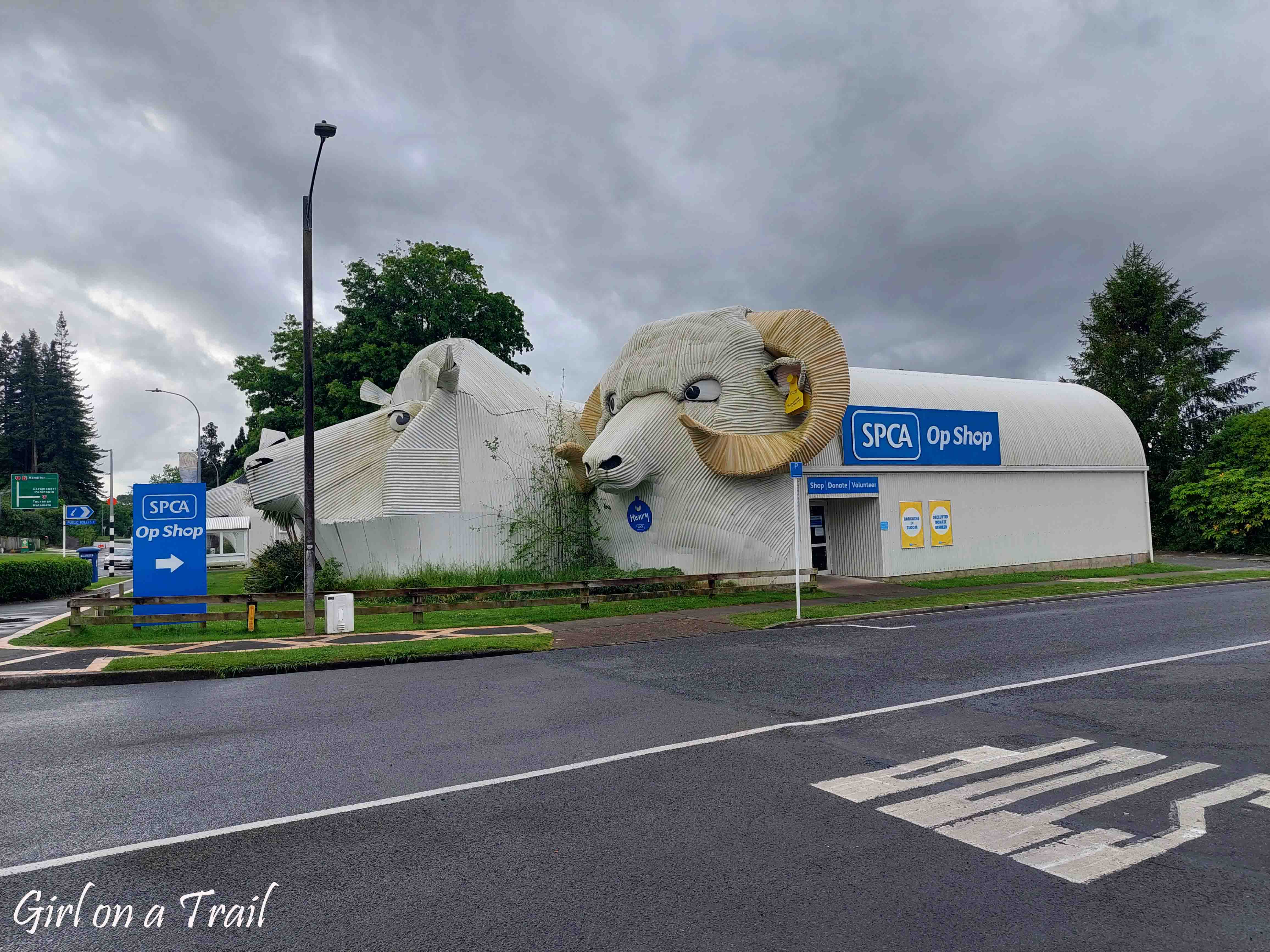
As consolation, I visited the small town of Tirau, where the main attractions are: a giant sheep, a giant ram and a giant dog made of corrugated iron. The dog houses the tourist information centre, the sheep has a wool shop in its belly, and the ram joined the flock in 2016. These metal animals are Tirau’s main tourist draw – and that was exactly the point of this wonderfully absurd idea.


You May Also Like
Hawaiian cuisine part I
Hawaii – paradise lost?