Kenya
-
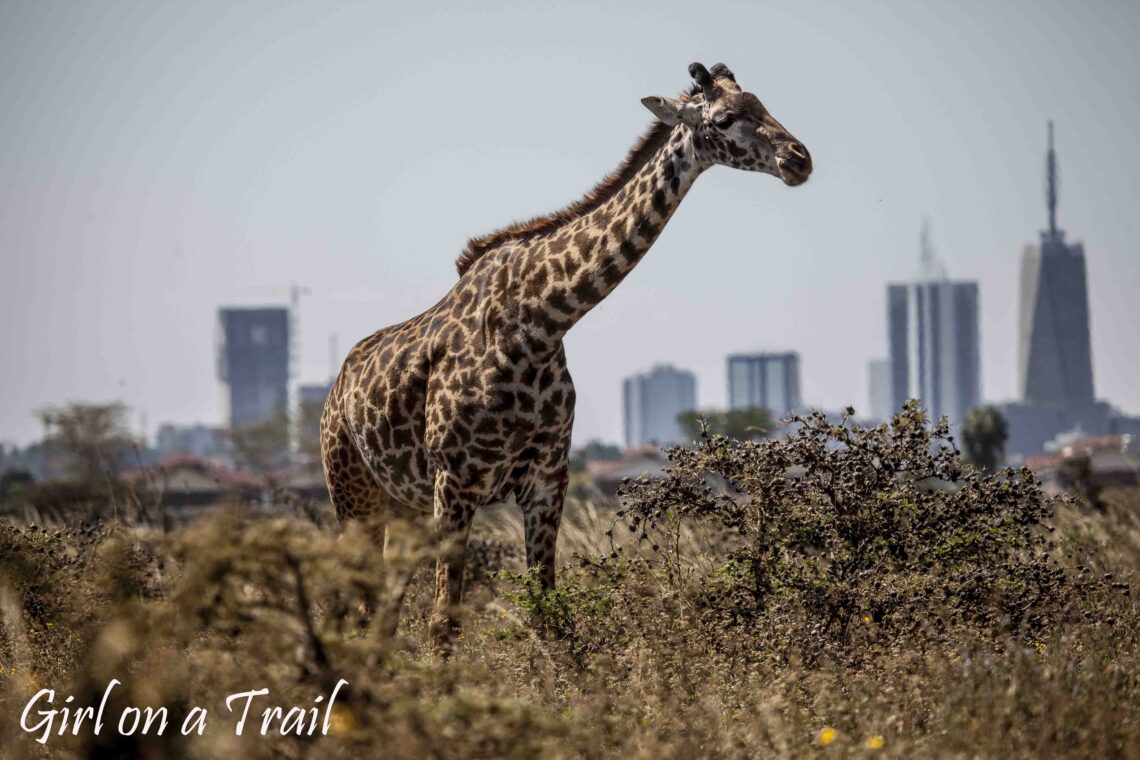
Surreal Nairobi – between safari and concrete
It’s hard to believe that the land now occupied by Kenya’s capital was once covered in swamps. The Maasai called this place Enkare Nyrobi, meaning “cool waters.” This is where the name of the metropolis comes from. Nairobi’s development began at the end of the 19th century, when the area’s potential as a trade center was recognized. As the city grew, the Maasai, who grazed cattle here, were displaced. Today, Nairobi is called the “Silicon Savannah” due to its flourishing tech industry. It is also known as the “Green City in the Sun,” and for good reason. The city boasts numerous parks and green spaces. Nevertheless, it is a city…
-
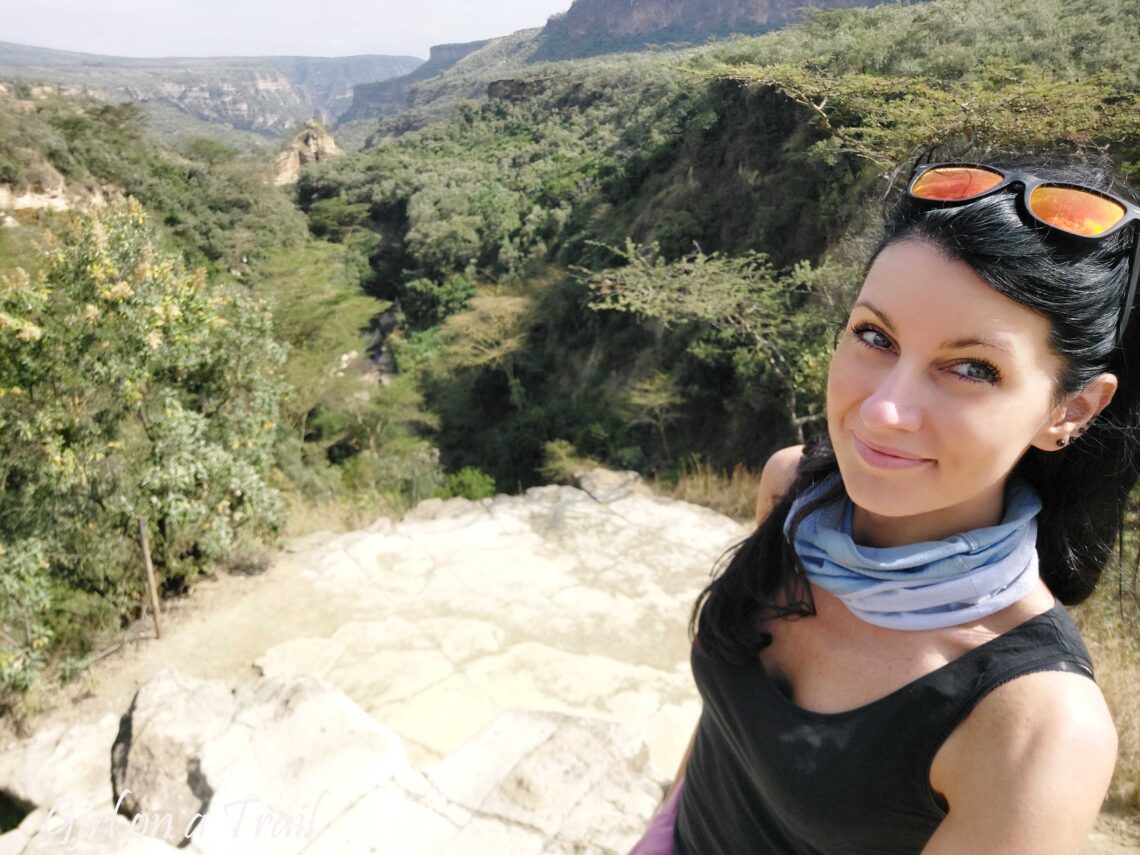
Lake Naivasha and Hell’s Gate National Park
Lake Naivasha is located along the eastern part of the East African Rift, a tectonic depression system that has shaped the landscape of this region in interesting ways. It’s the highest freshwater lake in the Rift Valley, situated at an elevation of 1,884 meters above sea level, and is fed by the Malewa and Gilgil rivers. The high elevation of Lake Naivasha and its freshwater environment create a unique ecosystem that attracts over 400 species of birds. Visitors can spot numerous cormorants, pelicans, herons, kingfishers, and eagles. In addition to the birds, the area is home to numerous hippos, while the lakeshore provides an ideal habitat for zebras, giraffes, buffaloes,…
-
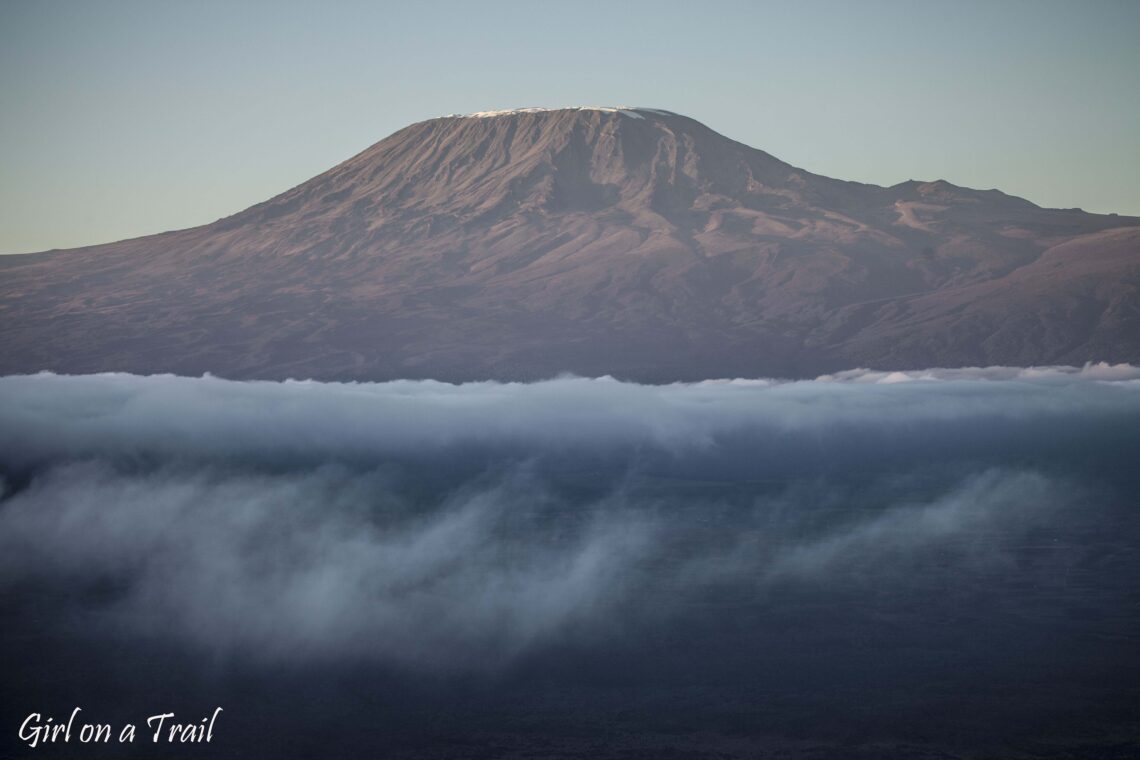
Amboseli National Park- balloon ride with a view of Kilimanjaro
Amboseli National Park is the second most visited park in Kenya, right after the famous Masai Mara, attracting tourists from all over the world. The park’s name, “Amboseli,” means “salty dust” in the Maasai language, reflecting its semi-arid nature. Initially established in 1906 as the Southern Reserve for the Maasai people, it was designated a national park in 1974. The park’s diverse landscape consists of four main zones: savannah, acacia woodlands, wetlands, and the dried-up Amboseli lake bed. The park is home to numerous underground springs fed by the ice cap of Kilimanjaro. These water sources create an ideal habitat for birds. Around 400 bird species inhabit the park, including…