-
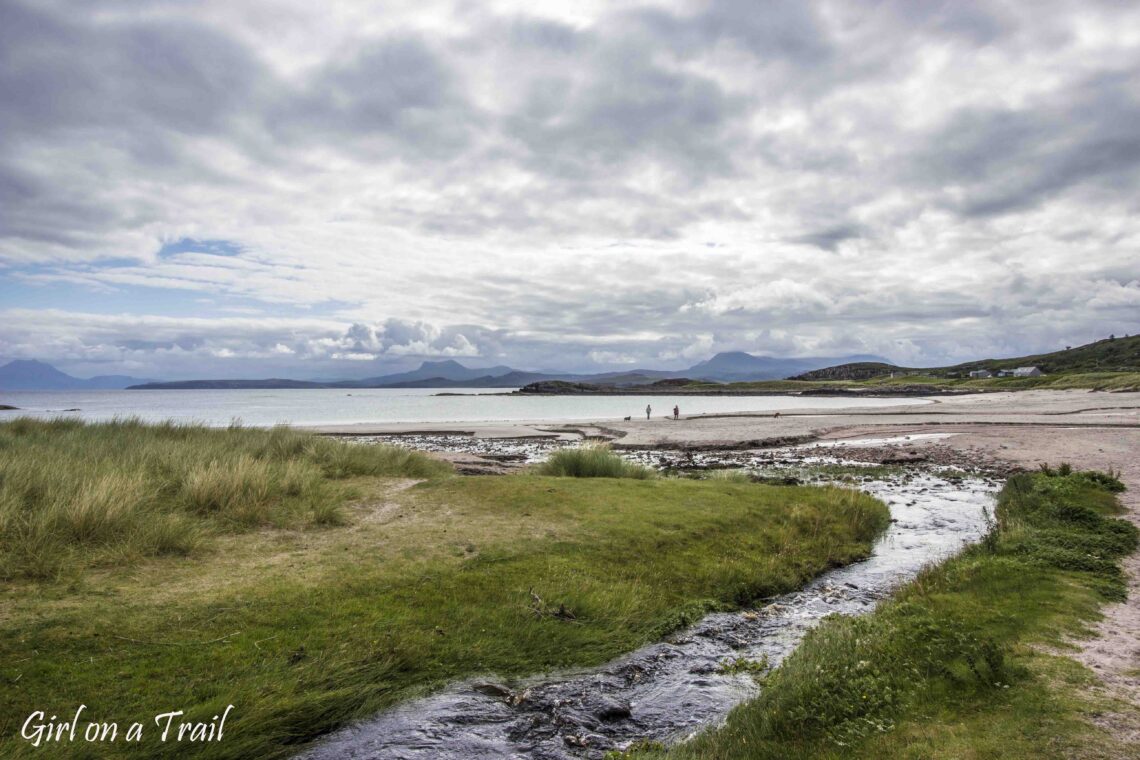
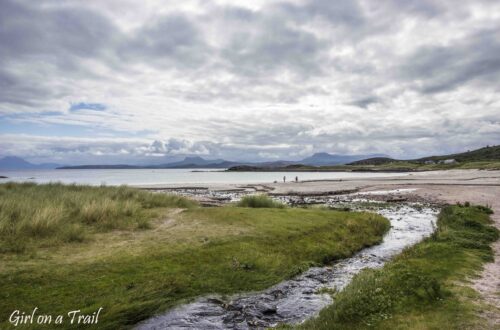
The North Coast 500 – through the Highlands on four wheels
The North Coast 500 is a route I’m sure I’ll remember for a long time. And this time, not just because of the scenery. Driving the NC500 can be quite an experience in itself. In many places, the road becomes really narrow and turns into a single-track road, meaning there’s only one lane for cars travelling in both directions. Every so often, you’ll find small passing places, where you have to pull in to let an oncoming car through. Sometimes you have to get a bit creative, and if you miss the passing place at the wrong moment, there’s nothing for it but to reverse. On top of that, there…
-
Belgrade – from a Roman fortress to Yugoslavia’s vision of the future
After my first day of sightseeing and a hefty dose of history, which was genuinely quite heavy at times, it was time to move on and see a different side of Belgrade. This time, I headed straight for Kalemegdan – the place that probably more than anywhere else is associated with the city. And this is definitely a place where you can pause for a moment, because the history here is seriously something else. The first fortifications appeared here as far back as Celtic times, and the Romans later left their mark on the site. Over the centuries, the fortress was rebuilt and reshaped by one empire after another, so…
-
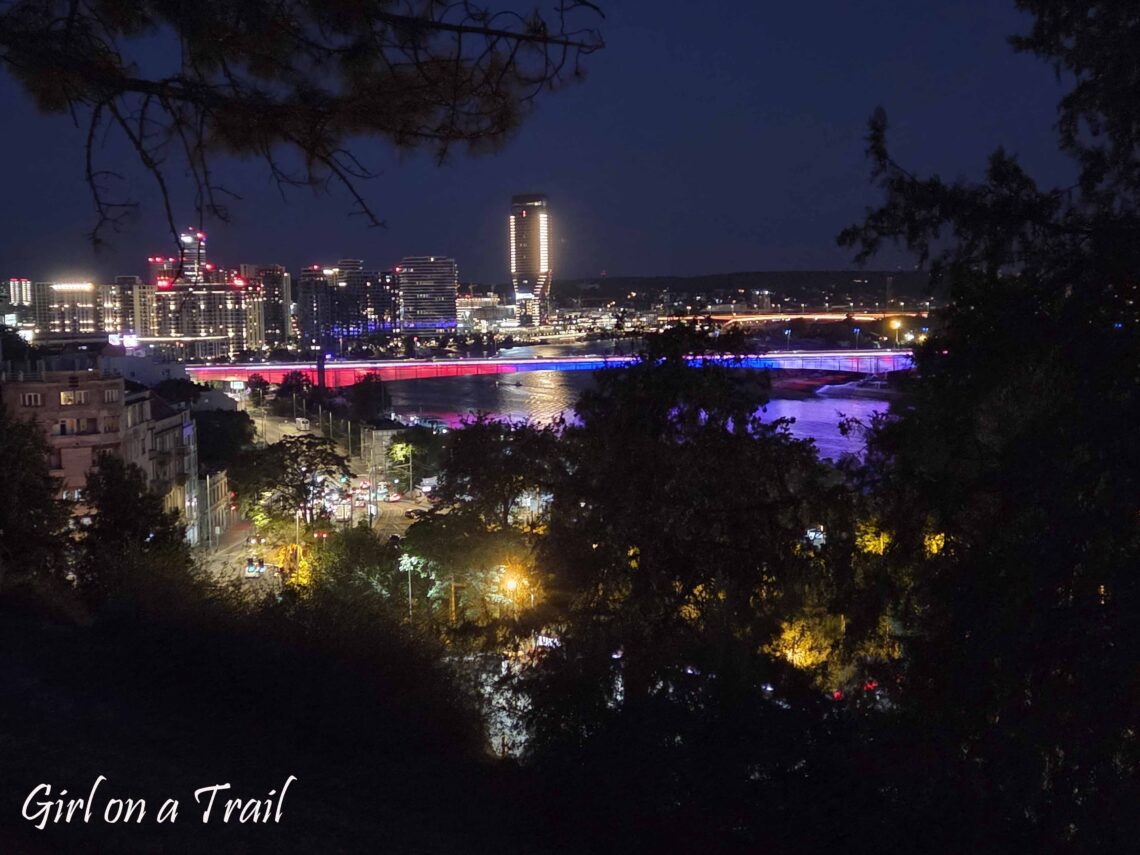
Belgrade – a city of contrasts, history and Balkan chaos
Belgrade was the second stop on my longer holiday trip this year. I spent the first part in Scotland, where I covered more than 3,200 km in nine days. And, to be completely honest, by then I’d had enough of driving, sightseeing, packing, unpacking and constantly being on the move. After such a marathon, the thought of clocking up even more kilometres in Serbia wasn’t exactly something I was looking forward to. But hey, it was part of the holiday plan, so there was nothing for it but to keep going. I flew to Belgrade in the late afternoon, picked up the car, drove to my accommodation and… promptly went…
-
NC500 – far North Scotland
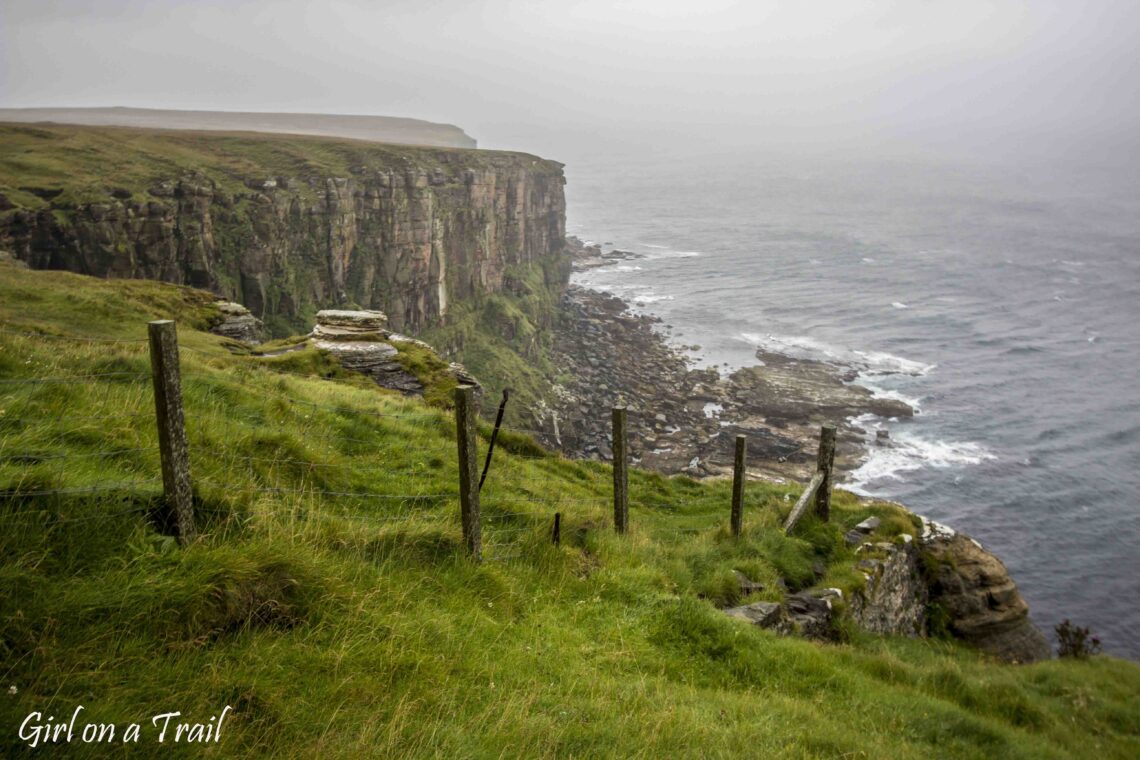
The NC500, or The North Coast 500, is one of Scotland’s most famous road trips – around 830 kilometres through the northern Highlands, following the coastline and winding through mountains, small villages, beaches, cliffs and places where it’s sometimes hard to believe you’re still in the UK. The more miles I covered along this road, the more I felt as though Scotland was slowly disconnecting from the rest of the world. The landscape became increasingly rugged, wild and empty. Larger towns disappeared, the roads grew narrower, and instead of more buildings, there were cliffs, heather-covered moorland, mountains and sea. And that was when the part of the route I had…
You May Also Like
The North Coast 500 – through the Highlands on four wheels
-
Rangsdorf Airport – from Operation Valkyrie to Operation Urbex
Rangsdorf Airport, opened on 30th July 1936, just before the Summer Olympics in Berlin, was initially intended to serve passengers arriving for the Olympics. It was a small airport with a grass runway, primarily meant for sport and recreational flights. However, its history quickly took unexpected turns. Wartime Fate of Rangsdorf Airport After the outbreak of World War II, from October 1939 to March 1940, Rangsdorf became Berlin’s main airport. Authorities feared that Tempelhof Airport would be a major target for bombing raids. Ultimately, Tempelhof resumed its function, and Rangsdorf was converted into a military facility used by the Luftwaffe. From 1939 to 1945, the Bücker Flugzeugbau plant operated here,…
-
Trieste and the Giant Cave: a Mountain of Steps, a Sea of Experiences
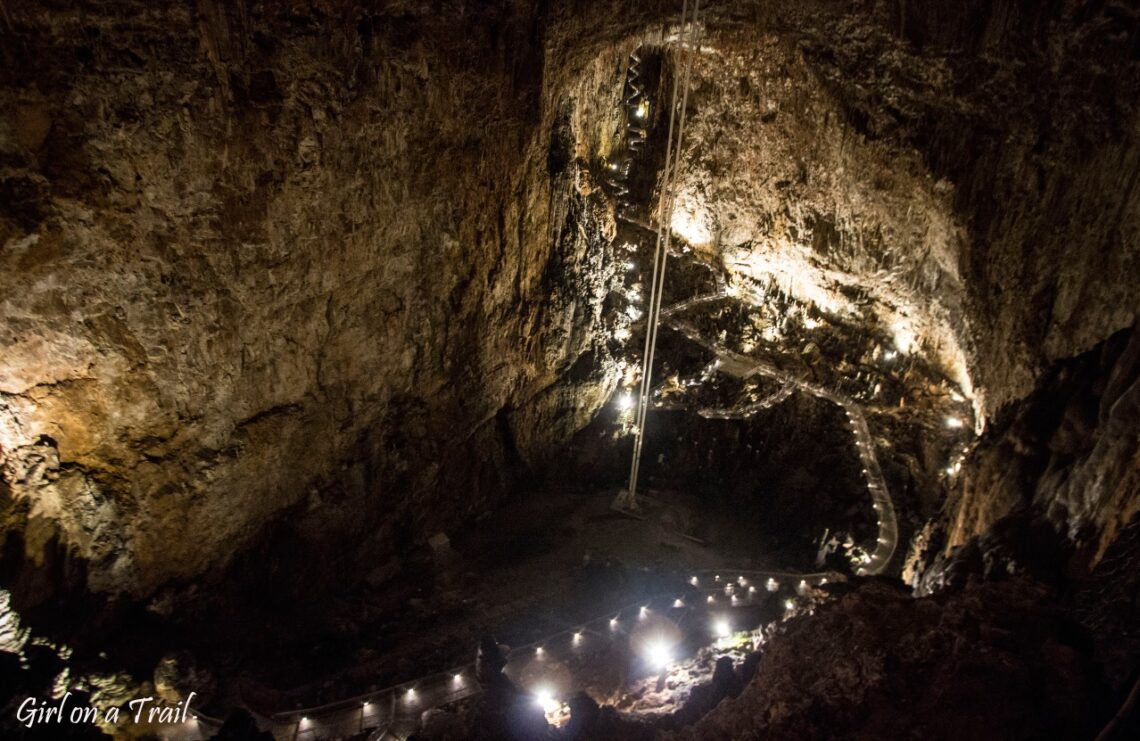
Grotta Gigante is one of those places that sticks in the memory. Initially, I hadn’t planned to visit it, but I stumbled across it on a map and… well, who could resist a cave proudly calling itself “the largest tourist cave in the world”? There was just one problem: officially, I wasn’t supposed to leave Slovenia. When I rented the car, I declared I wouldn’t cross the border, but plans are made to be changed. Foolish and risky as it was, I decided to follow my heart—and take full responsibility if anything went wrong with the car. The result? Every step down into this cave was completely worth it. Grotta…
-
Central Albania – Cape Rodon, Durrës and Tirana
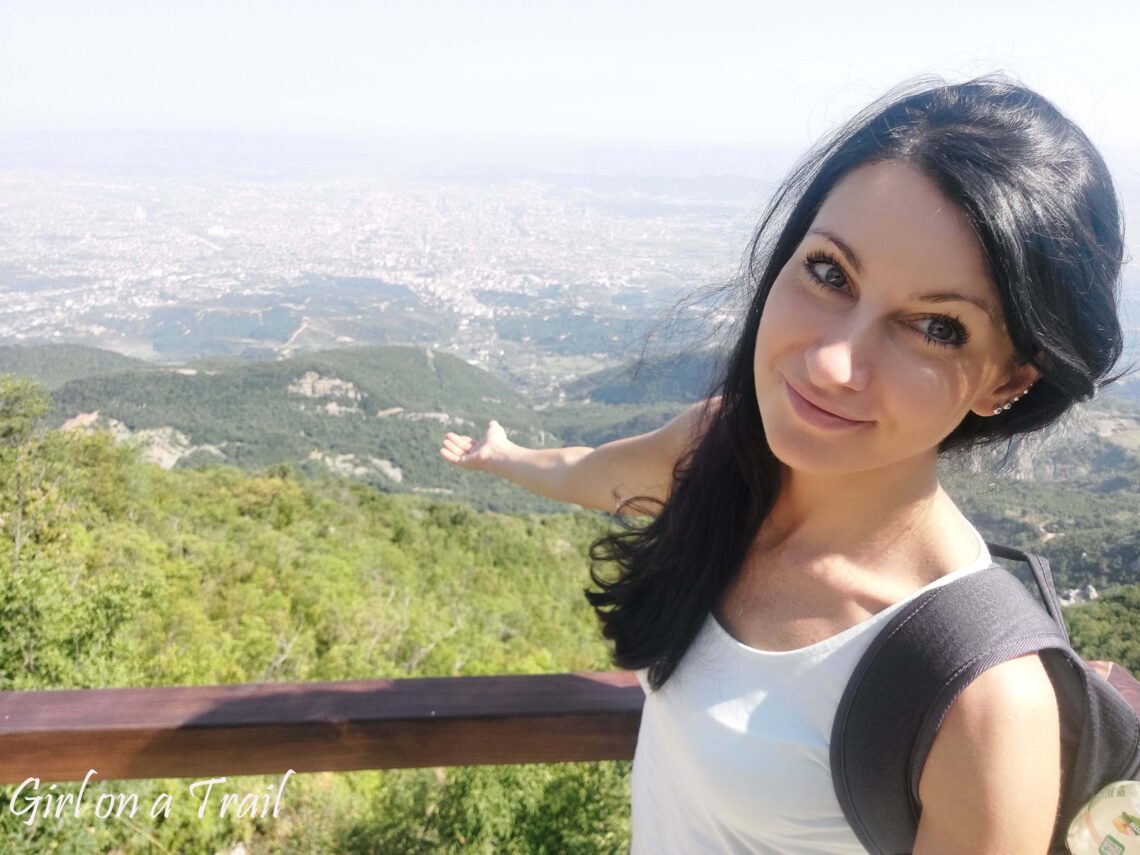
I started the route towards central Albania in the town of Teth. The first point of my trip was Cape Rodon, also known as the Cape of Skanderbeg. This is definitely a place you must visit while being in Albania. Actually, I could point out three reasons why it’s worth coming here. The first are bunkers, which I wrote about here. The second one is the castle built by Skandenberg in 1452, to defend against the Ottoman Empire. Although it was a hiding place for Skandeberg for a while during the siege of Kruja in 1466, it was destroyed by the Turks only a year later. Currently, only the remains…
-
Ljubljana – a slightly psychedelic city of dragons
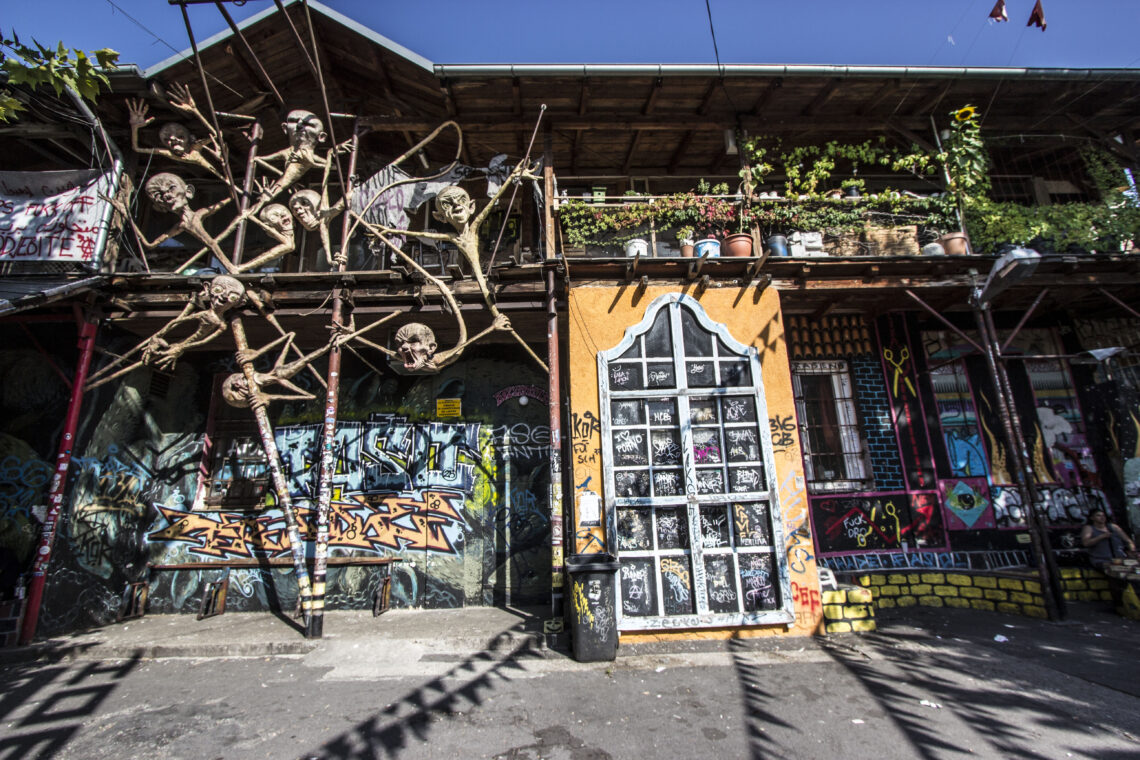
Ljubljana is one of those cities that’s impossible not to like. Time seems to move slower here, and instead of the traffic jams and rush typical of other European capitals, the city charms with its intimate, relaxed atmosphere. The city’s most iconic landmark is the Dragon Bridge (Zmajski most). It was built to replace an old wooden bridge that collapsed during an earthquake in 1895. Initially, the plan was to decorate it with winged lions, but in the end, four dragons took the stage. Local legend has it that if a virgin crosses the bridge, the dragons will wag their tails. In practice? Well, let’s be honest – traffic on…
-
Car cemetery
Car cemetery had been on my list for some time however I didn’t expect fireworks when I got there. I suspected that this place would be largely looted. Meanwhile, I saw a hundred cars from the 1960’s, 70’s and 80’s in various degrees of disintegration. It’s sad to see all of them slowly rusting and falling into increasing disrepair. Some of them have been dismantled, but there’s still a lot to see. Such a collection must have been a huge treasure in the times of socialism. Many drivers dreamed of such cars back then. The choice is wide: Fiats, Skodas, Syrenas, Mercedes and Opels. Fiat 126p cars lined up neatly…