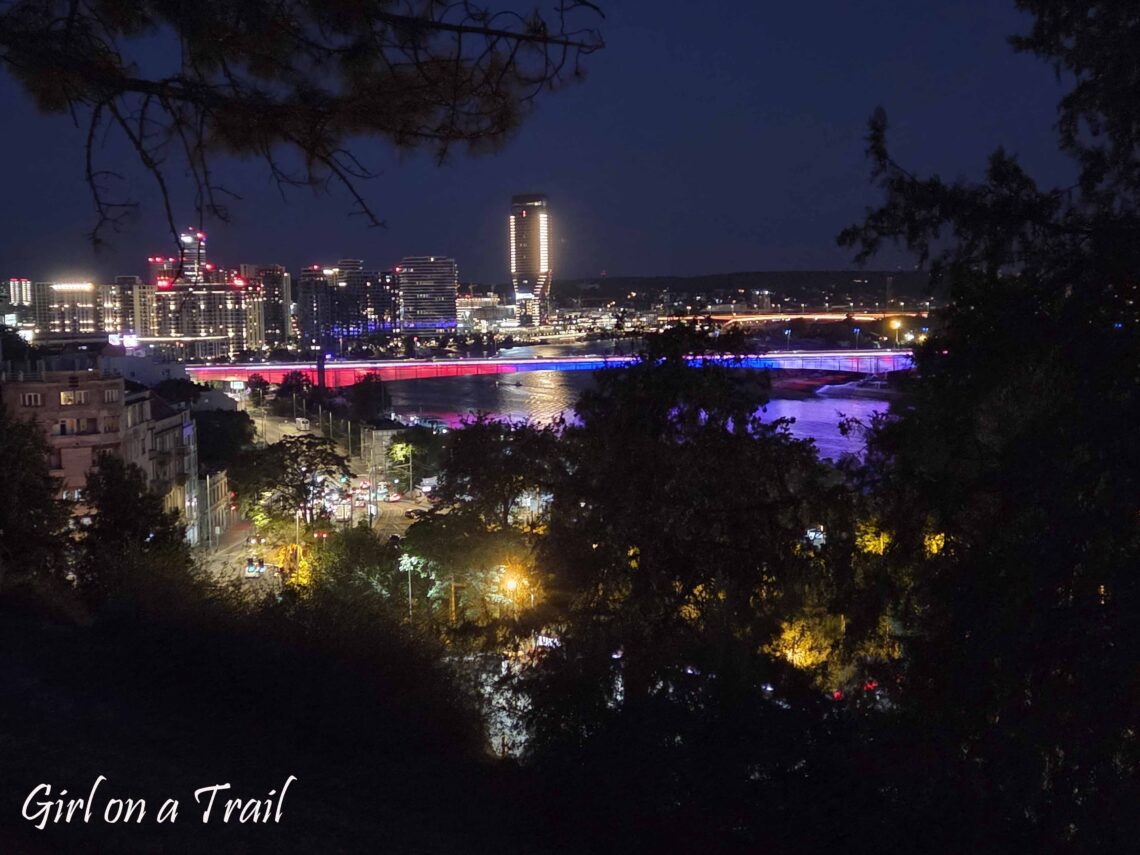
Belgrade – from a Roman fortress to Yugoslavia’s vision of the future
After my first day of sightseeing and a hefty dose of history, which was genuinely quite heavy at times, it was time to move on and see a different side of Belgrade. This time, I headed straight for Kalemegdan – the place that probably more than anywhere else is associated with the city.
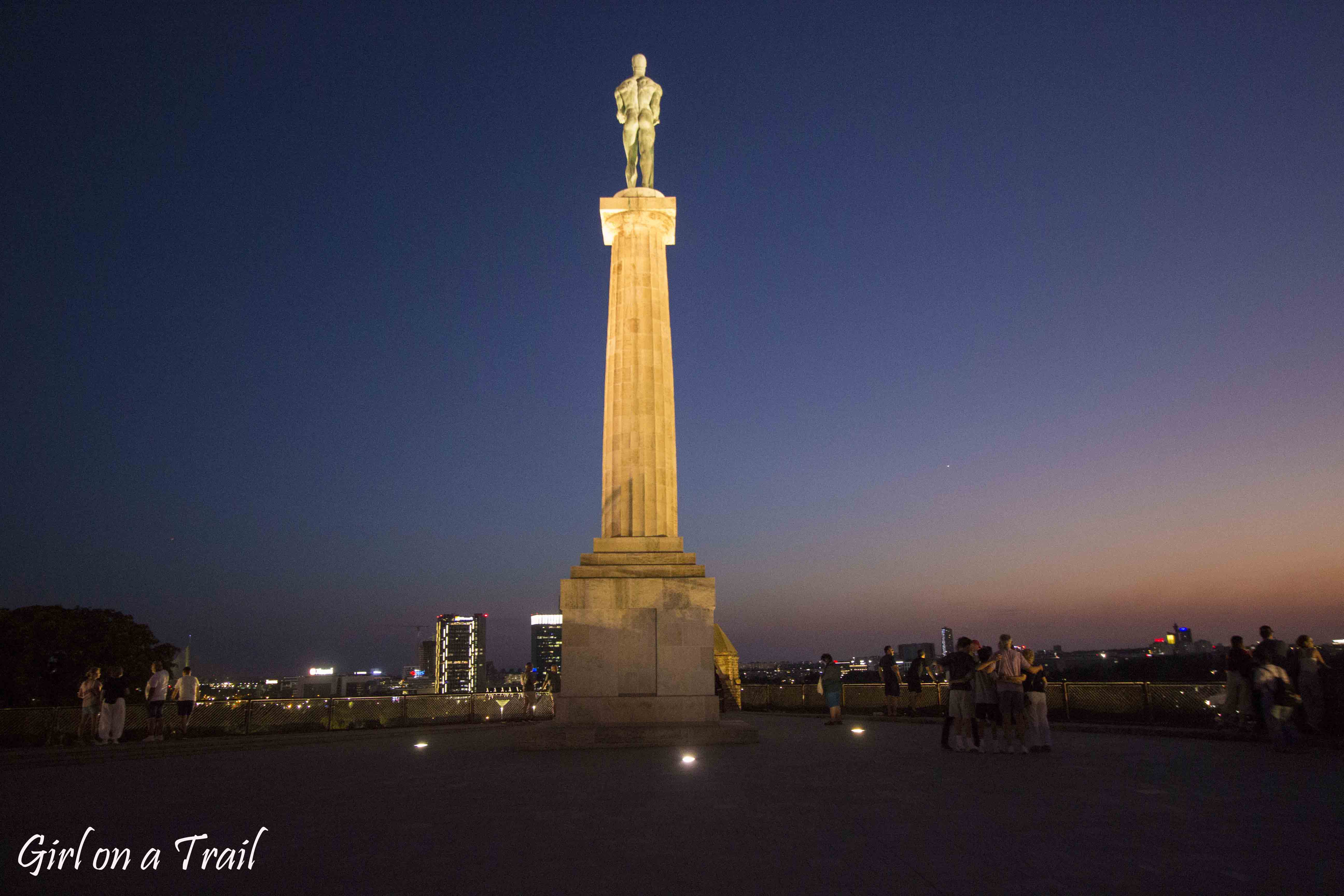
And this is definitely a place where you can pause for a moment, because the history here is seriously something else. The first fortifications appeared here as far back as Celtic times, and the Romans later left their mark on the site. Over the centuries, the fortress was rebuilt and reshaped by one empire after another, so today it’s a real historical melting pot – Roman remains, Ottoman tombs, Orthodox churches, old gates, fortifications and layer upon layer of the city’s history.
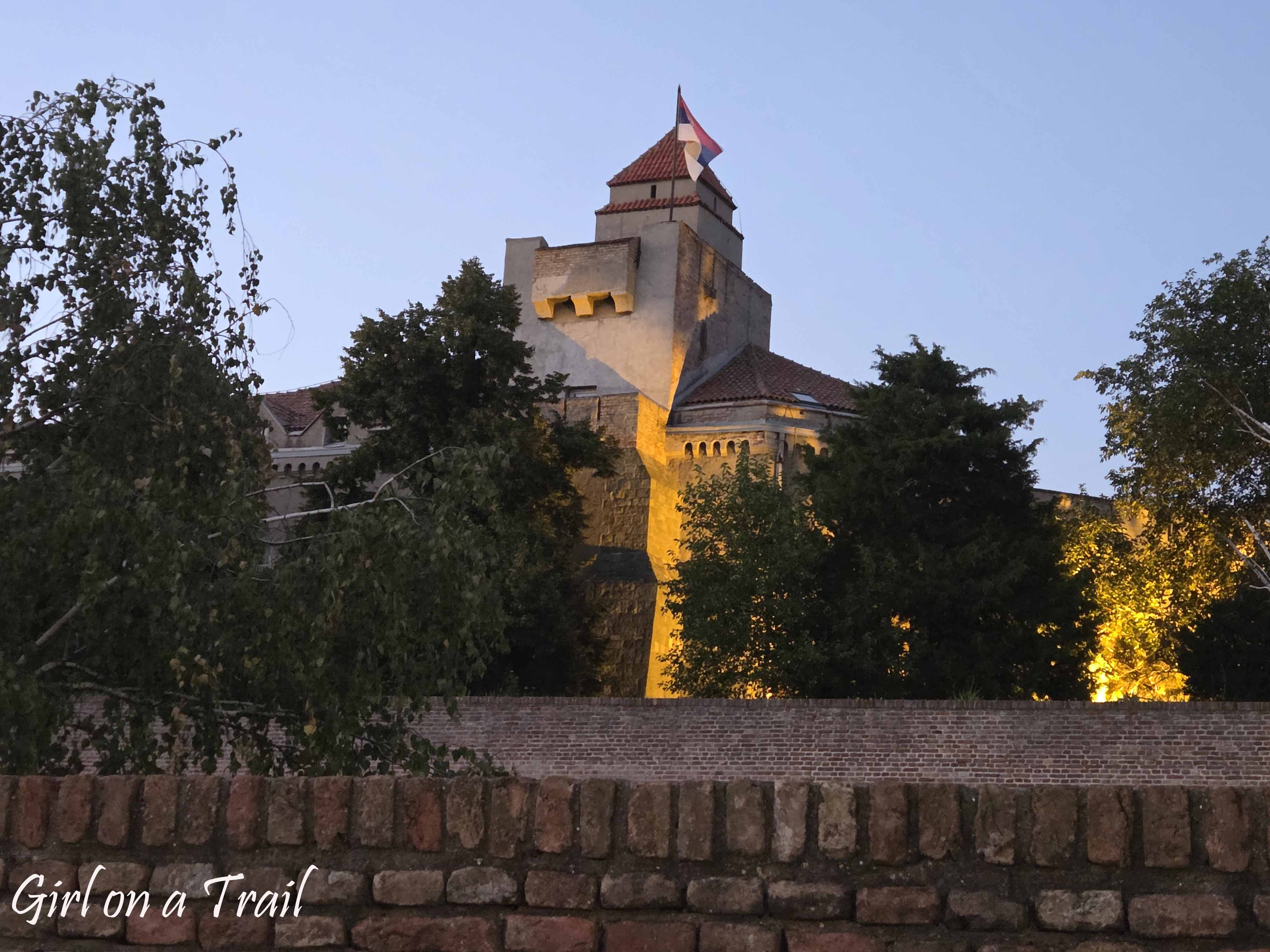
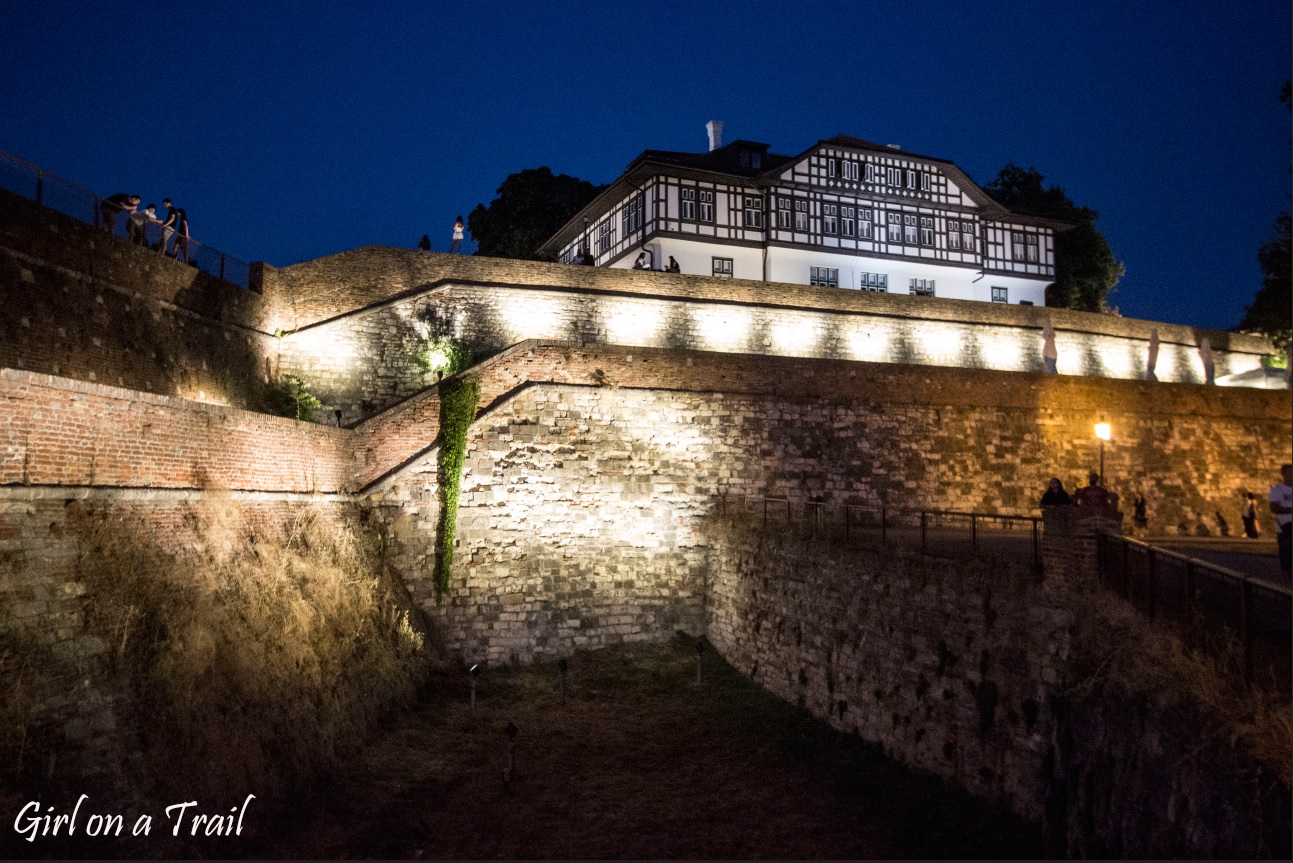
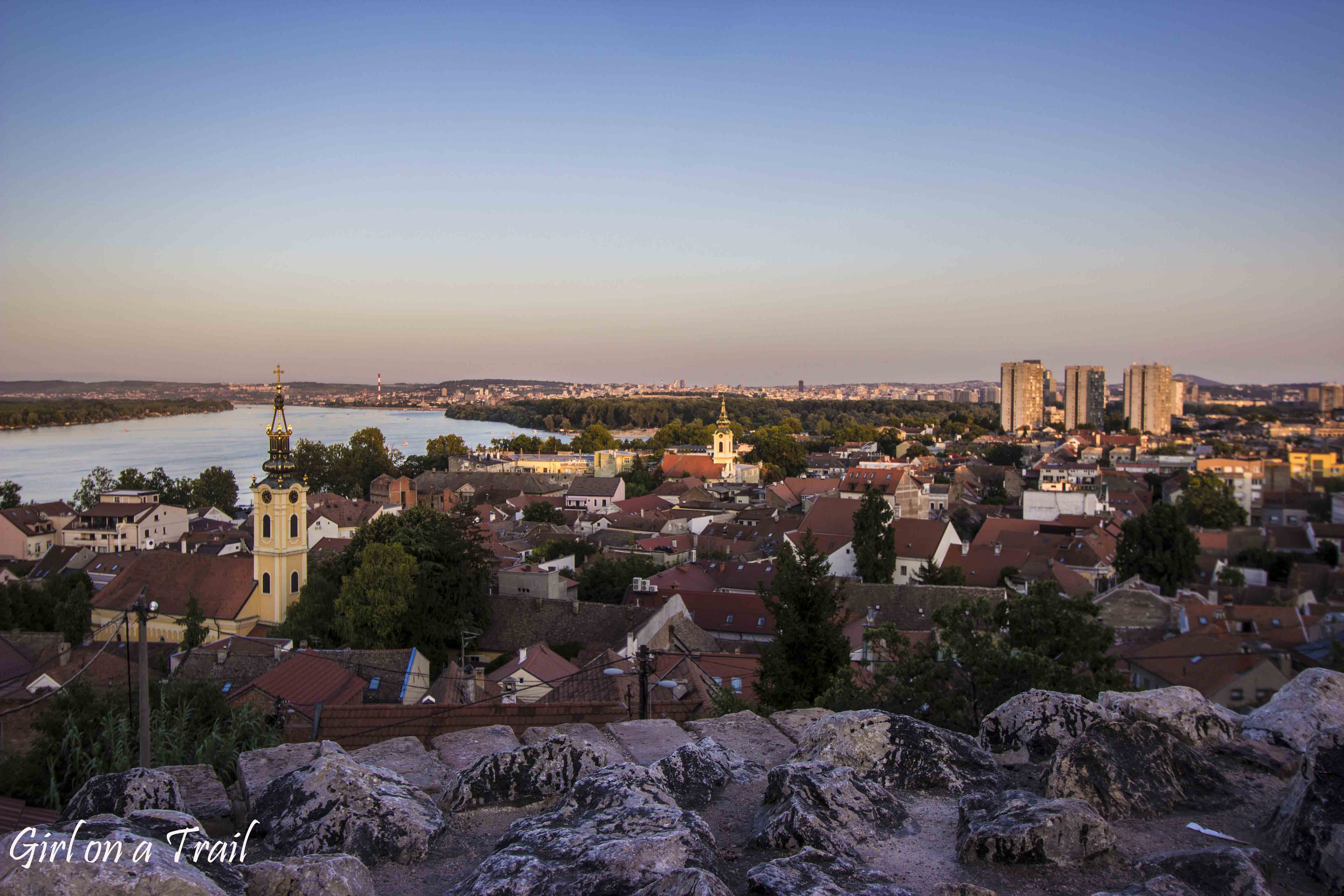
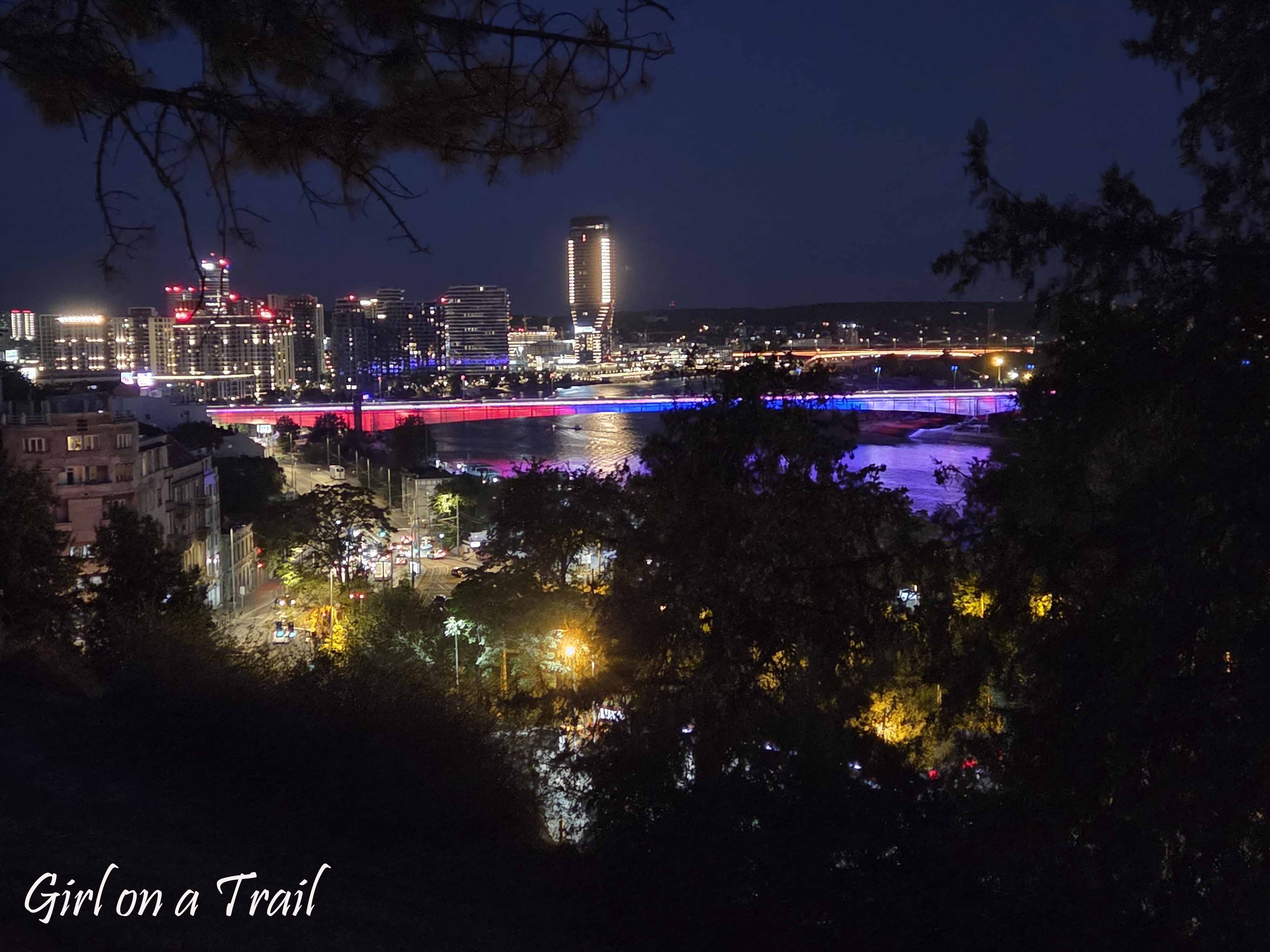
The fortress itself sits on a hill offering fantastic views of the point where the Sava meets the Danube. And I think that view alone is one of the reasons why it’s worth coming here, even if history isn’t exactly your cup of tea. 😉
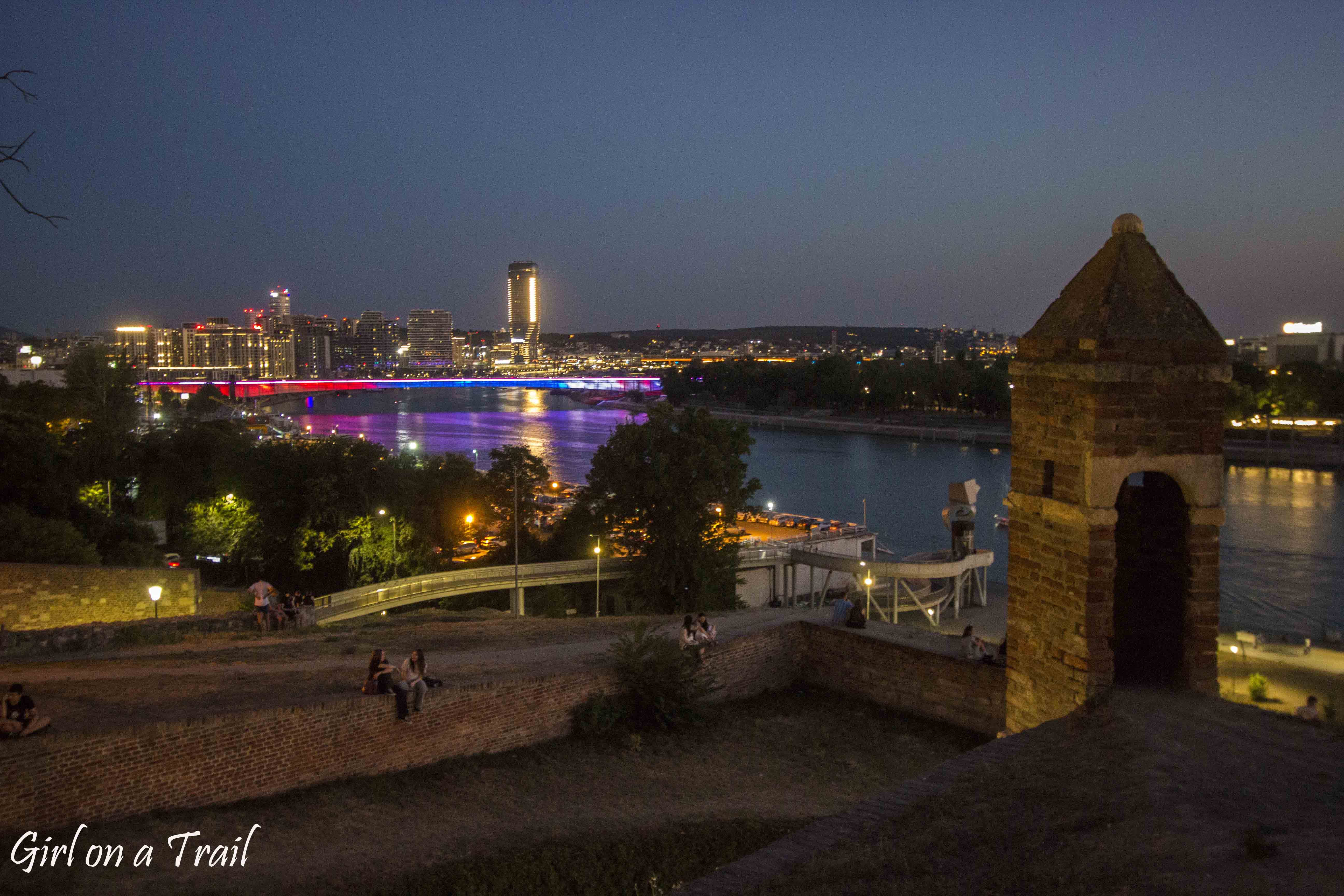
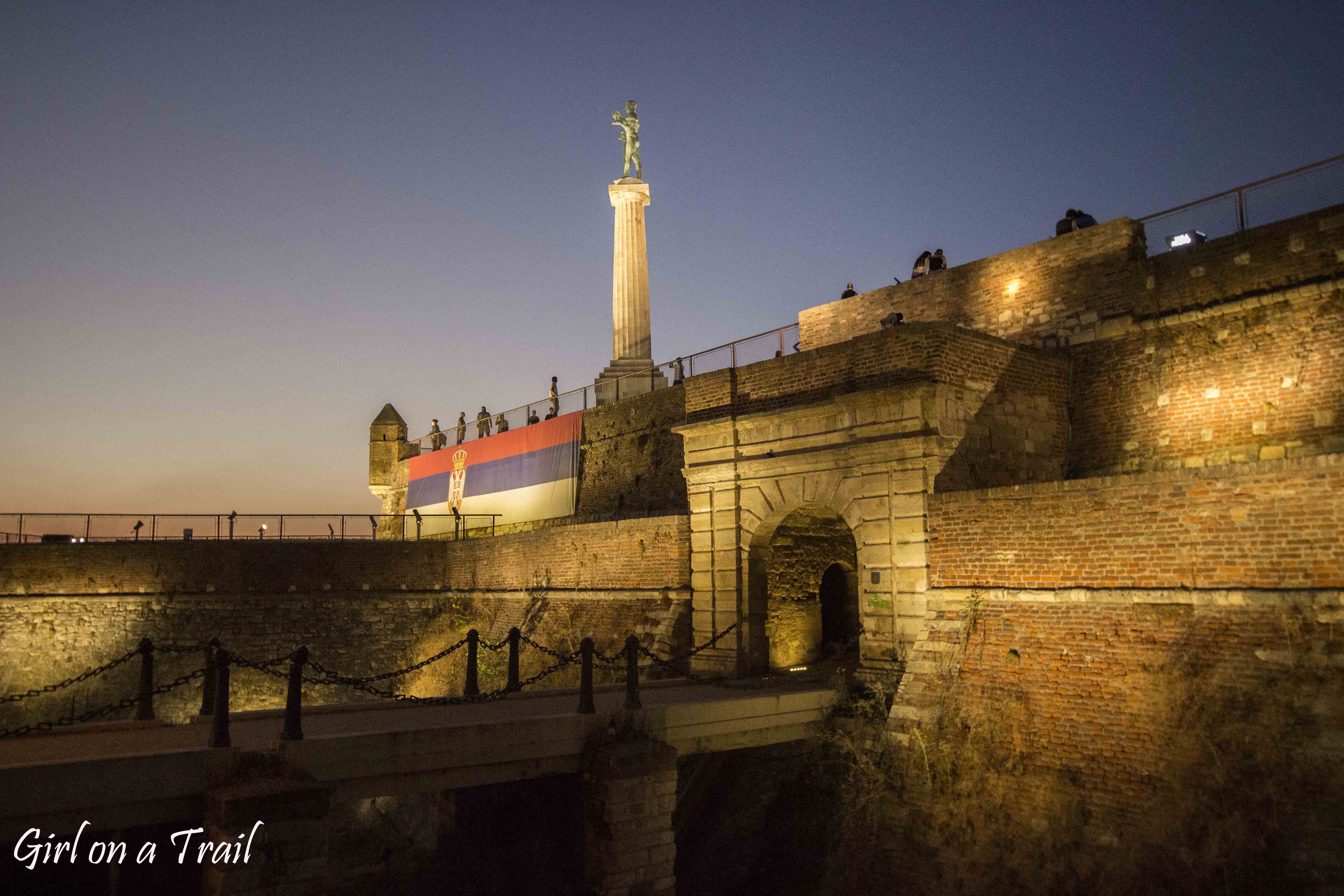
On top of that, there’s a huge park, plenty of paths, benches, and people out walking or simply relaxing – it’s the kind of place where you can easily spend a few hours without having any particular plan.
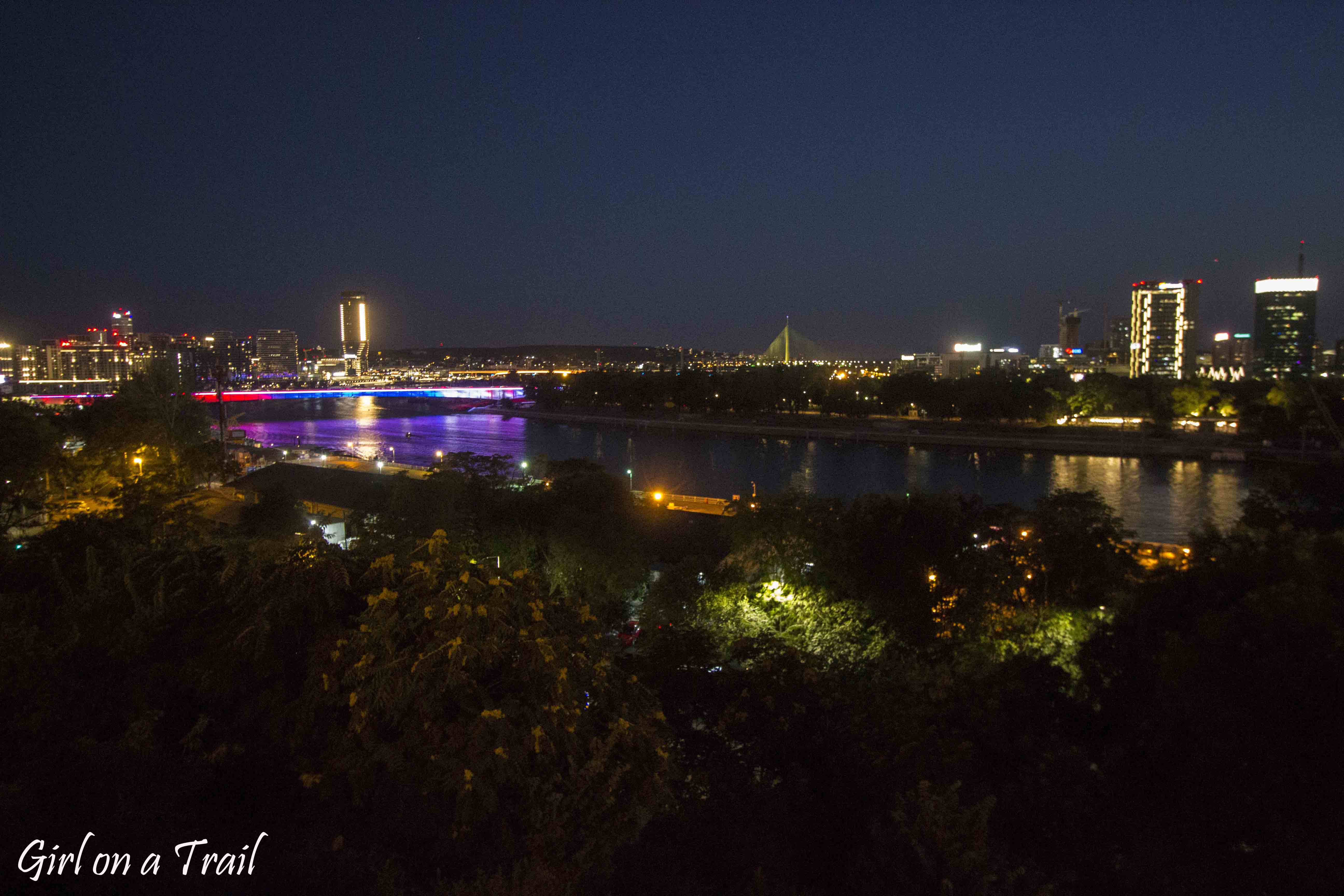
The following day, I decided to see a completely different side of Belgrade.
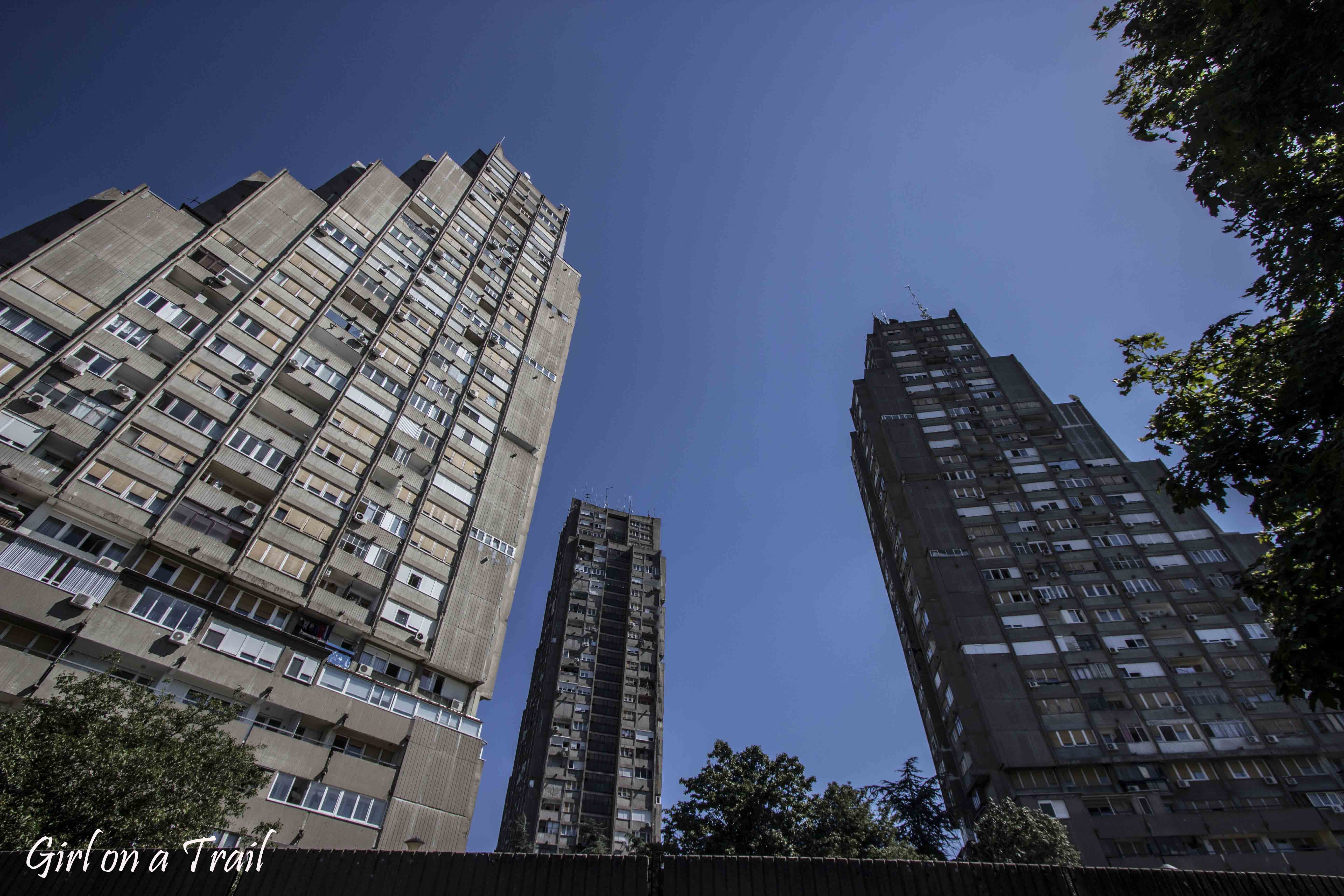
One thing that particularly caught my attention in the city was the futuristic architecture from the Yugoslav era. And Belgrade definitely has plenty to show off in that topic. One of the most distinctive examples is the Eastern City Gate of Belgrade, three enormous residential towers known as Rudo. From a distance, they look a bit like three giant concrete pyramids. Each one has 28 floors and stands almost 100 metres tall. This is exactly the kind of architecture you either fall in love with or look at and think, what on earth were they smoking? 😂 I’m definitely in the first camp. The buildings were constructed in the 1970s, at a time when Yugoslav modernism had ambitions of creating cities of the future. Today, they’ve clearly seen better days, but somehow that makes them even more impressive. On one side, there’s the monumental vision of socialist Yugoslavia; on the other, the reality of the present day, with concrete that has definitely seen better times.
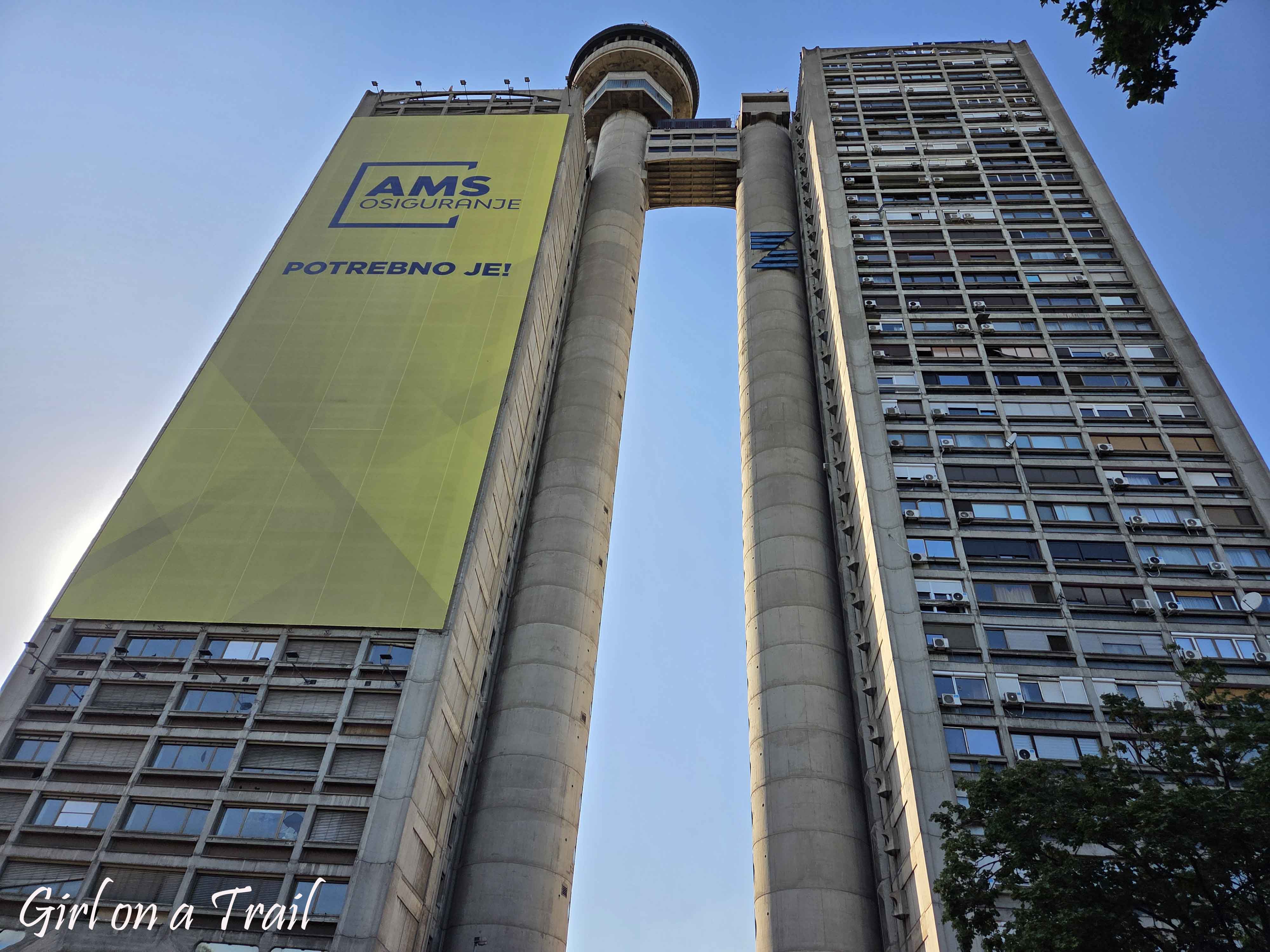
But the architectural monsters don’t end there. On the other side of the city stands the so-called Western City Gate of Belgrade, better known as the famous Genex Tower. And here, it’s genuinely hard not to think you’ve stumbled into some seriously wild vision of the future. Two interconnected towers form a huge concrete structure topped with a distinctive circular crown, which once housed a revolving restaurant. The building was completed in the late 1970s and was intended to serve as a symbolic gateway to Belgrade.
After all that concrete, I decided I probably needed to see something a little more picturesque. 😂 So I headed to Zemun. Historically, it was a separate town and was only incorporated into Belgrade in 1934. Even today, though, it has a completely different character. Instead of Yugoslav concrete, you’ll find low-rise buildings, cobbled streets, cosy restaurants and a riverside promenade along the Danube.
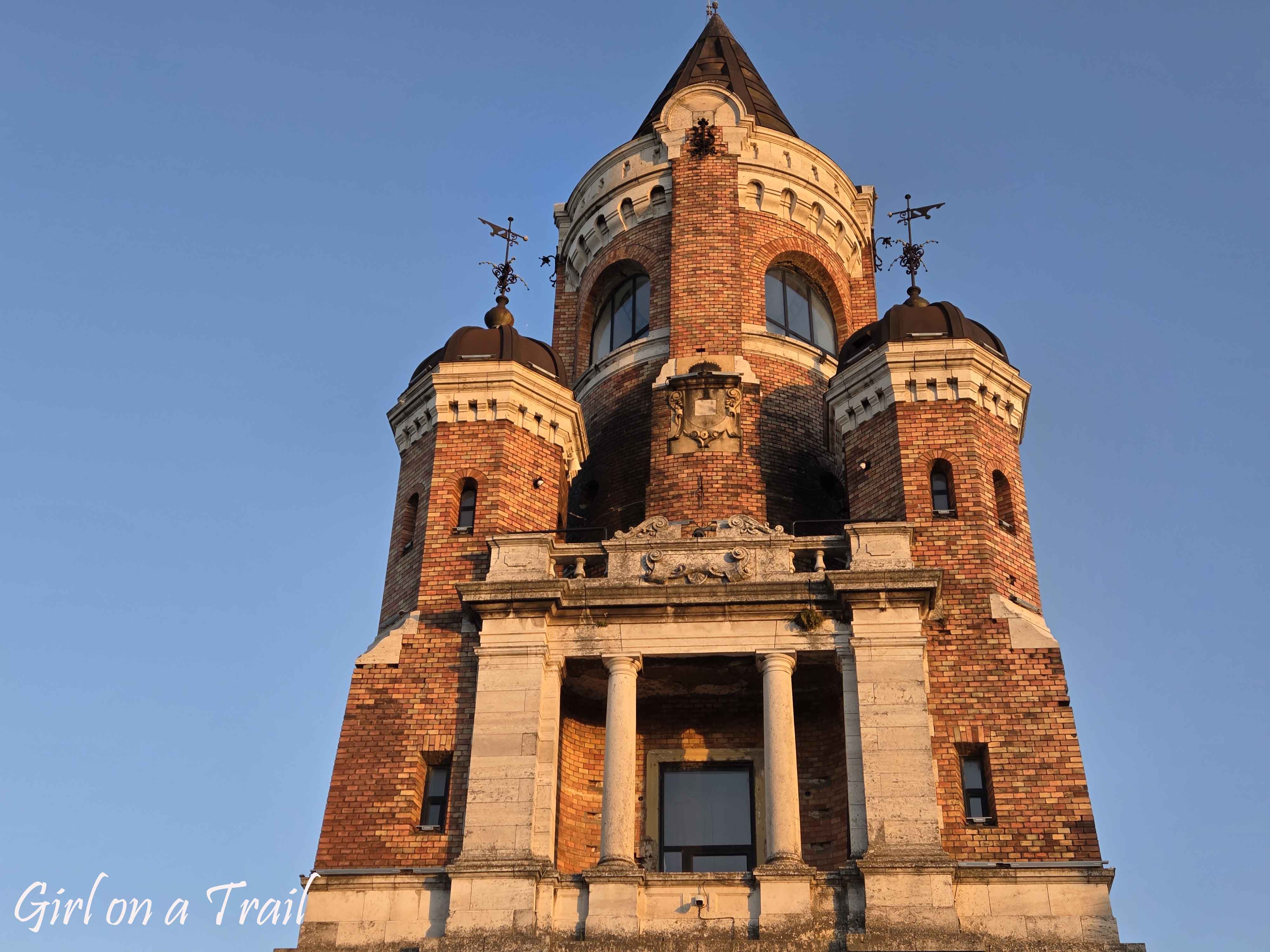
Towering over Zemun is Gardoš Tower, one of the best viewpoints in this part of the city. It stands 36 metres high and was built in the late 19th century. You can climb to the top via the original old staircase, and from the viewing terrace you get views across Zemun, the Danube and a good chunk of Belgrade.
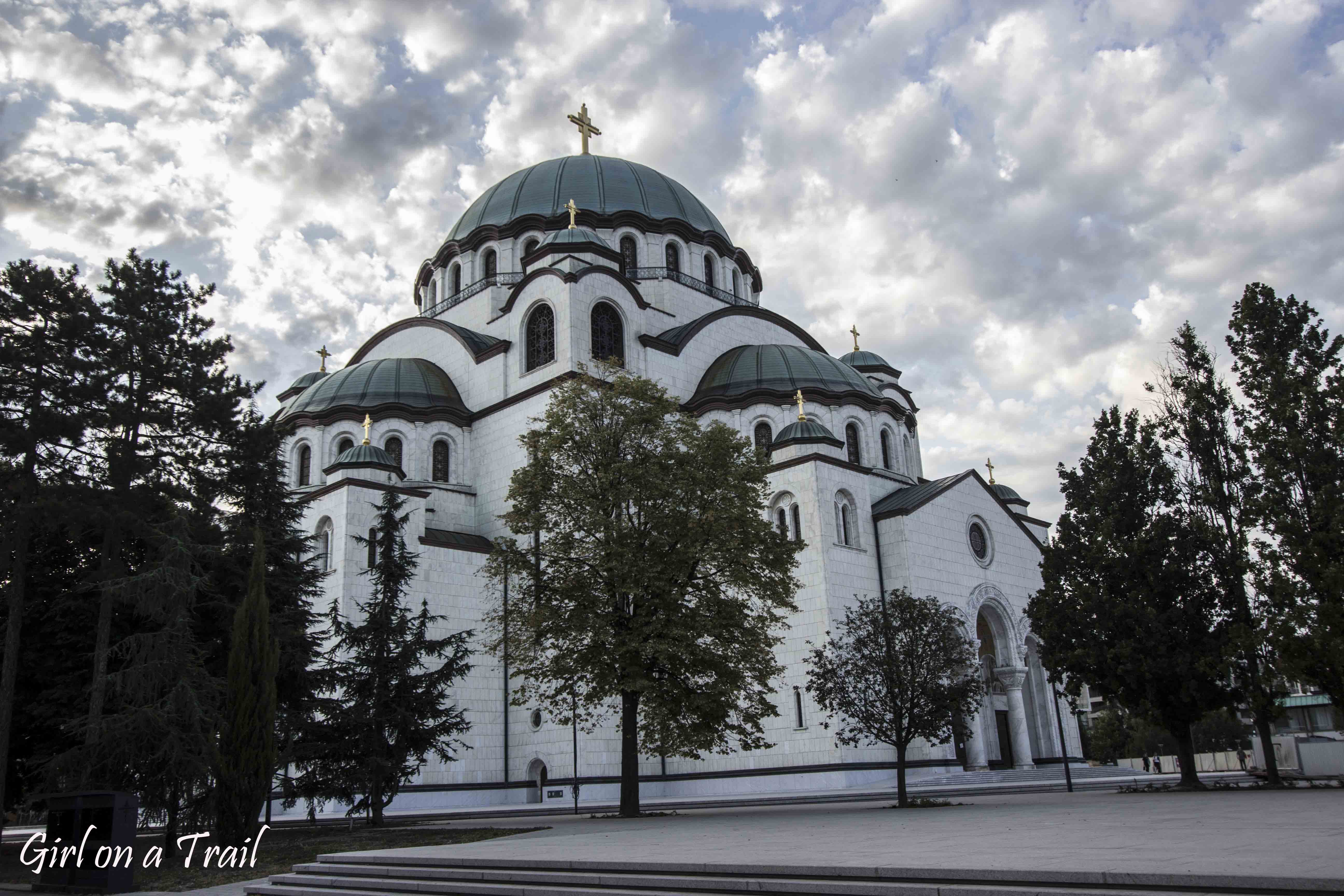
I left the Church of Saint Sava until the end. It’s one of the largest Orthodox churches in the world, and a building that looks monumental from a distance but is even more impressive up close. Its history is every bit as complicated as that of the city itself. It stands on the site where, according to tradition, the Ottomans burned the relics of Saint Sava in the 16th century. Construction of the present church finally began in 1935, but was interrupted first by the Second World War and later by the communist period. Work resumed many years later and was only formally completed in the 21st century.
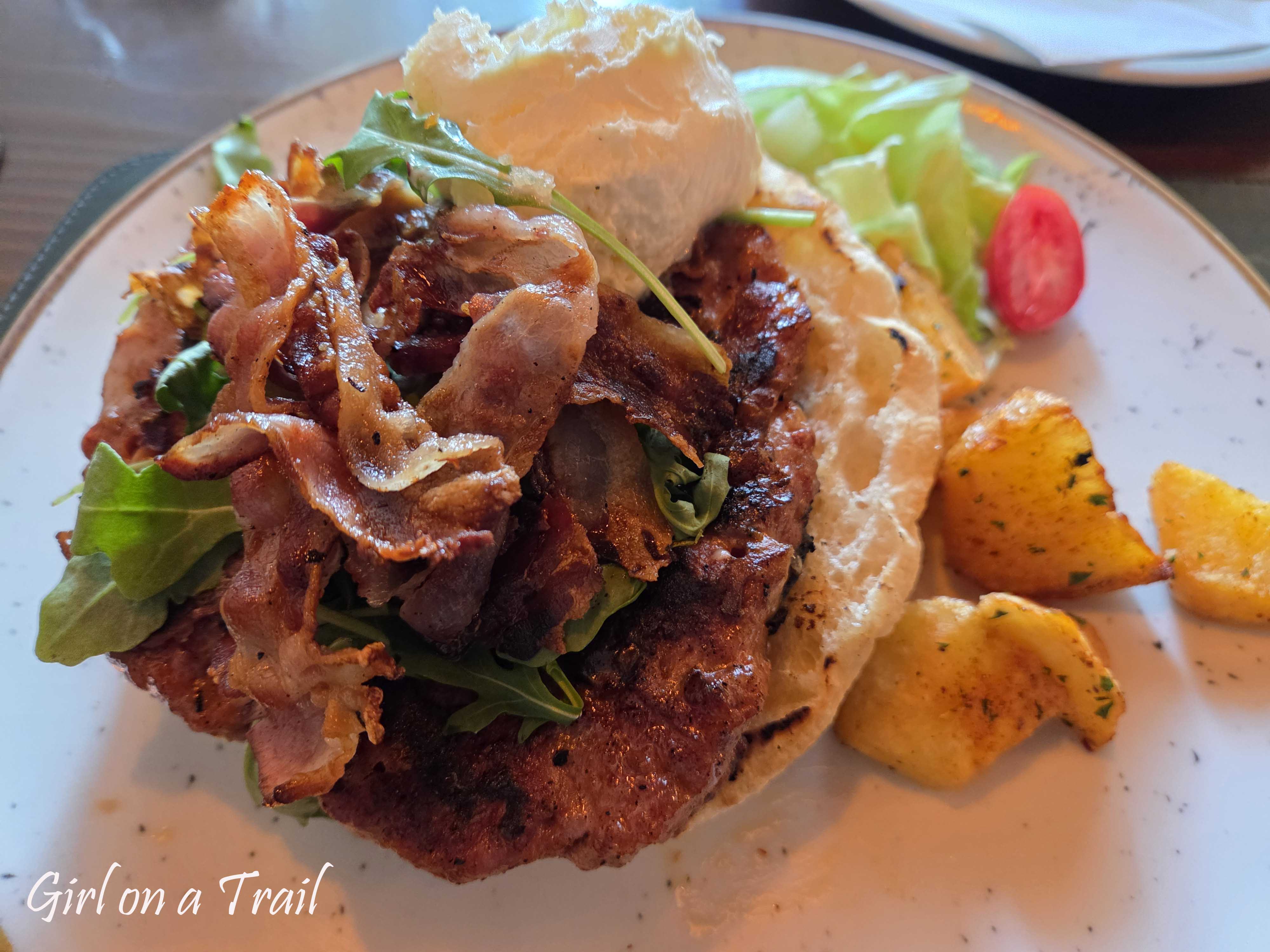
However, you can’t spend all day sightseeing, and after several hours of walking around Belgrade, it was time for something a little more down to earth – food. After all, I hadn’t come to Serbia just to look at old buildings. I had to find out what Serbian cuisine was all about. I ended up at Restoran Mesara Mandić, and I can definitely recommend it. It’s one of those places where what’s on your plate matters far more than fancy interiors. There’s a butcher’s shop downstairs, so the meat on my plate had a pretty short journey to make. 😉 I ordered pljeskavica, and it was seriously good – juicy, well-seasoned and exactly what I’d hoped for from a proper Serbian grill. If you’re after a decent portion of meat, this place is well worth a visit. It might not be the most Instagrammable spot in Belgrade, but who needs Instagram when the pljeskavica does all the talking? The dish cost 890 Serbian dinars, which works out at roughly £6.50 / €7.60.
After a full day of walking around Belgrade, taking in ruins, futuristic towers, traces of war, old Zemun and the fortress, I felt as though I’d seen several completely different cities – and yet somehow, it was all still the same Belgrade. And I think that’s exactly what I found most captivating about it, the sheer diversity of it all.

You May Also Like

Albania – bunkers, Girl off the trail
Girl on a Trail: Luxembourg – Vianden
