
Belgrade – a city of contrasts, history and Balkan chaos
Belgrade was the second stop on my longer holiday trip this year. I spent the first part in Scotland, where I covered more than 3,200 km in nine days. And, to be completely honest, by then I’d had enough of driving, sightseeing, packing, unpacking and constantly being on the move. After such a marathon, the thought of clocking up even more kilometres in Serbia wasn’t exactly something I was looking forward to. But hey, it was part of the holiday plan, so there was nothing for it but to keep going. I flew to Belgrade in the late afternoon, picked up the car, drove to my accommodation and… promptly went on strike when it came to driving any further. Instead, I decided to walk to the city centre. And that’s when I discovered a very pleasant surprise – since 2025, public transport in Belgrade has been completely free. Buses, trams and trolleybuses – you simply hop on and off. To me, that sounded like perfect plan, especially after several thousand kilometres behind the wheel.
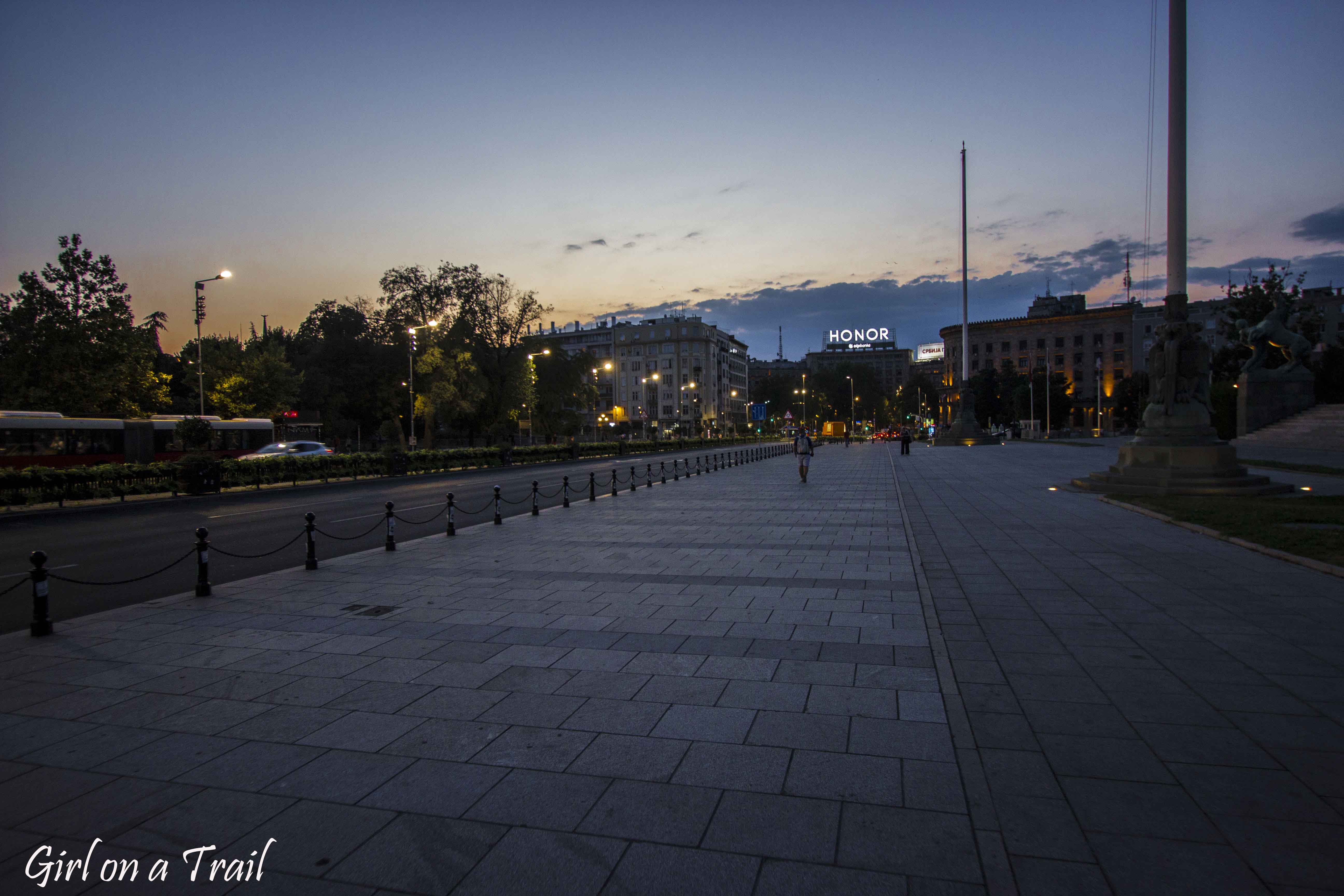
Belgrade very quickly showed me that it’s quite an unusual city. The Serbian capital has a history stretching back thousands of years, has had 15 different names, Roman roots, Ottoman influences, Yugoslav modernism, war ruins, underground bunkers, Orthodox churches, kafanas, urbex and one of the most distinctive nightlife scenes in Europe. I wouldn’t rule out coming back here for a weekend of partying sometime soon 😉 Especially as I like cities like this – a bit beautiful, a bit chaotic, a bit rough around the edges, but above all, full of character.
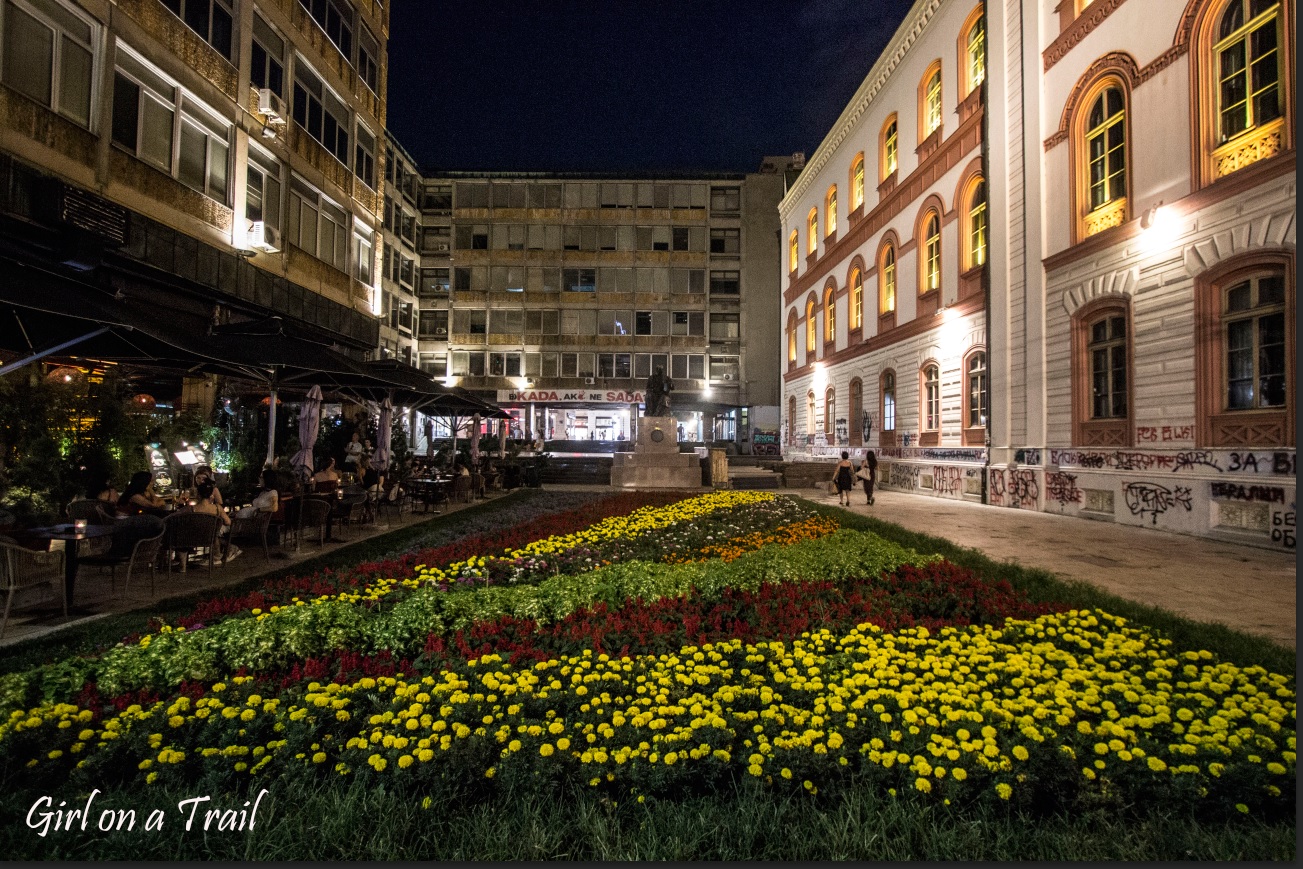
The first place I reached was Tašmajdan Park. And this is where Belgrade immediately showed me a much less touristy and considerably more tragic side of the city. The park is home to the “We Were Just Children” memorial, dedicated to the 89 children who were killed during NATO’s bombing of Yugoslavia in 1999. At the centre of the monument is three-year-old Milica Rakić, who was fatally wounded by shrapnel in her home on 17 April 1999. In front of the memorial stands a simple stone plaque bearing the words: “We were just children.” And I think it’s precisely that simplicity that makes the biggest impact. No grand words, no unnecessary pathos.
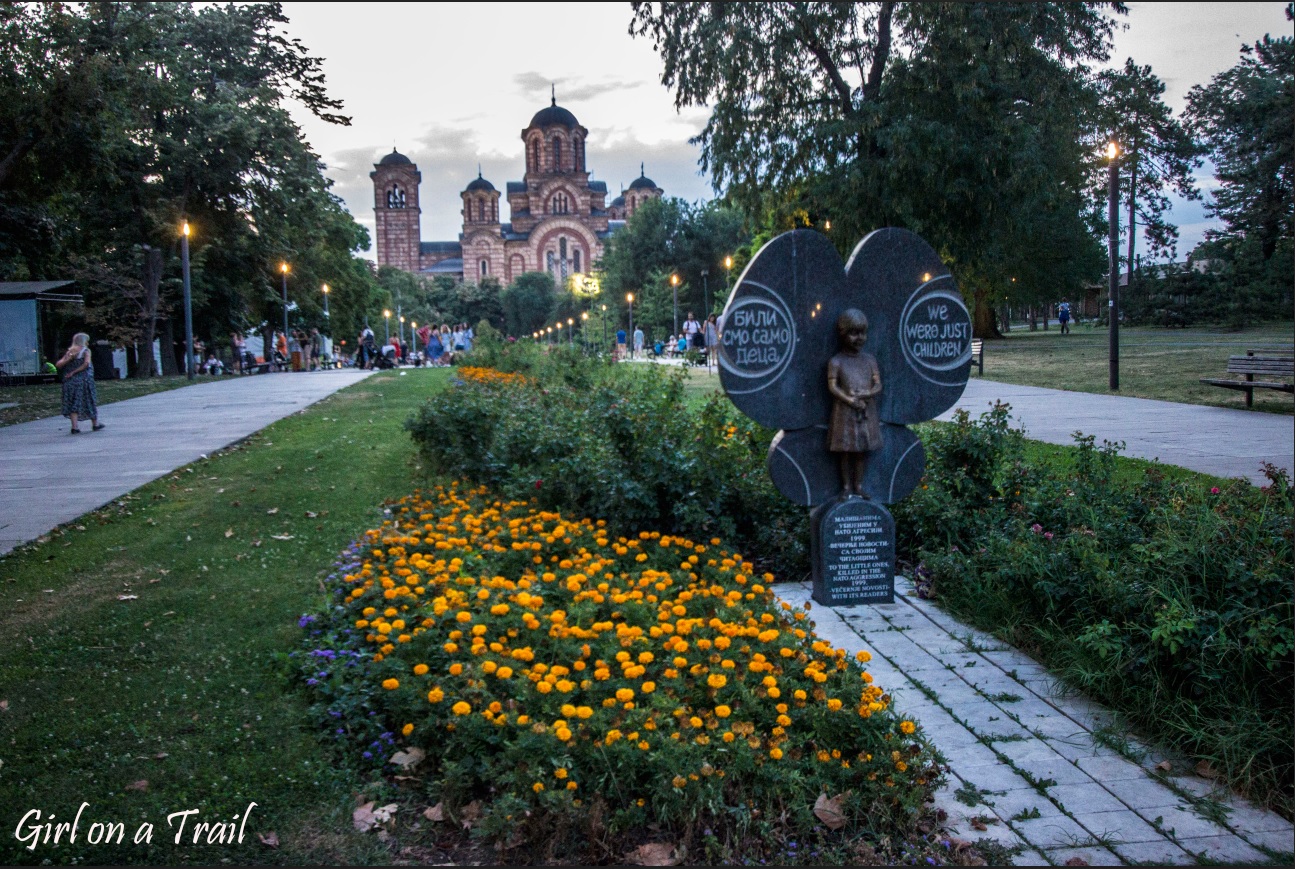
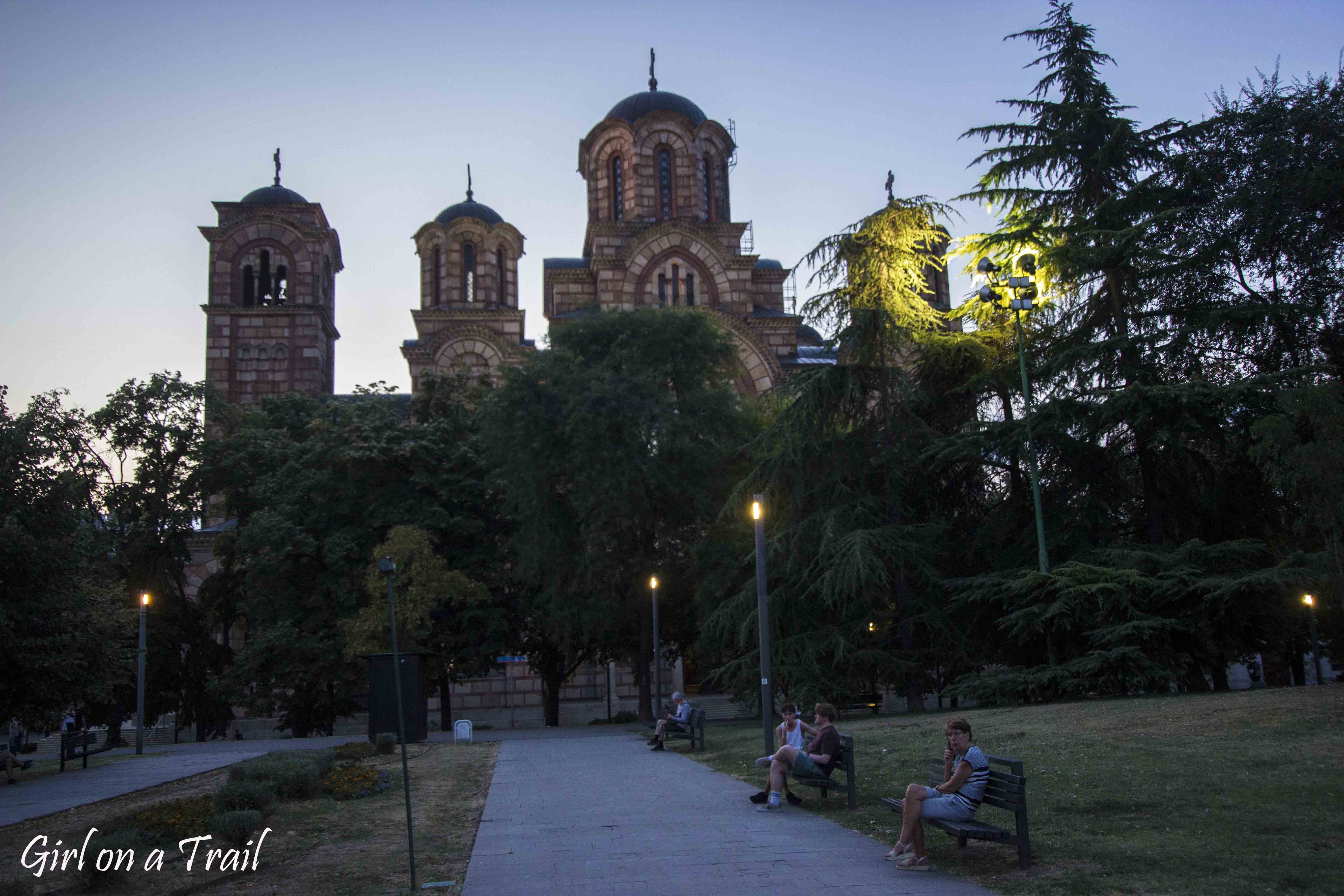
From Tašmajdan, I continued towards St Mark’s Church. This huge, distinctive red-brick church stands practically in the heart of the city and is one of the most recognisable landmarks in this part of Belgrade.
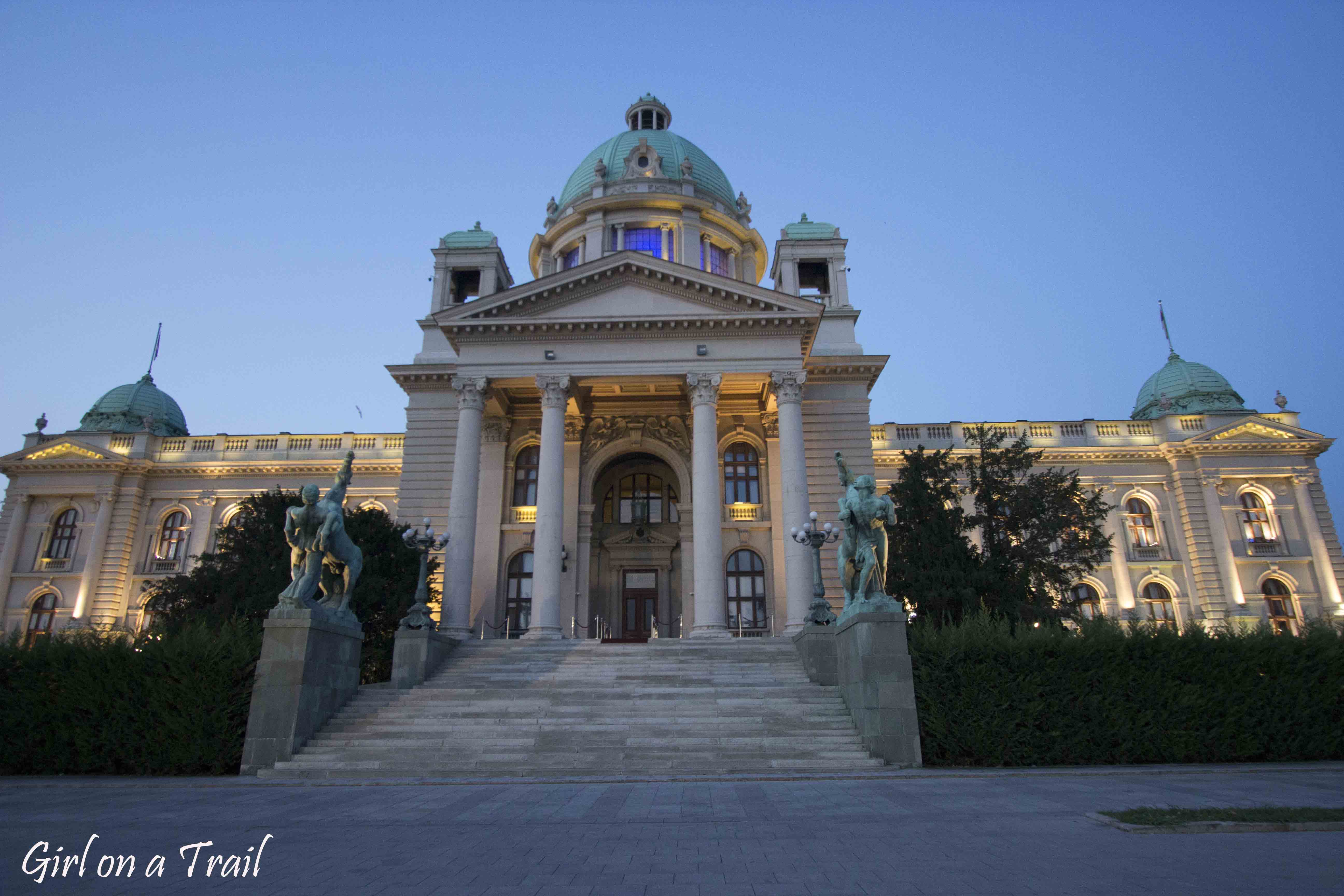
A few minutes later, I found myself outside the National Assembly of the Republic of Serbia. And once again, history here quite literally spills out onto the streets. The building itself dates back to the beginning of the 20th century, but construction dragged on for several decades and it was finally completed in 1936. Over the years, it housed the parliament of Yugoslavia, later the State Union of Serbia and Montenegro, and today, the National Assembly of Serbia. But it’s not the architecture itself that makes this place so interesting. On 5 October 2000, some of the most important events in Serbia’s modern history unfolded right here. Hundreds of thousands of people took to the streets, demanding the removal of Slobodan Milošević. Protesters stormed the building, which was partially set on fire and looted. One of the defining slogans shouted by the demonstrators was “He is finished.” It became a powerful symbol of the revolution and marked one of the key moments in bringing the Milošević era to an end.
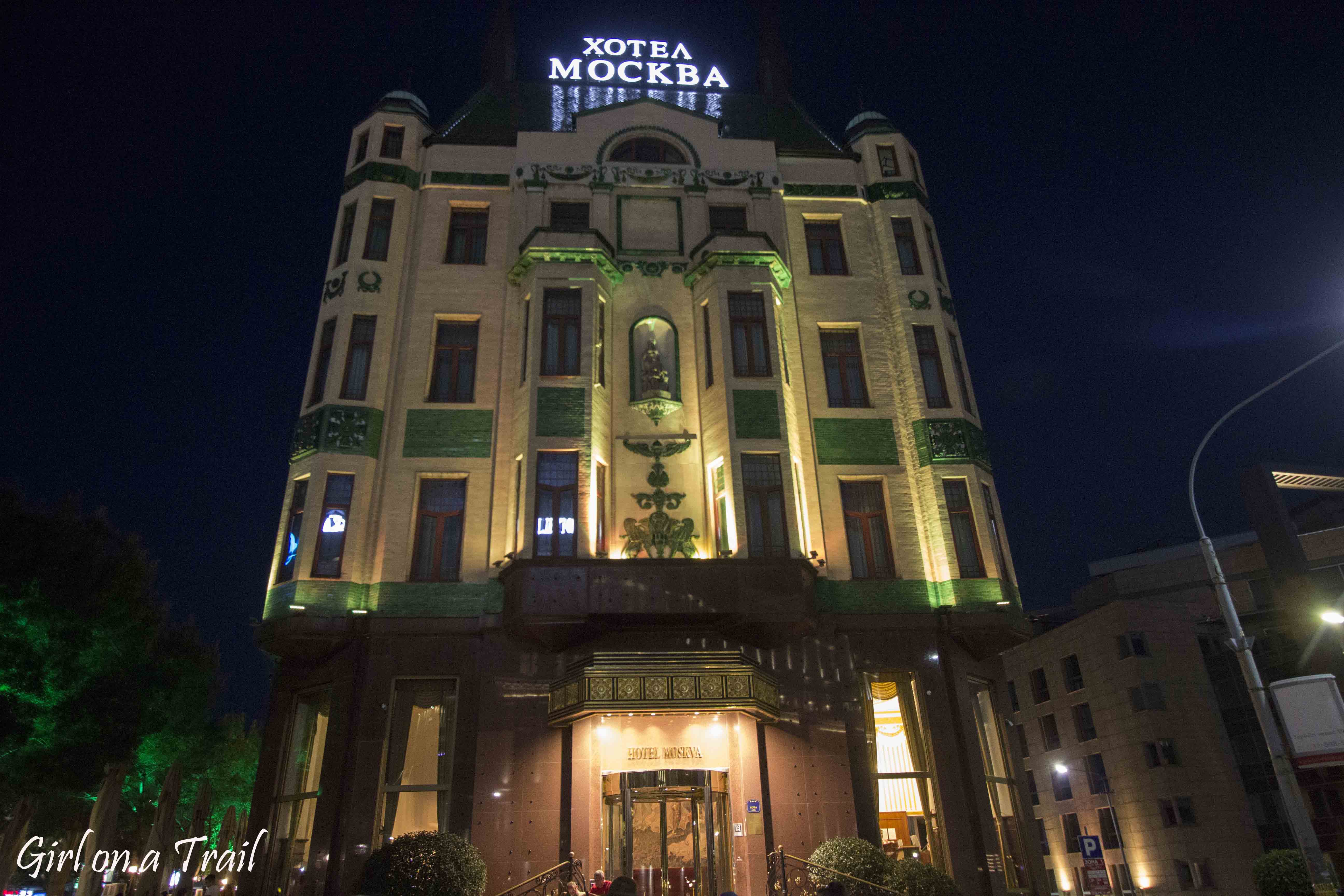
The next stop was definitely a heavier one. On the corner of Kneza Miloša and Nemanjina, stand the ruins of the former Ministry of Defence of the Federal Republic of Yugoslavia, which was bombed during the NATO air strikes in 1999. And this isn’t some subtle reminder of history. It’s a huge, gaping ruin with empty windows, standing practically in the middle of the city. The building was designed in the 1950s by architect Nikola Dobrović. Its distinctive, sweeping form was inspired by the landscape of the Battle of the Sutjeska, one of the major battles of the Second World War. It was hit several times during the bombing. Interestingly, its destruction was largely symbolic – the most important command functions had already been moved to a safer location. Today, the ruins remain untouched. And I think that’s precisely why they have such an impact. Belgrade certainly isn’t trying to sweep this part of its history under the carpet. The ruins are a very physical reminder of war, right in the middle of the modern city. Unfortunately, taking photographs of the building is prohibited, and the site is very closely monitored. So I wasn’t particularly keen on testing just how efficient the local authorities are. I then headed towards a more postcard-perfect side of Belgrade. At Terazije Square, I came across the Hotel Moskva, one of the city’s most distinctive buildings. Its richly decorated Art Nouveau façade, red carpet at the entrance and history stretching back to the beginning of the 20th century make it hard to miss. Among its famous guests over the years were Albert Einstein and Alfred Hitchcock.
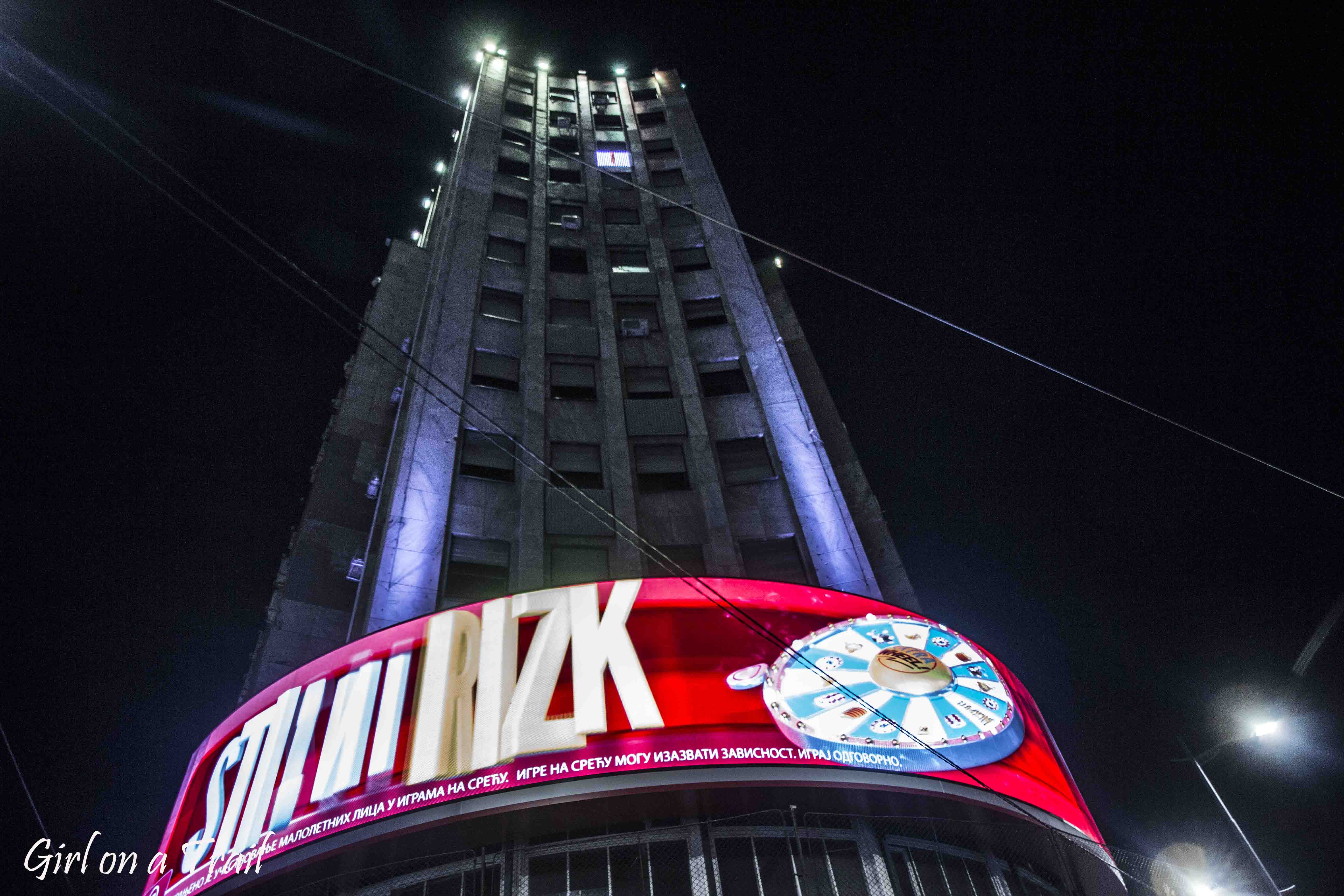
Right next to it stands the Albanija Palace, which may not look particularly spectacular today, but it has its own place in Belgrade’s history. Built in the 1930s, it was the city’s first skyscraper and for many years was one of the capital’s most recognisable landmarks.
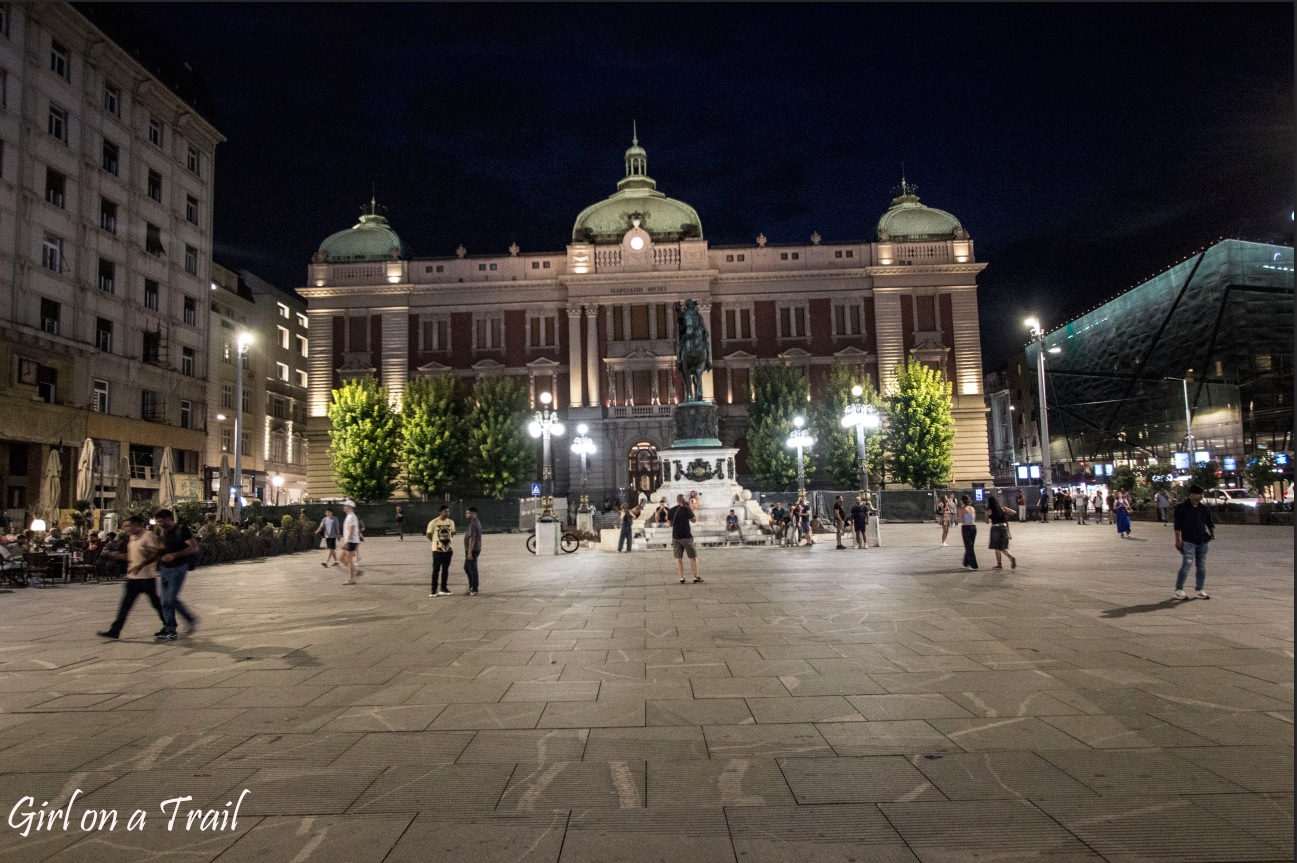
Nearby is Republic Square, one of those places where you can simply stop for a moment and watch Belgrade life. People heading in every direction, cafés, shops, street musicians and the constant buzz of the city.
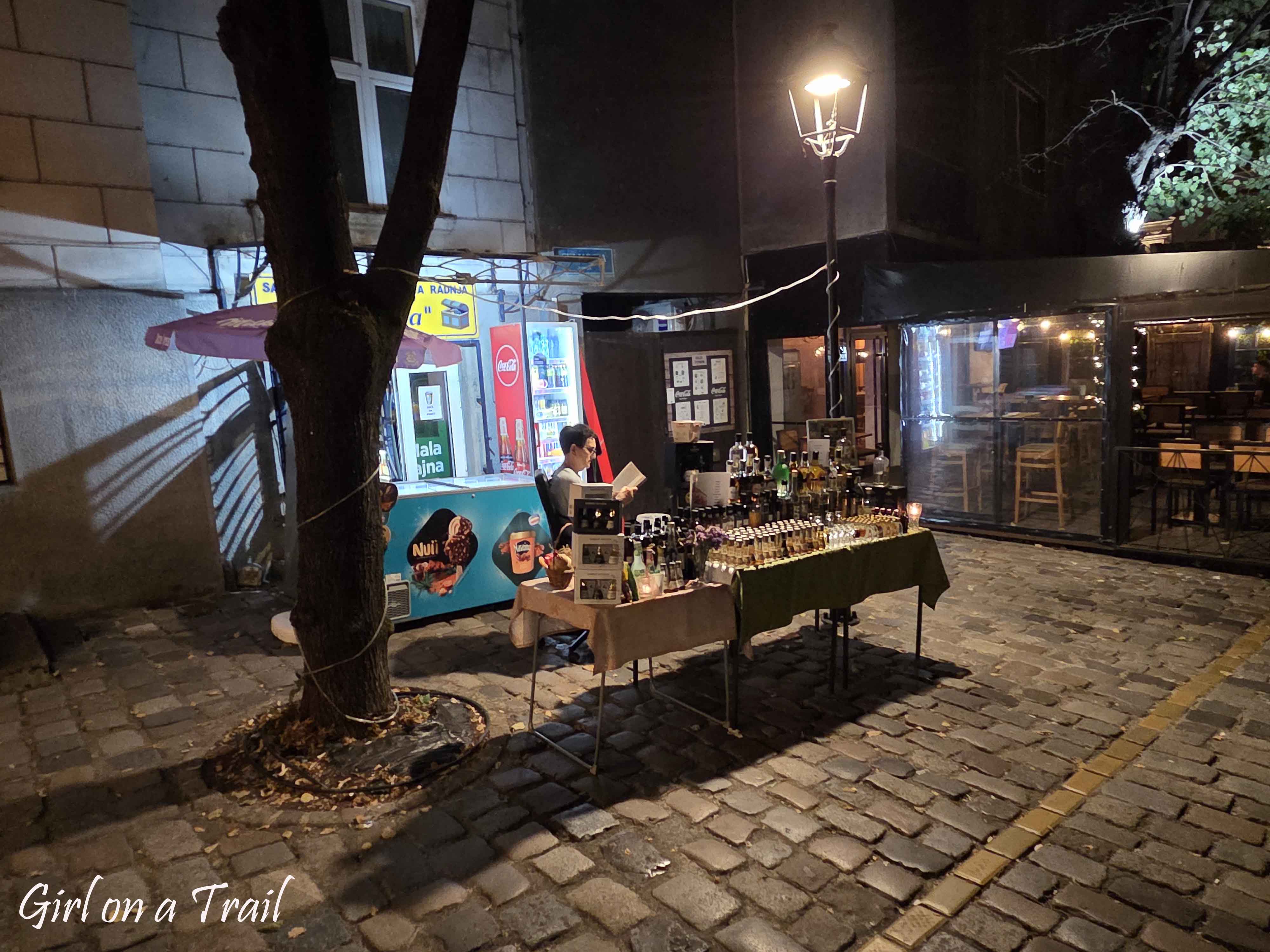
Since I was already in this part of the city, I couldn’t miss Skadarlija.
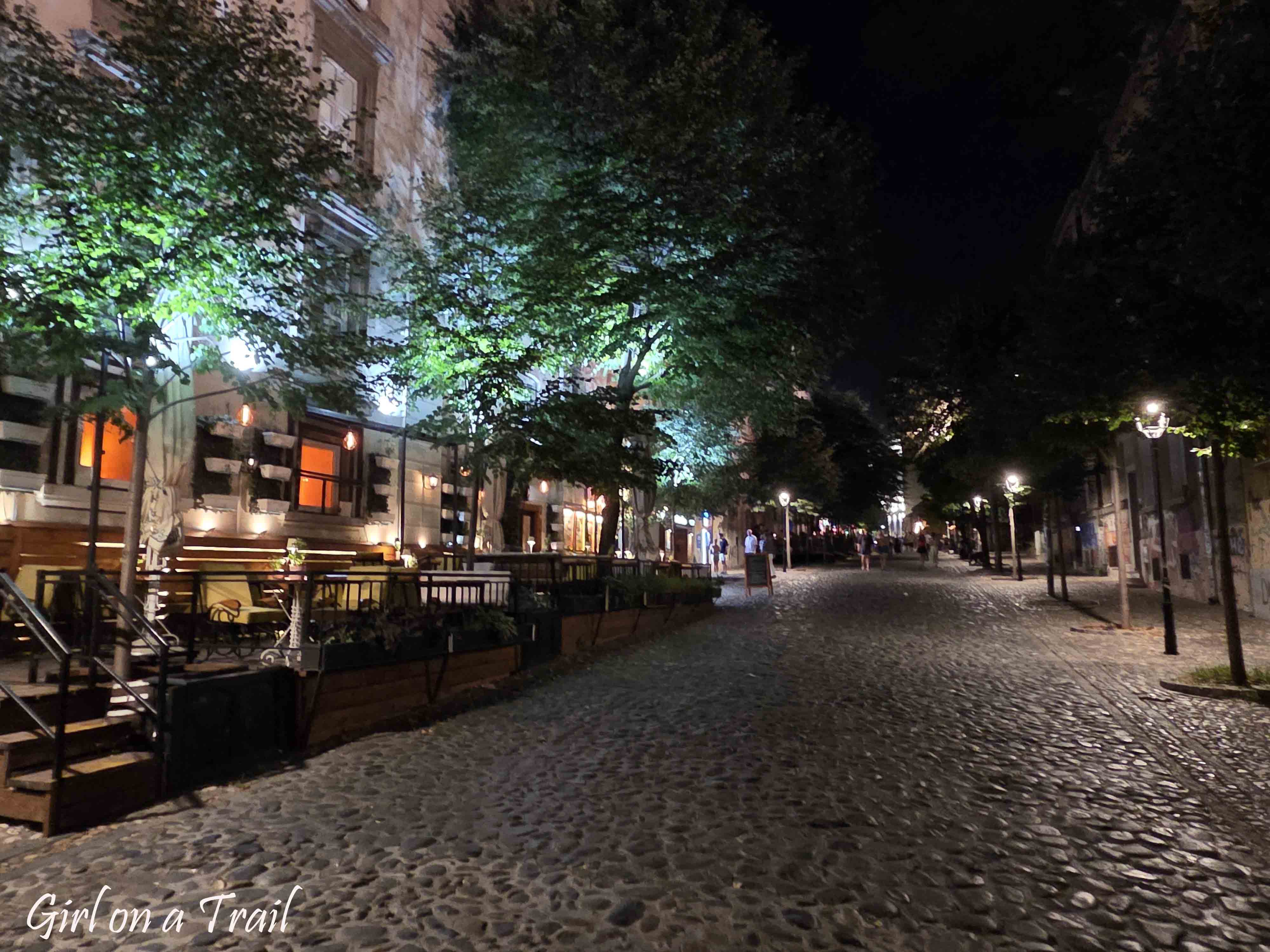
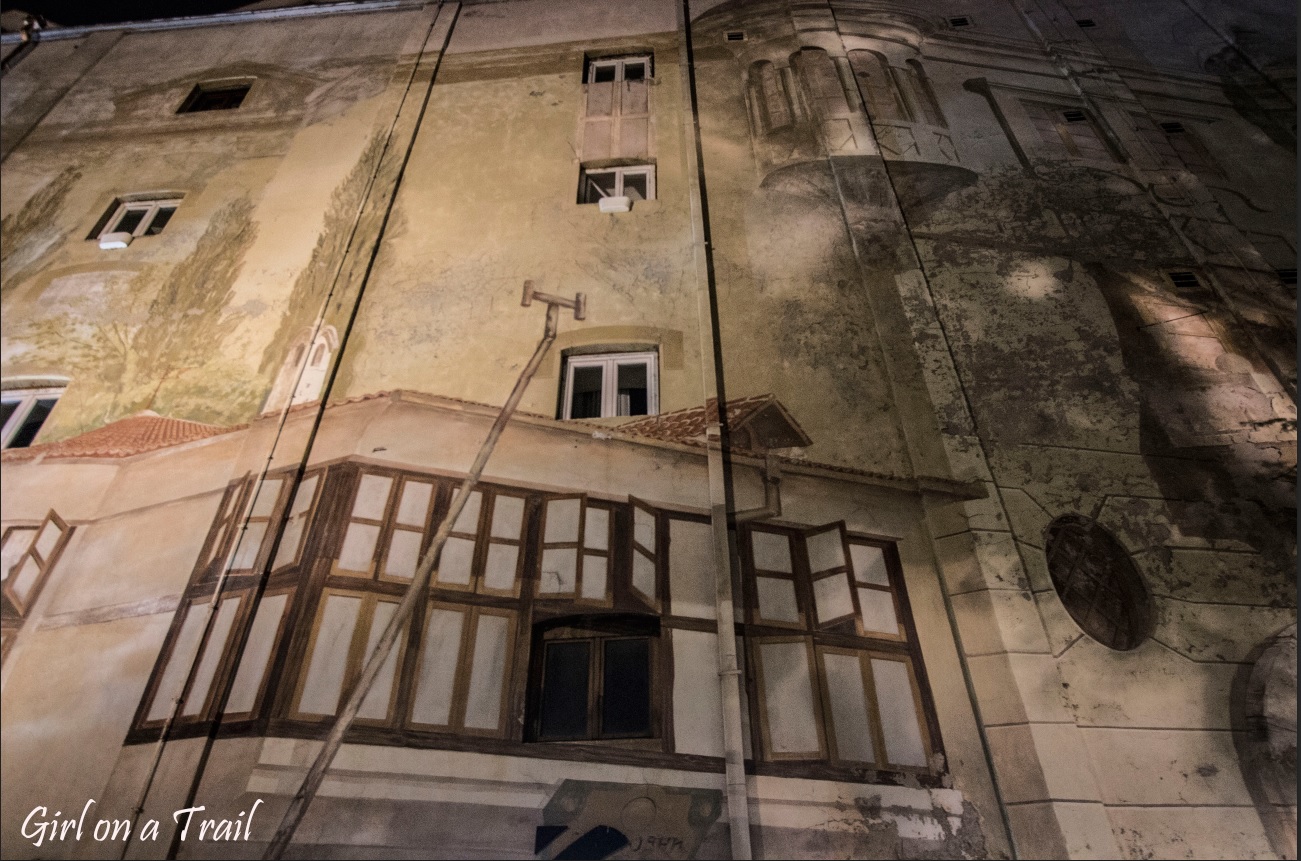
It’s one of the most atmospheric streets in Belgrade – cobbled, lined with restaurants, kafanas, music and distinctive old townhouses. It was once a favourite meeting place for artists, poets, actors and all sorts of bohemian characters. These days, it’s obviously much more touristy, but it still retains that unmistakable Balkan atmosphere.
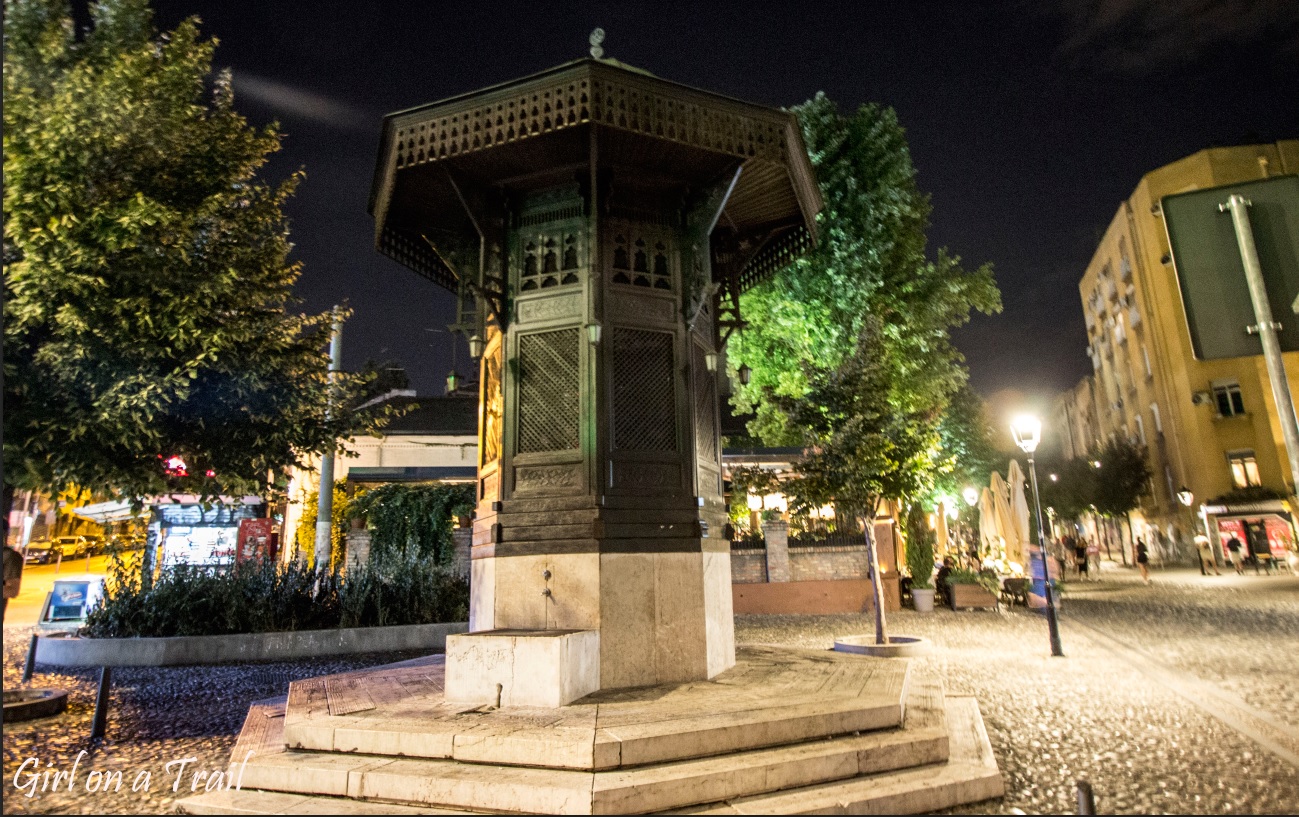
There was one more little surprise waiting for me here, particularly interesting for anyone who has previously been to Sarajevo. Around Skadarlija, you can actually find… a Belgrade copy of Sarajevo’s Sebilj. If you’ve been to Sarajevo, you’ll probably recognise the distinctive Ottoman-style fountain standing in Baščaršija. The one in Belgrade looks almost identical and was presented to the city by Sarajevo in 1989. Quite a symbolic gesture, especially when you consider what happened in the history of the two countries afterwards…
I then headed to the place that probably sums up this whole Balkan melting pot better than anywhere else – Kalemegdan Fortress. But I’ll save that for the next post, because that’s where Belgrade’s history gets seriously heavy… and the views aren’t bad either. 😉


You May Also Like
The North Coast 500 – through the Highlands on four wheels
Lisbon – from a different perspective, Girl off the trail!
