NC500 – far North Scotland
The NC500, or The North Coast 500, is one of Scotland’s most famous road trips – around 830 kilometres through the northern Highlands, following the coastline and winding through mountains, small villages, beaches, cliffs and places where it’s sometimes hard to believe you’re still in the UK.
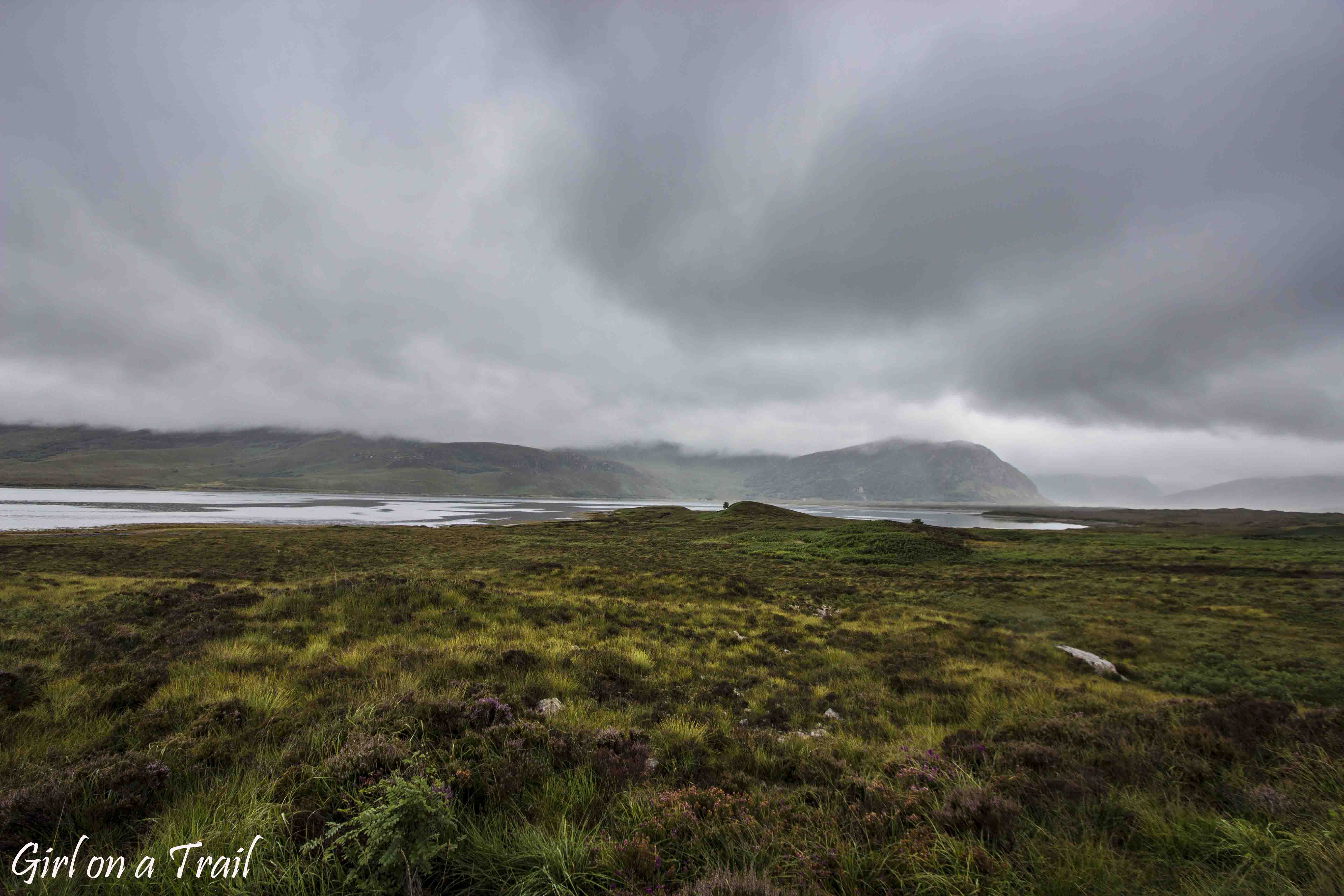
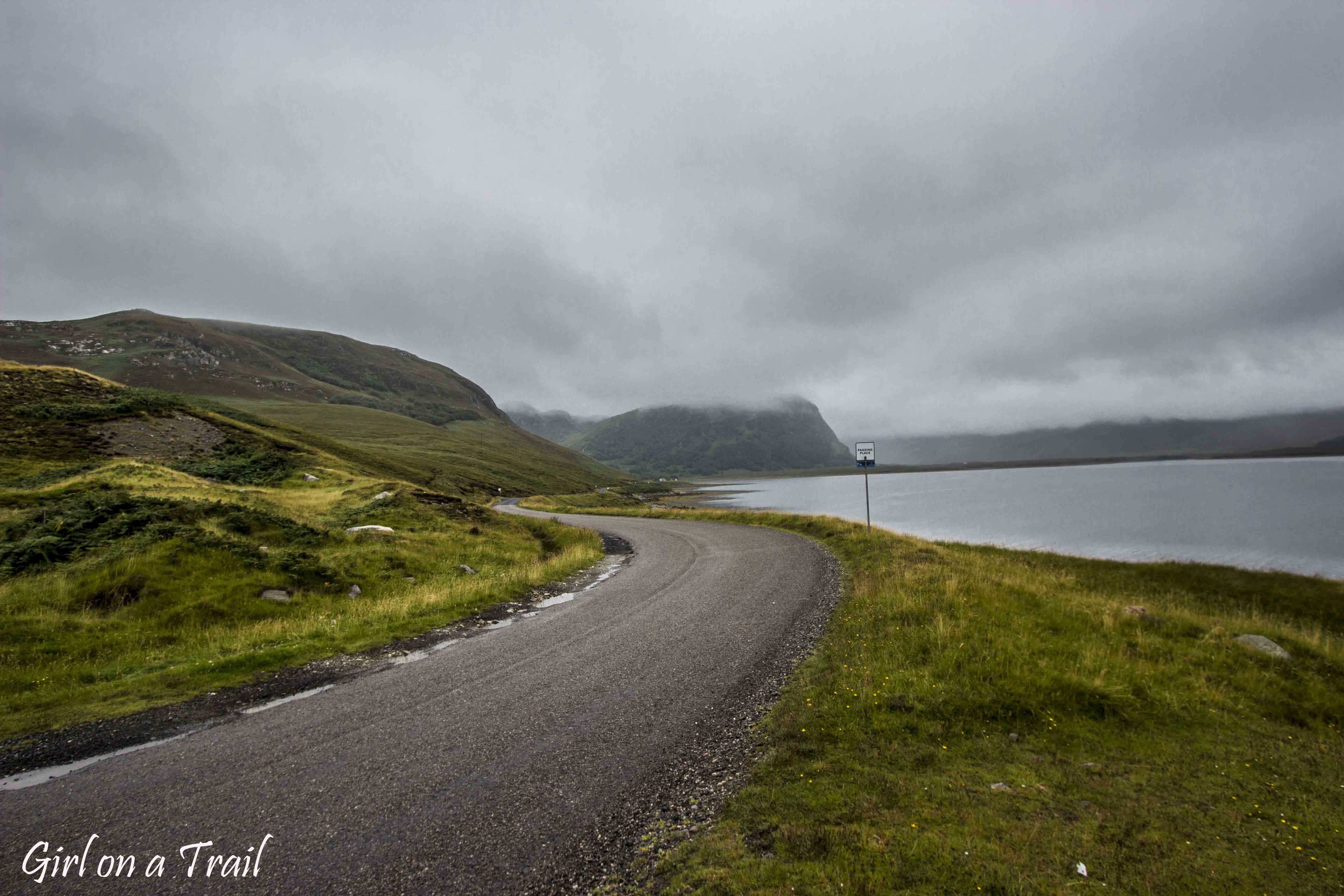
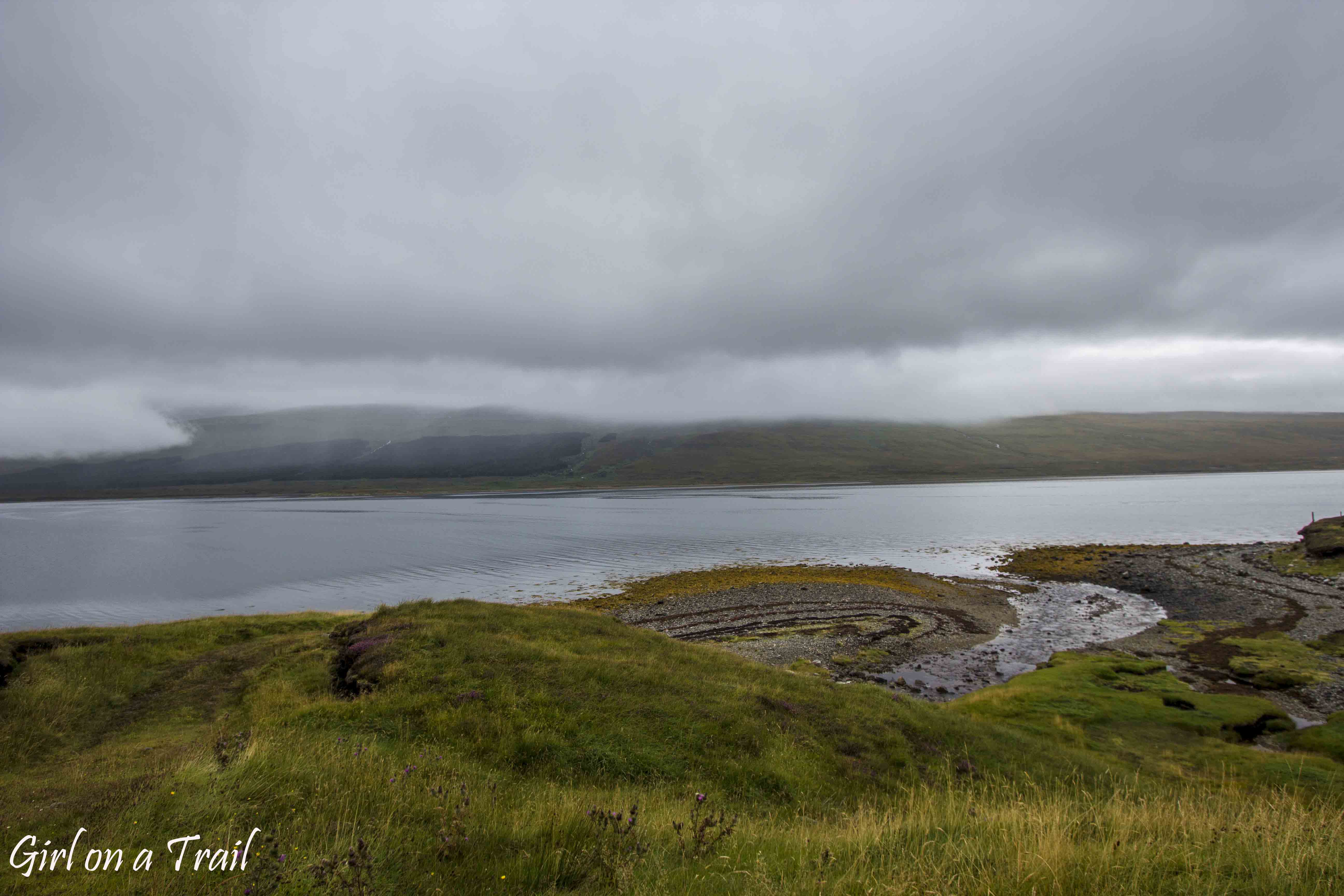
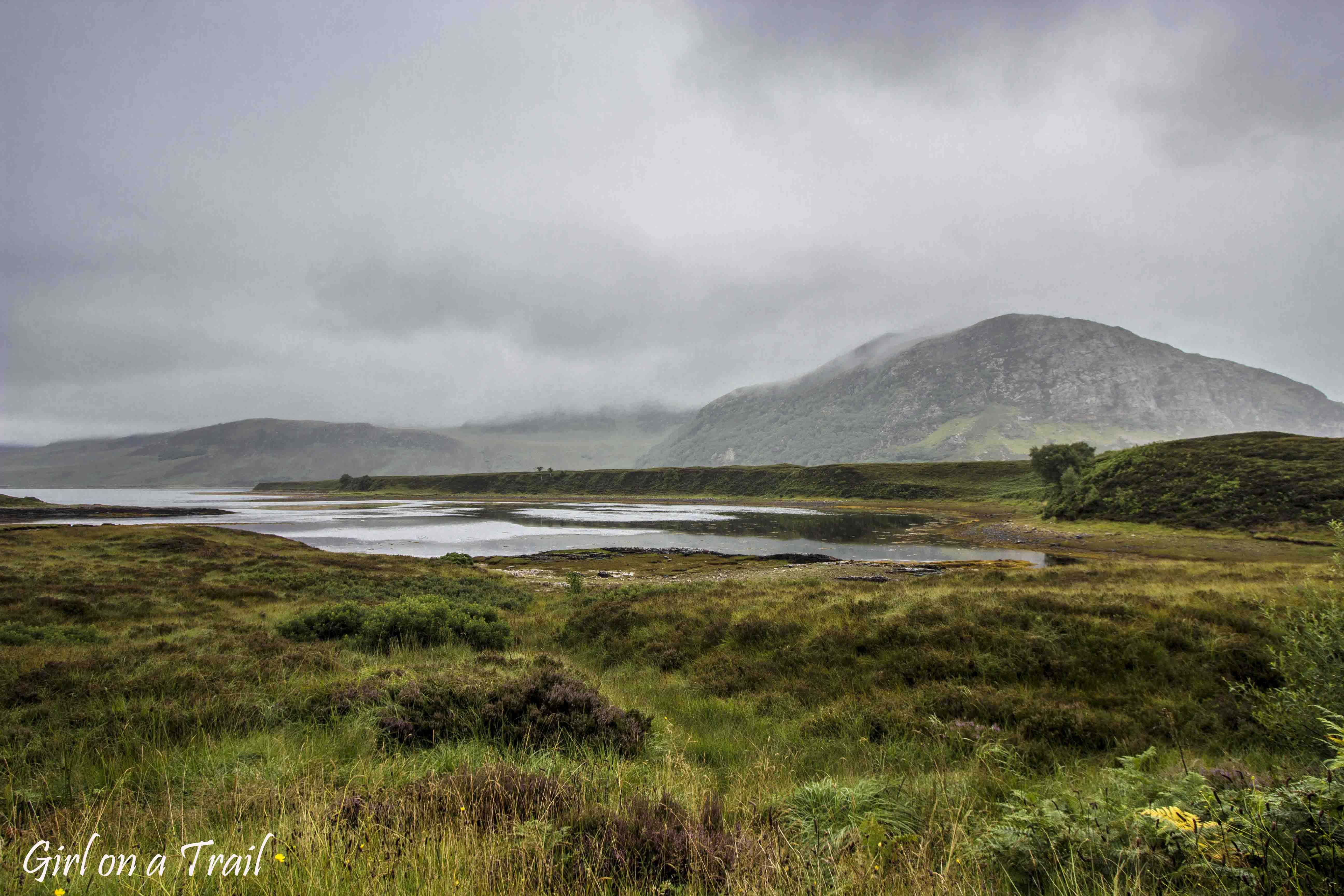
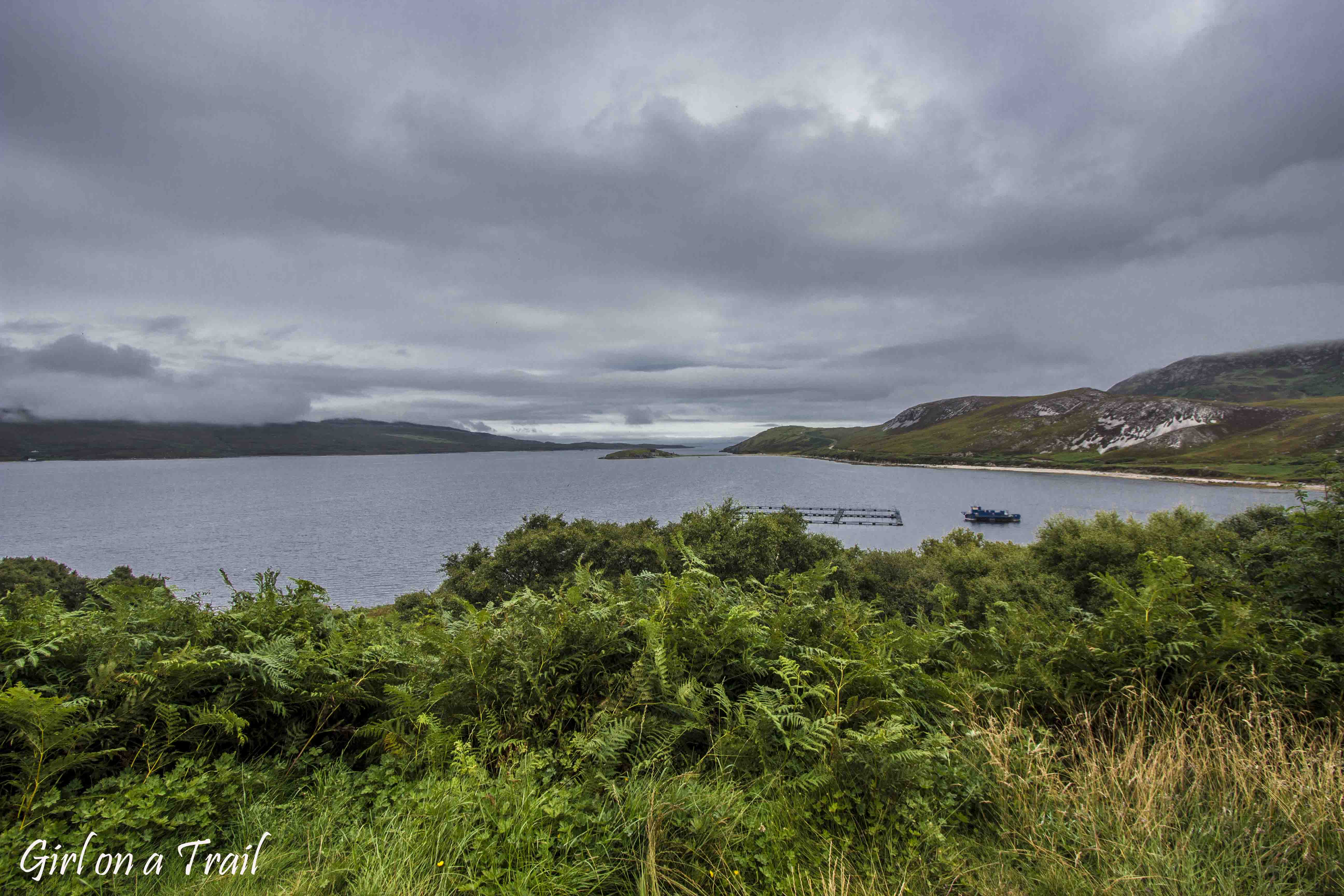
The more miles I covered along this road, the more I felt as though Scotland was slowly disconnecting from the rest of the world. The landscape became increasingly rugged, wild and empty. Larger towns disappeared, the roads grew narrower, and instead of more buildings, there were cliffs, heather-covered moorland, mountains and sea.
And that was when the part of the route I had been looking forward to most really began. The northern coast of Scotland – with castle ruins perched above sheer drops, lighthouses, rocky sea stacks, caves and beaches that looked as though they had been transported from a completely different country.
Itinerary
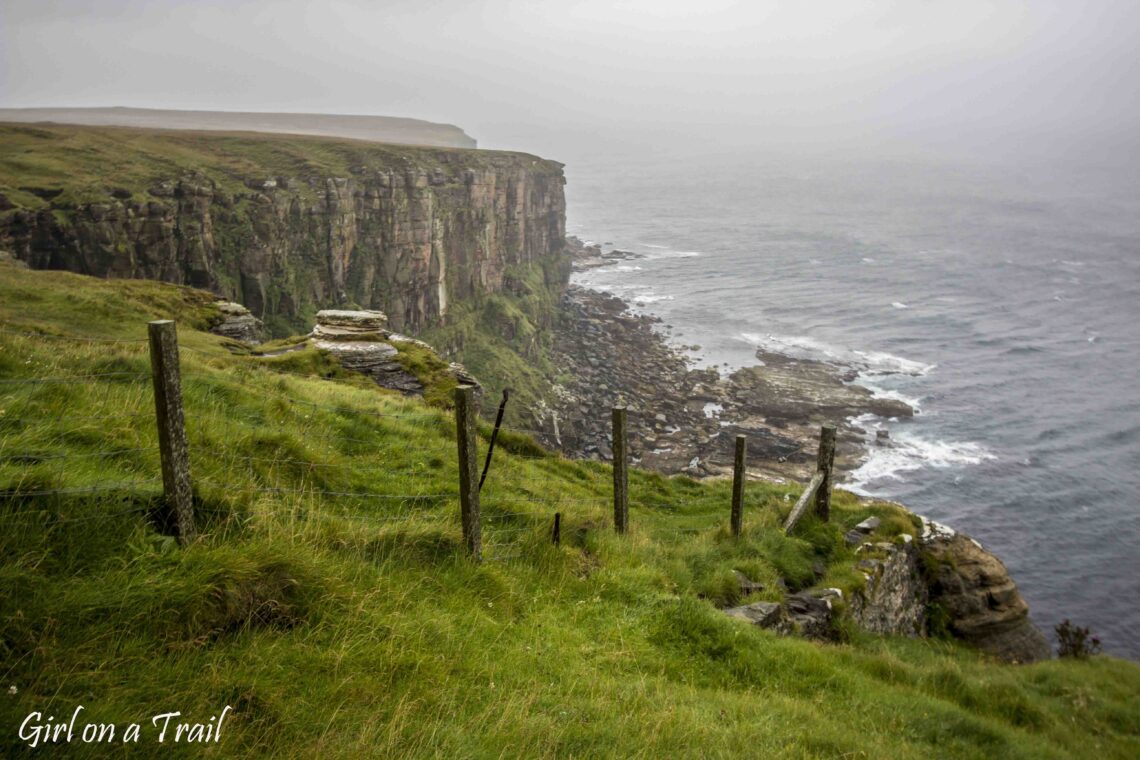
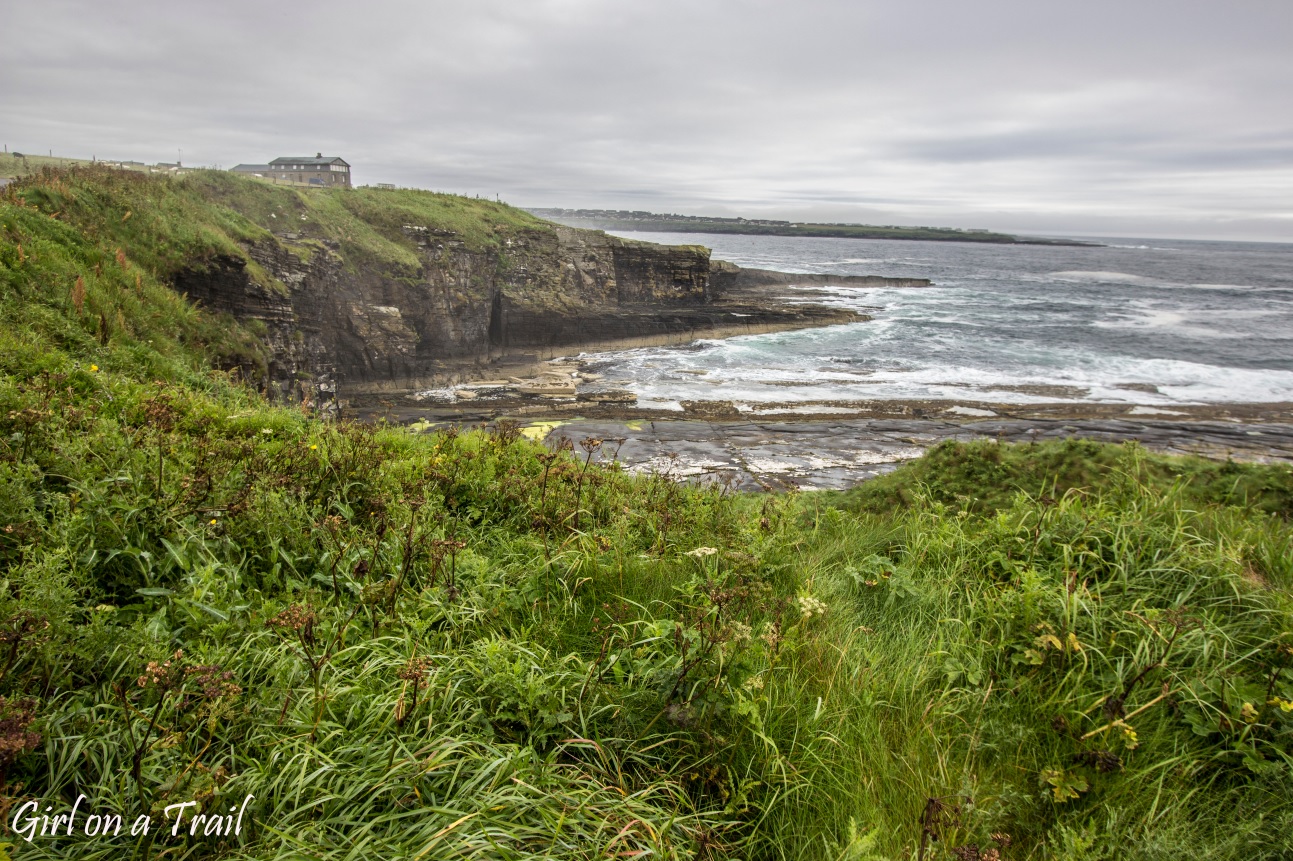
The first stop, the Whaligoe cliffs, was definitely not a gentle introduction. It was a proper baptism of fire, quite literally. The wind on the steep cliffs was so strong that at times I could barely keep my balance. Rugged cliffs plunging straight into the sea, waves crashing against the rocks, dark clouds sweeping across the coastline and an incredible sense of space all around me. No picture-perfect postcard here, just Scotland in its wildest form. The landscape was so spectacular that even with the wind trying to blow me off the cliff, I simply couldn’t tear myself away from it.
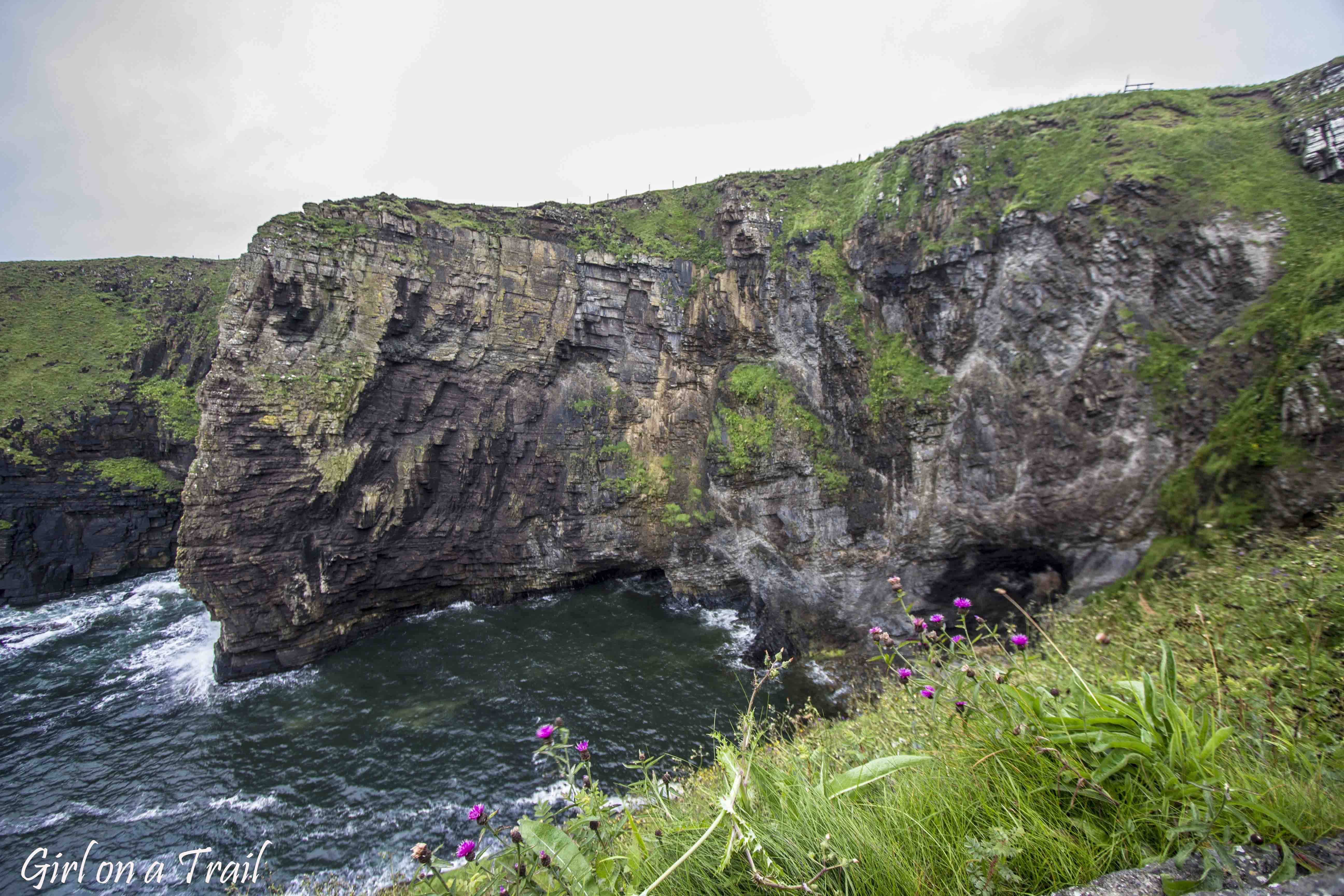
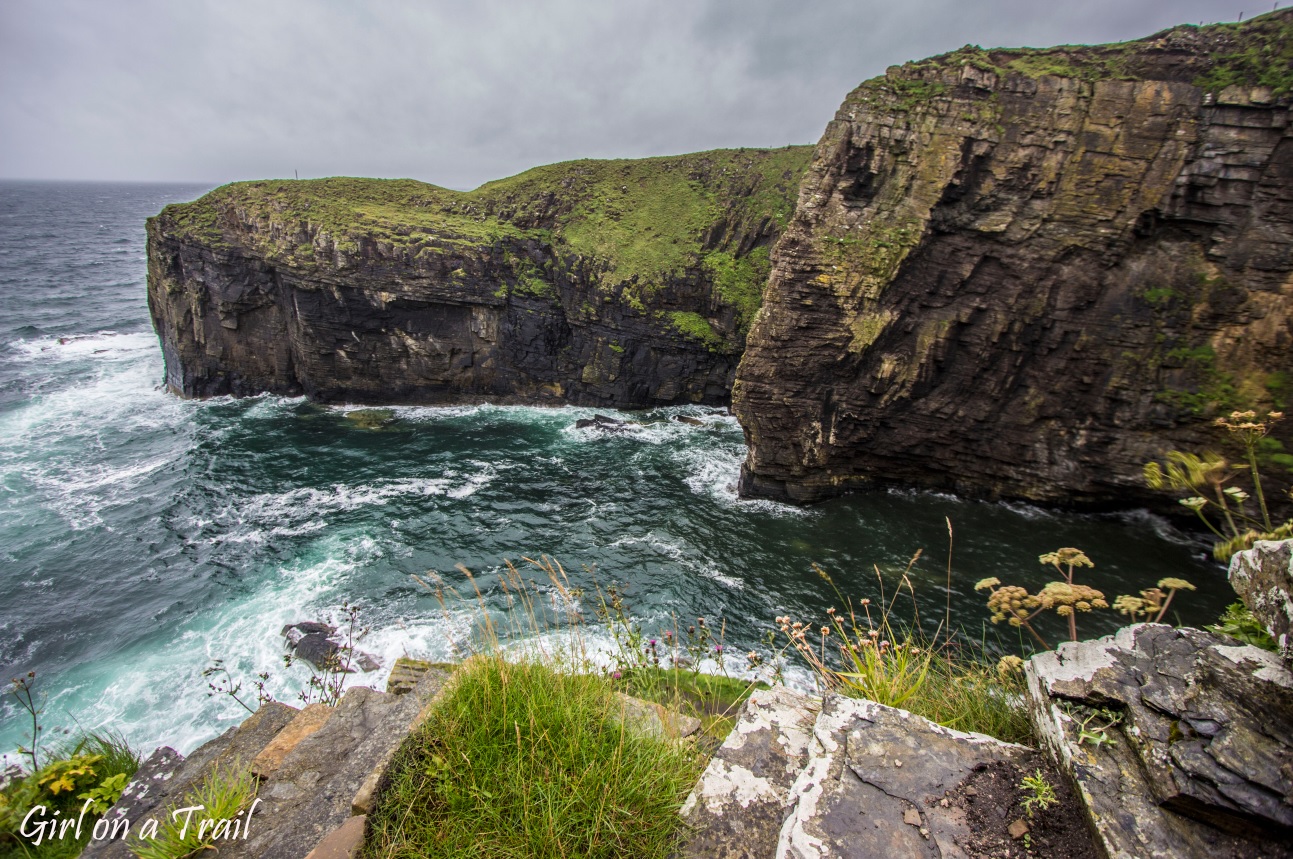
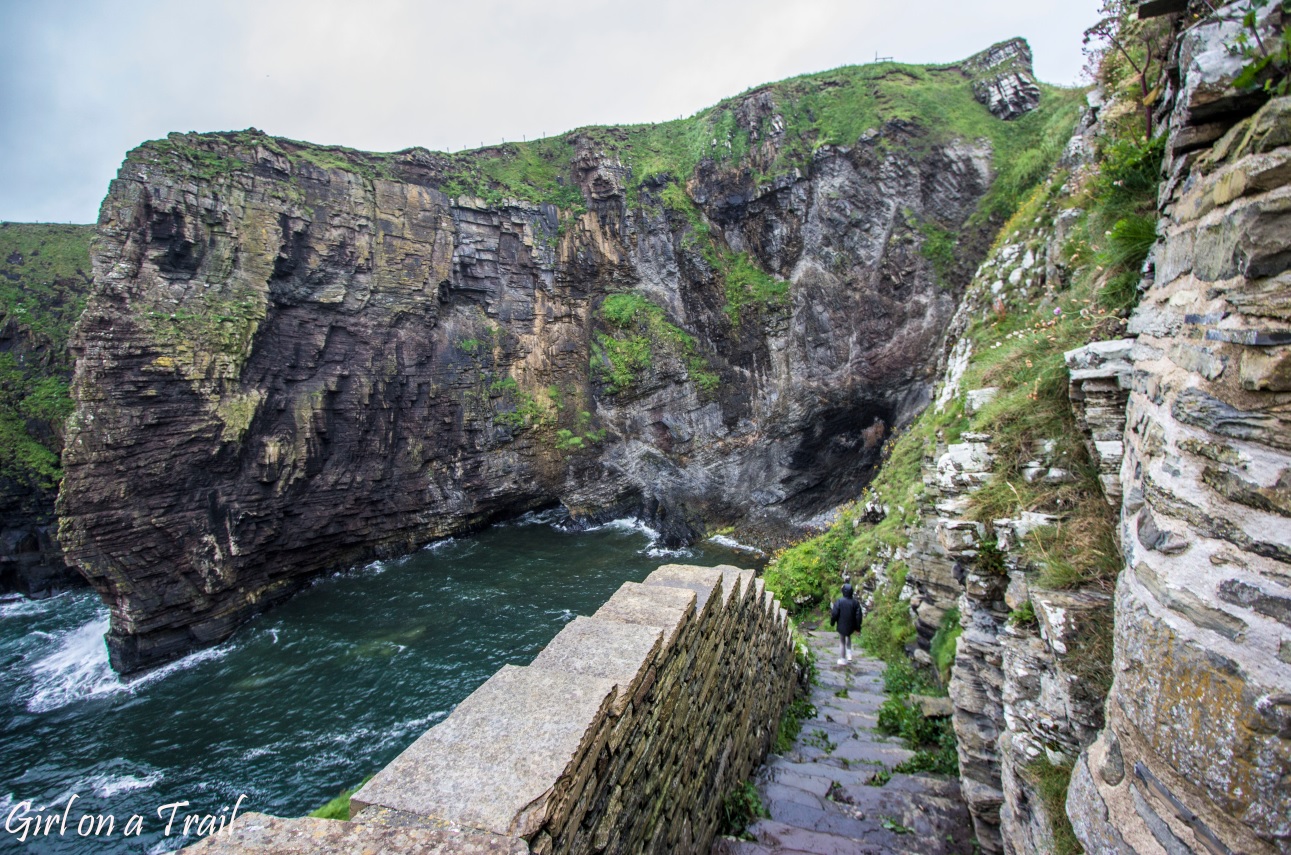
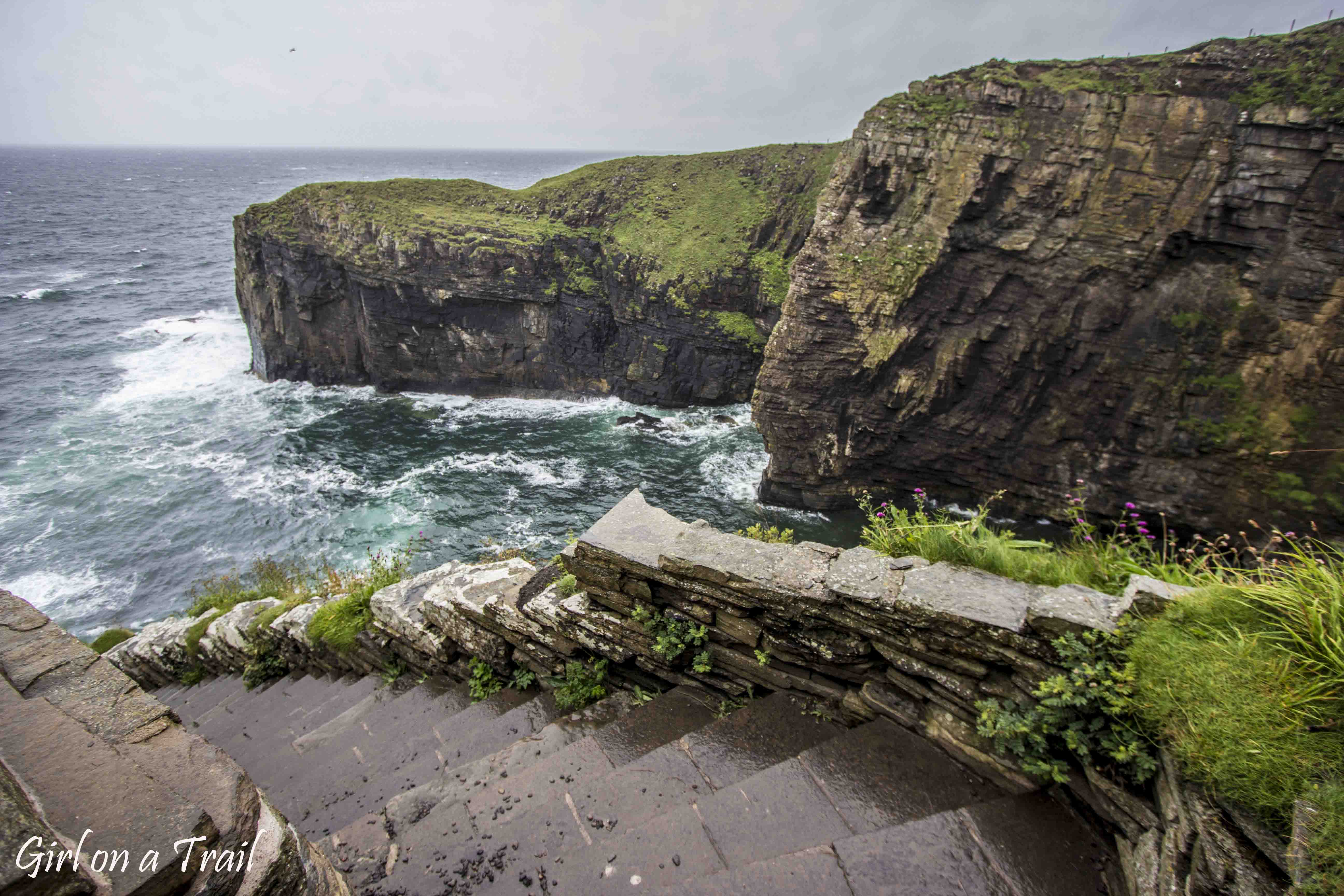
Then came Whaligoe Steps – 330 stone steps leading down the steep hillside. The steps winding between the rocky walls, the rough sea and the tiny cove hidden far below made for an absolutely spectacular view.
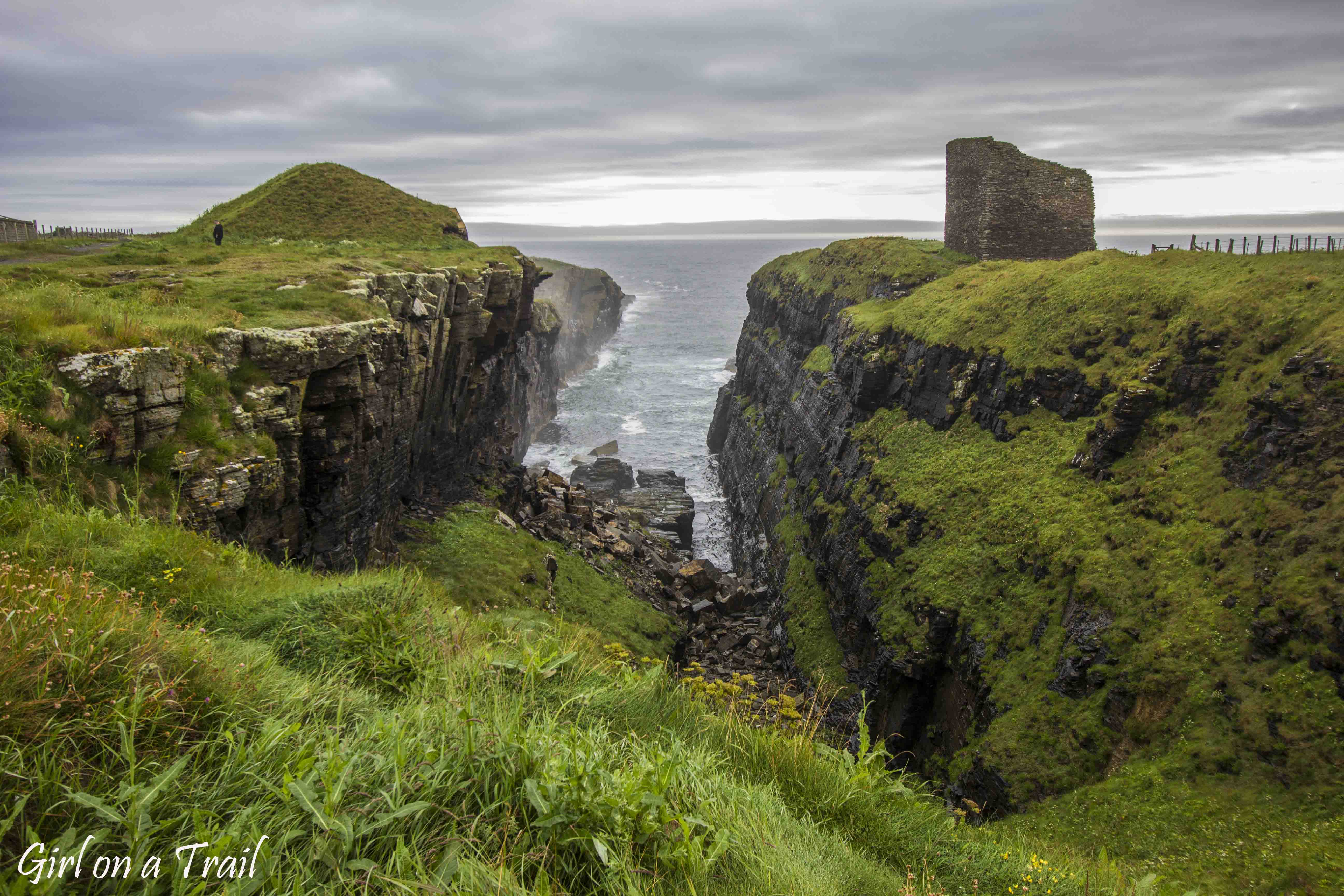
The next stop on the NC500, Castle of Old Wick, was every bit as impressive, although this time it showed me a completely different side of Scotland. A small but incredibly dramatic ruin perched on a rocky headland above the sea. The castle is considered one of the oldest in Scotland, but it’s the location that really steals the show. That day, it looked almost unreal. A soft misty glow, occasional rays of sunlight breaking through the clouds, the rough sea and the remains of the old tower standing at the very tip of the rocky headland. Everything felt slightly mysterious and a little gloomy – like a ready-made set for a medieval film.
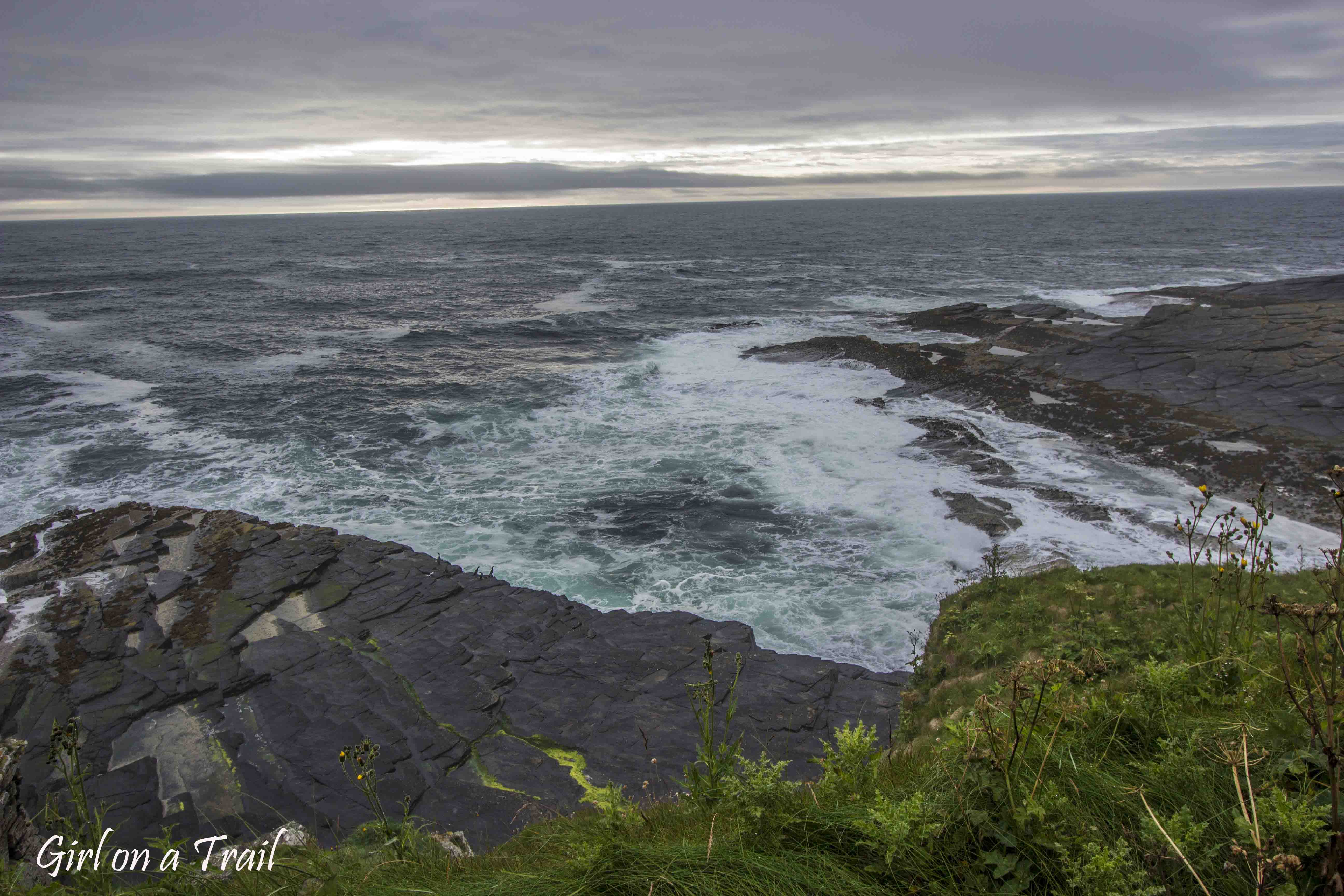
Nearby, there’s also a viewpoint overlooking Tinker’s Cave and the wild North Sea. In weather like that, the view was absolutely spectacular and perfectly suited to the atmosphere of the place.
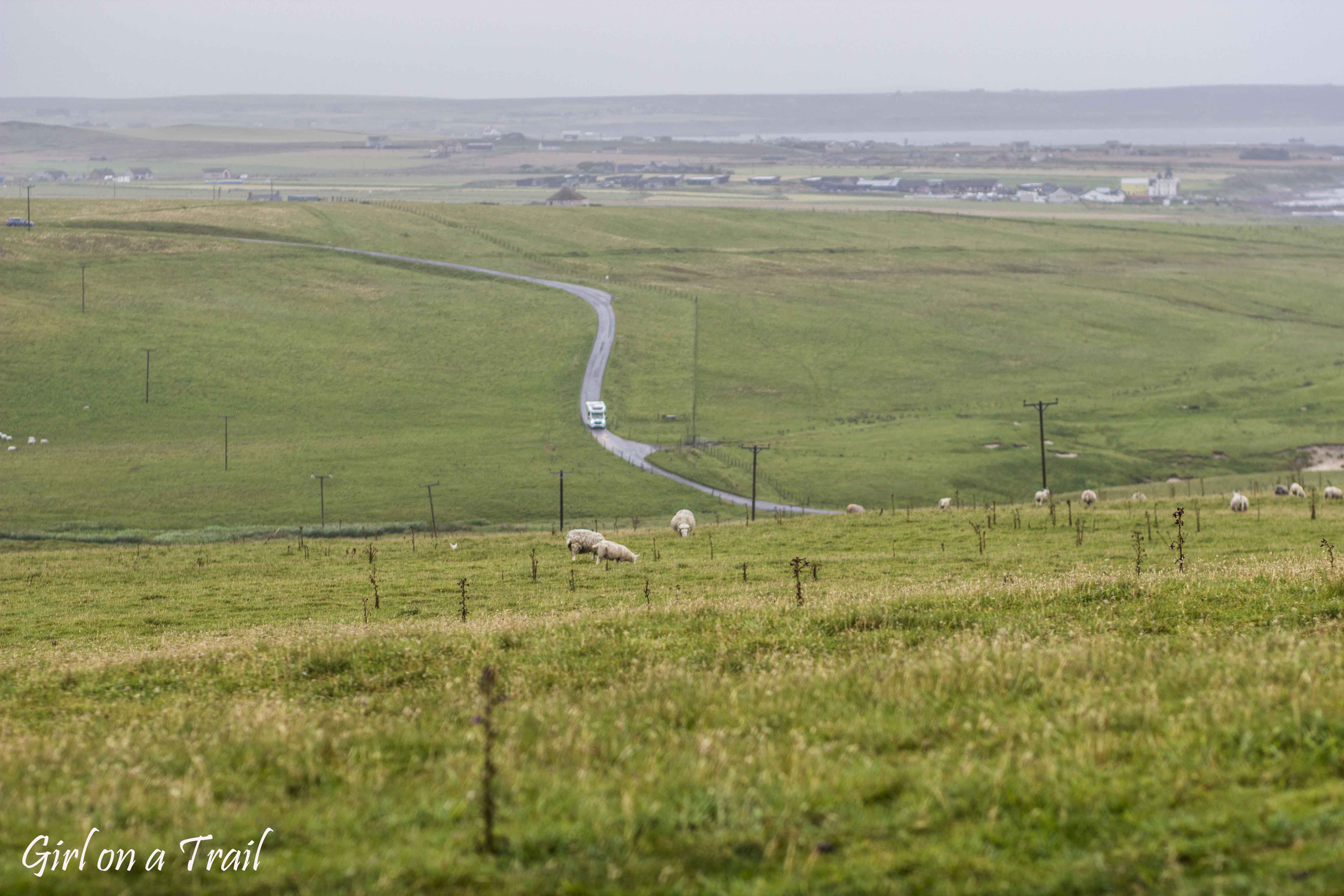
The NC500 continued towards Duncansby Head, with the road leading through open fields dotted with grazing sheep. The landscape became more and more rugged.
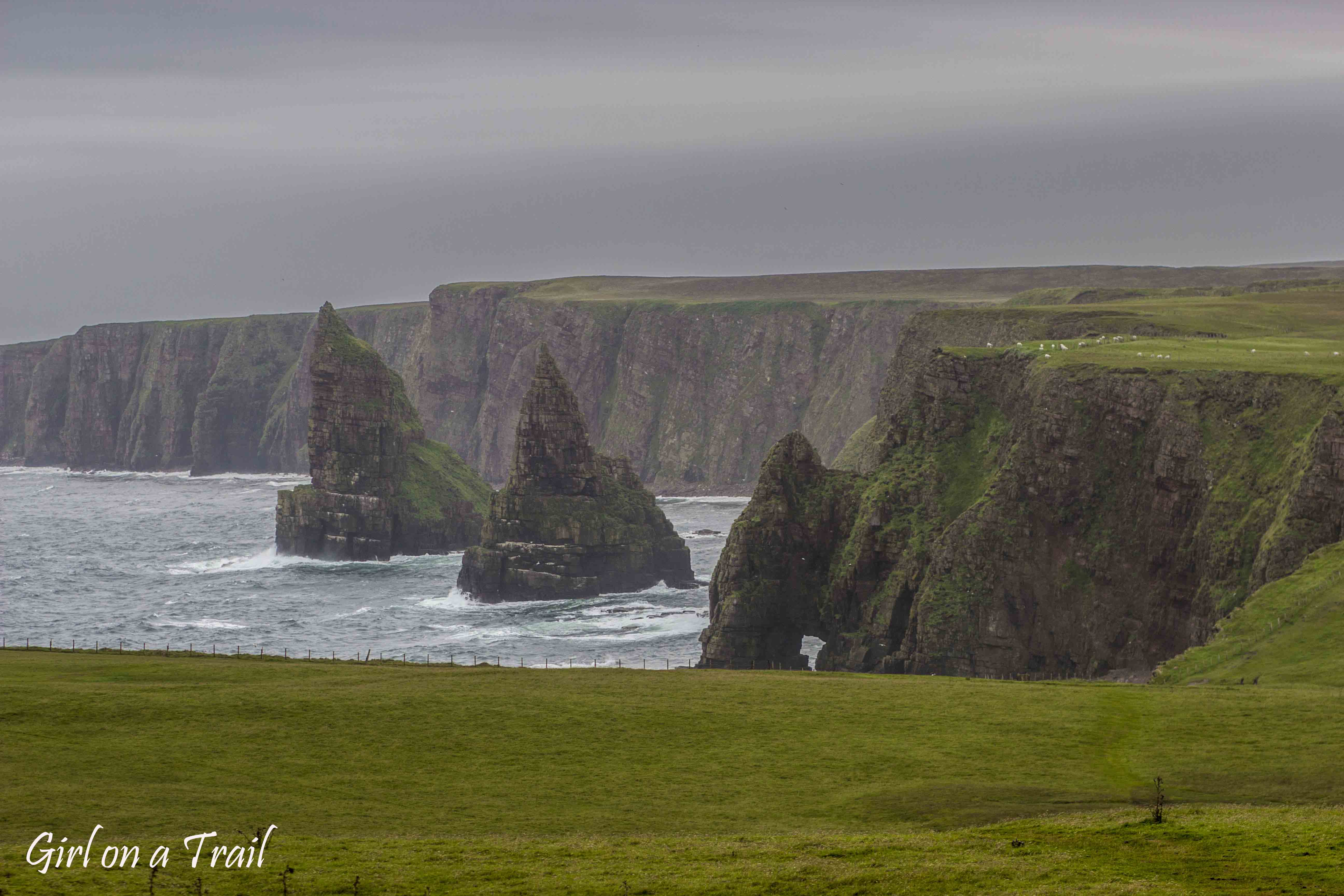
Once I arrived, the wind seemed to have completely lost its mind. At times, it was genuinely difficult to stand still. Right next to the car park is Duncansby Head Lighthouse, but the real attraction is, of course, the headland itself. This isn’t really about a particular building anymore, but about the landscape: enormous cliffs, crashing waves and the distinctive sea stacks rising dramatically from the water. It’s worth following the path further towards Duncansby Head Beach, because the further you get from the car park, the more spectacular the views become. The cliffs stretch along the coastline, the sea relentlessly crashes against the rocks, and the wind is a constant reminder that this really is the Far North. At one point, I genuinely felt as though there was nowhere left to go – that I had finally reached the end of the world.
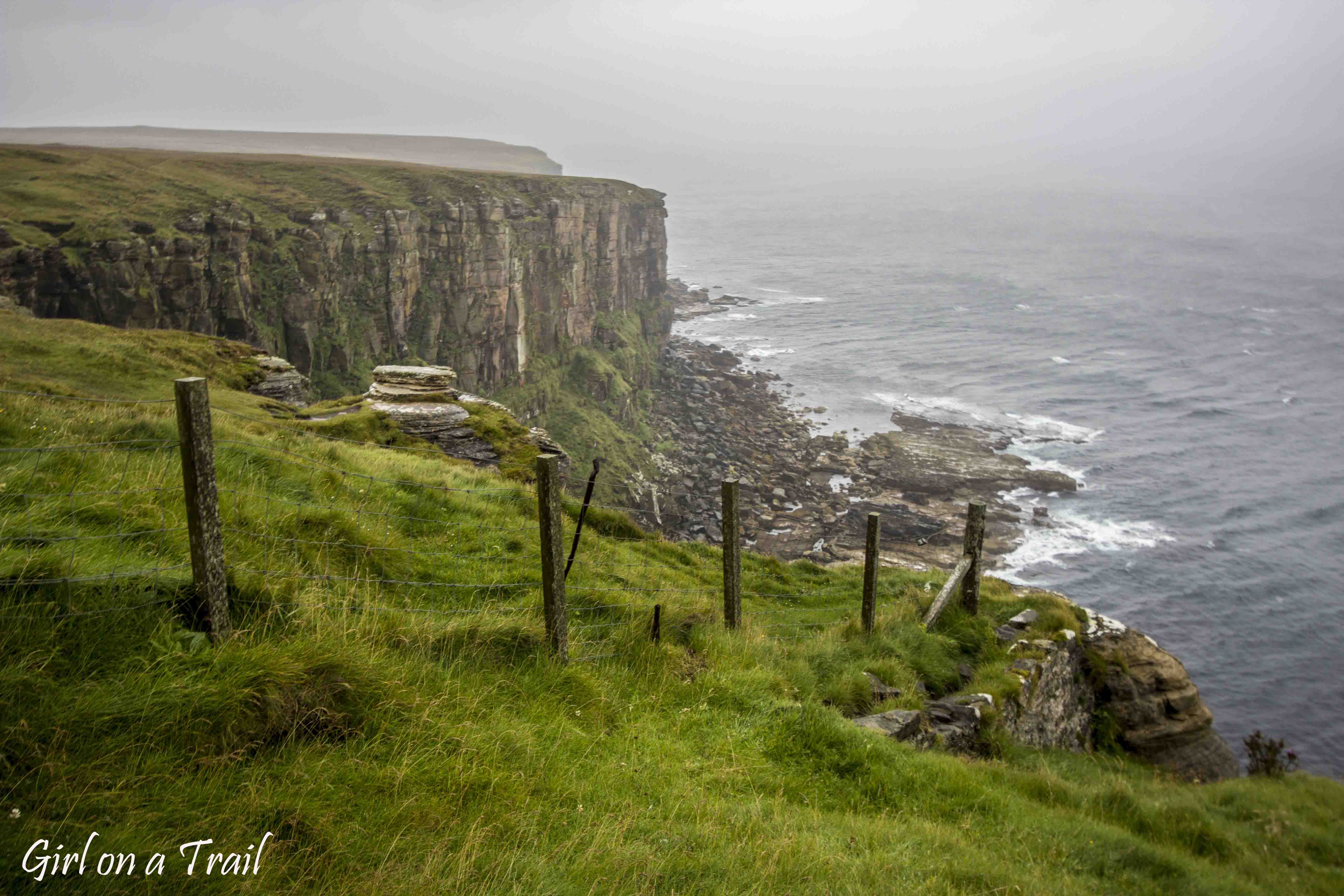
Except, apparently, I hadn’t. The next stop was Dunnet Head, the most northerly point on the British mainland. And here you can really feel the sheer scale of the place. Sea, wind, cliffs and virtually no sign of civilisation. Just northern Scotland in its most rugged form.
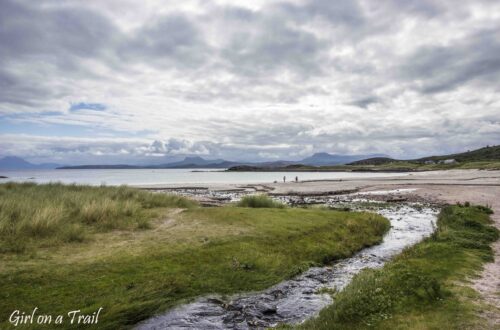
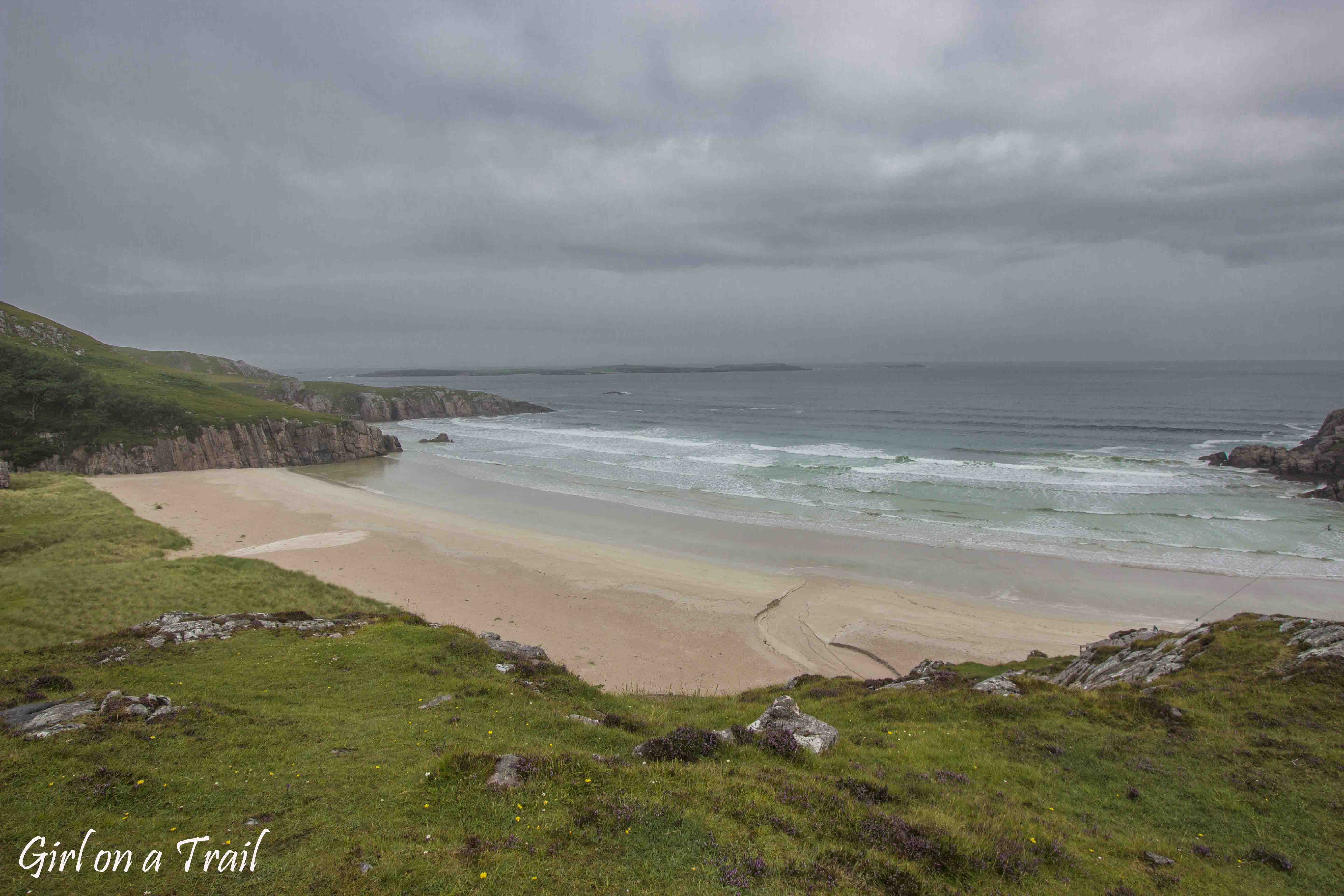
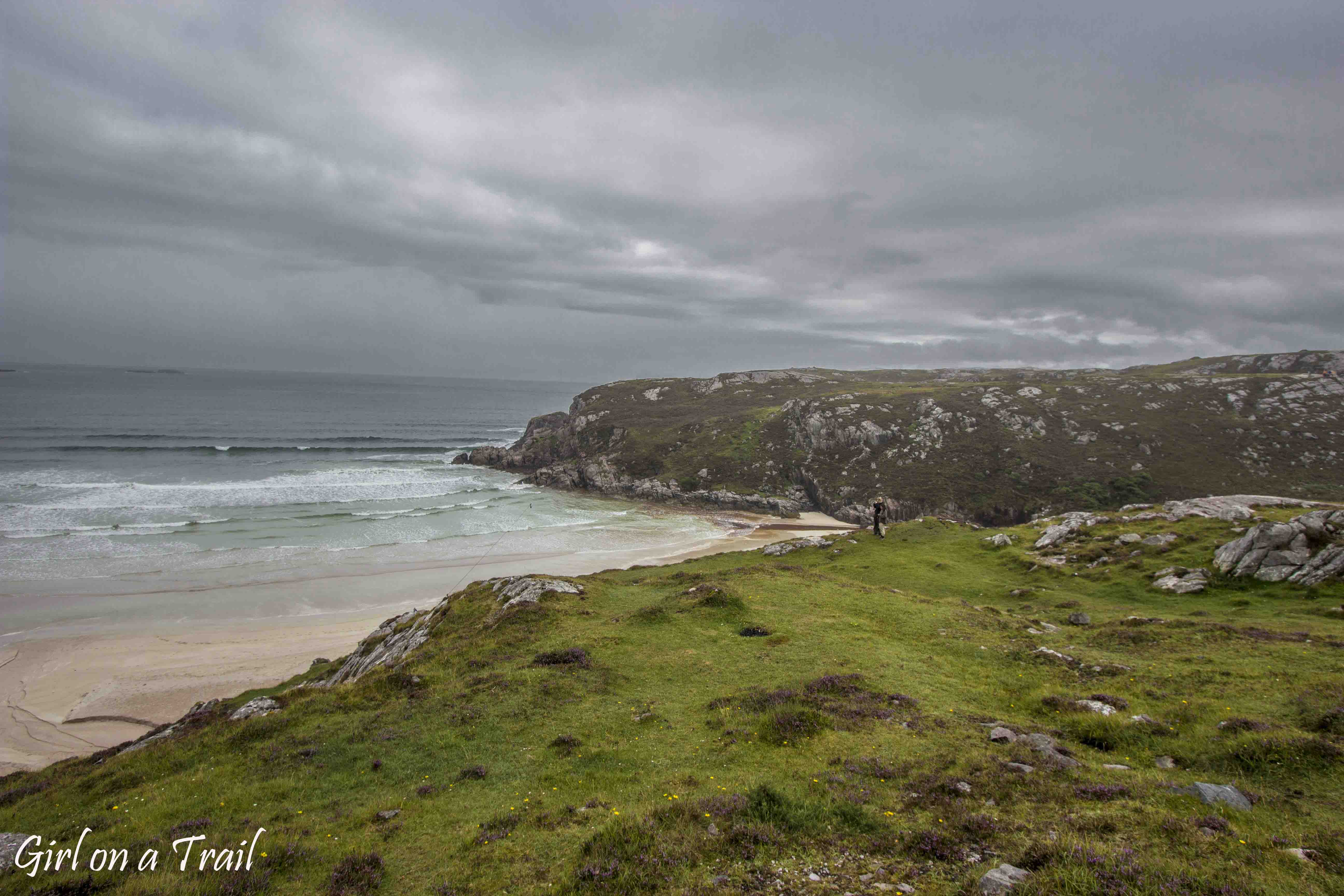
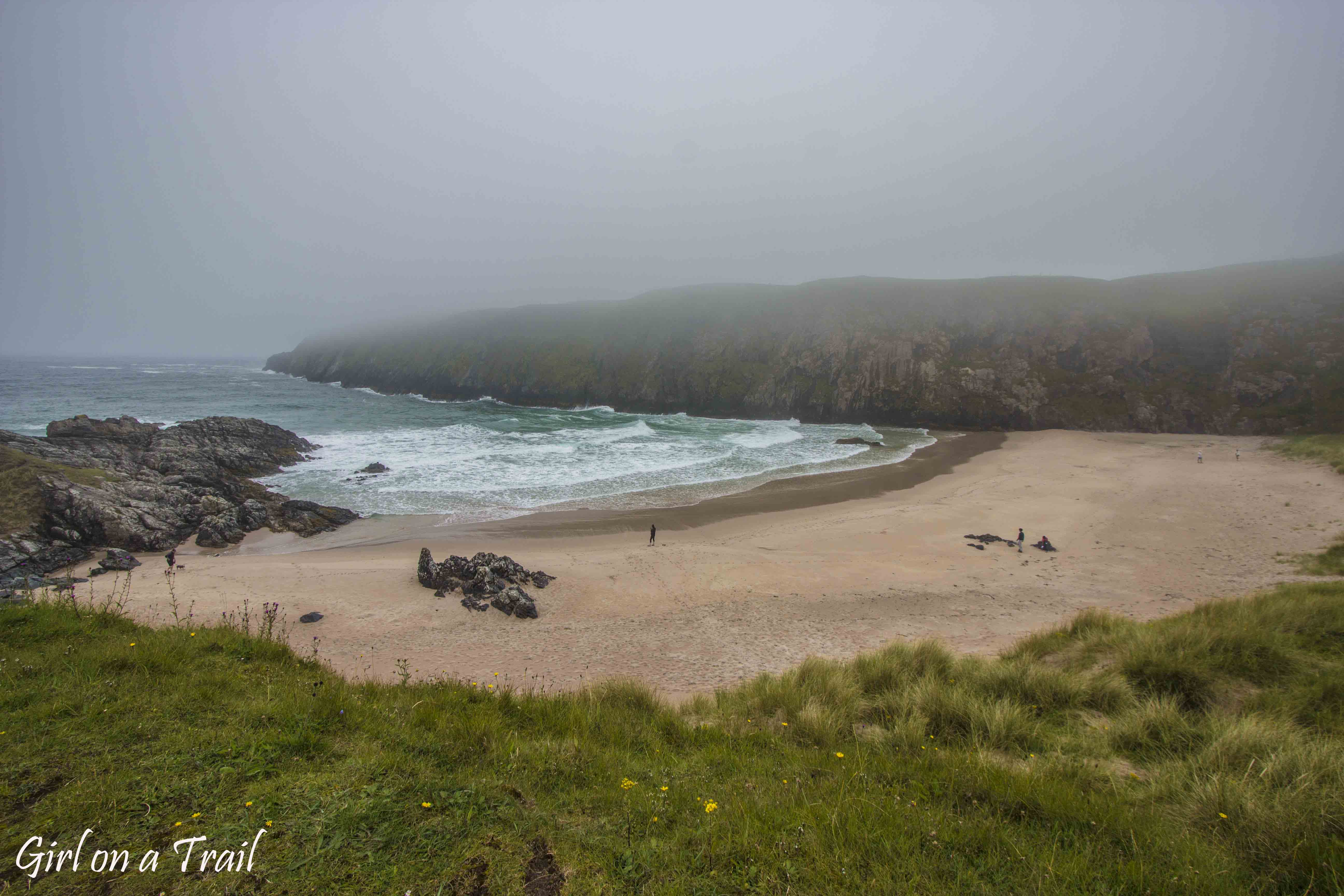
Continuing towards Smoo Cave, I came across another perfect opportunity for a quick stop – Ceannabeinne Beach. It’s a small but beautifully positioned beach, surrounded by rugged hills and cliffs. Pale sand, turquoise water and mountains all around make you wonder for a moment whether you’re actually still in Scotland. There was absolutely no chance of sunbathing that day, though. The northern wind and temperature were doing a very effective job of reminding me exactly where I was. But for a short walk and a bit of sightseeing, it was perfect. The water had an incredible colour, and the contrast between the pale beach, dark rocks and rugged Highland landscape was seriously impressive.
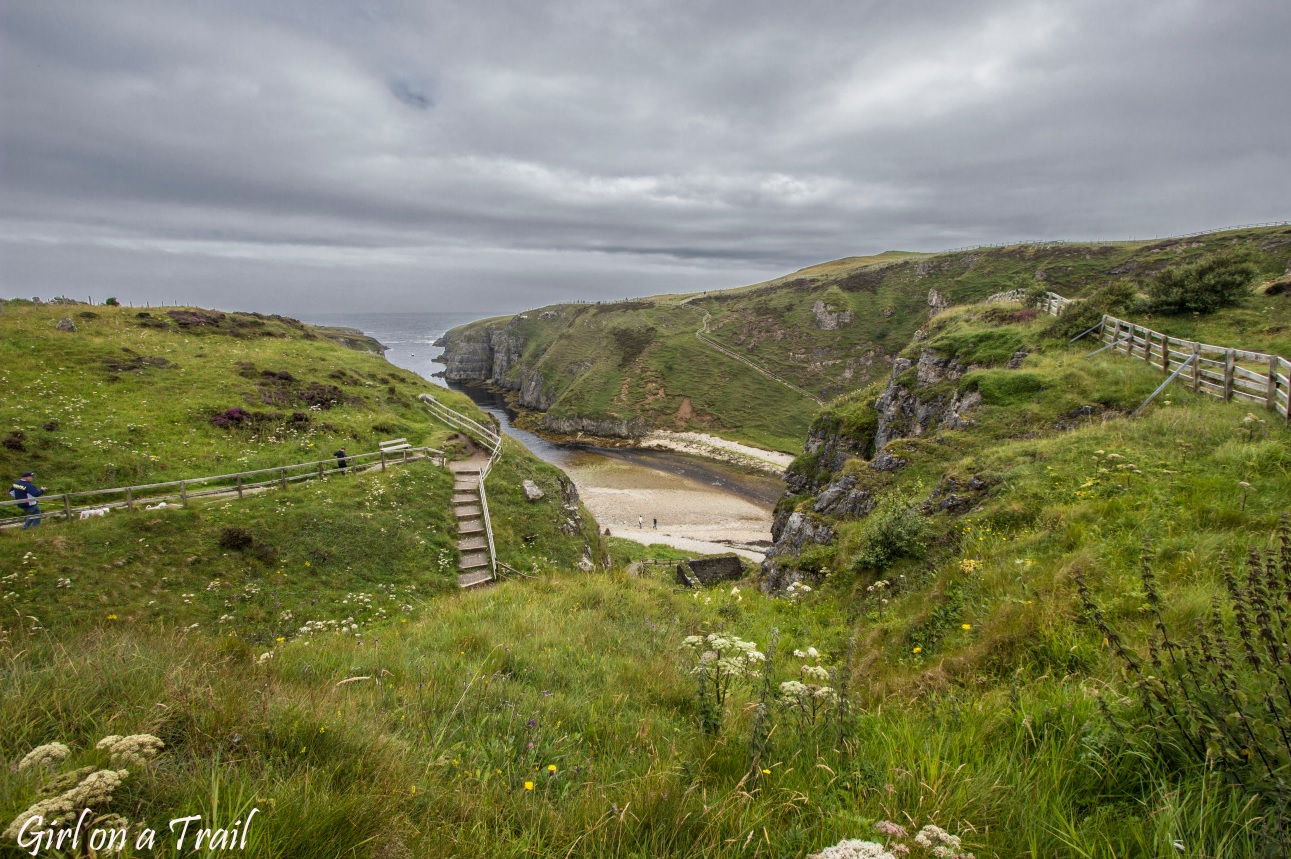
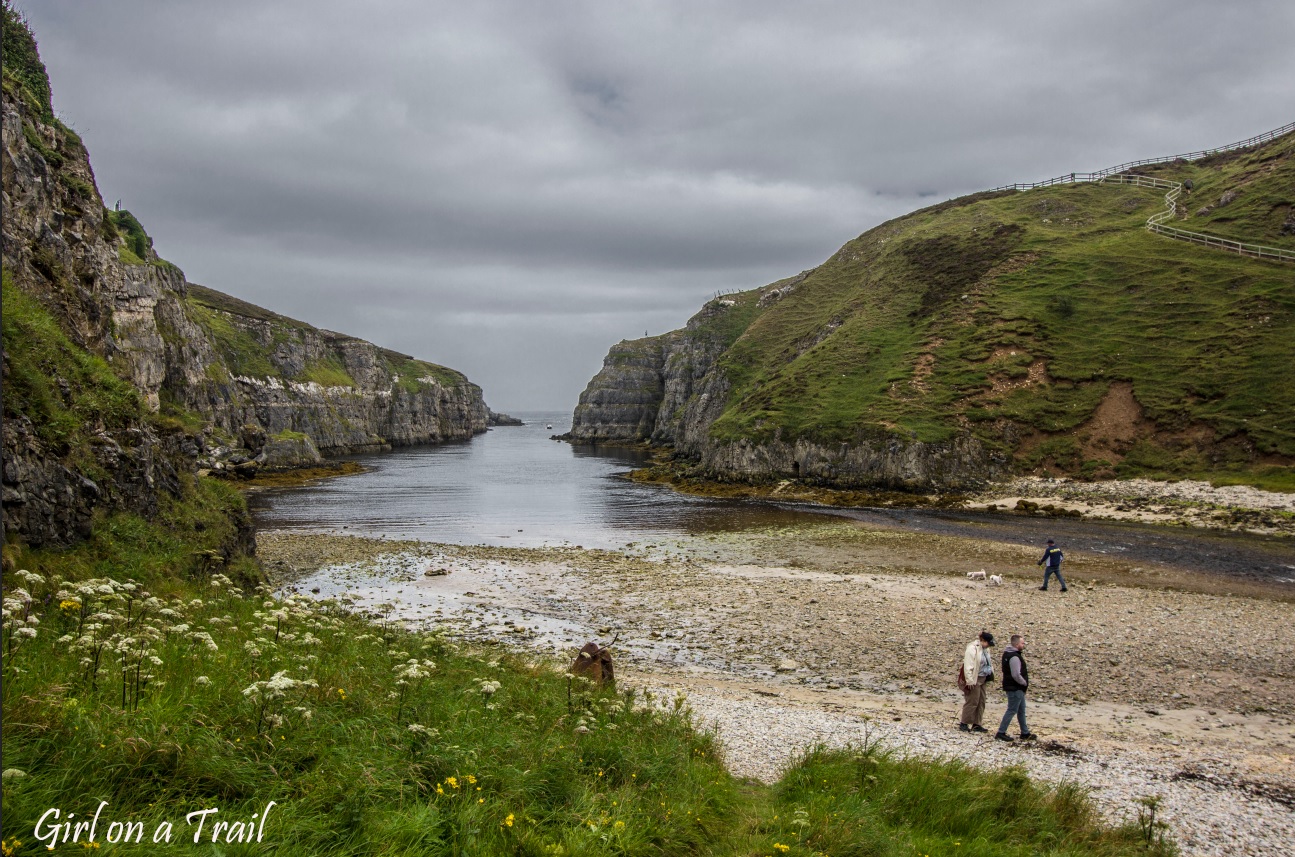
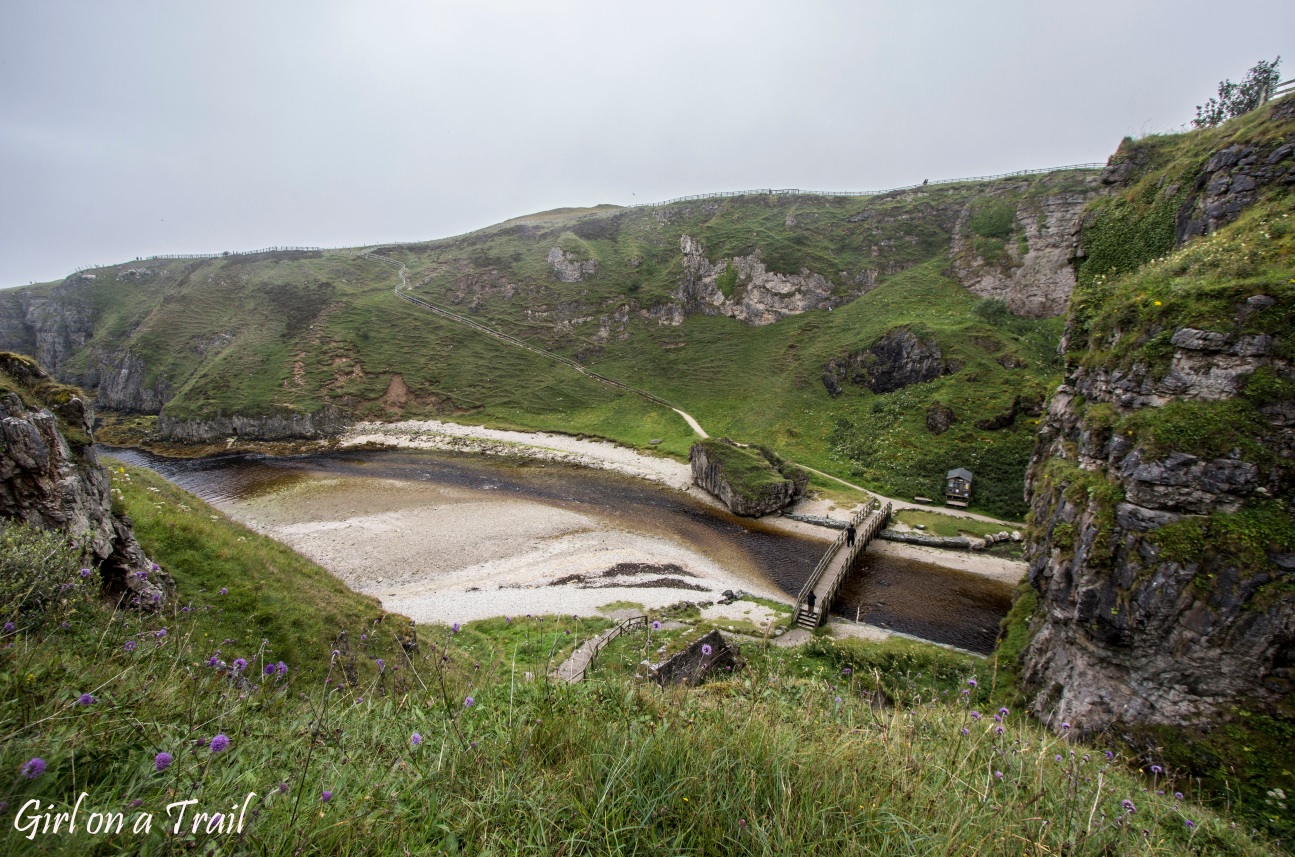
Then came Smoo Cave, one of the most unusual caves in Scotland. Its enormous entrance is practically at sea level, and inside, the cave opens into a series of chambers. One of them contains a waterfall dropping from a height of around 18 metres.
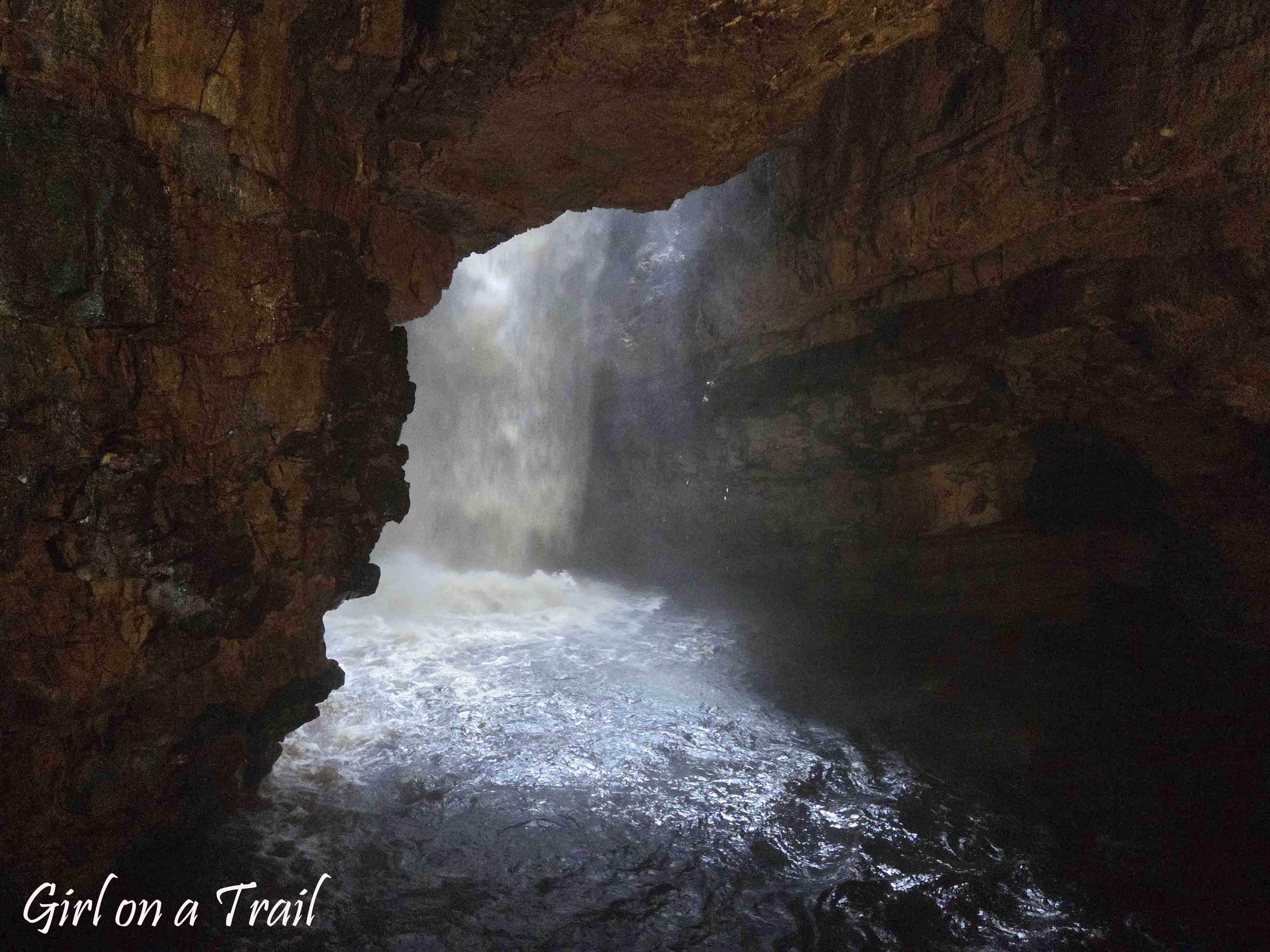
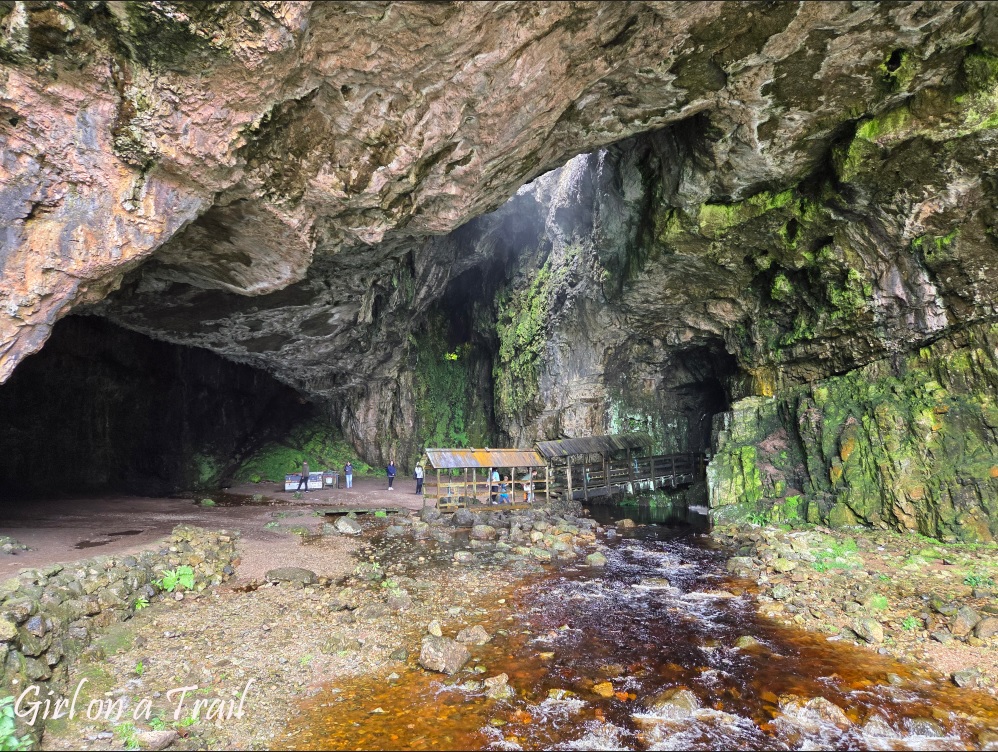
The cave was formed by the erosion of the rocks by the sea and the river, but the history of the place is just as fascinating as its appearance. Evidence of human presence dates back to the Neolithic period, and the cave was later used by, among others, the Vikings. Archaeological finds also suggest that it was used as a shelter and for various activities during the medieval period..
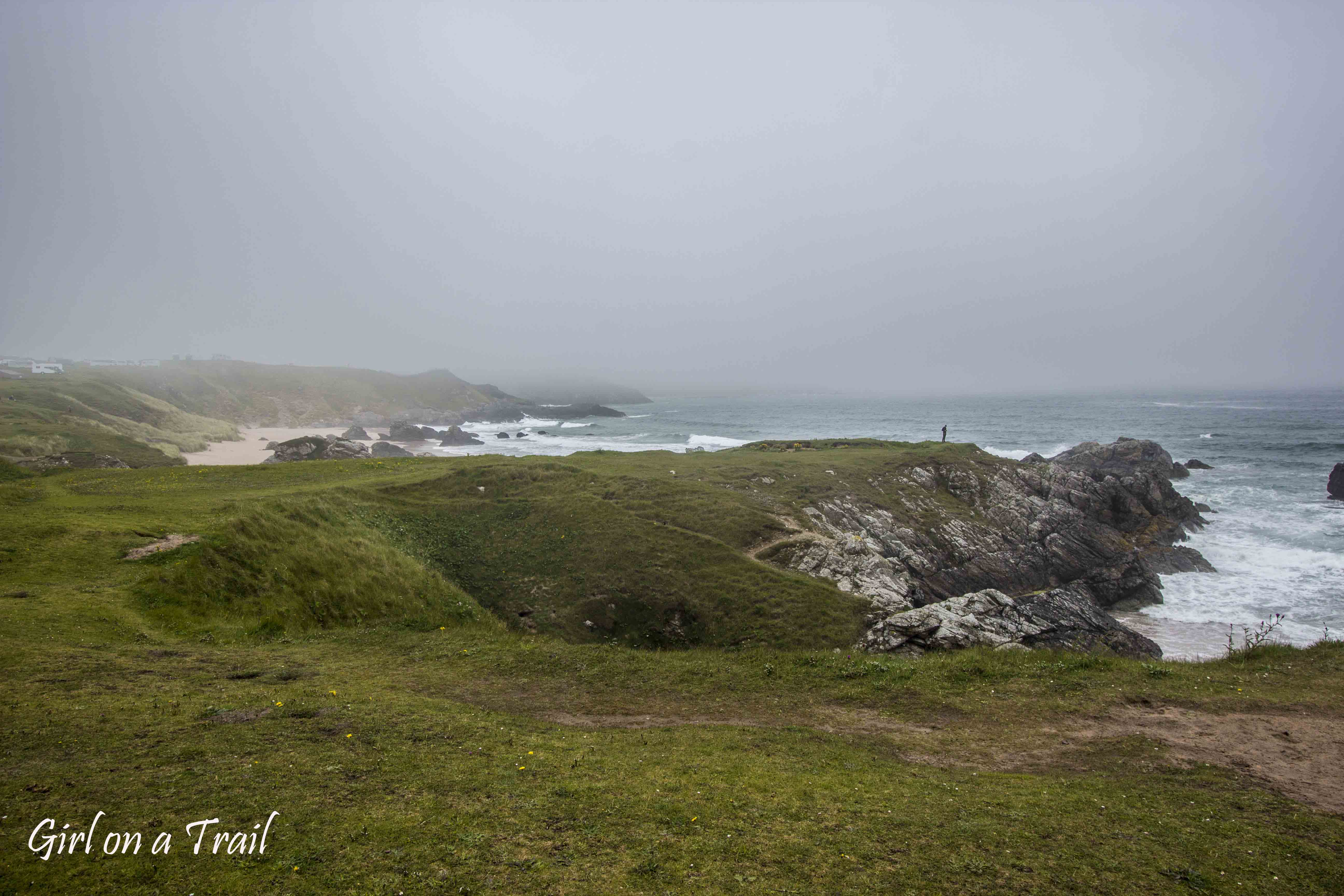
And finally, Durness Beach – a wide, pale sandy beach surrounded by cliffs and turquoise water.
And I think this is exactly what makes northern Scotland so special. In a single day, you can descend steep steps towards a tiny cove, stand among castle ruins hanging above the cliffs, reach the northernmost corners of mainland Britain, and a few hours later find yourself inside an enormous cave beneath a waterfall. The NC500 is definitely not the best route for anyone in a hurry. But it is exceptionally good at making you abandon your plans.


You May Also Like