Oman – discovering Muscat’s surroundings
Oman has been strategically located along trade routes for centuries, which is reflected in the construction of numerous defensive forts designed to ensure protection against invaders.
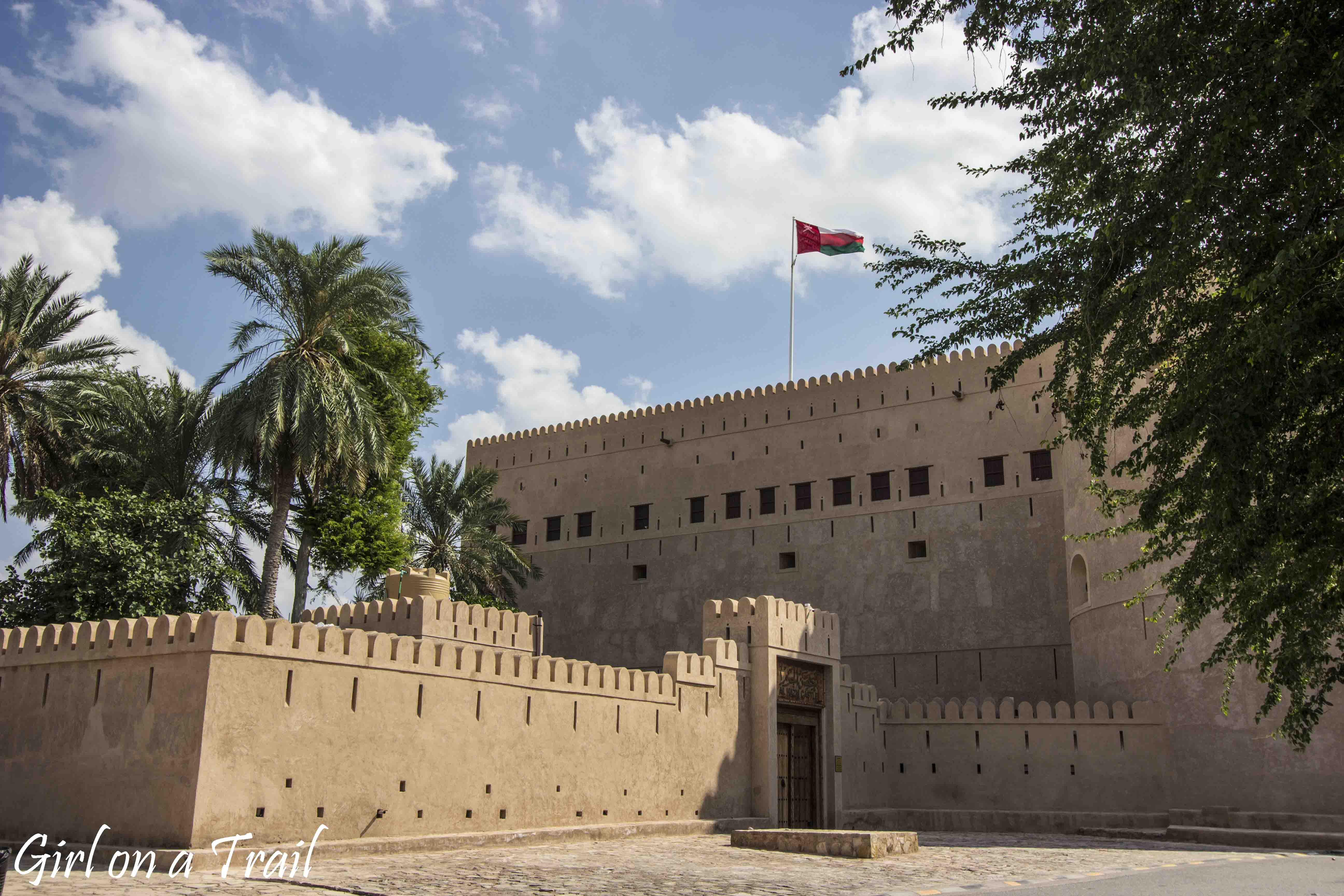
One such structure, Al Hazm Castle, is one of the most impressive buildings in Oman. It was built in the 18th century by Imam Sultan bin Saif II. The castle was not only the residence of the ruler of Oman but also served a defensive function, which is why it is also known as a fort.
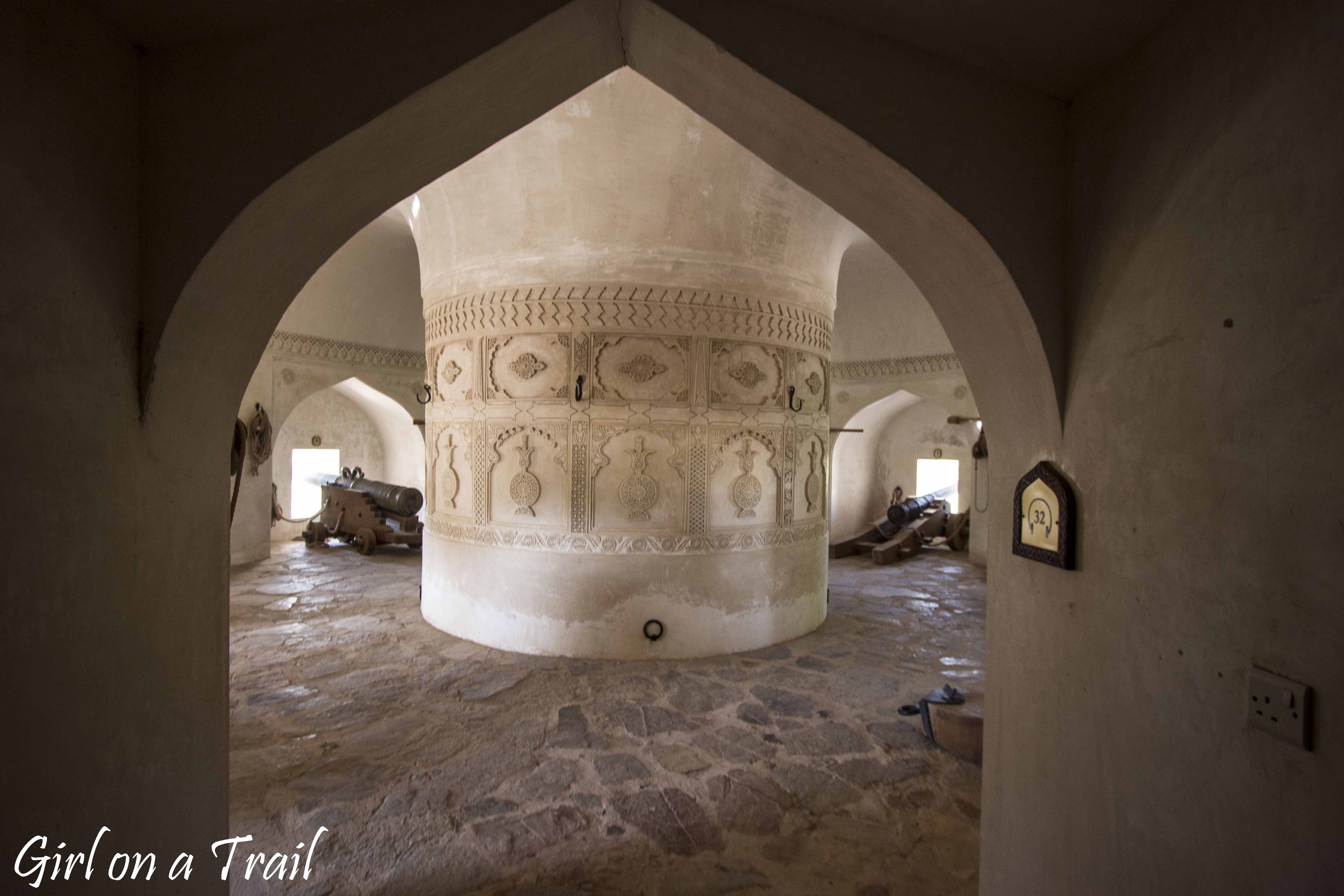
Al Hazm Castle is unique due to its construction. No wood was used in the building of its ceilings, and it also used an innovative water system known as falaj.

Falaj is an irrigation system that has been used in Oman for thousands of years. It is believed to date back as far as 2500 BC. The system’s principle was simple: water from underground sources located in the mountains was delivered via aqueducts and tunnels to villages. This solution guaranteed survival in Oman’s hot climate. Interestingly, the water was supplied not only to fields but also to public buildings, carried by various sluices and distribution channels. By the way, it isn’t without reason that the word falaj means “to divide”. A special method for dividing the water was developed, using sundials and hourglasses to measure the time for water collection. This system is still used in Oman today, with an estimated total length of around 3,000 km of channels.

In addition to this system, Al Hazm Castle was equipped with extra water tanks for emergencies such as sieges or fires. The castle also had numerous gunports and cannons. Inside its walls, there were also a prison, storage areas for dates and other food products, a kitchen, a madrasa (Koranic school), and living quarters for the imam and his wife.

The second fort that left a lasting impression on me was Nakhal Fort, mainly due to its location amidst mountains and date palms.


The exact date of its construction is not known, but it is estimated to be over 1,500 years old. A large part of its fortifications, which can be seen today, were built in the 17th century. The unique feature of the fort is its irregular appearance, as it has been cleverly integrated into the rock. In many places, the rock forms part of the fort’s walls.
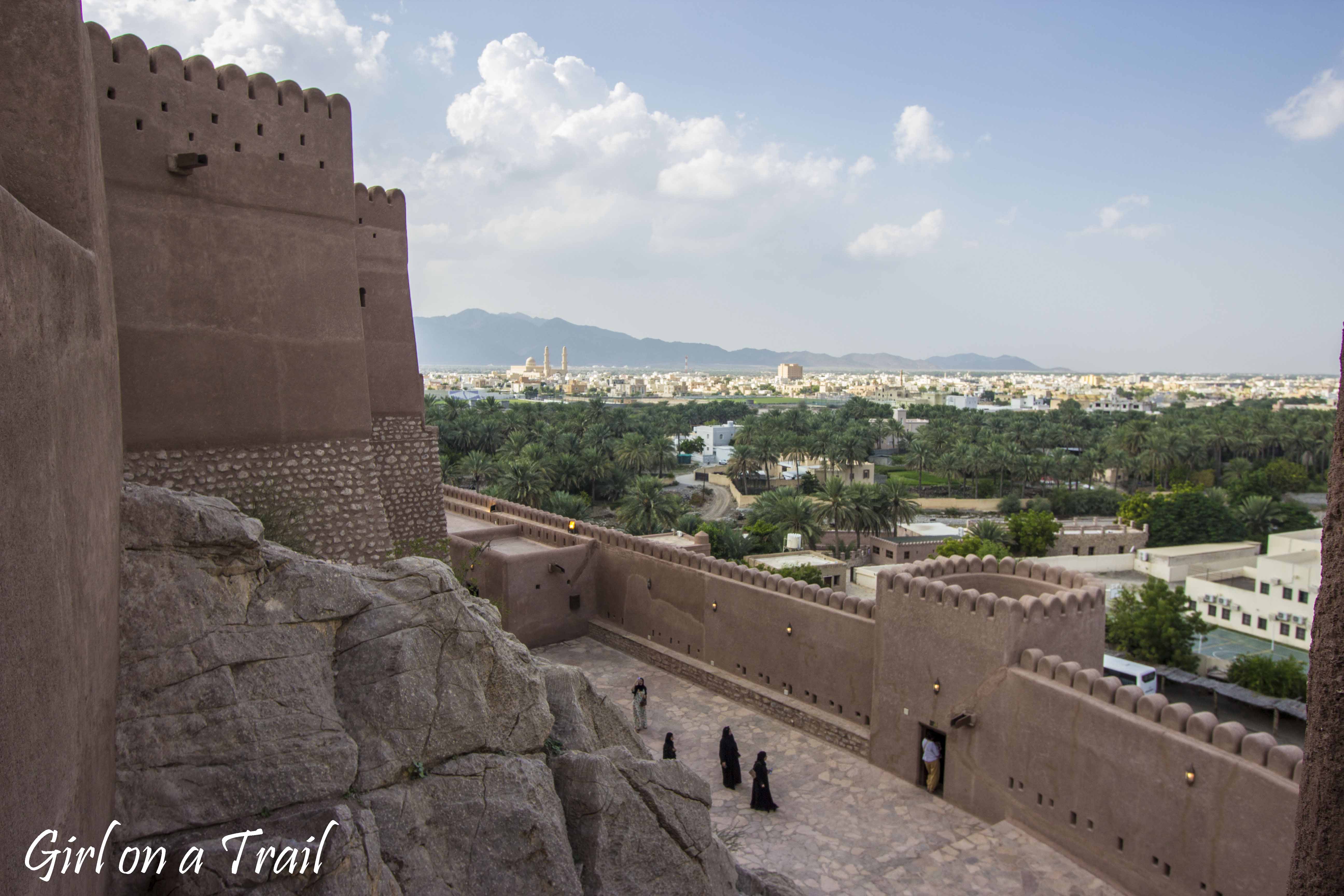
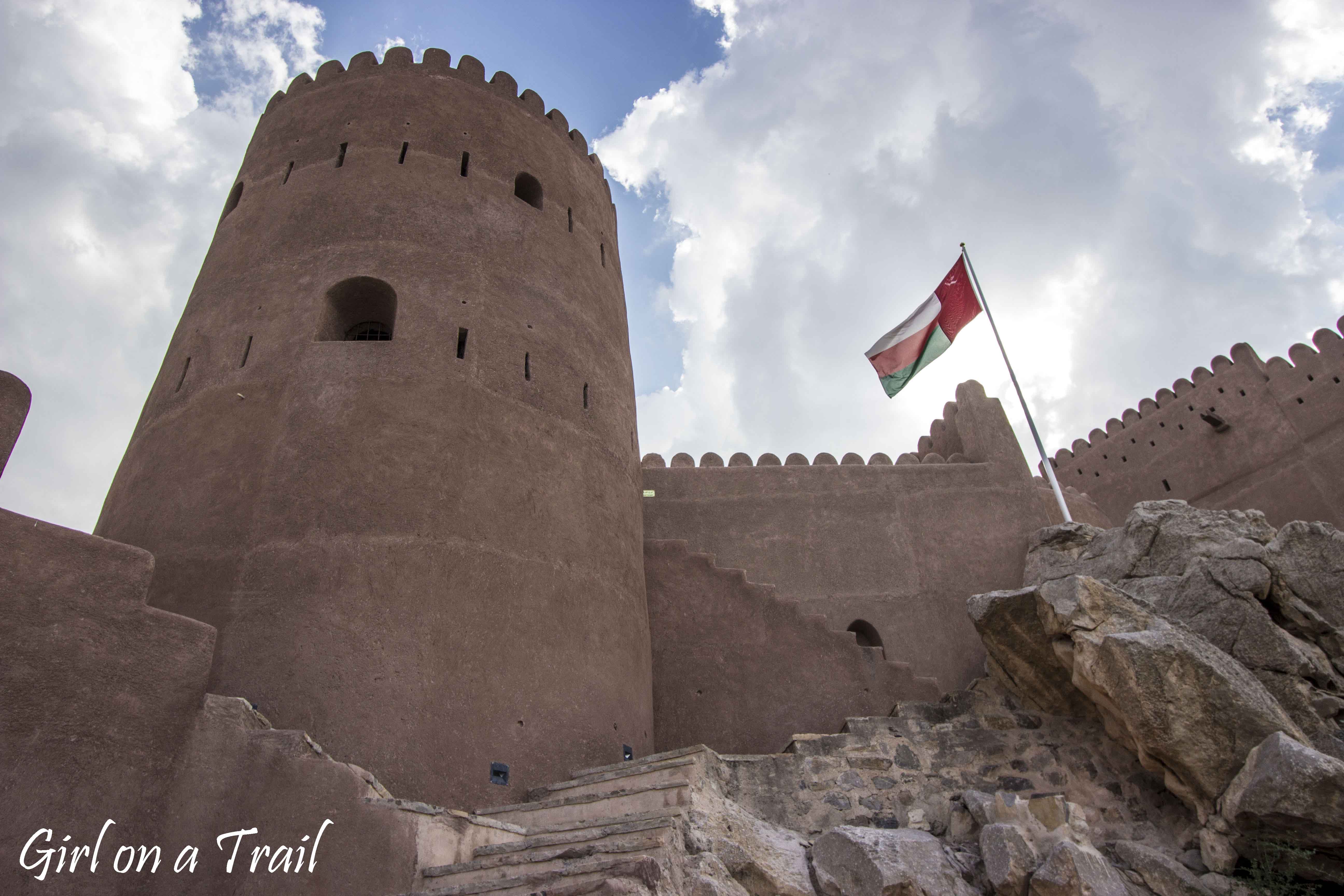
The fort’s purpose was to protect the trade route between the former capital, Nizwa, and the Gulf of Oman. It also served as a residential space. Visitors can see rooms with traditional exhibits, a mosque, and food storage areas. One interesting feature I saw in every Omani fort was the date storage room. Dates were stacked in bags one on top of the other, working as a press to squeeze the juice from the fruits at the bottom. The specially shaped floor in these storage rooms allowed the juice to drain into barrels through a channel.

Another fascinating structure near Muscat is the Wadi Dayqah Dam, which provides water to the capital of Oman. It was opened in 2012 and is the largest such facility in the country. The dam consists of two barriers: the main one, which is 75 meters (246 feet) high, and a smaller earth dam that is 48.5 meters (149 feet) high. However, the dam is not the only attraction here. On top of the dam, there is a picnic area with a viewing terrace offering an incredible view of the surrounding area. This location is not easily accessible, so it is less likely to be crowded with tourists. However, one can observe local residents hosting gatherings under the shelters.
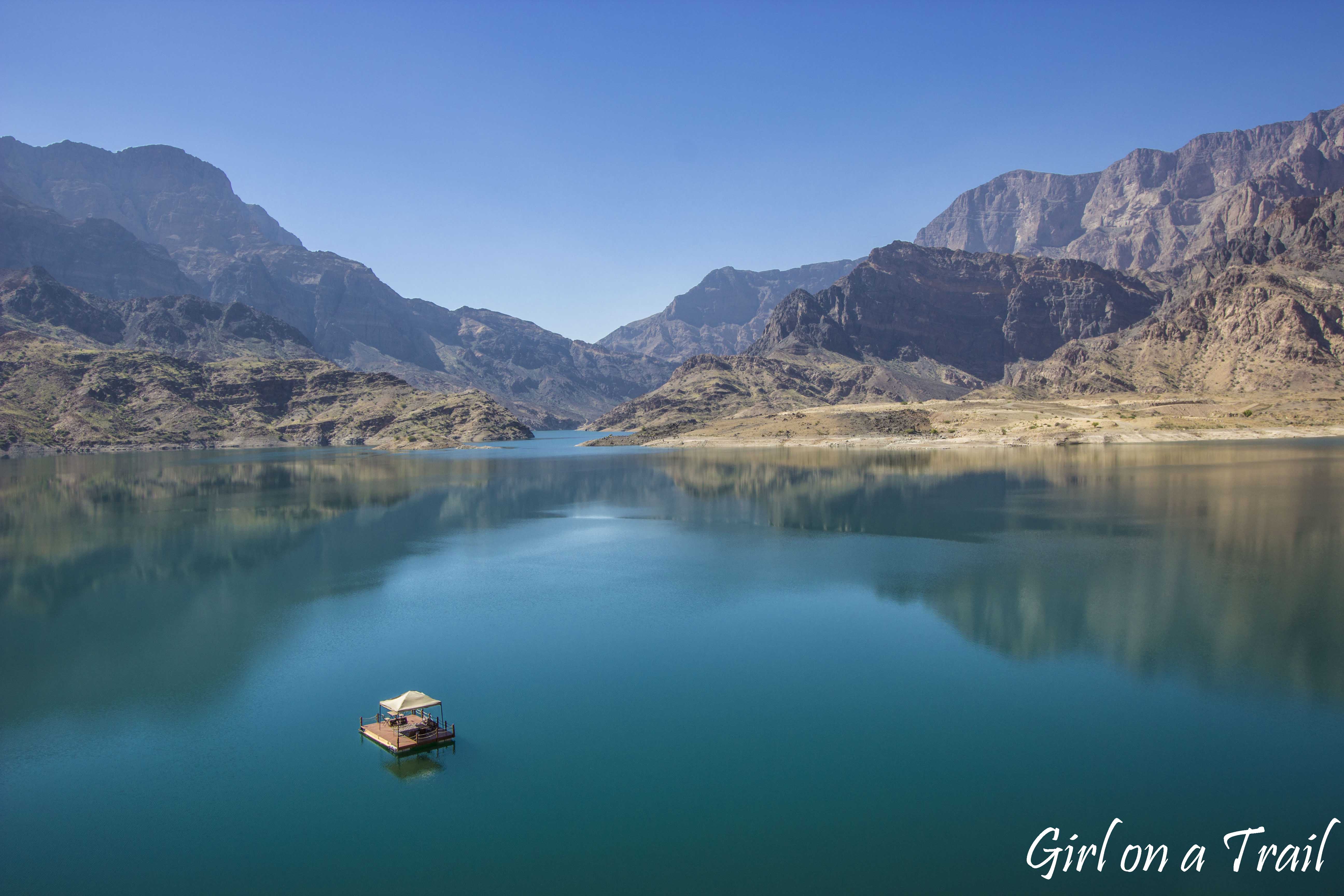

Exploring the surroundings of Muscat is not only a history lesson but also an exploration of the country’s natural beauty. The forts built into rocks and the innovative water systems demonstrate the ingenuity and perseverance of the people of Oman. Meanwhile, modern constructions such as the Wadi Dayqah Dam show how well critical infrastructure can be integrated into the natural environment.


You May Also Like

Freefall, skydiving in Dubai – How I Went Bananas

Kuwait – space towers and Operation Desert Tire