-
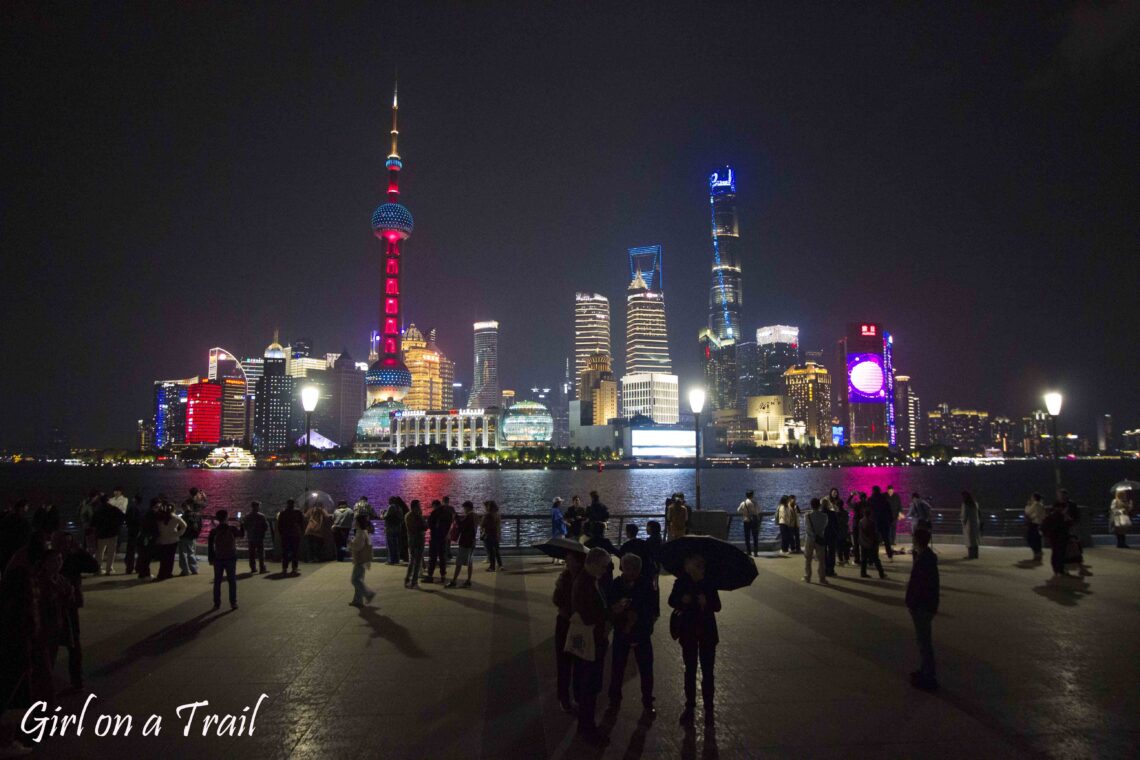
Shanghai – Garden of Pleasure and the Analog Tinder
Shanghai is a city of many names – the “Pearl of Asia”, the “Paris of the East”, the “New York of Asia” and a place that seemingly never sleeps. There’s always something going on here, and its energy can be felt on every street, in every pub, and on the riverbank. What really surprised me was its incredible diversity: ancient temples coexist with modern skyscrapers, elegant European-style buildings pop up here and there, and yet the streets are surprisingly orderly… and clean. If you’re thinking of a typical Chinatown, forget it, it’s a bit luxurious here. I had only two days to explore – one on the way to New…
-
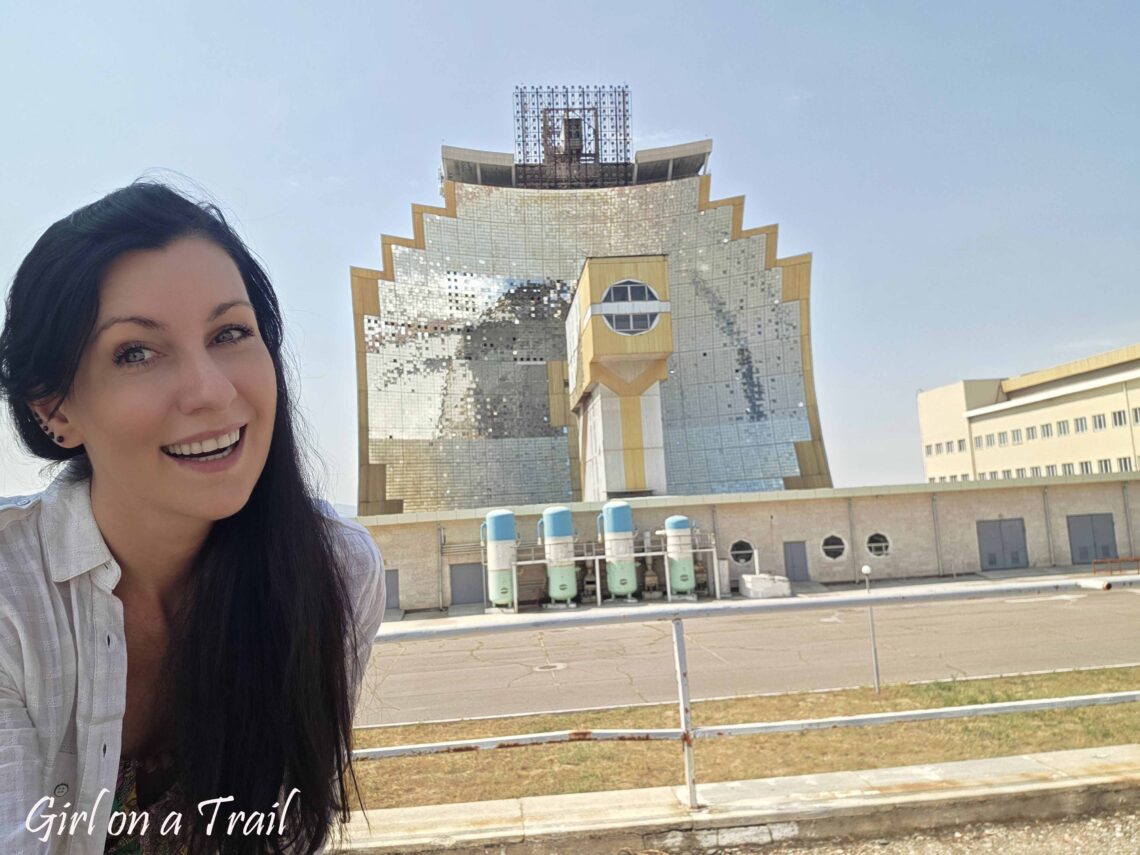
The Institute of the Sun – Soviet science fiction in the mountains of Uzbekistan
The Institute of the Sun, also known as the Big Solar Furnace or the Solar Furnace Complex, is located just 50 kilometres or so from Tashkent, in the unassuming town of Parkent, which at first glance doesn’t really seem to stand out in any particular way. Just an ordinary Uzbek town at the foot of the mountains. And yet, all you have to do is look up at the hill towering above it to see something that definitely doesn’t belong in this landscape. On the mountainside stands a huge, futuristic structure covered in thousands of mirrors, looking like a bizarre cross between an abandoned industrial complex, an urbex site and…
-
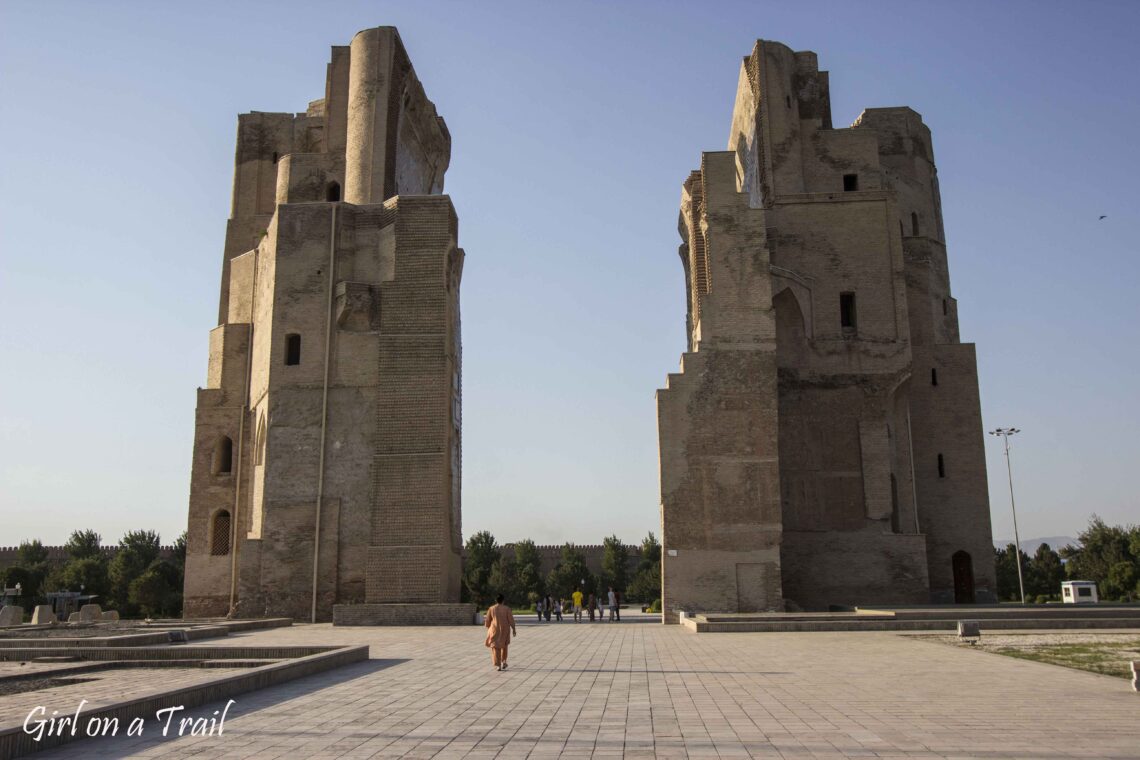
Shahrisabz – the city of Timur
Shahrisabz is a city associated above all with one man. It was here that Timur the Lame, widely known as Tamerlane, was born – one of the most powerful and, at the same time, ruthless rulers in the history of Central Asia. Timur is a figure it is difficult to remain indifferent to. For Uzbeks, he is now regarded as one of their greatest national heroes. Throughout his homeland, you will find monuments, museums and entire historical complexes commemorating his power. But once you start reading about his conquests, the picture becomes considerably less heroic. Timur was a brilliant strategist and an extraordinarily effective ruler, but also a ruthless conqueror.…
-
Khiva – Uzbekistan, a city out of One Thousand and One Nights
To be honest, Khiva almost fell off my itinerary for Uzbekistan. Not because it didn’t seem interesting. Quite the opposite – when I was planning my trip to Uzbekistan, I knew it was one of those places I simply had to see. The problem was something completely different… logistics. Or, to be more precise: my first day in Uzbekistan was, to put it mildly, rather ambitious. 😉 After a night flight to Tashkent, by which point I felt that coffee was the only thing keeping my vital functions going, I still had a domestic flight to Urgench ahead of me. That was where I was picking up my hire car.…
-
Oman – discovering Muscat’s surroundings
Oman has been strategically located along trade routes for centuries, which is reflected in the construction of numerous defensive forts designed to ensure protection against invaders. One such structure, Al Hazm Castle, is one of the most impressive buildings in Oman. It was built in the 18th century by Imam Sultan bin Saif II. The castle was not only the residence of the ruler of Oman but also served a defensive function, which is why it is also known as a fort. Al Hazm Castle is unique due to its construction. No wood was used in the building of its ceilings, and it also used an innovative water system known…
-
Abu Dhabi – attractions, architecture and local vibe of the UAE
Abu Dhabi, the capital of the largest emirate in the UAE, may not boast a vast array of tourist attractions, but it is undoubtedly worth a visit. At first glance, it’s evident that the city is primarily designed for its residents. While nearby Dubai is dominated by tourists, Abu Dhabi seems to be more overlooked by them. Unlike Dubai, where the economy now heavily relies on new technologies and tourism, Abu Dhabi remains self-sufficient thanks to its oil production, preserving its unique local character. Traditionally, the city center features numerous skyscrapers. Some of them may be a bit overwhelming in their design, but as they say, there’s no accounting for…
-
Thames Town – Chinese Truman Show
Thames Town is a charming little town straight out of a British postcard. Red telephone booths, Victorian architecture, brick terraced houses and old-fashioned post boxes give it a typically English vibe. Yet something feels off – it’s way too cute, tidy and suspiciously perfect. After a while, the oddities start to show. Cars drive on the right, most of the shops are closed, and the people walking past in no way look European. On top of that, there’s an eerie silence, and everything is so perfectly arranged that it almost feels unnatural. The truth only becomes obvious when you notice the signs. Alongside the English names, there are Chinese characters.…
-
Muscat – A City from the Tales of the Arabian Nights…
Muscat, the capital of Oman, has a unique fairytale charm in my view. It looks like something straight out of the Tales of the Arabian Nights, but with a modern twist. Enchanting palaces, forts perched on rocky cliffs, lush green oases, white architecture, scenic coastlines, and spice-scented bazaars create a distinctive atmosphere of this city. I began my exploration in the eastern part of Muscat, often referred to as the Old City. It’s the most iconic area of the city, home to numerous government buildings and elegant villas. However, the highlight here is Al-Alam Palace, one of the six residences of the Sultan of Oman. Used mainly for ceremonial purposes,…
-
Sheikh Zayed Grand Mosque – UAE
Sheikh Zayed Grand Mosque is the largest mosque in the UAE and the third largest in the world. It can accommodate up to 40,000 worshippers, and the entire complex covers the area of 22,412 m². The mosque was inspired by Sheikh Zayed bin Sultan Al Nahyan, the UAE’s first president, who envisioned it as an open space for people of all faiths. In line with the Sheikh’s vision, the mosque symbolizes the Islamic message of peace and tolerance and reflects the Emirates’ culture of dialogue and openness. He also intended the building to unite all religions and connect the past with the present. Construction began in 1996, and Sheikh Zayed’s…