Shahrisabz – the city of Timur
Shahrisabz is a city associated above all with one man. It was here that Timur the Lame, widely known as Tamerlane, was born – one of the most powerful and, at the same time, ruthless rulers in the history of Central Asia. Timur is a figure it is difficult to remain indifferent to. For Uzbeks, he is now regarded as one of their greatest national heroes. Throughout his homeland, you will find monuments, museums and entire historical complexes commemorating his power. But once you start reading about his conquests, the picture becomes considerably less heroic.
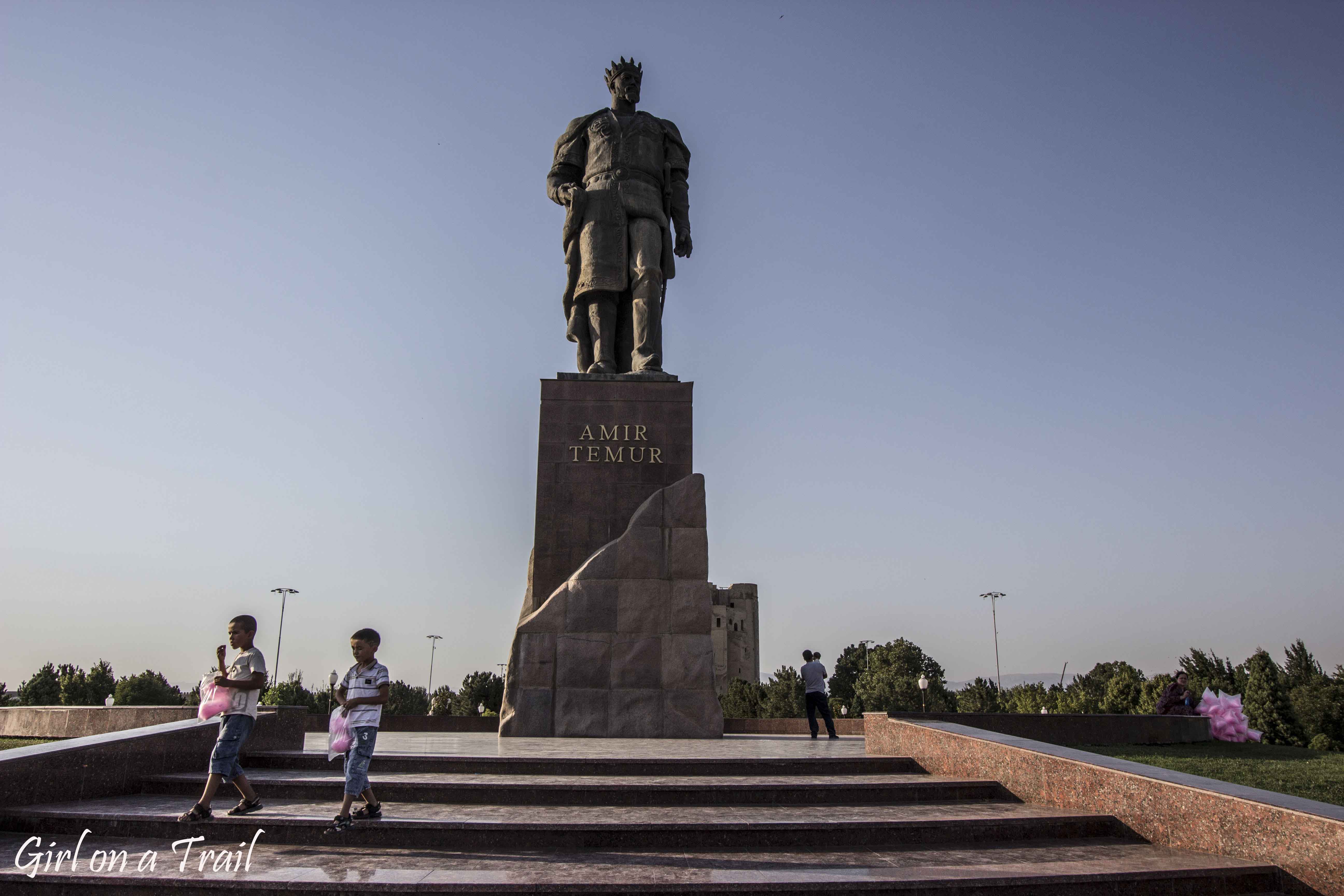
Timur was a brilliant strategist and an extraordinarily effective ruler, but also a ruthless conqueror. His military campaigns cost an enormous number of lives. To some, he was a great builder and the creator of a mighty empire; to others, a brutal conqueror who left a trail of blood in his wake. Although he made Samarkand the capital of his empire, he never forgot his hometown of Shahrisabz. He wanted to turn it into a truly extraordinary place.
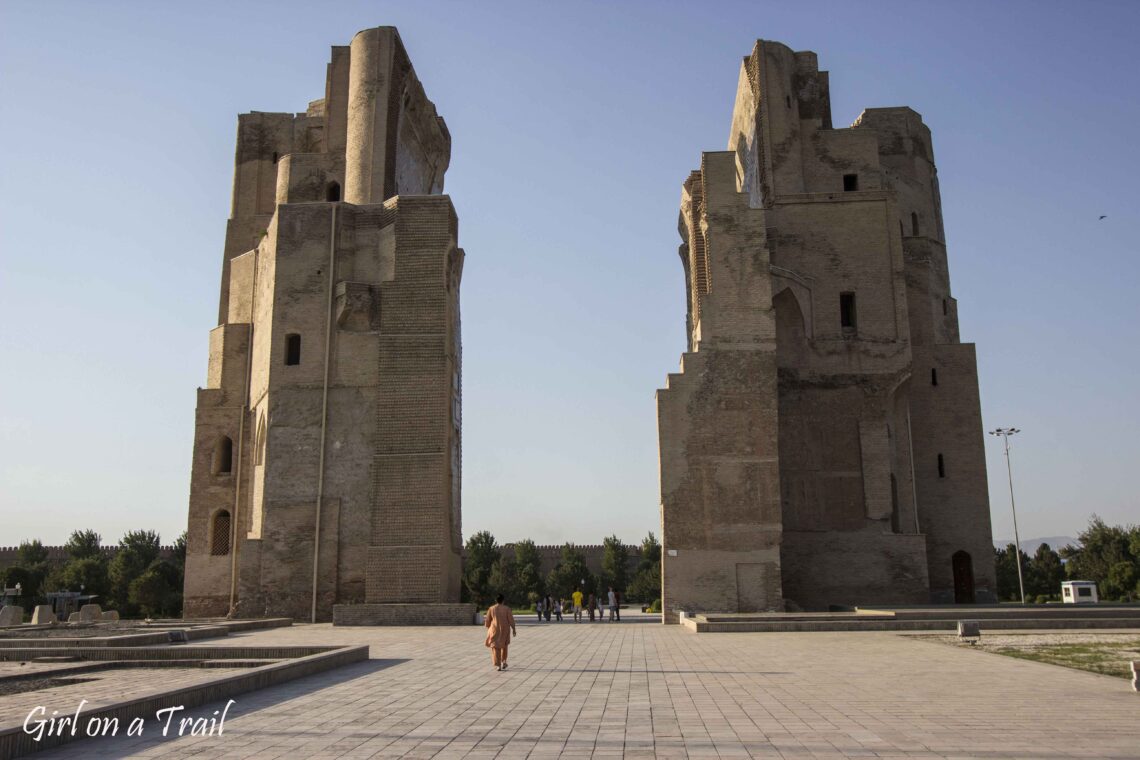
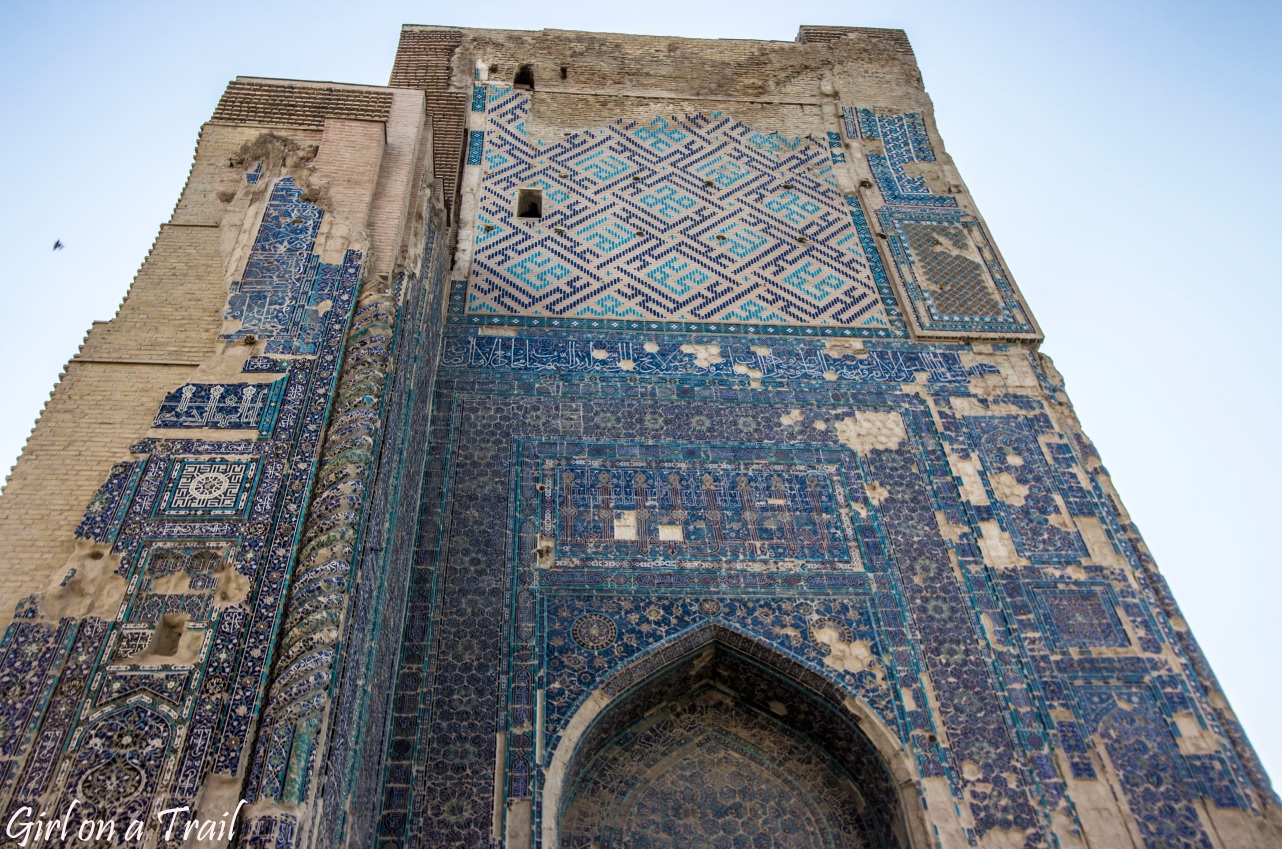
Shahrisabz was meant to be a showcase of his power. Yet today, all that remains of the once-mighty city and its monumental palaces are ruins. Even so, they give us an idea of the scale of Timur’s ambitions. One thing is certain: when you look at the Ak-Saray Palace, you have to admit that he certainly had no shortage of ambition or vision. Its name means ‘White Palace’, although the word ak can also be understood as ‘bright’, ‘magnificent’ or ‘sublime’. Today, only two enormous pylons remain of the entire complex, but they are by far the most impressive part. Standing before them, you can try to imagine the magnificent palace that once stood here, with a monumental gateway that, according to historical accounts, was around 70 metres high.
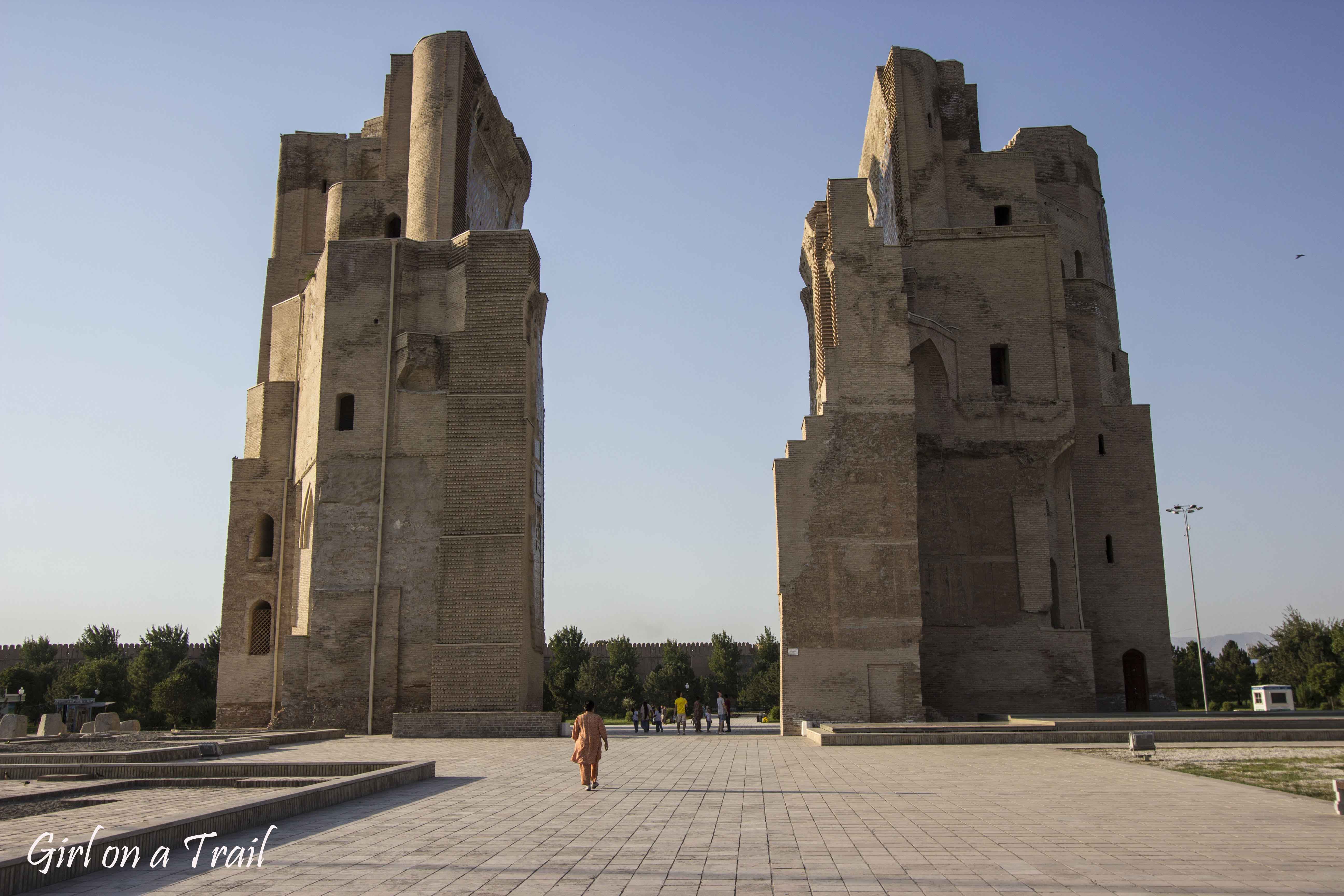
The surviving fragments of blue mosaic give us a glimpse of the splendour of the building. Interestingly, Ak-Saray was completed in 1404, and Timur died just a few months later. In a cruel twist of fate, not only did he barely have time to enjoy his masterpiece, but he was also never buried according to his final wishes. Winter and snow-covered mountain passes made it impossible to transport his body to his hometown. In the end, Timur was buried in Samarkand, in the famous Gur-i Amir mausoleum. After his death, the empire he had created began to fall apart rapidly.
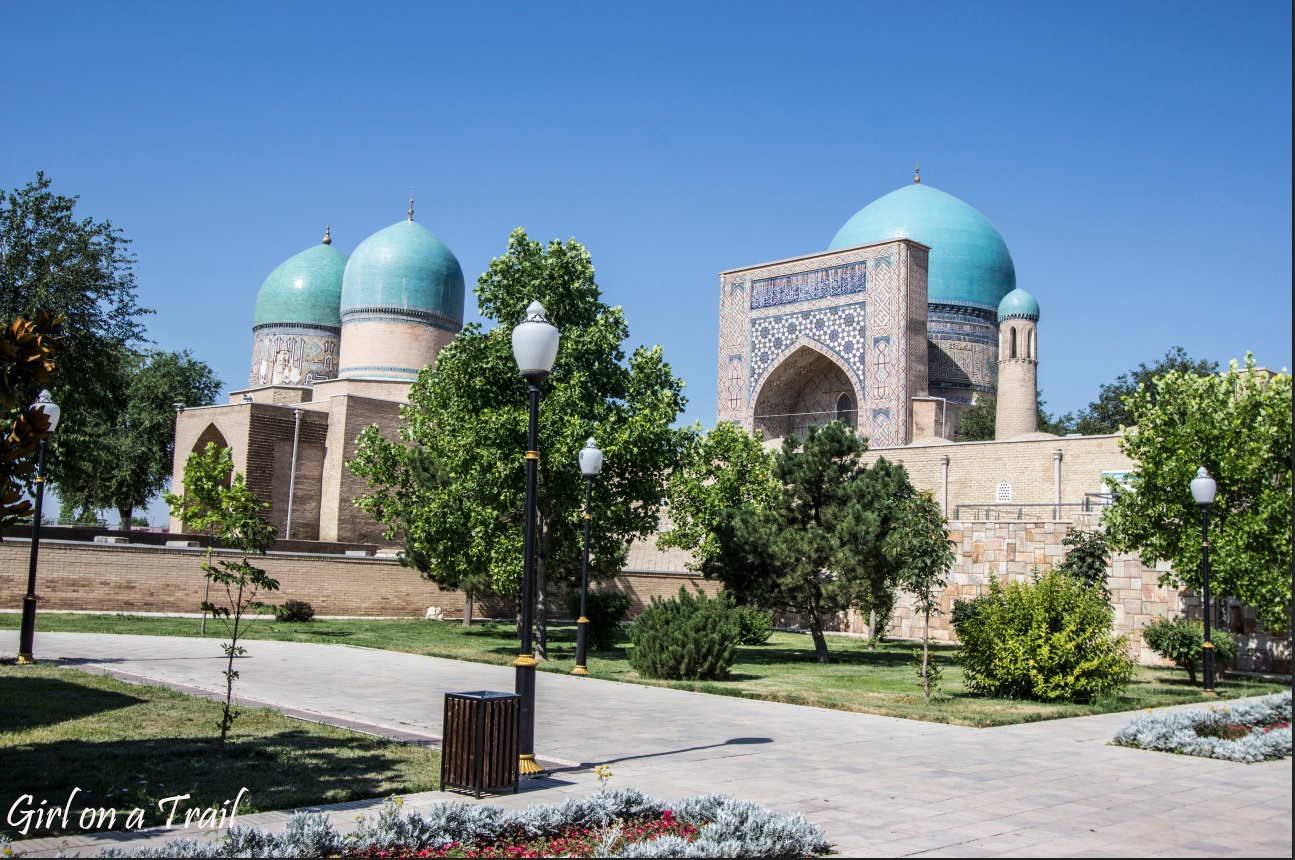
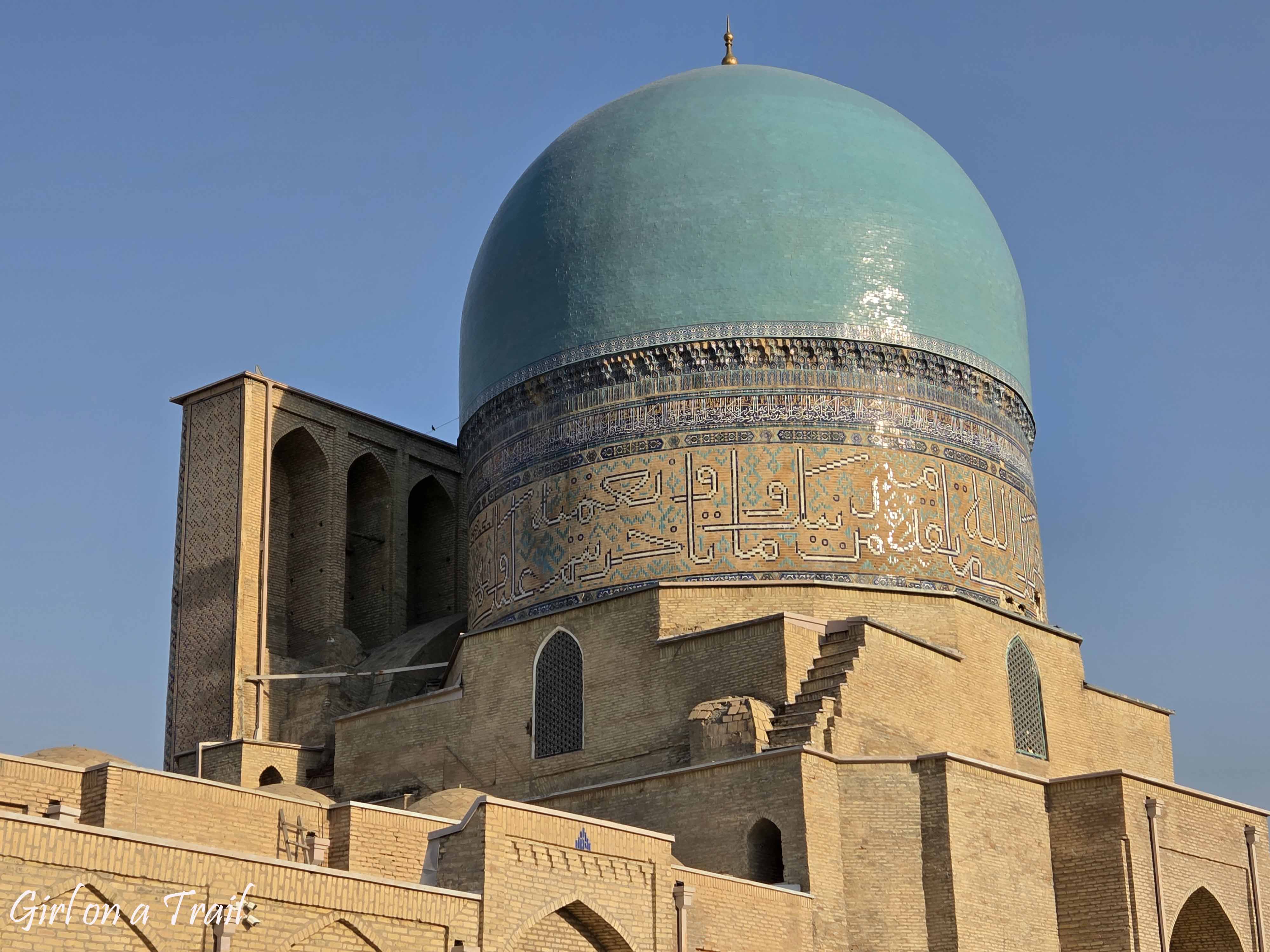
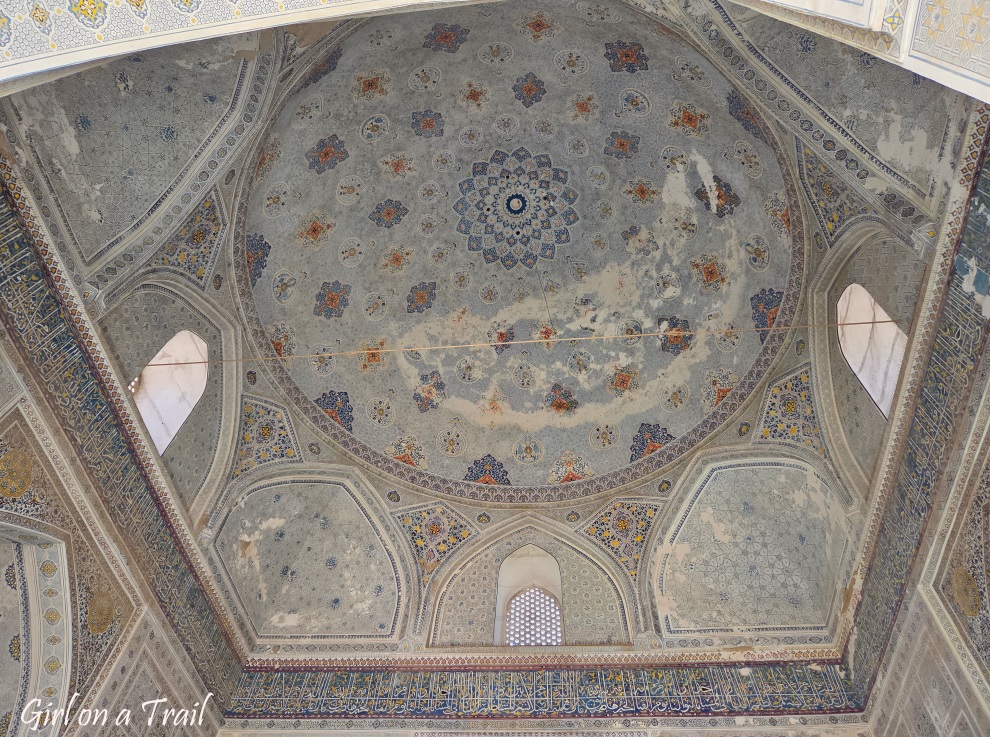
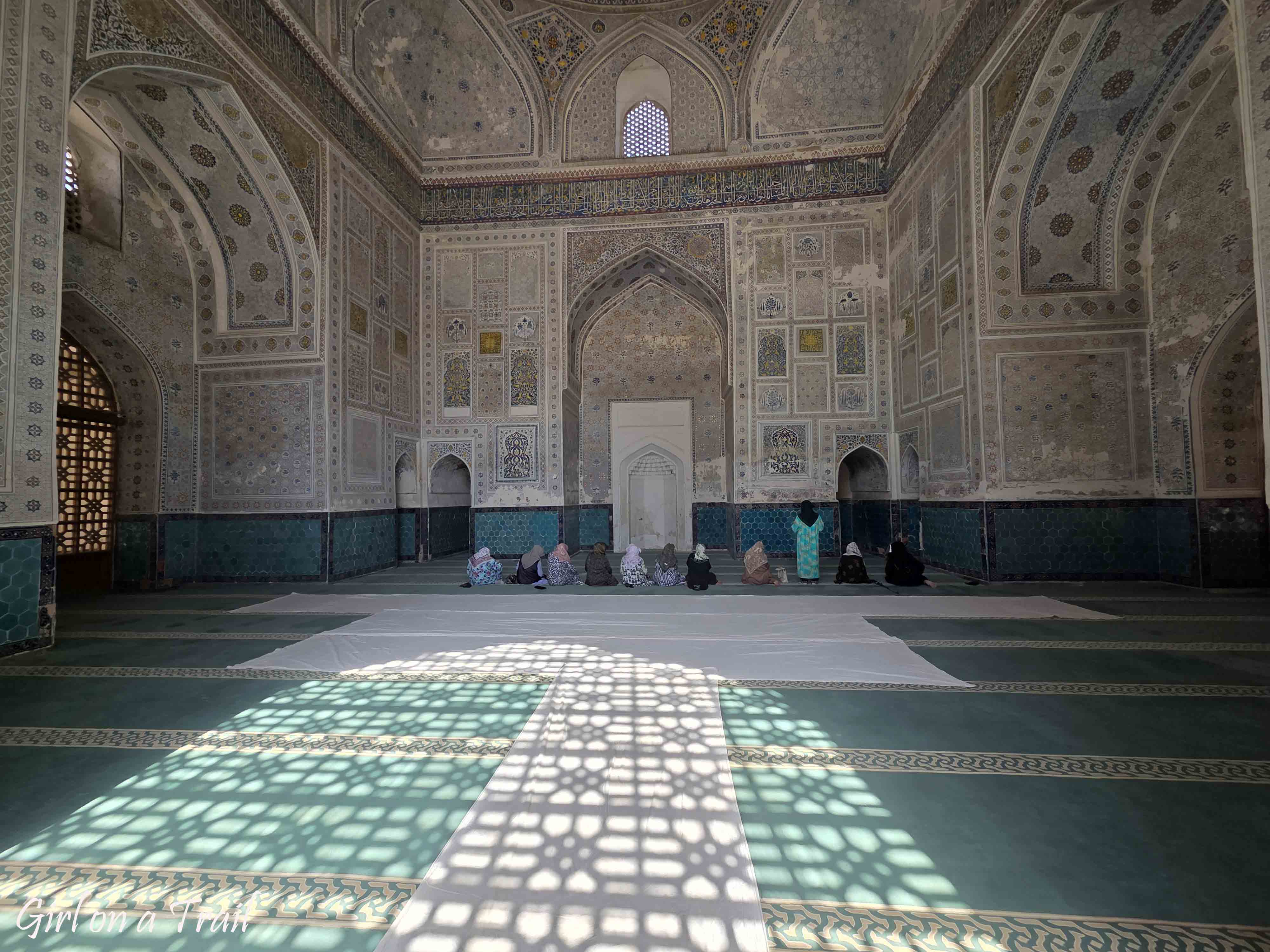
Apart from Ak-Saray, it is also worth visiting Dorut Tilavat, a complex of mausoleums dating from the turn of the 14th and 15th centuries. It is also home to the Kok Gumbaz Mosque, meaning ‘Blue Dome’. Its distinctive turquoise dome fits perfectly into Uzbekistan’s characteristic palette of colours. The whole complex looks as though it has been lifted straight from an oriental fairy tale. The blue domes and intricately decorated façades are particularly impressive at sunset, when the intense sunlight catches the mosaics.
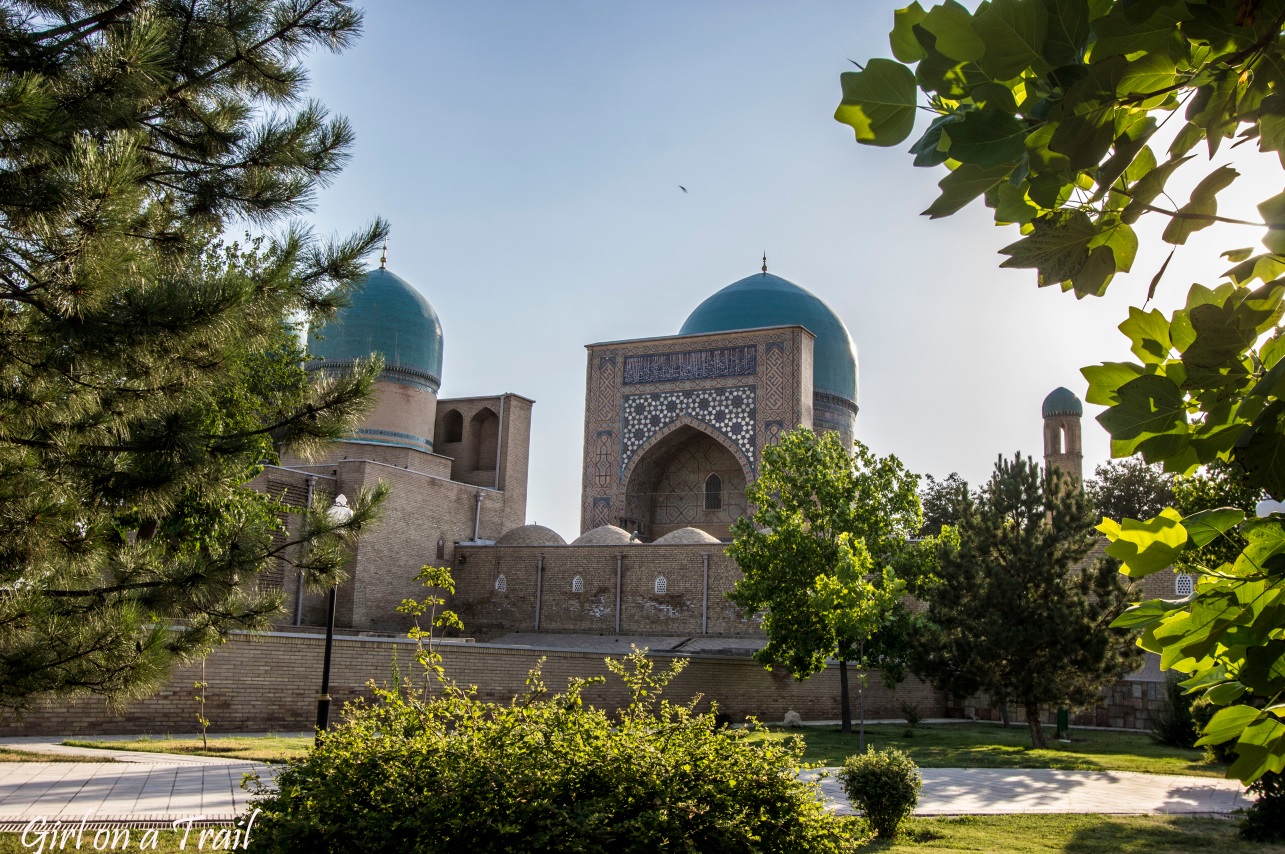
Just next door, on the other side of the park, lies Dorus Siadat – a complex associated with the mausoleum of Jahangir, Timur’s beloved son. This was where Timur planned to create his own burial place. In the end, however, it was his family members who were buried here. The buildings of the complex are partially ruined, but that is precisely where their charm lies. Like the ruins of Ak-Saray Palace, they remind us that even the greatest empires eventually fade away.
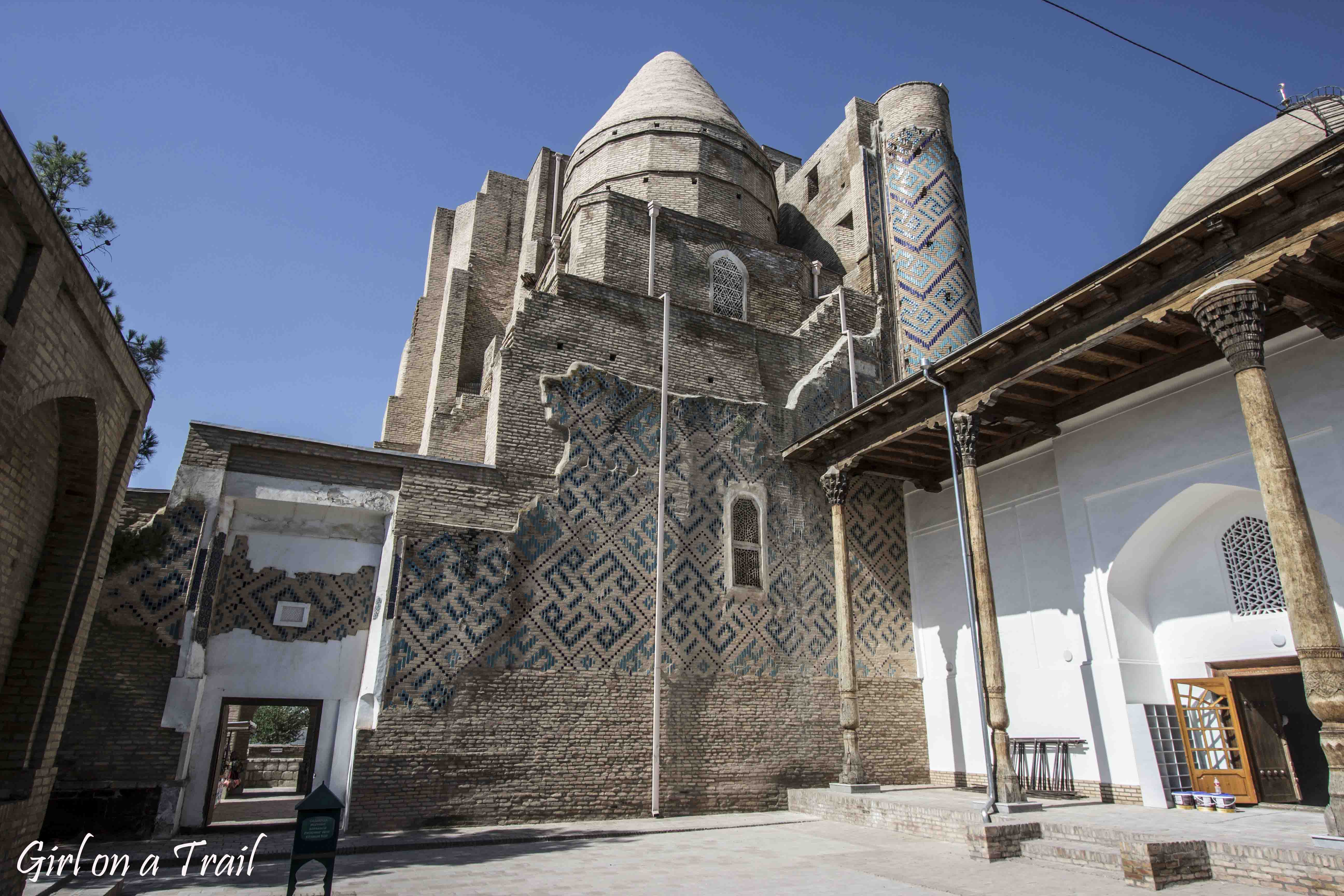
Shahrisabz is therefore a little like a history lesson brought to life. Here, you can see what Timur’s power once looked like. You can admire the architecture and the sheer scale of his ambitions. But you can also pause for a moment and reflect on the fact that nothing lasts forever. What was once a symbol of power and wealth is now merely a shadow of its former glory. And perhaps that is what makes the biggest impression in Shahrisabz.


You May Also Like

Khiva – Uzbekistan, a city out of One Thousand and One Nights

Beirut – a city like a phoenix from the ashes