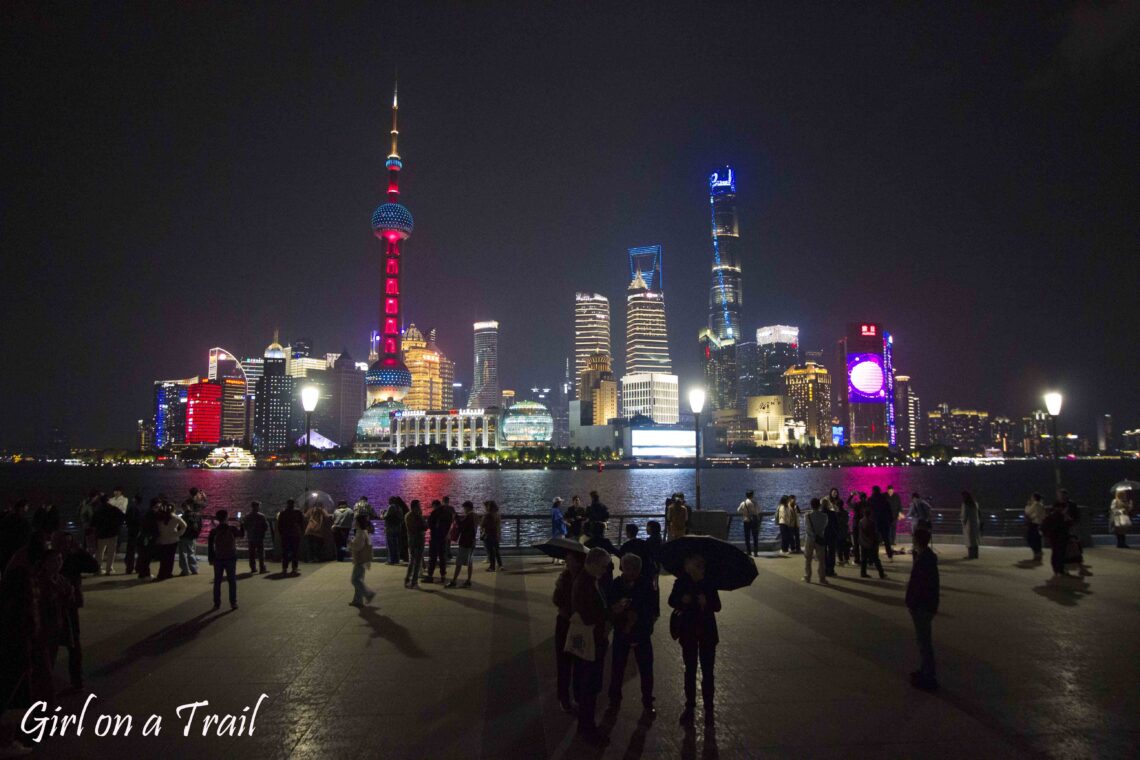
Shanghai – Garden of Pleasure and the Analog Tinder
Shanghai is a city of many names – the “Pearl of Asia”, the “Paris of the East”, the “New York of Asia” and a place that seemingly never sleeps. There’s always something going on here, and its energy can be felt on every street, in every pub, and on the riverbank. What really surprised me was its incredible diversity: ancient temples coexist with modern skyscrapers, elegant European-style buildings pop up here and there, and yet the streets are surprisingly orderly… and clean. If you’re thinking of a typical Chinatown, forget it, it’s a bit luxurious here.
I had only two days to explore – one on the way to New Zealand, the other on the return journey. Not enough to see everything, but enough to tick off the must-see highlights for next time.
A Cultural Encounter at the Shanghai Museum
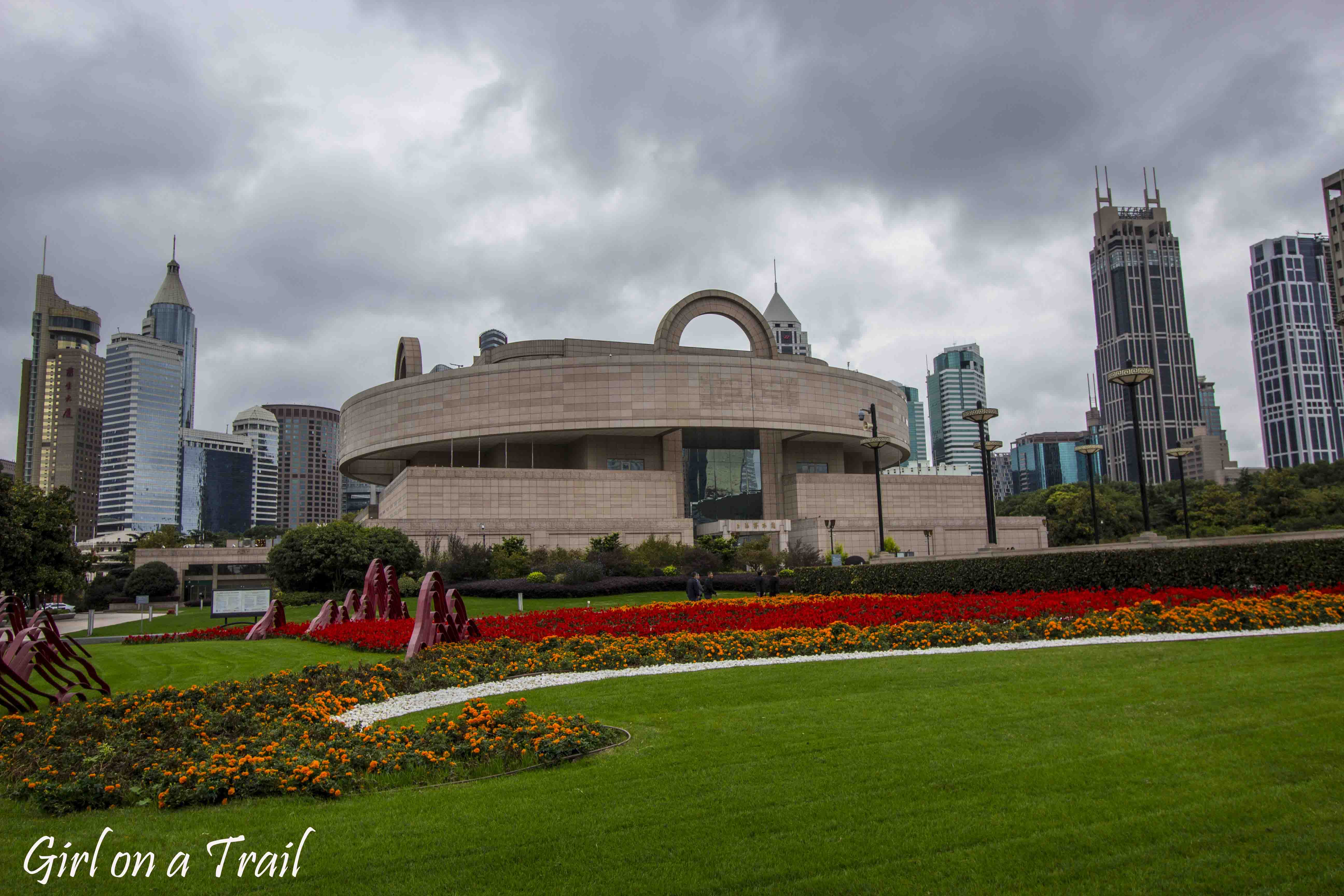
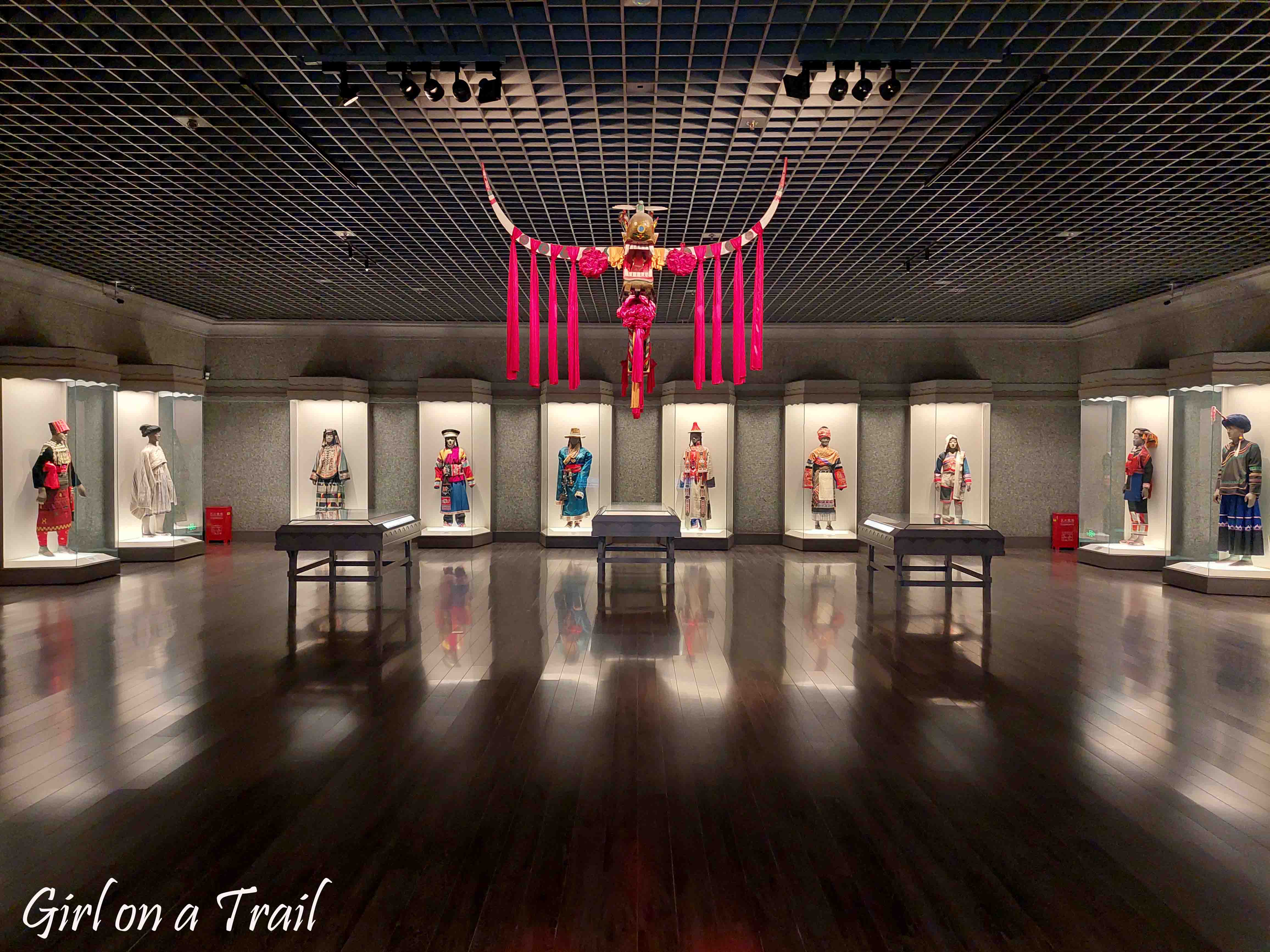
I started my sightseeing at the Shanghai Museum. Spread across four floors, you can admire Chinese porcelain, paintings, traditional costumes, and statues. The building itself is a sight to behold – designed in the shape of a ding, an ancient Chinese cauldron. It’s well worth a visit, especially since entry is free and the experience is guaranteed to impress.
Analog Tinder and the Marriage Market
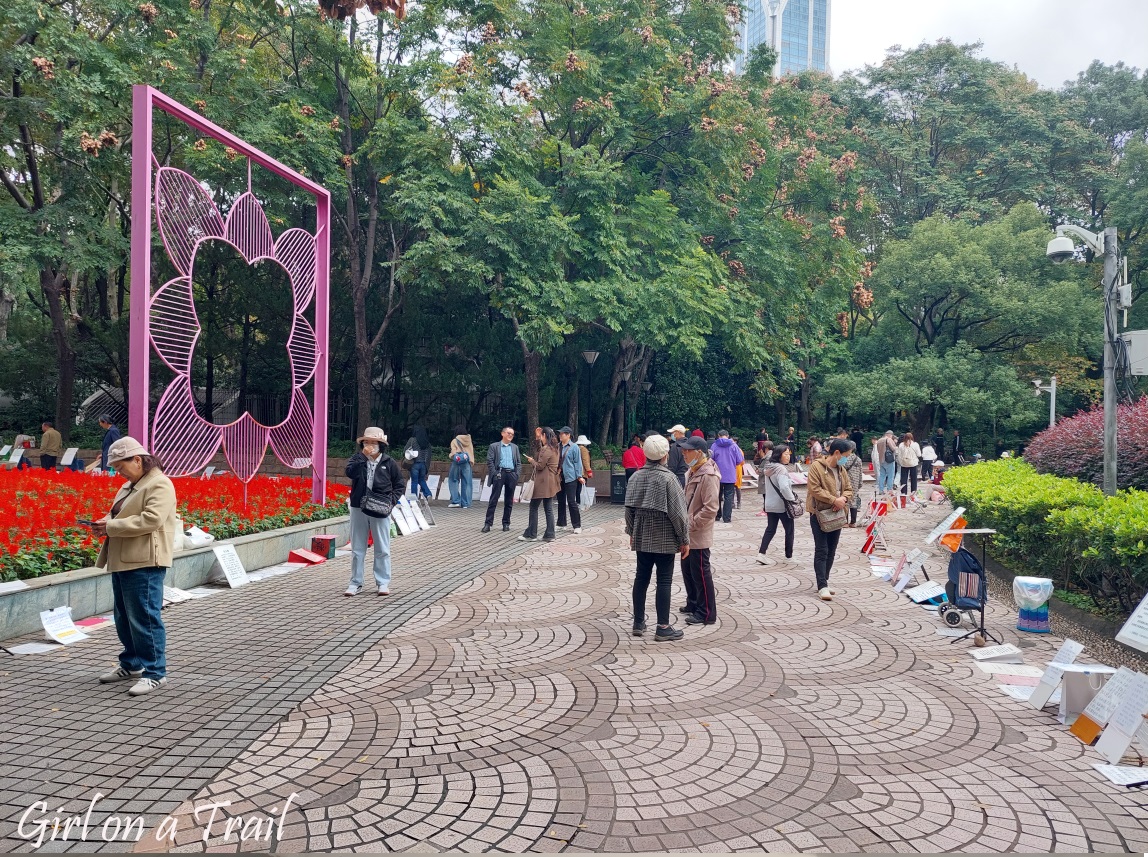
Near People’s Square metro station, there’s a rather unusual spot that could be called an “analog Tinder”. Surprisingly, in this modern city, there’s a marriage market. And no, singles don’t come here to find love – their parents do it for them. Every weekend, empty park spaces fill with sheets listing children’s details: age, height, education, occupation, income, zodiac sign, sometimes even blood type. No photos, so at least GDPR is partially respected.
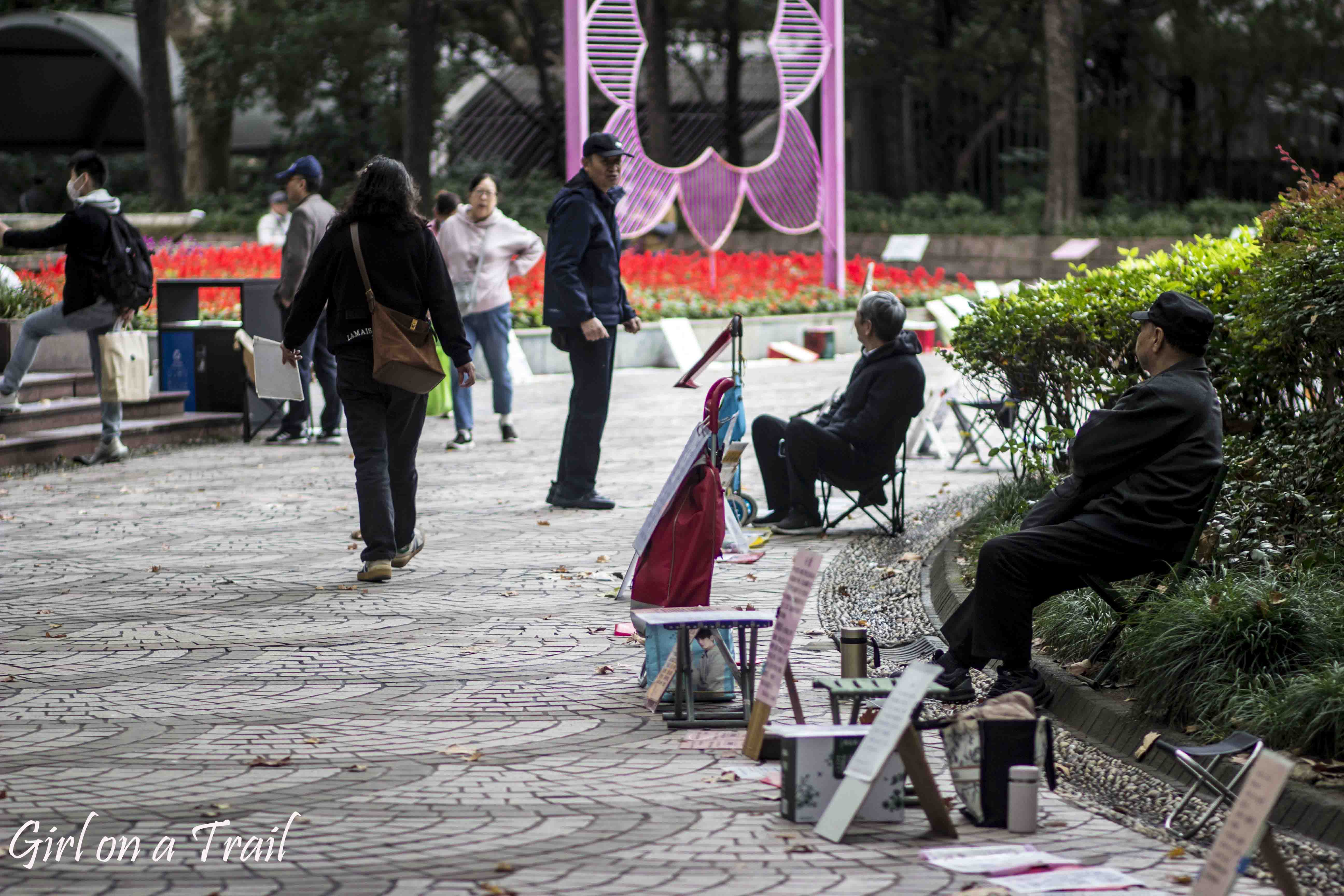
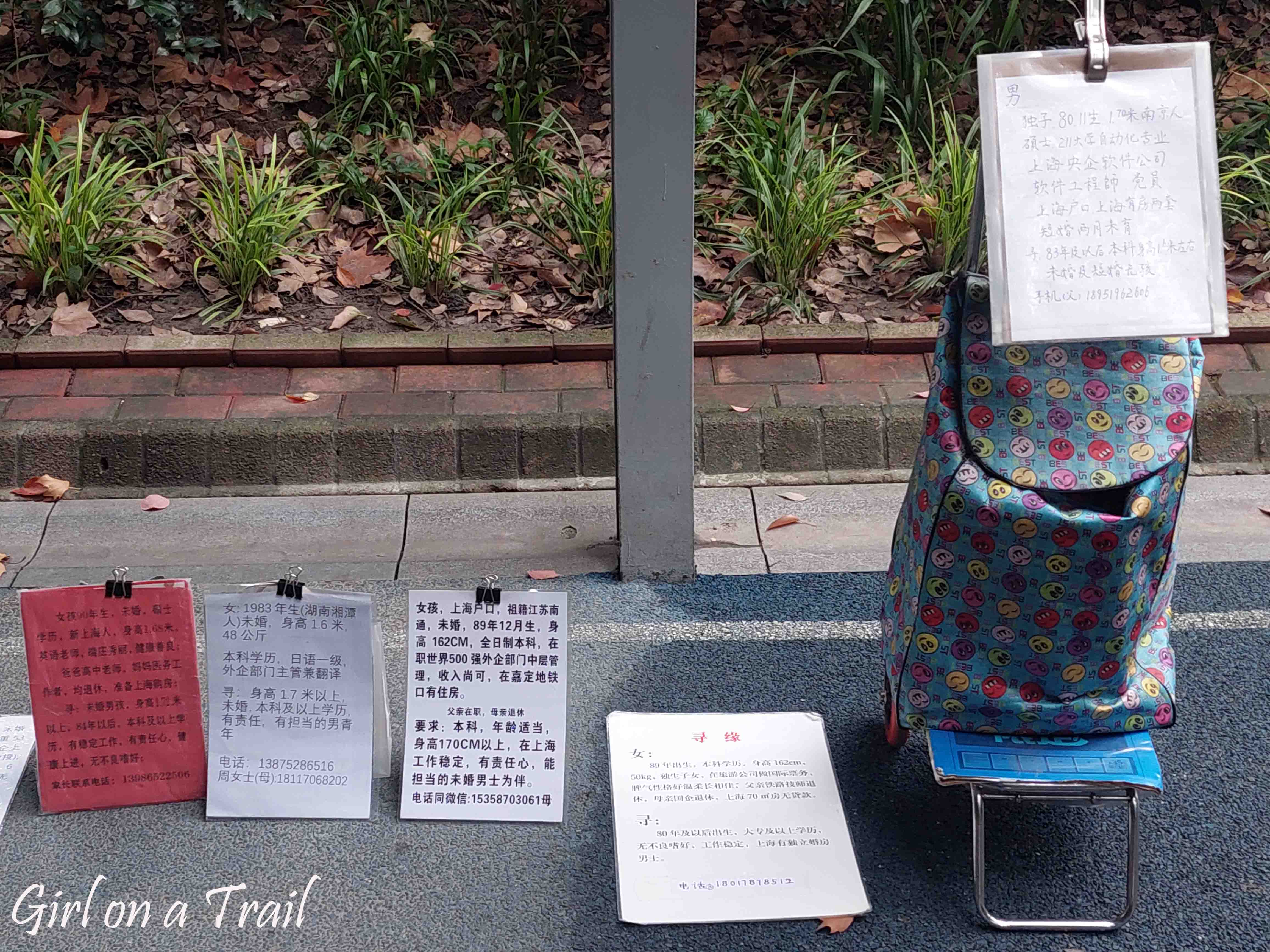
There’s also no romance, choosing a partner is pure calculation. Watching parents scan the market and negotiate was fascinating. Apparently, for “chemistry” to spark, the paperwork has to match – square footage of the flat, education. The market is even divided by year of birth, status, nationality, and religion. Like in a supermarket.
Art in the City and Post-Industrial M50
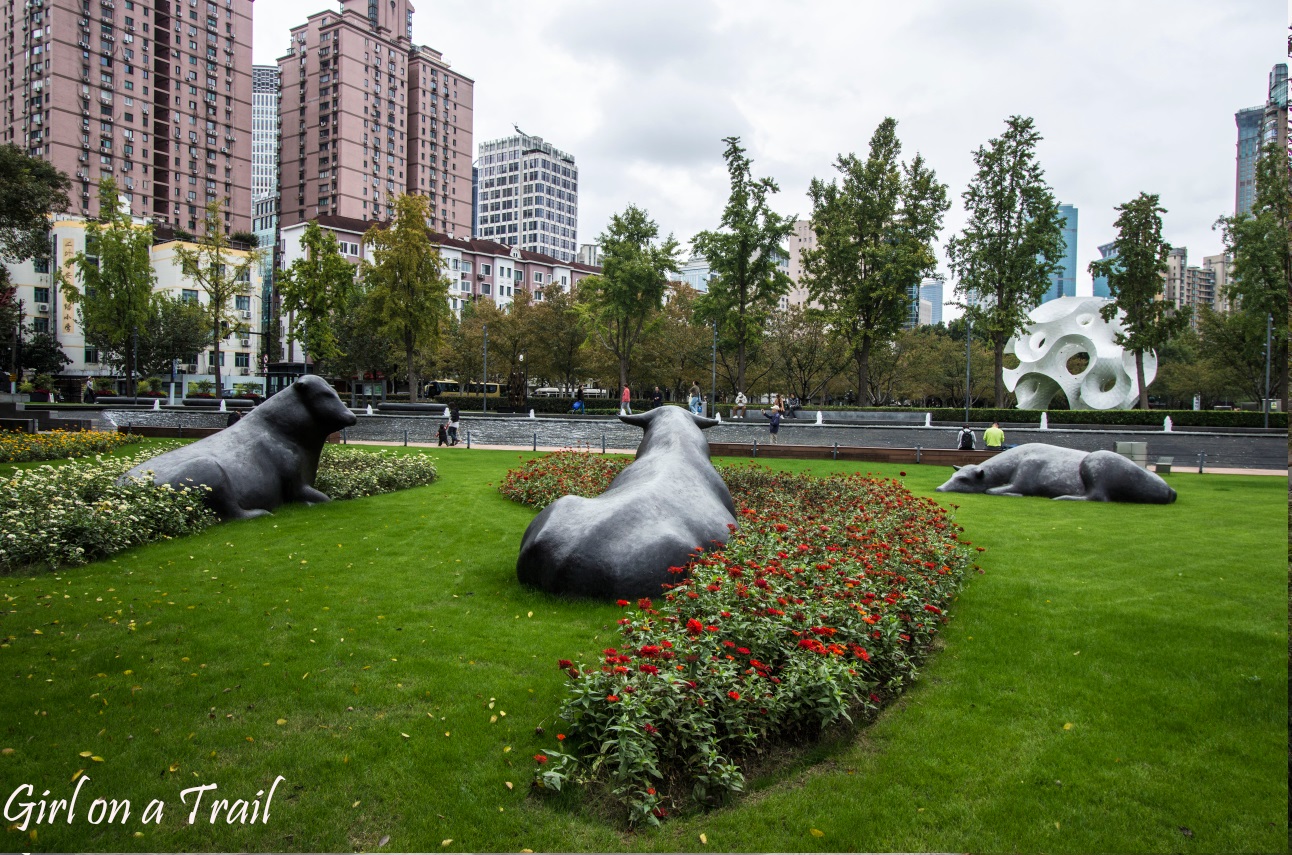
More excitement can certainly be found at Jing’An Sculpture Park. A small park, yet full of nature-inspired sculptures. Local and international artists contribute, and the display changes periodically. Grazing cows in the city centre? Why not!
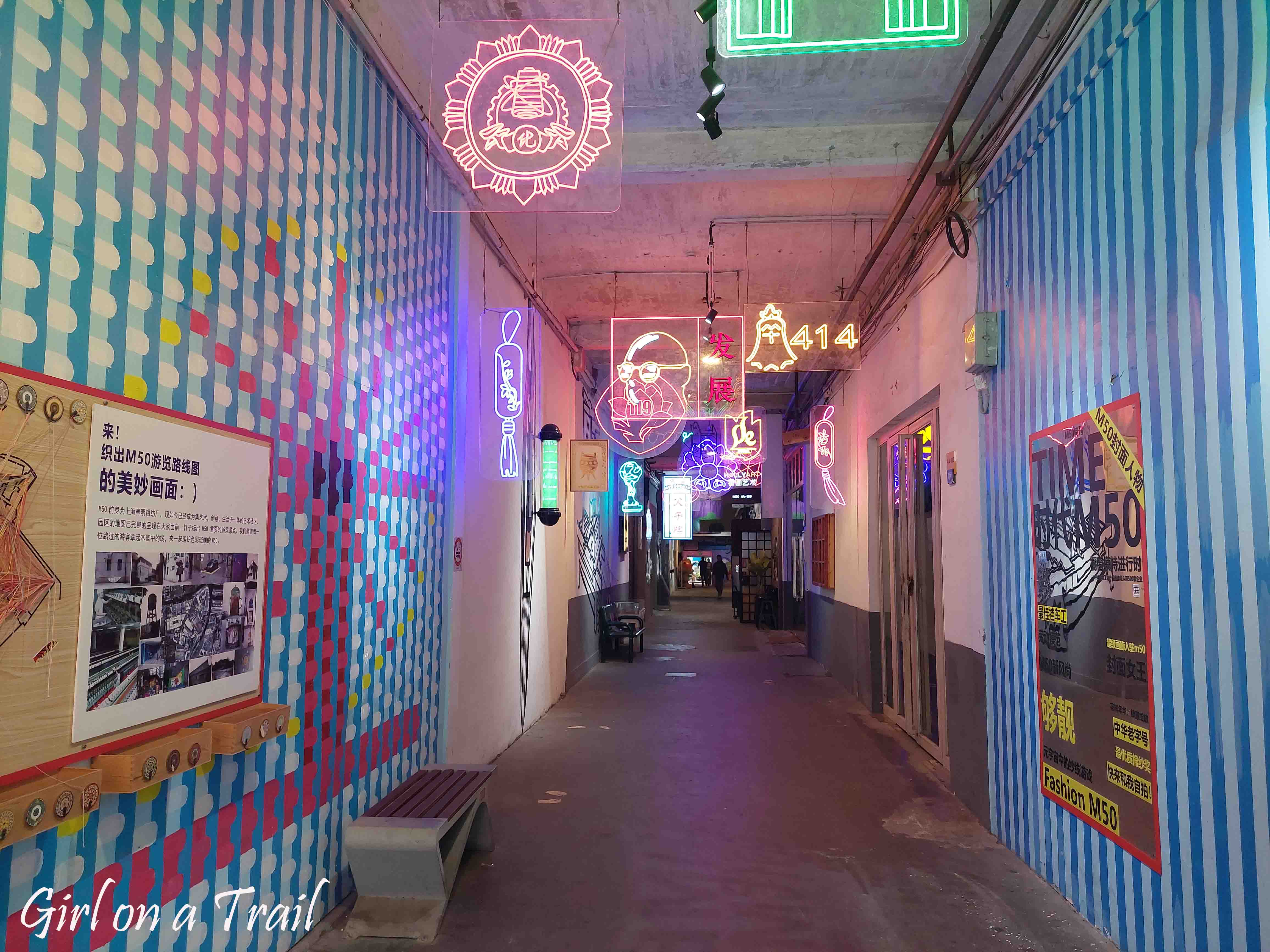
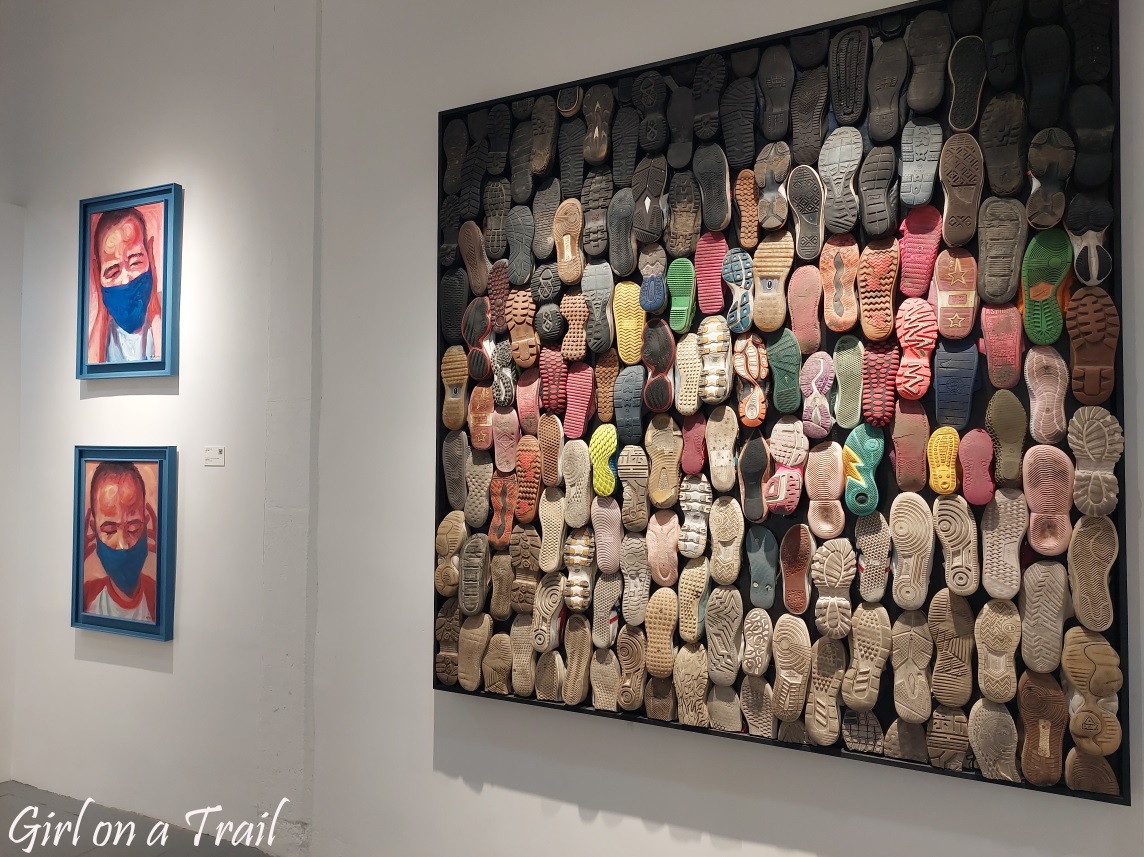
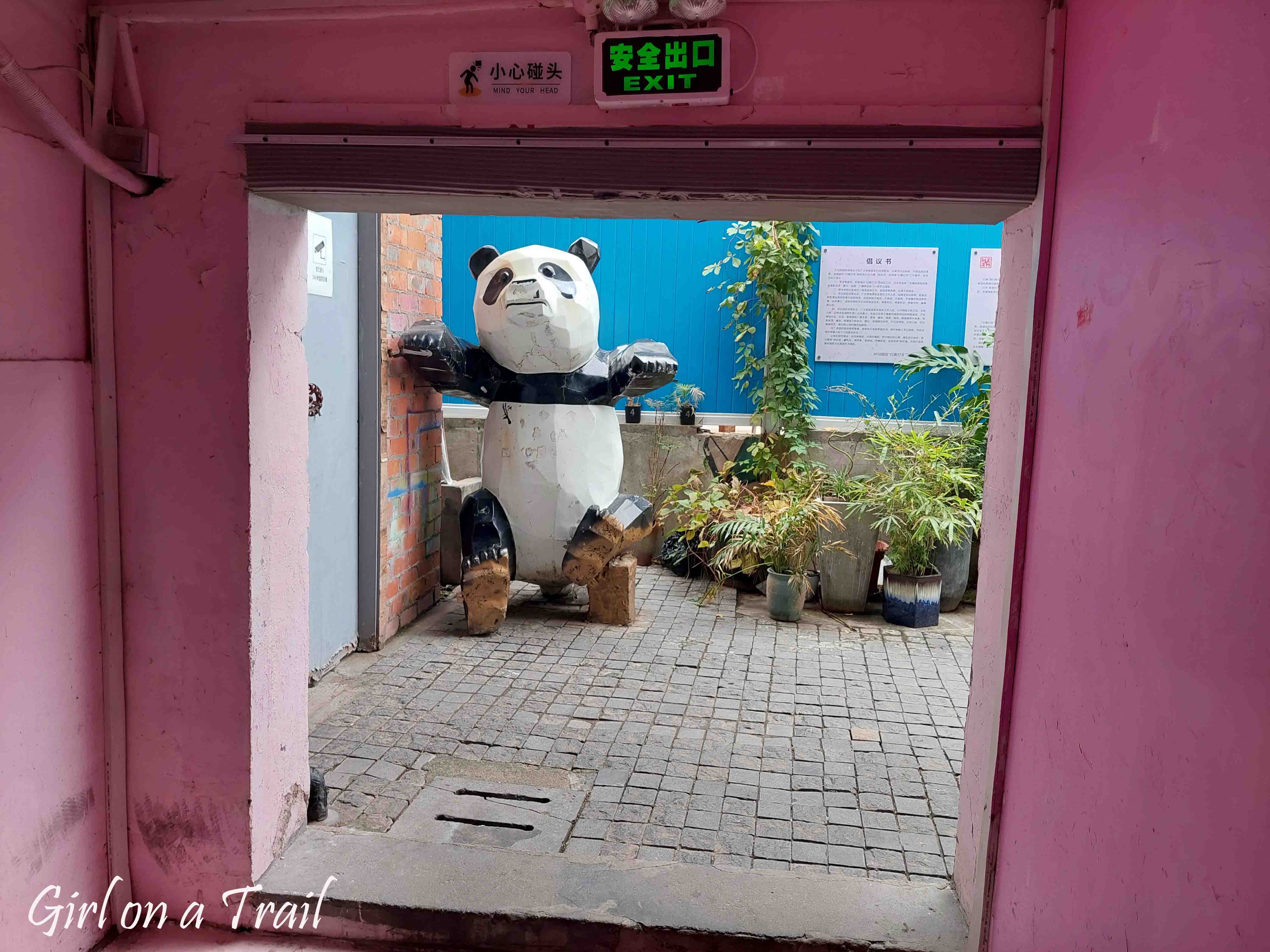
Another interesting spot on Shanghai’s map is the Moganshan Art District, or M50. Once a spinning mill, now galleries, studios, and design workshops. Colourful, provocative, sometimes absurd – all emotions bundled into one post-industrial package.
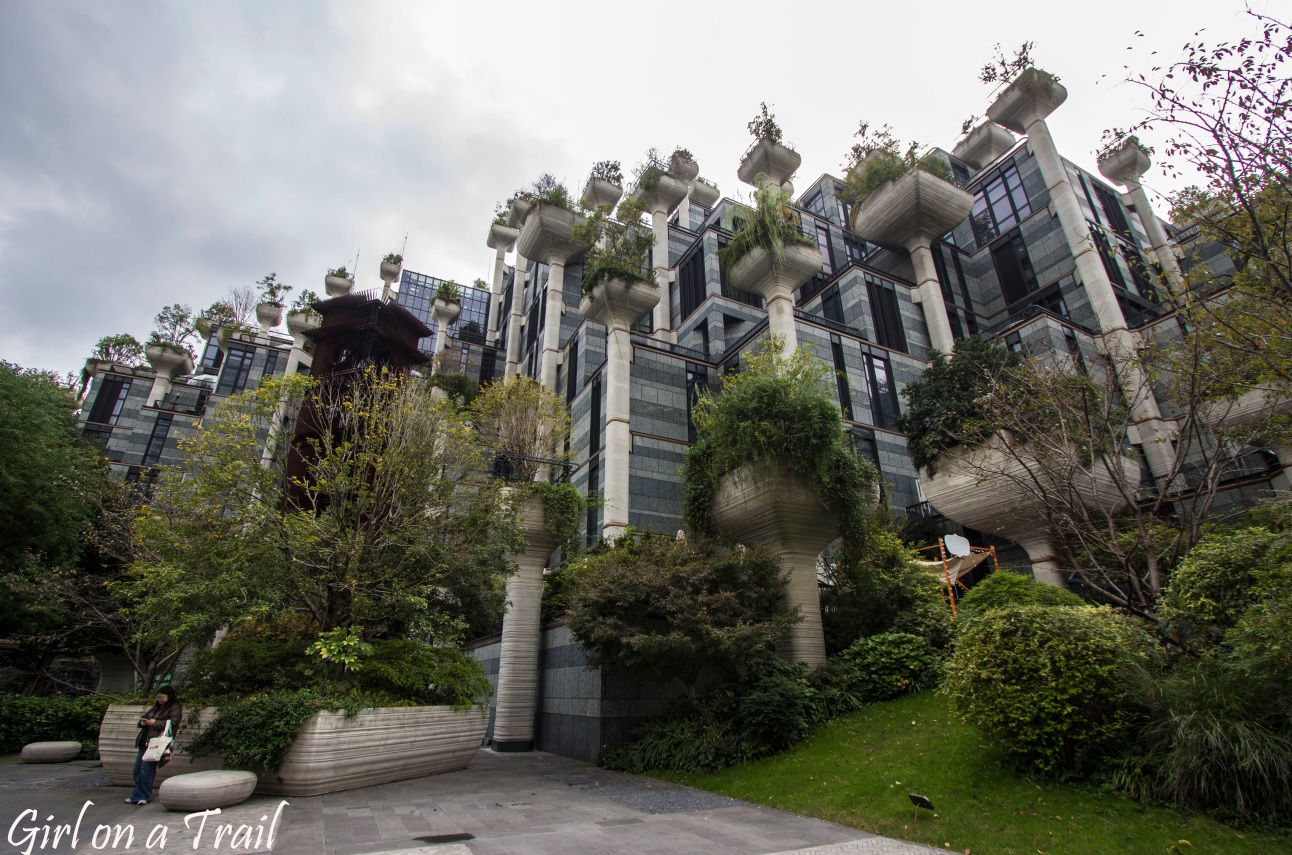
Next door is Tian’an Sunshine Plaza, nicknamed the “Babylonian Gardens of Shanghai”. Its façade is covered with over 20,000 plants, creating a vertical forest, right beside the Suzhou Creek promenade.
Temples and a Moment to Reset
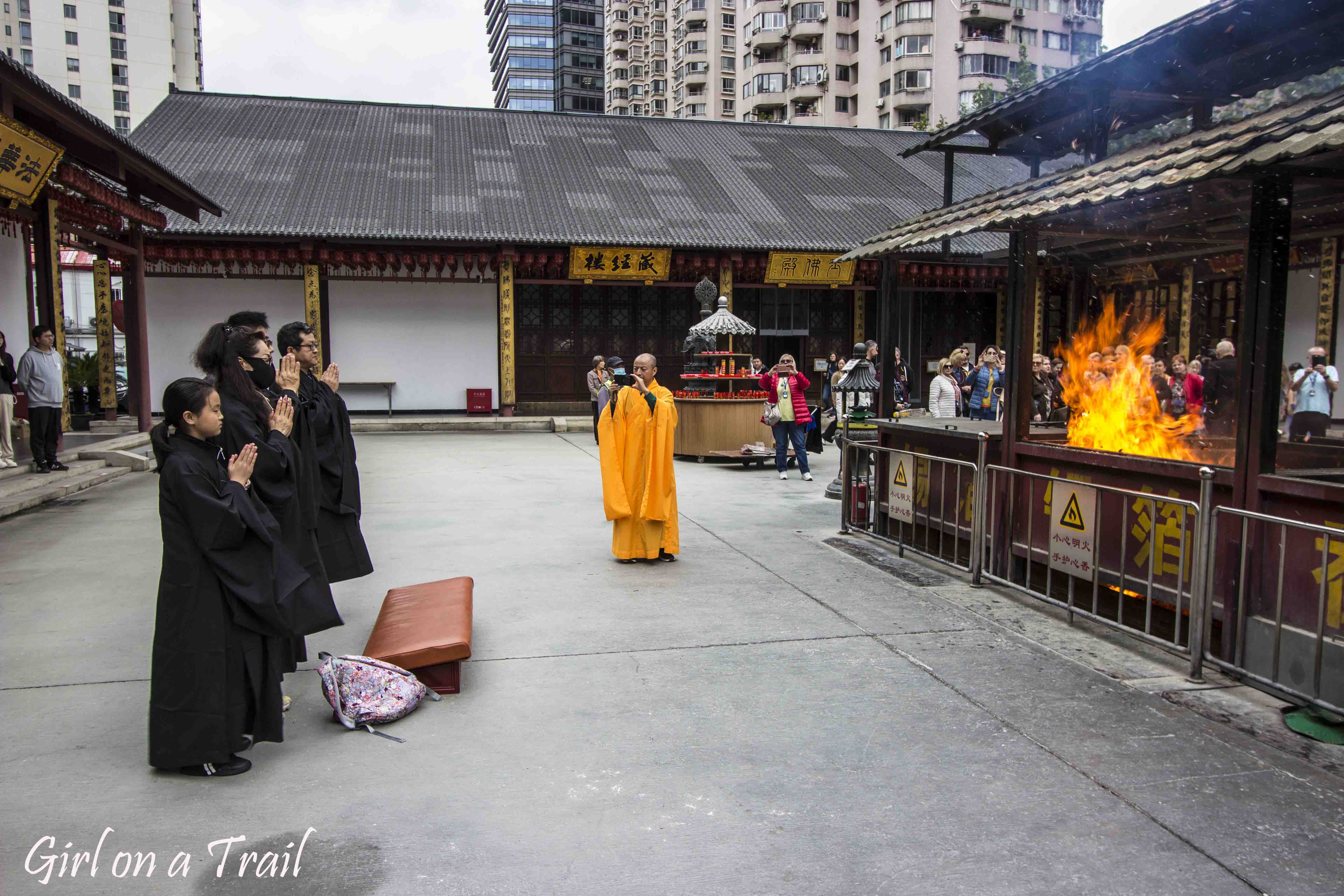
Shanghai isn’t just skyscrapers and modern art, it’s also ancient temples, perfect for a quick reset. At Jade Buddha Temple, you can watch monks and worshippers lighting incense as part of their prayers. Some even go all out and light small fires.
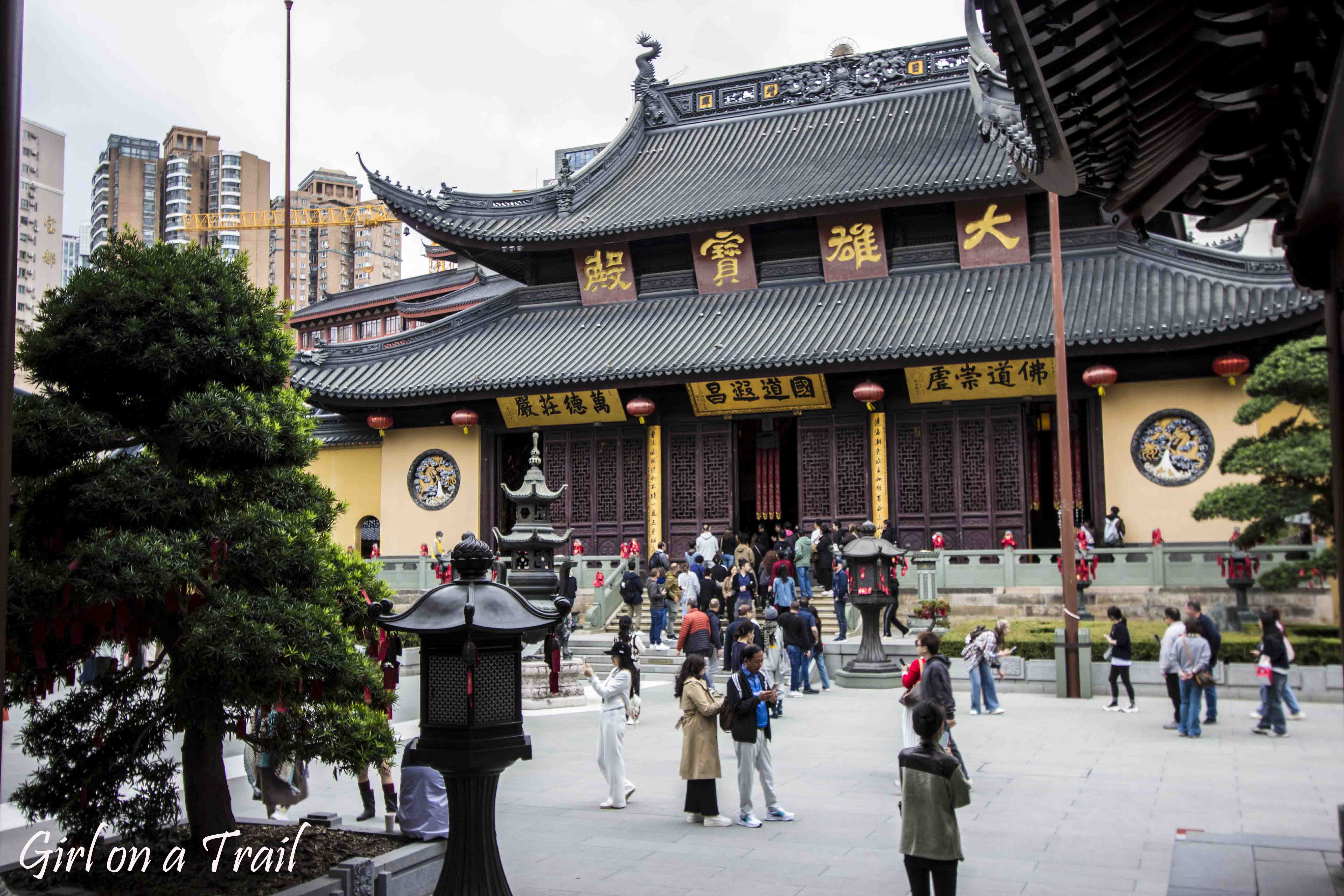
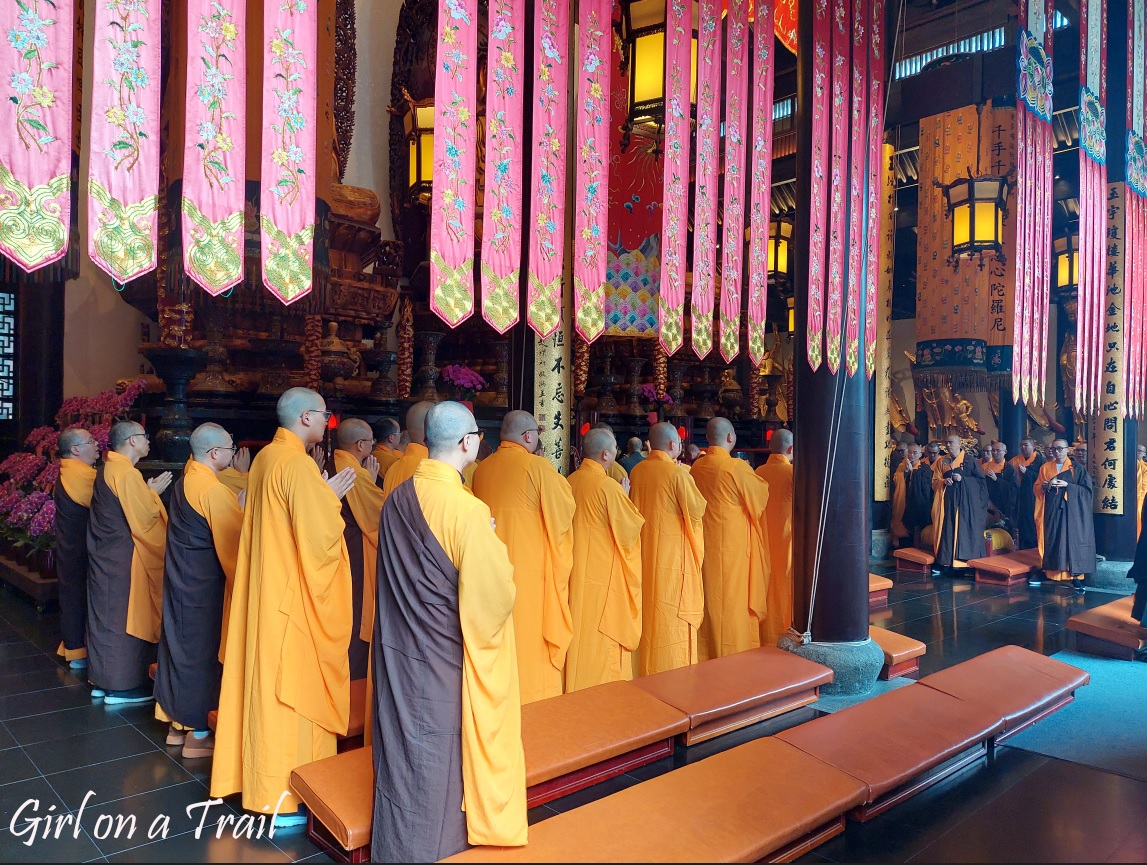
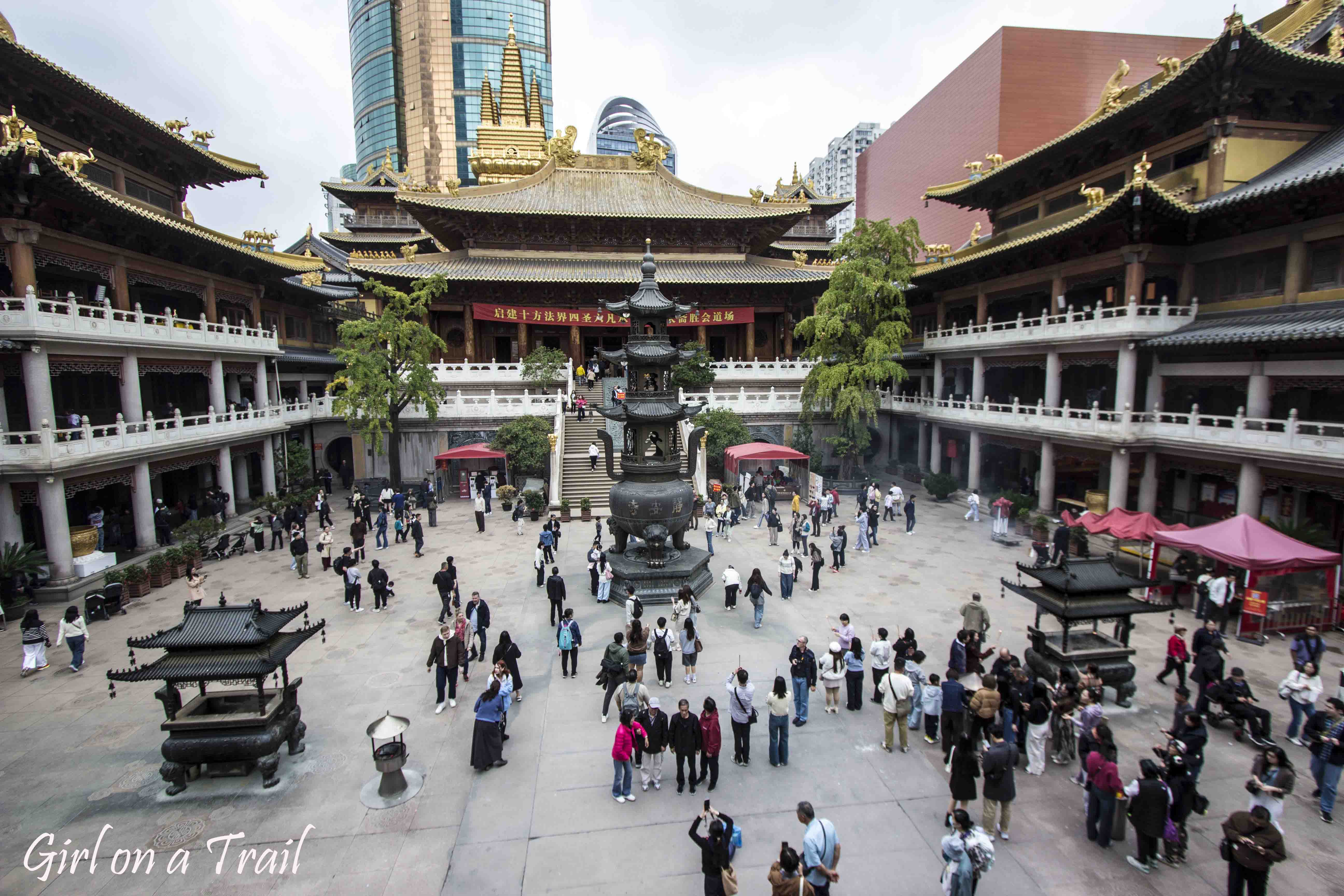
Jing’an Temple is another must-see, over 1,700 years old and looking like a classic postcard from China: ornate gates, massive halls, a huge Buddha statue, and the scent of incense wafting across the courtyard. It’s not a museum, but an active place of worship, with devotees moving among tourists, praying, and offering gifts. The calm inside contrasts sharply with the city noise just outside. Entry costs a few euros (£4.40), but the moment the city falls silent is priceless.
A European Touch – the French Concession
There are parts of Shanghai where you can almost feel like you’re in Europe. The old French Concession (mainly today’s Xuhui district) is one of the nicest areas for a stroll. Between 1849 and 1943, this part of the city was officially French. Today, you can admire tree-lined avenues, Art Deco villas, and a distinctly French atmosphere.
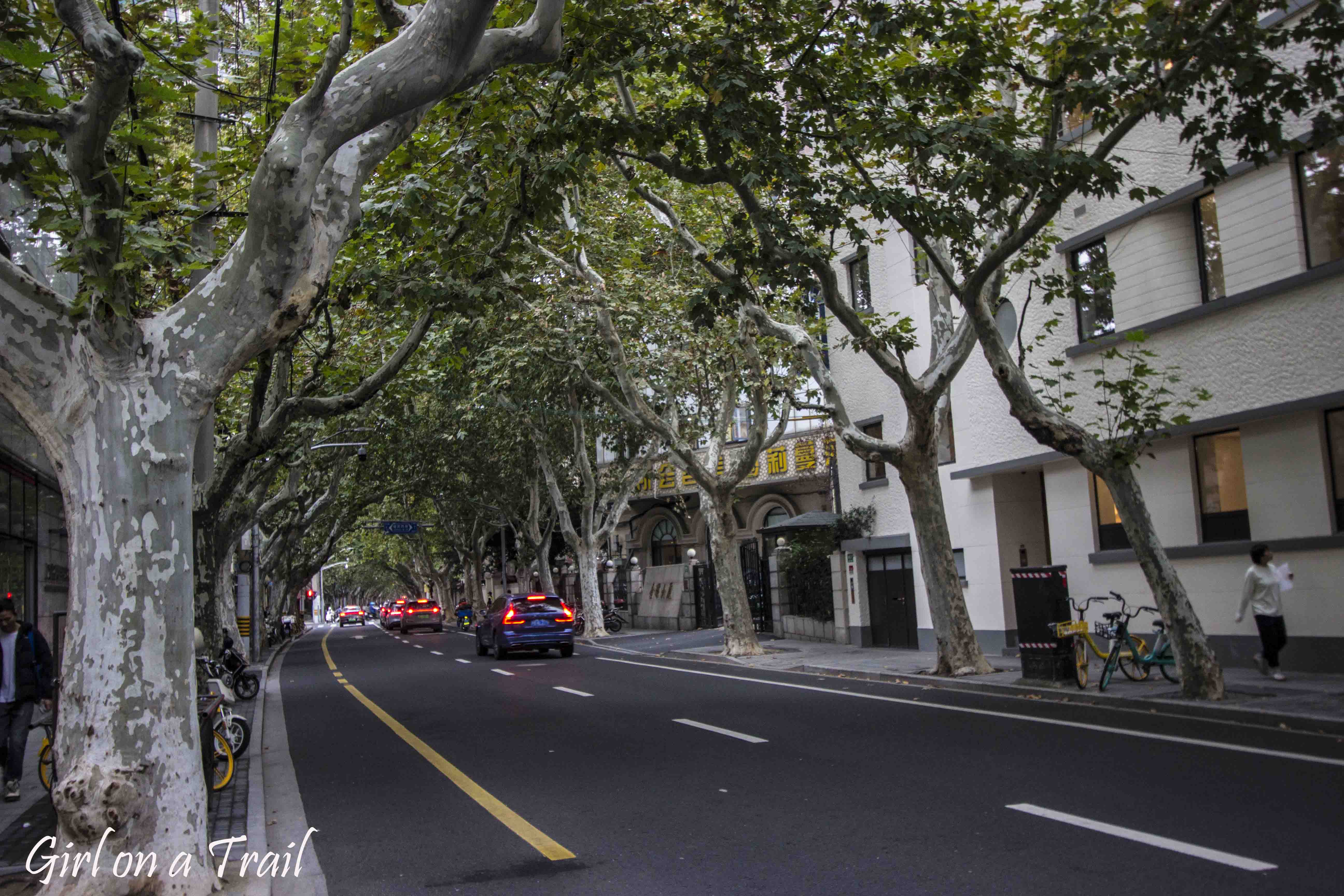
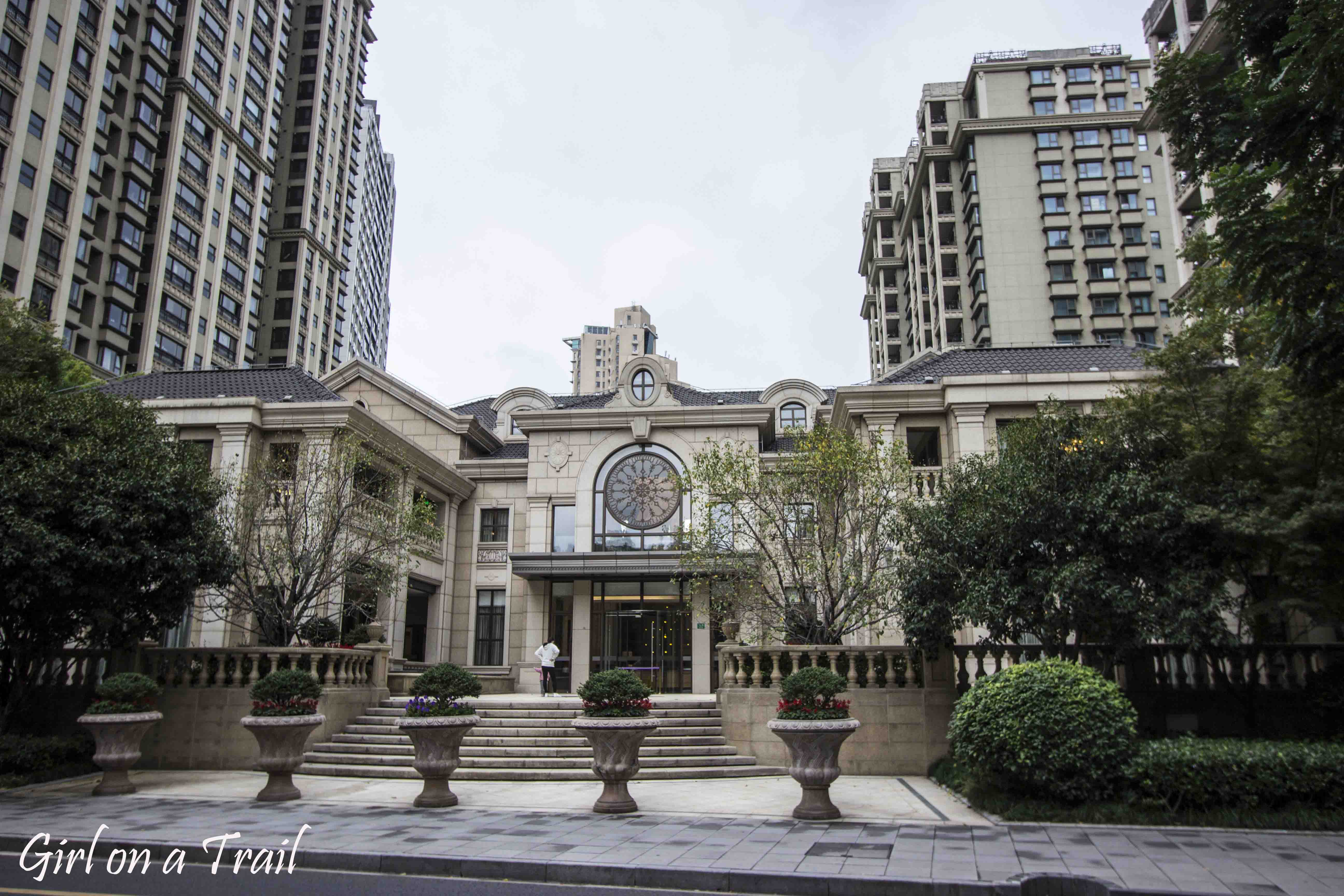
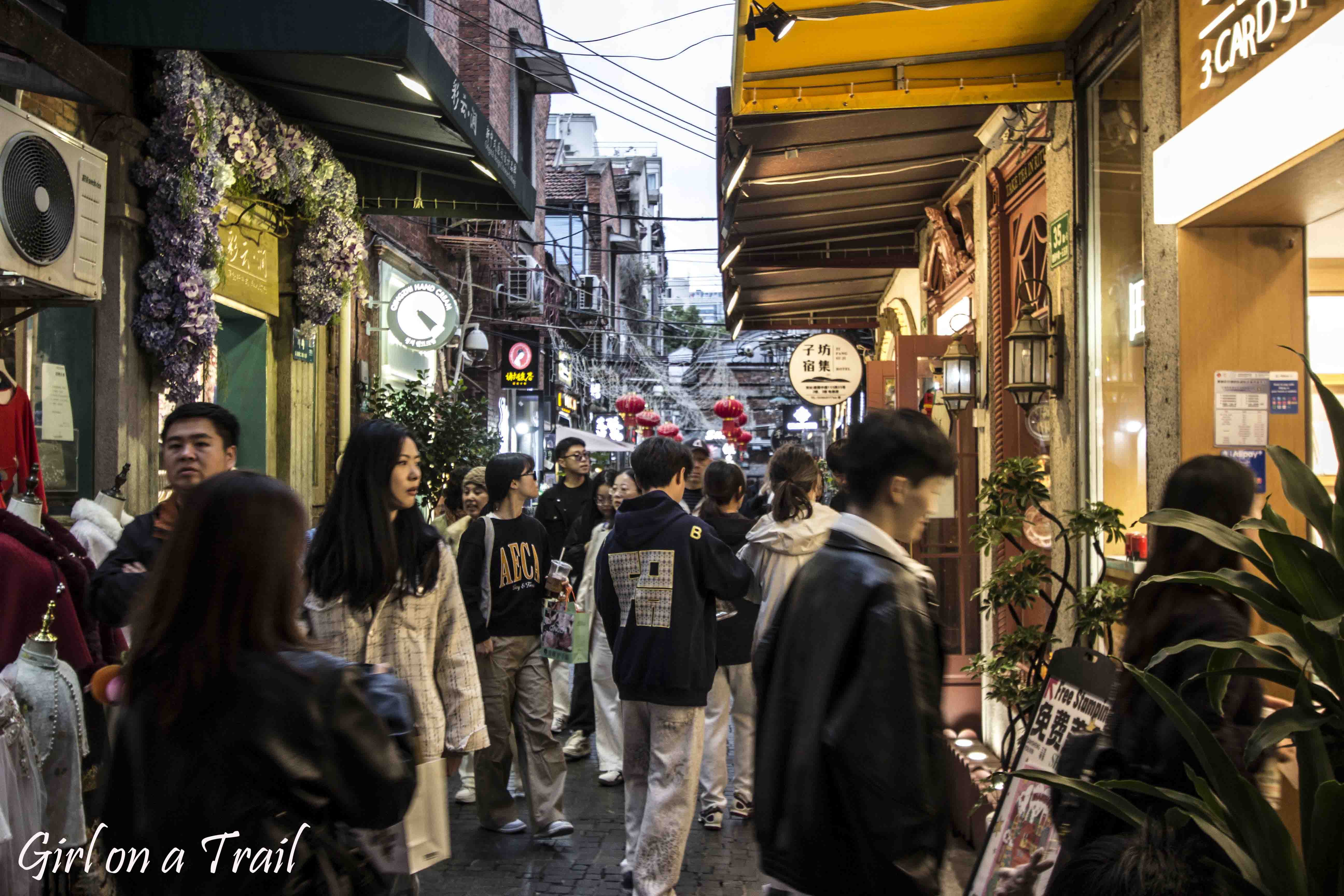
The most popular spot in the French Concession is Tianzifang, home to numerous cafés, restaurants, artisan shops, and art galleries.
City God Temple and Yu Garden
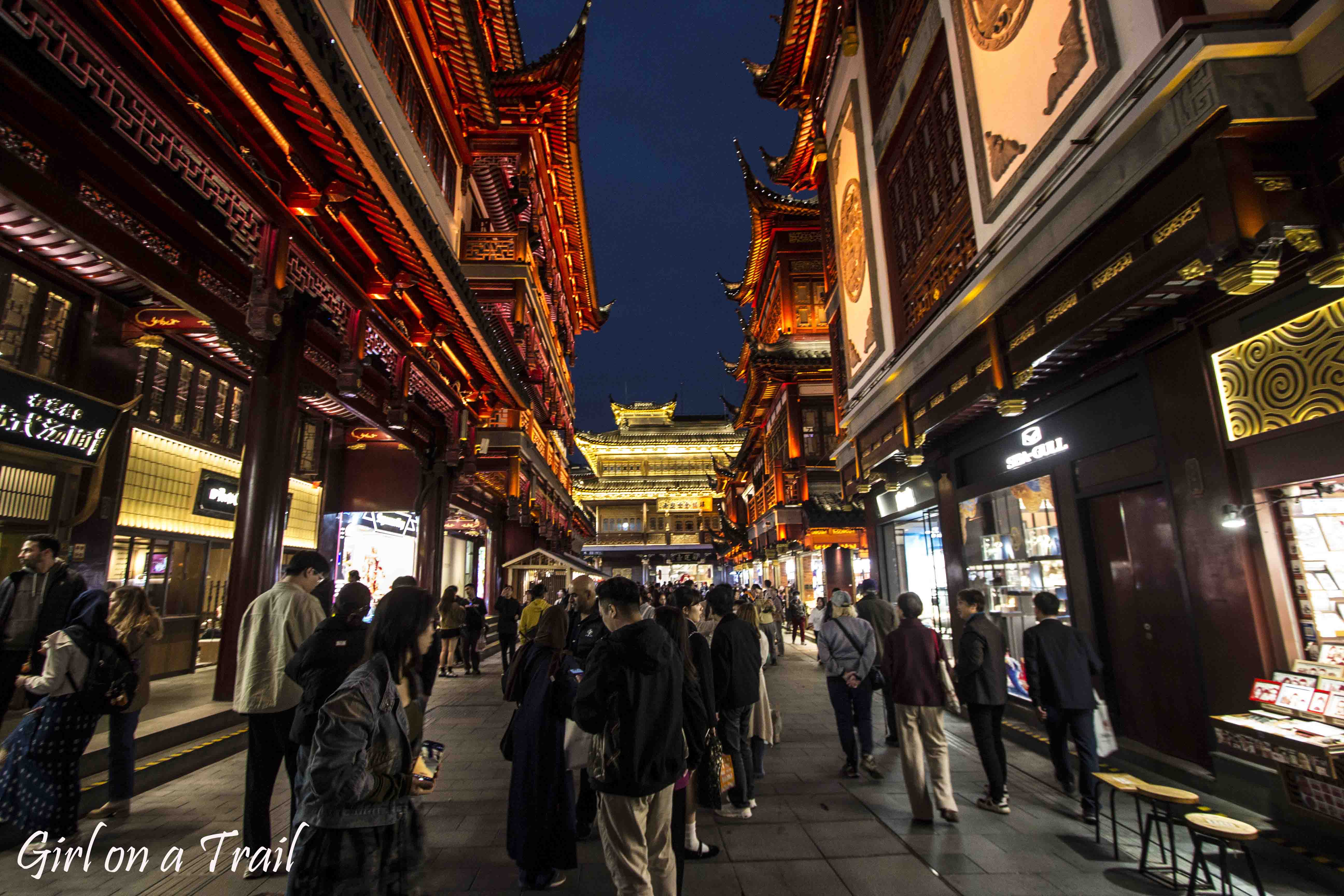
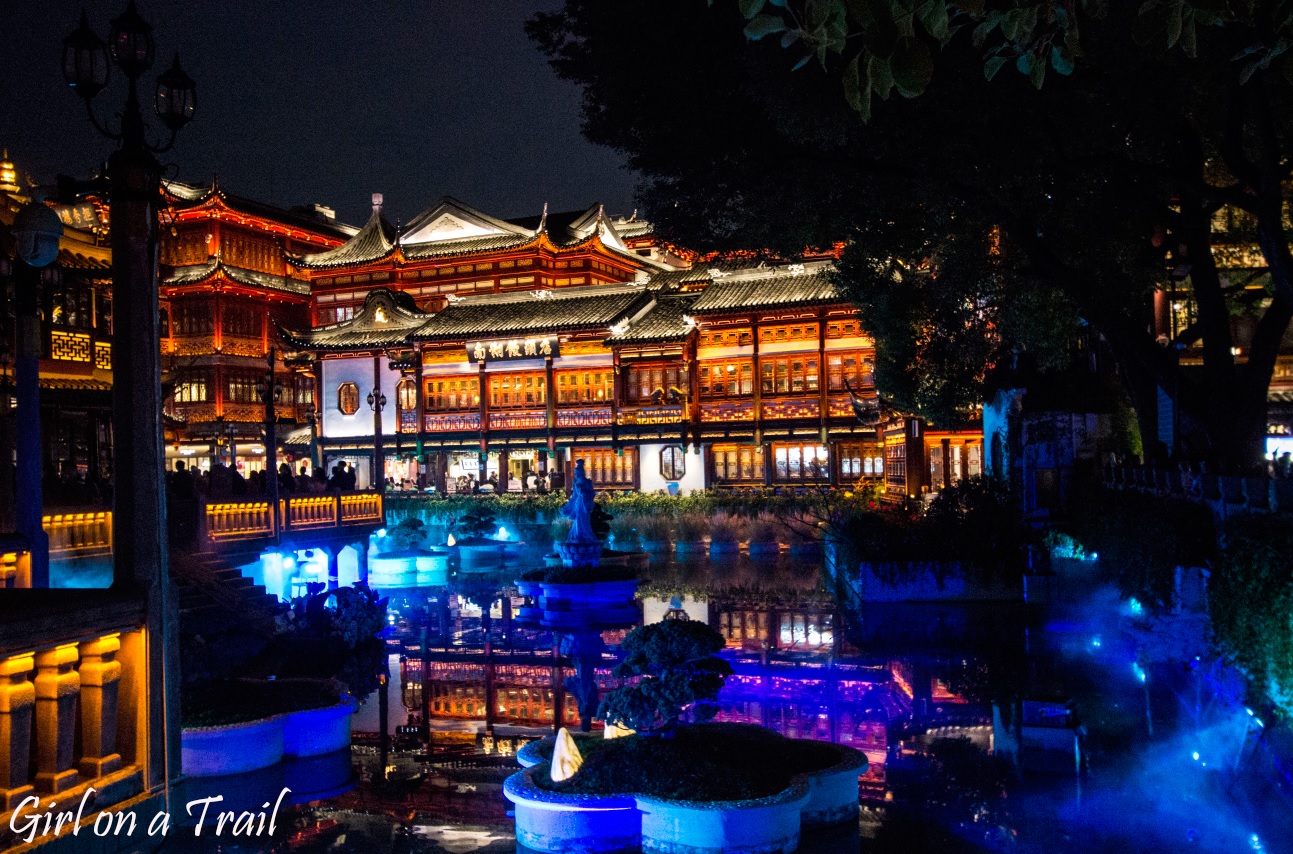
Chenghuangmiao, or the City God Temple, is where prayer and commerce coexist like yin and yang. The century-old complex, with Ming and Qing architecture, houses both a functioning Taoist temple and a full-fledged market. Some come to pray for luck, others for souvenirs, and most end up with a snack in hand. In the evening, when the lanterns light up, it gets busier, noisier, and even more “Shanghai”.
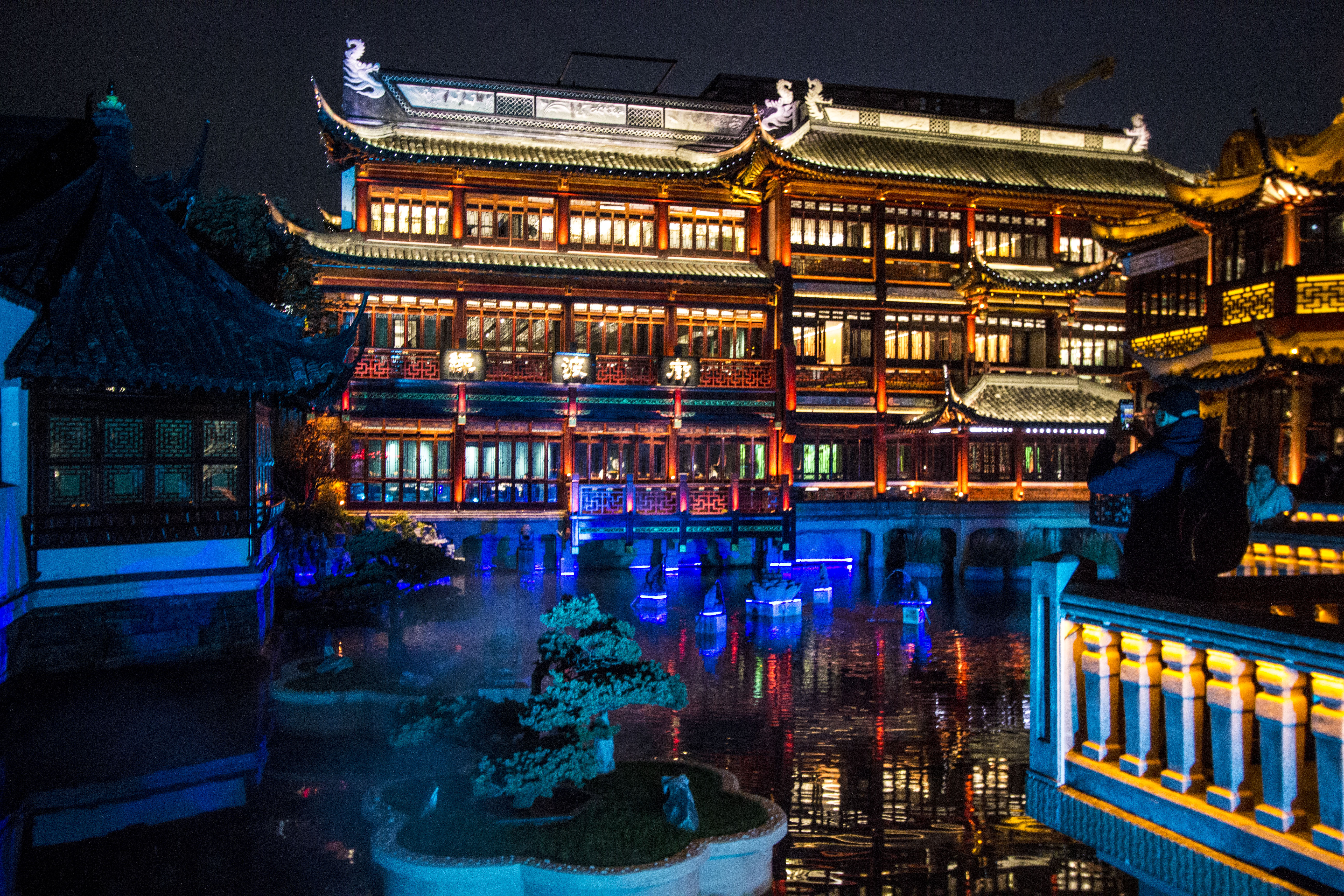
Right next door lies the 400-year-old Yu Garden – a very photogenic spot with Ming-era pavilions surrounding ponds. In theory, it’s peaceful and harmonious; in practice, it’s a fight for a photo without anyone in the frame. The garden has an inner, historic section and an outer part that blends into Yuyuan Bazaar. Alongside local crafts like silk, jewellery, and teas, the street food is a hit – steamed buns, Yangchun noodles, and fried pastries.
Evening at The Bund and Futuristic Pudong
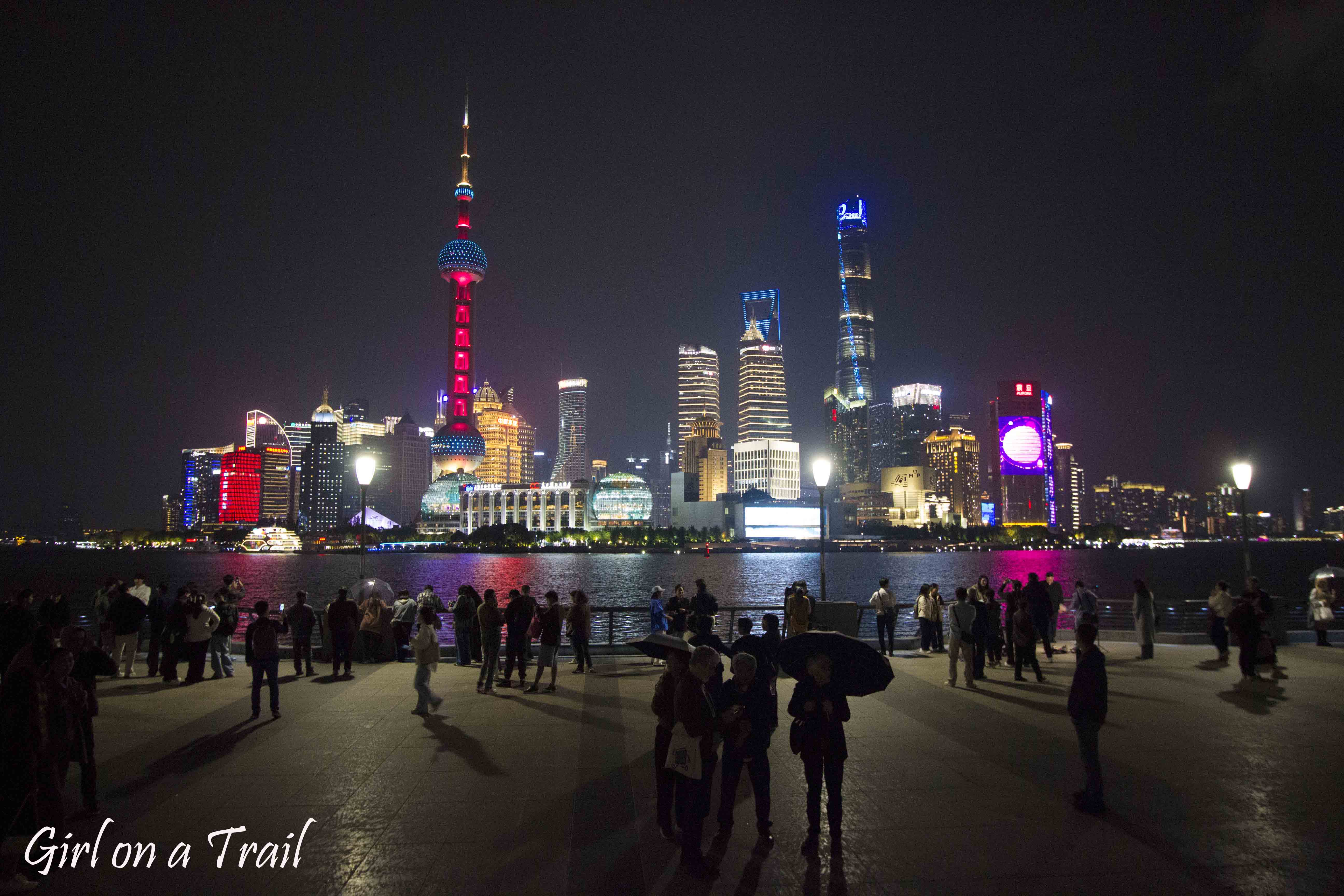
In the evening, head to The Bund – a 1.5-kilometre riverside promenade with one of Shanghai’s most spectacular views. On one side, elegant colonial Art Deco and neoclassical buildings; on the other, Pudong’s futuristic skyline.
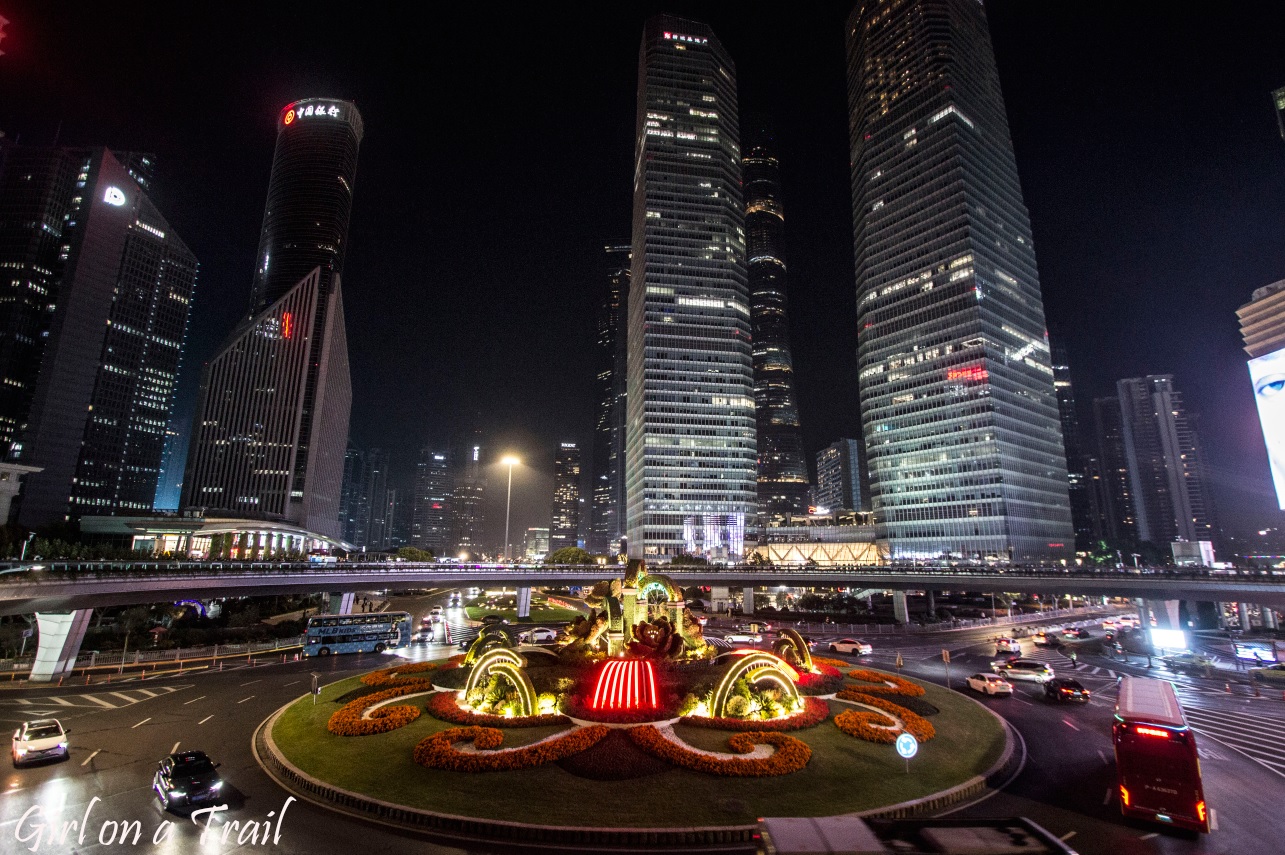
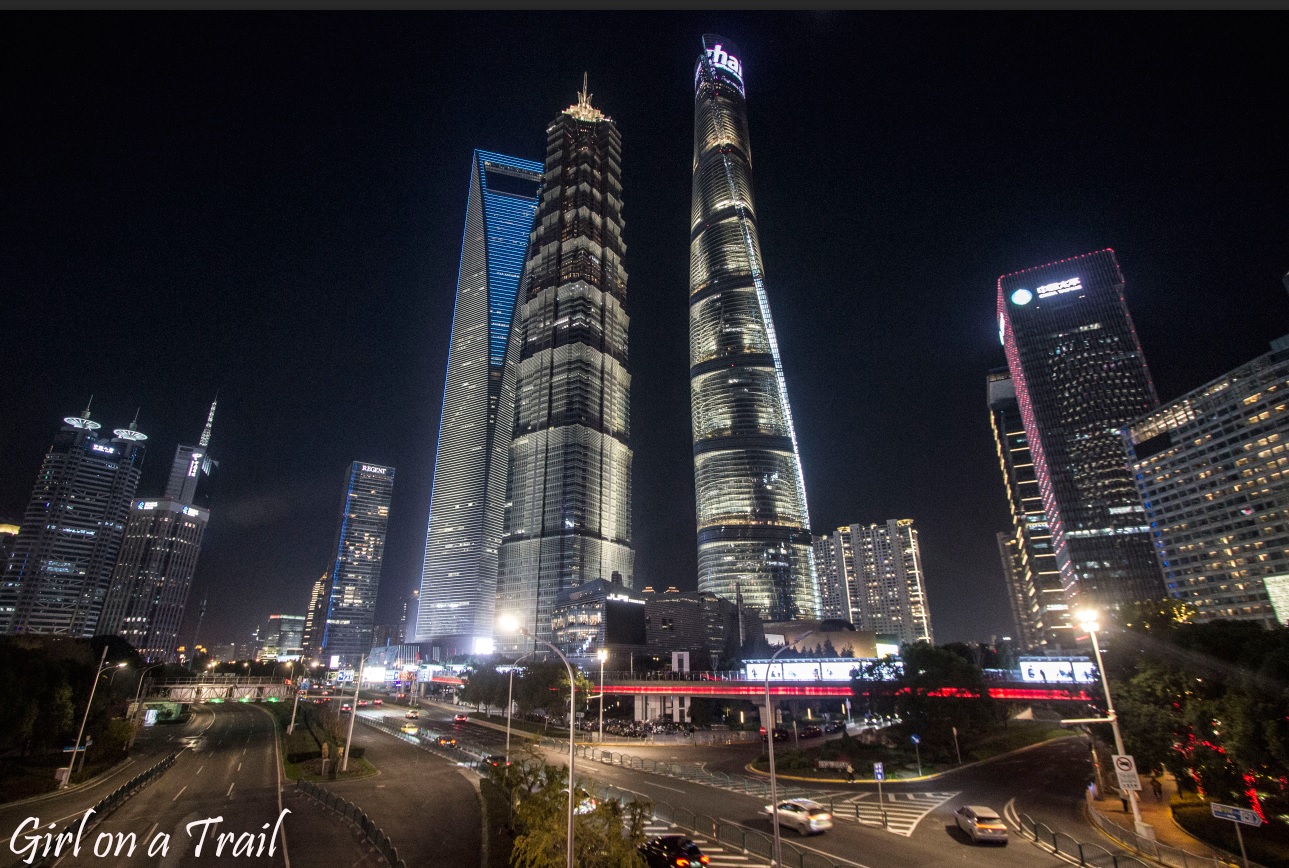
A quick metro ride across the river takes you to the land of glass and concrete. Pudong is ruled by skyscrapers where subtlety has officially been deemed unnecessary. Here stands China’s tallest building, and the world’s third tallest: Shanghai Tower, 632 metres with 128 floors. Costing around $2.4 billion, it’s typhoon and earthquake resistant, and designed as an eco-friendly engineering marvel. Its twisting façade reduces wind resistance, turbines generate some energy, and double-glass cladding saves electricity.
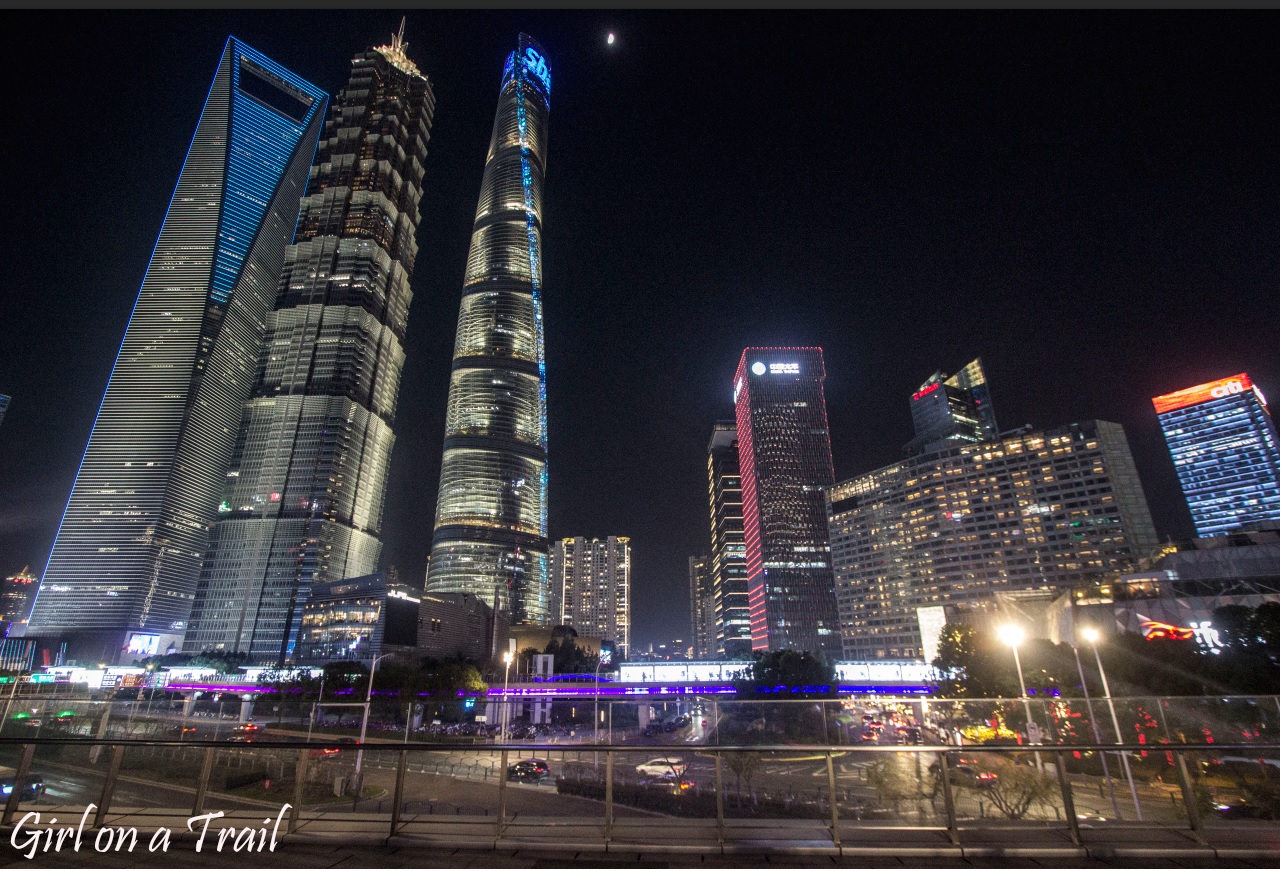
Nearby is the Shanghai World Financial Center, known as the “Bottle Opener”. Standing 492 metres tall with 101 floors, the architect clearly let his imagination run wild.
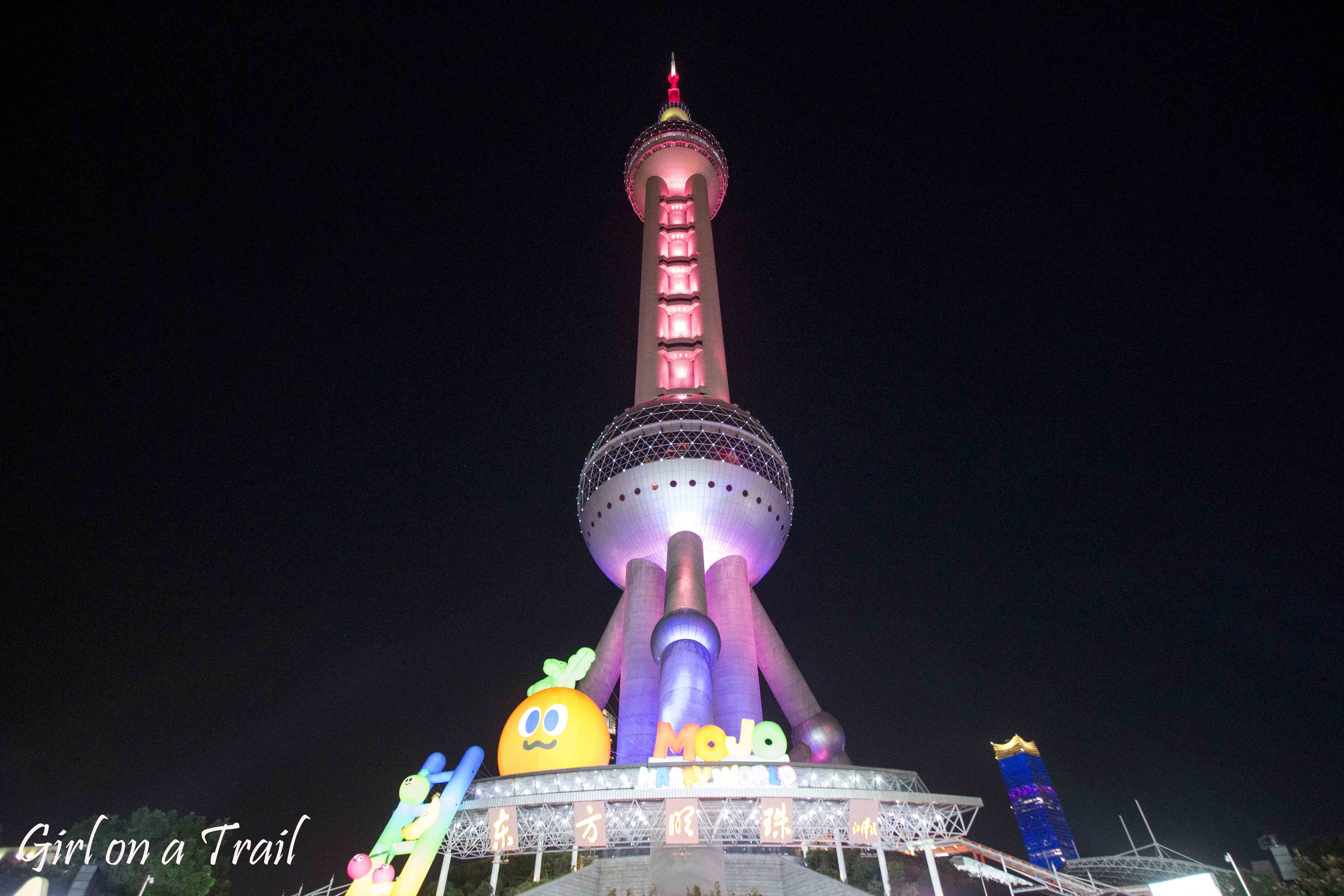
But the most iconic tower is the Oriental Pearl Tower, Shanghai’s symbol. With 11 spheres inspired by Tang dynasty poetry, it looks cosmic. Inside, you’ll find a revolving restaurant, a glass observation deck, and a museum of Shanghai history.
Ancient Qibao – a Contrast to Modernity
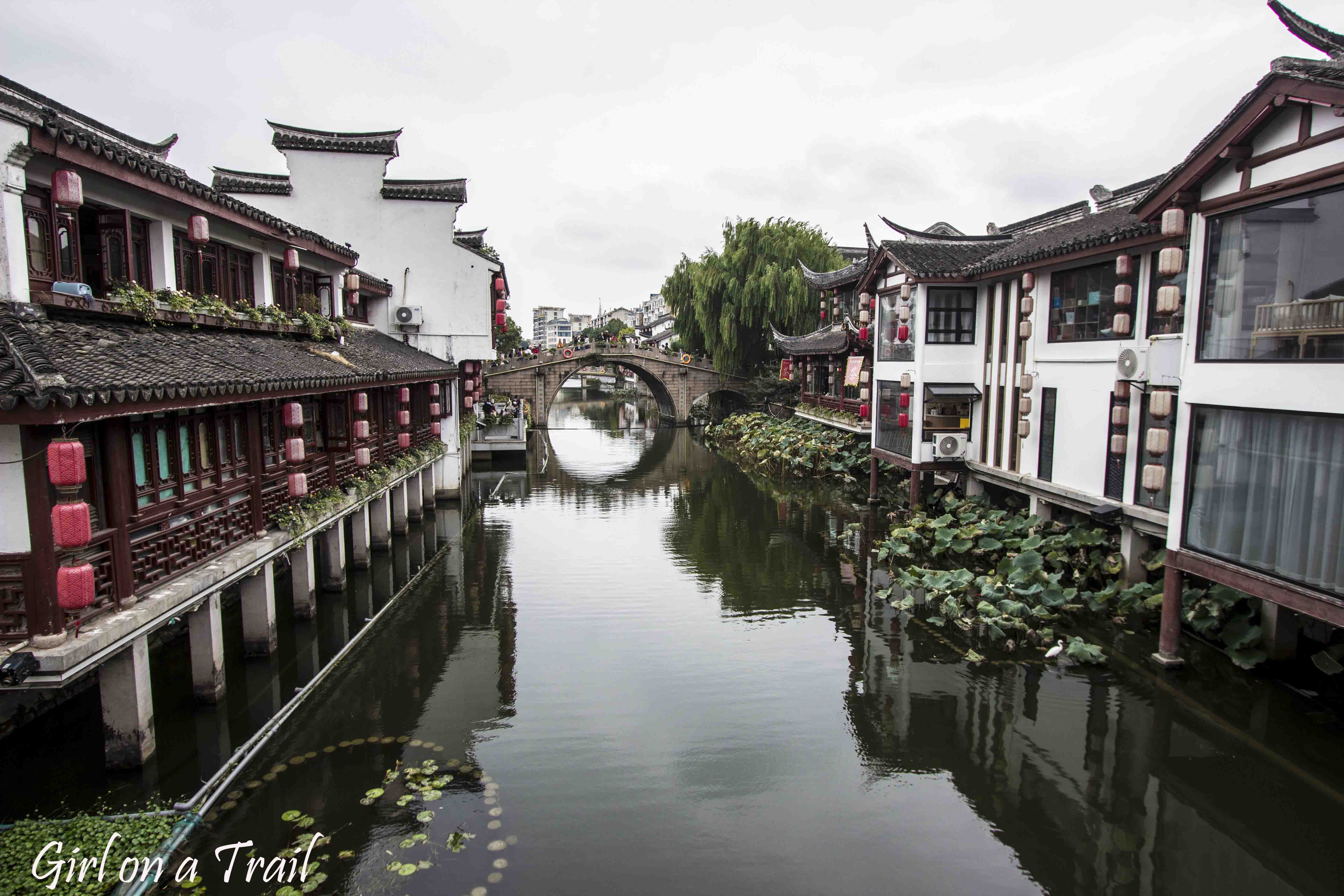
Just outside modern Shanghai lies Qibao Ancient Town – a historic village by a picturesque canal. Wander the narrow streets, and don’t miss Qibao Old Street, the town’s heart, full of shops, street stalls, and local treats.
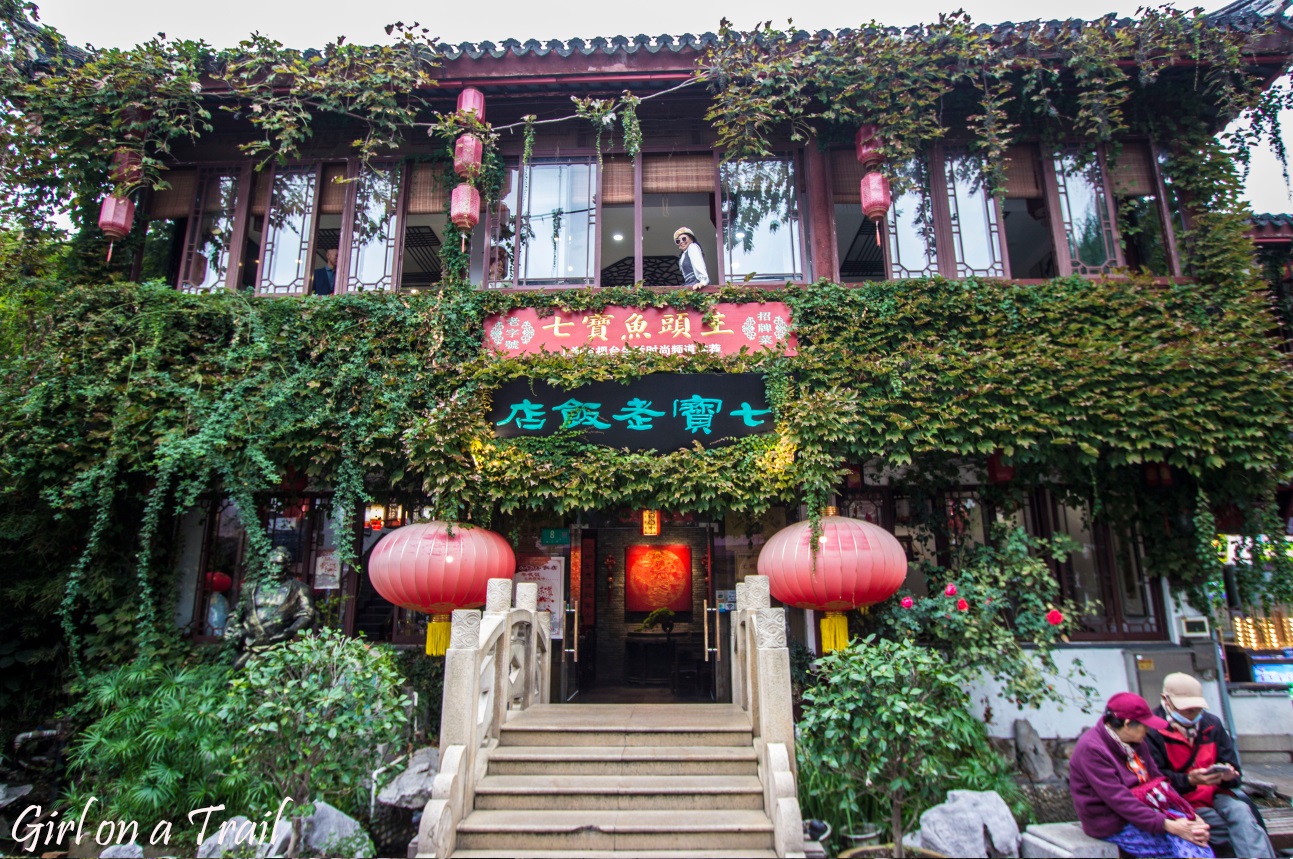
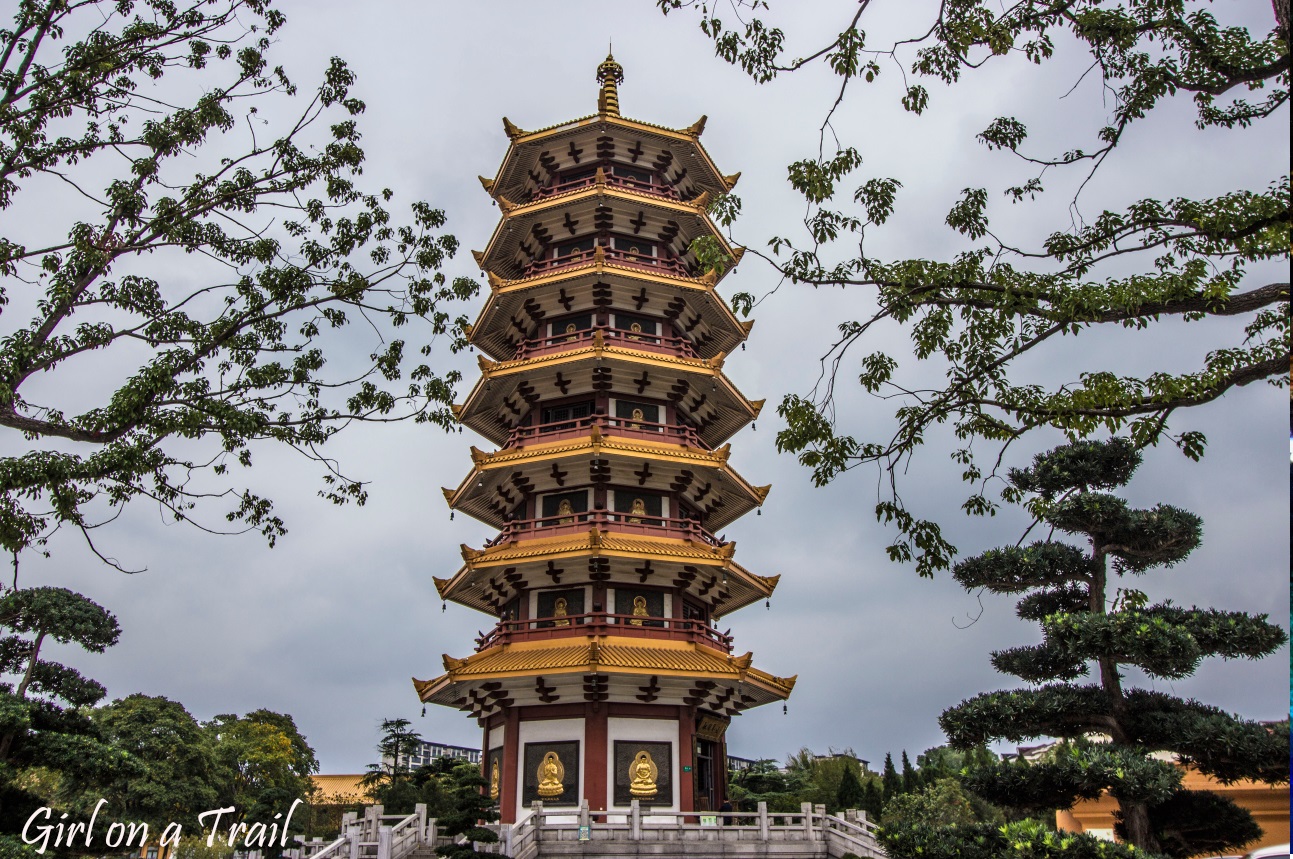
The best view of the traditional architecture comes from the century-old Pu Hui Tang stone bridge. Also worth a visit is Qibao Temple, dating back to the Five Dynasties and Ten Kingdoms, where legendary town treasures like the Flying Buddha and Golden Lotus Sutra are still revered. The easiest way to reach Qibao is via Metro Line 9, a 10-minute walk from Exit 1 at Qibao Station.
Shanghai is a city of contrasts: ancient and modern, quiet and noisy, European and typically Chinese. Two days won’t let you see it all, but enough to feel the city’s vibe, experience something new, and know that no matter how many times you return, there’s always more waiting to be discovered.

You May Also Like

Jordan – how to organise a trip?

Oman – discovering Muscat’s surroundings
